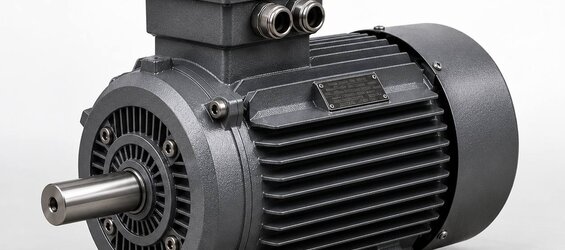
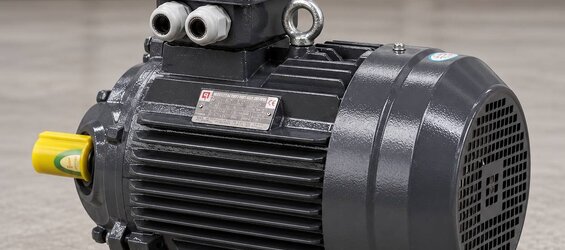
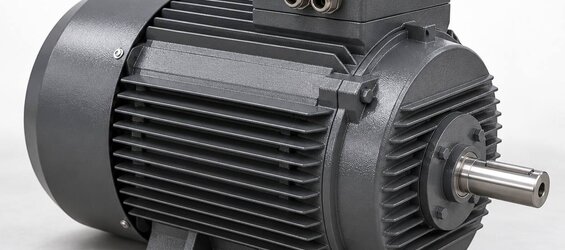
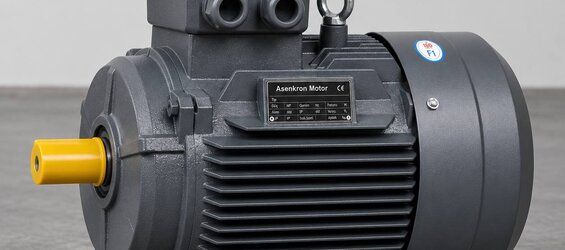
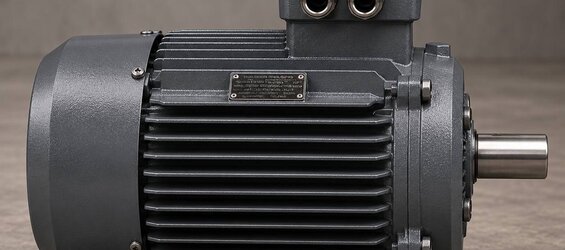
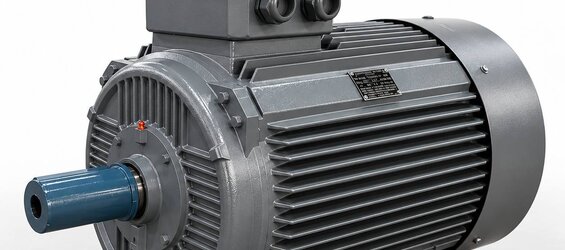
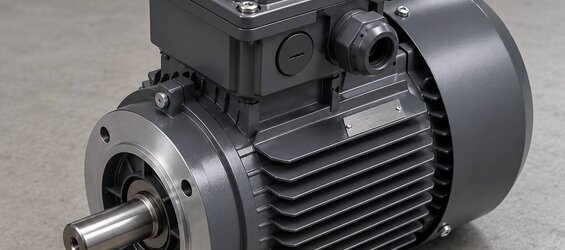
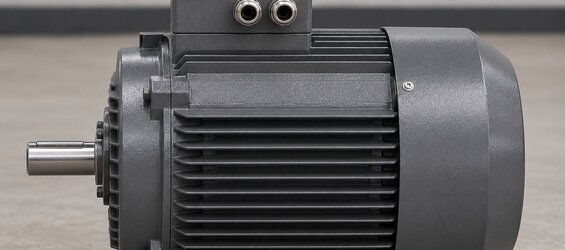
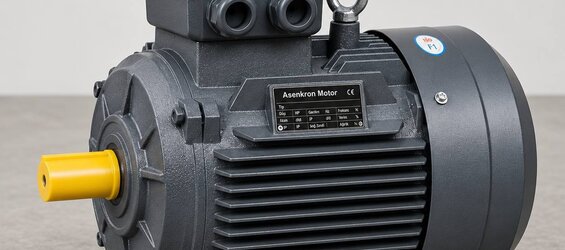
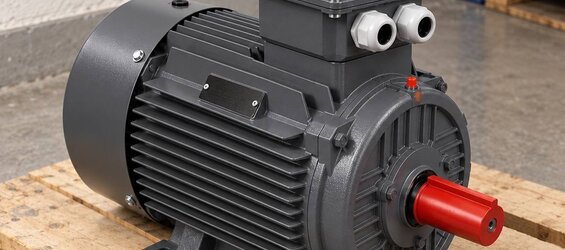
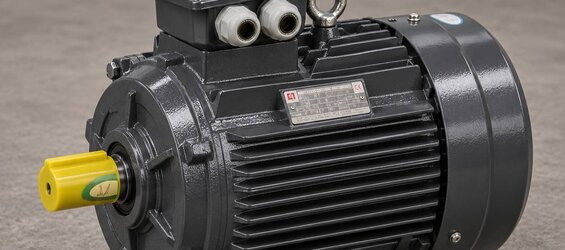
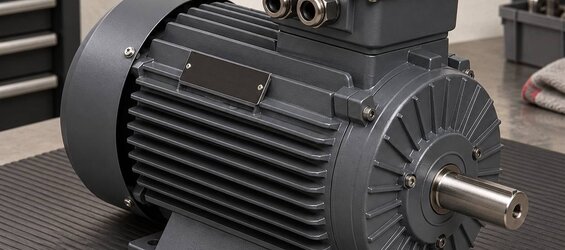
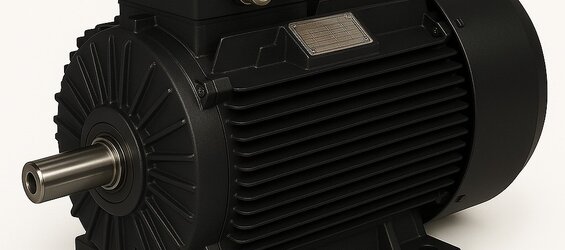
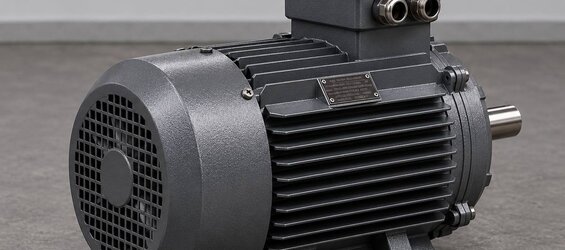
Brake Motor Air-Gap Adjustment and Setup
Brake electric motors are indispensable in applications that must stop quickly and safely the moment stopping is required. Cranes, elevators, conveyors, door systems, and machines ... More Details
Knowing the basics is essential to choosing the right motor. In this category you will find guide content on the electric motor working principle, motor types, efficiency classes and selection criteria. Get to know the world of motors with the technical knowledge of the DRG Motor expert team.
For the right motor, power (kW), speed (rpm), efficiency class, body material and mounting type should be considered together. Our high efficiency motors page guides you on efficiency and the power and speed options page on power/speed.
What is the difference between asynchronous and synchronous motors? In an asynchronous motor the rotor turns slightly slower than the magnetic field; in a synchronous motor it turns at the same speed.
Why is motor efficiency important? High efficiency does the same work with less electricity, lowering operating costs.
DRG Motor supports businesses on both the product and knowledge side. By reviewing this guide content you can choose the right motor more consciously, and contact us via drgmotor.com for technical questions.
Motor efficiency is classified as IE1 (Standard), IE2 (High), IE3 (Premium), IE4 (Super Premium) and IE5 (Ultra Premium). The higher the class, the lower the energy loss and the greater the savings. Which class suits you is determined by your running hours and power needs; review our guide content for details.
Which mounting type is needed? Foot (B3) mounting is used in most applications, while flange (B5) or combined (B35) mounting is preferred where direct coupling is required.

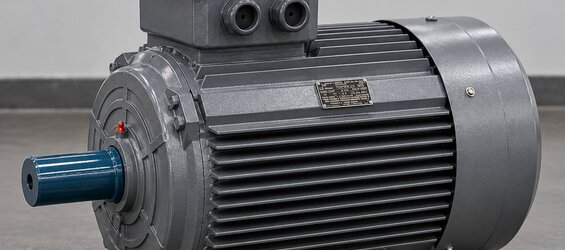
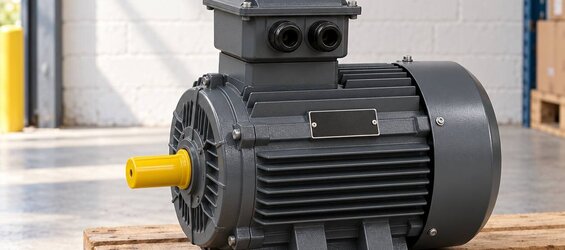
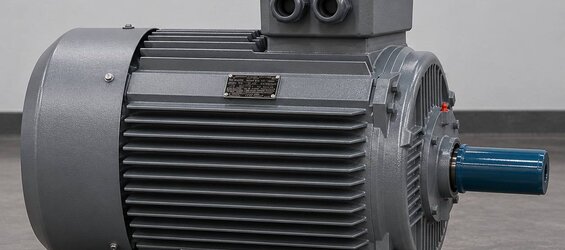
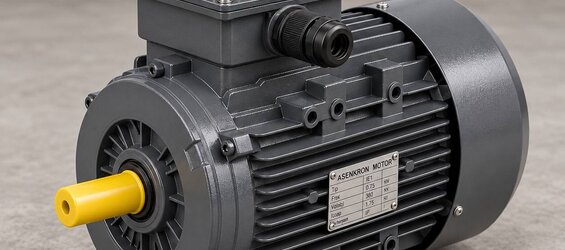
Brake electric motors are indispensable in applications that must stop quickly and safely the moment stopping is required. Cranes, elevators, conveyors, door systems, and machines ... More Details

An electric motor produces a certain amount of vibration while running; this is unavoidable. However, the severity of the vibration says a great deal about the motor's health. Low ... More Details

One of the most visible yet most often overlooked parts of an electric motor is the terminal box. This box, where the motor's electrical connection is made, is the critical point w... More Details

A frequency inverter provides large energy savings by flexibly adjusting the motor's speed; but this benefit comes with an invisible side effect: electrical noise. The inverter dri... More Details

One of the most vulnerable points of an electric motor is where the shaft leaves the frame. At this point a small gap must remain between the rotating shaft and the stationary fram... More Details

Before an electric motor fails, it almost always gives a warning: vibration. Bearing wear, imbalance, misalignment, looseness or electrical problems all leave a trace in the motor'... More Details

When an electric motor runs, the job of the winding insulation is not only to carry energy; it is also to separate the live conductors from the frame, and the frame from the people... More Details

On a cold winter morning, an electric motor waiting outdoors or in a chilled warehouse meets conditions at its first start that are very different from those in a warm environment.... More Details

The insulation of large-power electric motors ages silently and over the years. This aging is usually invisible from the outside, until one day the winding insulation collapses and... More Details

The path to selecting the right motor often does not run, as is commonly assumed, through looking only at the power value. What really matters is the character of the load the moto... More Details

There is a single graph that best describes the character of an induction motor: the torque-speed curve. This curve shows how much torque the motor can produce at every speed from ... More Details

No matter how high the power of an electric motor is, that power is useless if it cannot reach the shaft. The shaft is the bridge that transfers the rotary motion and torque the mo... More Details

The life of an electric motor begins not the moment it is first started, but the moment it leaves the factory. Most facilities do not commission a motor immediately after purchasin... More Details

One of the greatest enemies of an electric motor is moisture, which is often invisible to the eye but advances silently. When moisture seeps inside the motor, it weakens the insula... More Details

Two electric motors can have the same power, the same speed and the same efficiency; yet one runs flawlessly for years in a dusty crushing plant while the other burns its winding w... More Details

The most critical factor determining the life of an electric motor often comes down to a single, usually invisible variable: winding temperature. As long as the windings stay withi... More Details

At the heart of every electric motor lies an invisible yet critical boundary between the copper windings and the metal frame: the insulation. This layer, formed by enamel, varnish ... More Details

When an electric motor runs, it does not only produce mechanical power; it also releases heat in the windings, the rotor, and the bearing areas. If this heat is not kept under cont... More Details

If the heart of an electric motor is the rotating rotor, then the hero that allows that rotor to turn quietly and trouble-free is the bearing. This small part, often overlooked, di... More Details

An induction motor stopping suddenly or failing unexpectedly rarely comes without warning. Before they break down, motors usually give signs: the temperature rises, the noise chang... More Details