 English
 Le français
 Türkçe
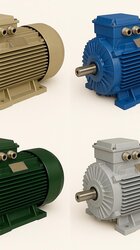
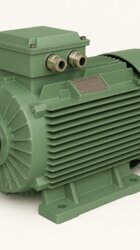
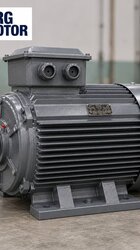
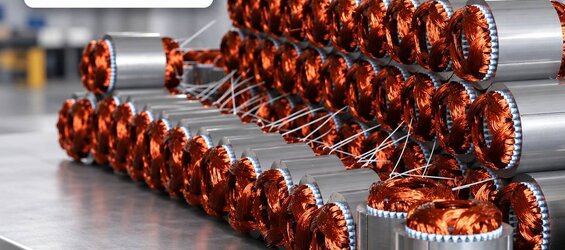
Why Do Electric Motors Burn Out? What Are the Causes
Take a burnt motor to an experienced rewinder and, more often than not, they will open the end shield, glance at the winding and say “this one went on phase loss” or “the bearing k... More Details

Knowing the basics is essential to choosing the right motor. In this category you will find guide content on the electric motor working principle, motor types, efficiency classes and selection criteria. Get to know the world of motors with the technical knowledge of the DRG Motor expert team.
For the right motor, power (kW), speed (rpm), efficiency class, body material and mounting type should be considered together. Our high efficiency motors page guides you on efficiency and the power and speed options page on power/speed.
What is the difference between asynchronous and synchronous motors? In an asynchronous motor the rotor turns slightly slower than the magnetic field; in a synchronous motor it turns at the same speed.
Why is motor efficiency important? High efficiency does the same work with less electricity, lowering operating costs.
DRG Motor supports businesses on both the product and knowledge side. By reviewing this guide content you can choose the right motor more consciously, and contact us via drgmotor.com for technical questions.
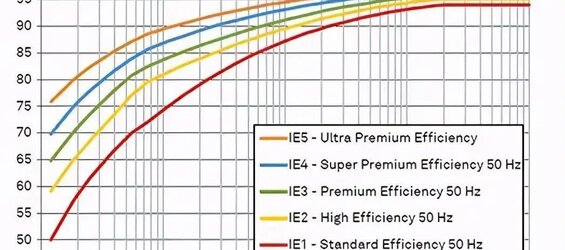
Motor efficiency is classified as IE1 (Standard), IE2 (High), IE3 (Premium), IE4 (Super Premium) and IE5 (Ultra Premium). The higher the class, the lower the energy loss and the greater the savings. Which class suits you is determined by your running hours and power needs; review our guide content for details.
Which mounting type is needed? Foot (B3) mounting is used in most applications, while flange (B5) or combined (B35) mounting is preferred where direct coupling is required.
Take a burnt motor to an experienced rewinder and, more often than not, they will open the end shield, glance at the winding and say “this one went on phase loss” or “the bearing k... More Details
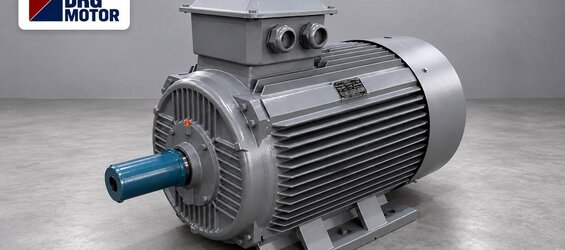
Picture three quotes on the purchasing desk for the same motor: all 15 kW, all 4-pole, all described as a "three-phase asynchronous motor". The prices are clearly different, and al... More Details
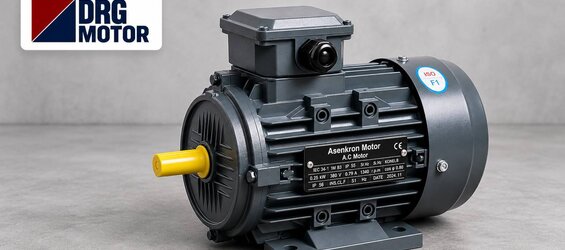
When a new machine arrives at the workshop or the motor of a well pump burns out, the first question is usually “How many kW do I need?” Yet most of the problems we encounter in th... More Details
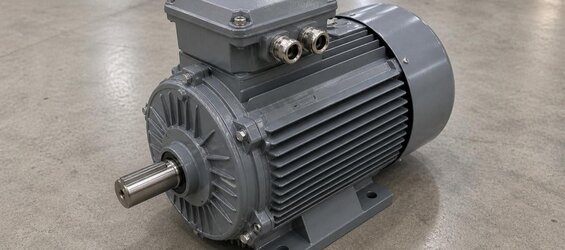
Electric Motor Prices 2026–2030Electric motors are essential power components used in production machinery, pumps, fans, compressors, conveyors and many industrial systems. Electri... More Details
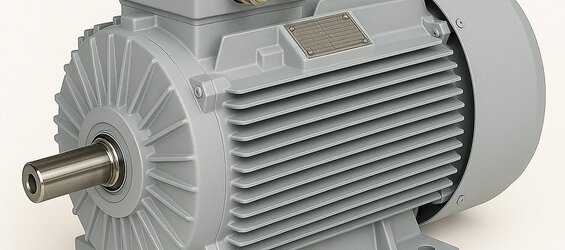
One of the most common dilemmas in the world of electric motors is the choice between a synchronous motor and an asynchronous motor. Both run on alternating current and both draw ... More Details
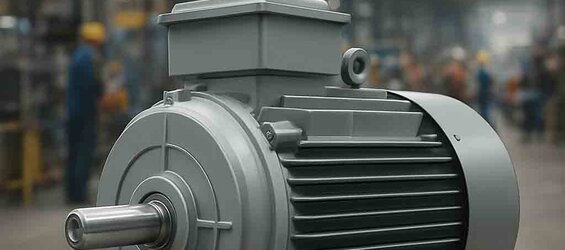
When we talk about an electric motor's power, we often look at the kilowatt figure; yet what actually moves a load is torque. Torque is the turning force a motor produces on its s... More Details
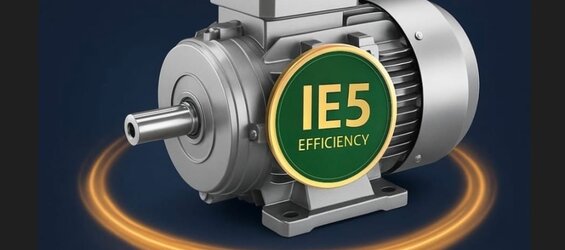
Connecting a large electric motor directly to the grid and running it seems like the simplest method at first glance; but this often leads to serious problems. At start-up, the mo... More Details
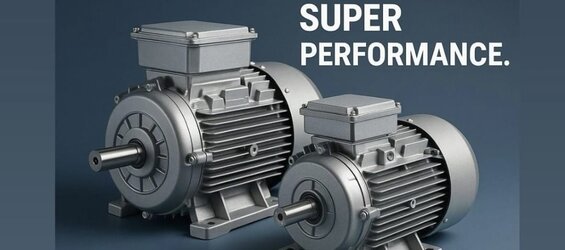
How fast an electric motor turns is not a matter of chance; it is determined from the start by certain physical laws. Two motors of the same power can turn at completely different... More Details
There is no single right answer to the question "Which efficiency class motor should I buy?"; the right answer depends on how much the motor runs. The most sensible efficiency cla... More Details
In the world of electric motors, IE3 is almost a turning point today. Called "Premium Efficiency", this class has become the legal minimum standard in many countries. That is, in ... More Details
In many facilities, low-efficiency motors installed years ago are still running. Although these motors appear to run trouble-free, they quietly continue to consume extra energy. R... More Details
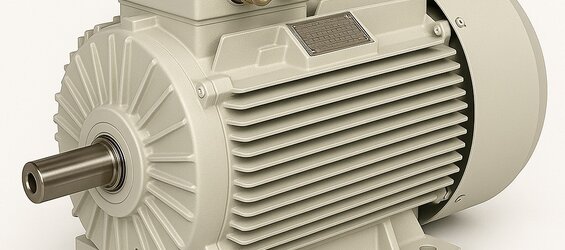
Seeing a rotor spin inside an electric motor without a single gear, belt or mechanical link is surprising at first glance. Behind this motion lies an invisible yet extremely power... More Details
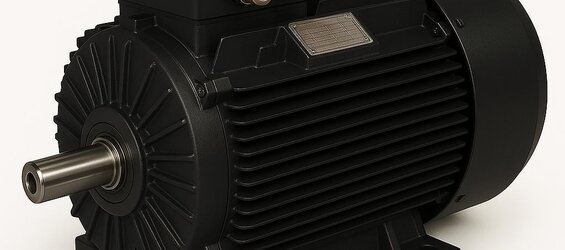
A gearbox (reducer) is a mechanical power transmission element that reduces the high speed of an electric motor while increasing the torque. Consisting of a gear system, the gearbo... More Details
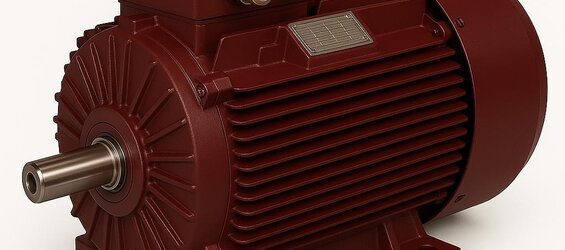
What Is IE3 Contact: +90 (542) 666 11 11 IE3 is a term that refers to the energy efficiency classification of electric motors. Defined under “International Efficiency” (IE) stand... More Details
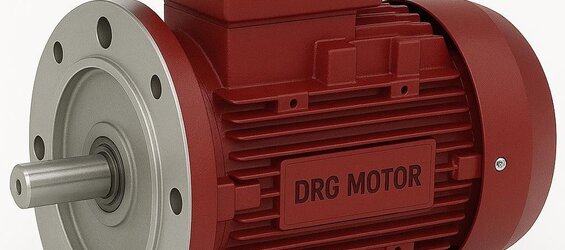
The basic function of an electric motor is to convert the electrical energy it draws from the supply into the mechanical energy of a rotating shaft. This seemingly simple conversio... More Details
What is an AC Electric Motor Contact: +90 (542) 666 11 11 AC electric motors convert electrical energy supplied as alternating current (AC) into mechanical energy. Widely used in... More Details
An electric motor typically runs at a high speed such as 1500 or 3000 rpm depending on the mains frequency, yet conveyors, mixers and hoisting drives need exactly the opposite: low... More Details

Cast iron body electric motors, with a frame made of cast iron, are the motor group best suited to heavy-industry conditions. The mechanical strength, heat dissipation and vibratio... More Details
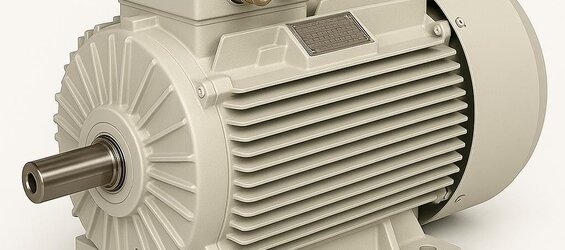
In an electric motor the housing is not merely an outer shell; it is a structural component that carries mechanical strength, heat dissipation and vibration damping together. DRG M... More Details
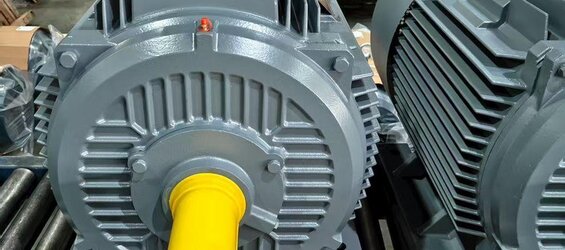
What Is An AC Motor Contact: +90 542 666 11 11 AC motors are electric motors that operate using alternating current (AC) and are among the most widely used types of motors in ind... More Details