 English
 Le français
 Türkçe

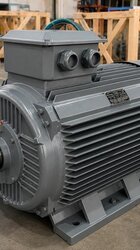
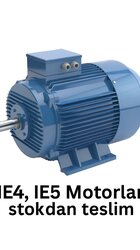

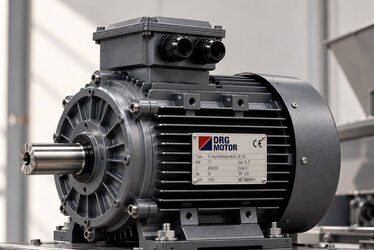
A gearbox (reducer) is a mechanical power transmission element that reduces the high speed of an electric motor while increasing the torque. Consisting of a gear system, the gearbox lowers the speed at the motor's output shaft and raises the power (torque), and is used in applications requiring slow but powerful rotation. The motor and gearbox usually work together as a "gear motor".
What Does a Gearbox Do?
Many industrial machines need to rotate much more slowly than the standard speed of an electric motor (for example, 1500 rpm). The gearbox reduces this speed to the desired level while increasing torque in the same proportion. Thus, the motor can easily move heavy loads it could not directly lift, with the help of the gearbox.
Types of Gearboxes
Helical (spur), worm, bevel and planetary gearboxes are the main types. Each is selected according to different torque, speed ratio and mounting needs. In gearbox selection; the desired output speed, the power to be transmitted and the operating time of the application are decisive.
Where Are Gear Motors Used?
Gear motors are widely used in systems requiring slow and powerful rotation, such as conveyor belts, mixers, cranes, packaging machines and mills. The correct motor–gearbox match ensures efficient and long-lasting operation of the system.
Correct Motor–Gearbox Matching
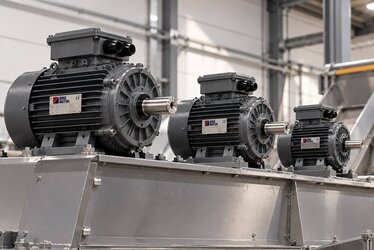
The performance of the gearbox is directly proportional to the power and speed of the motor it is connected to. DRG Motor stocks electric motors in a wide power range suitable for gearbox applications. For a motor suitable for your application, you can review our industrial electric motors guide.
What Field Crews Check
The efficiency of a gearbox depends on the gear type and lubrication condition. Helical gearboxes offer high efficiency, while worm gearboxes provide a higher speed reduction ratio but lower efficiency. Regular oil checks and changes are essential for the gearbox to run long and quietly. Neglected lubrication leads to gear wear and overheating.
Frequently Asked Questions
How does a gearbox increase torque?
Thanks to the gear ratio, the gearbox reduces the output speed; for every reduction in speed, torque increases proportionally. Thus the motor can lift heavier loads.
Can a gearbox be fitted to any motor?
The gearbox must be selected to suit the motor's power, speed and shaft/flange dimensions. Contact our technical team for correct matching.