 English
 Le français
 Türkçe

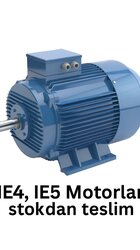
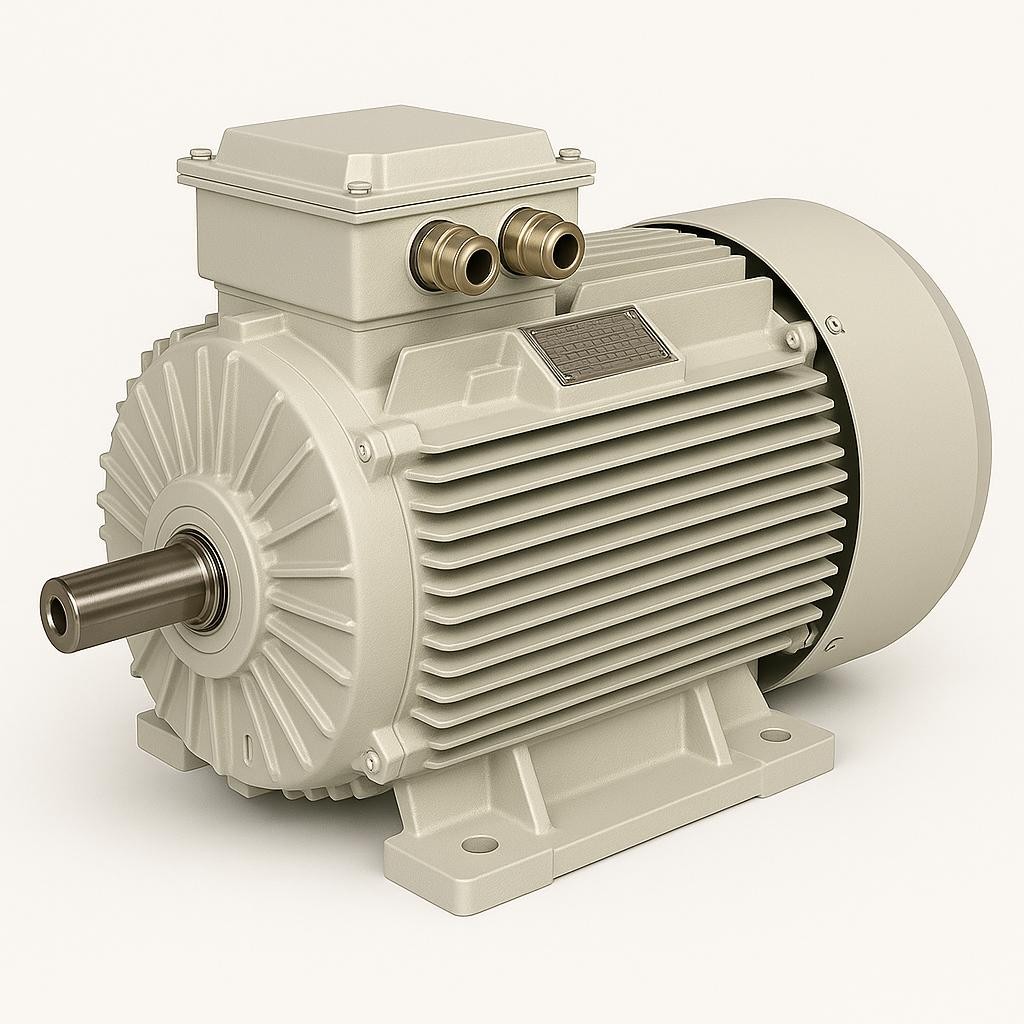
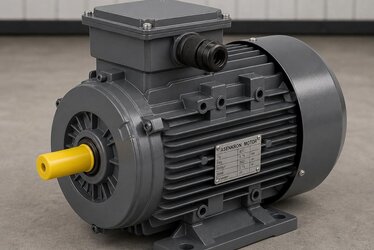
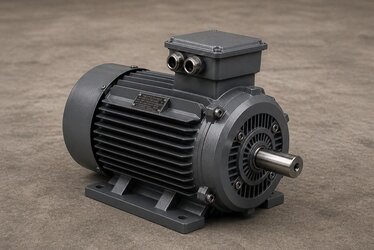
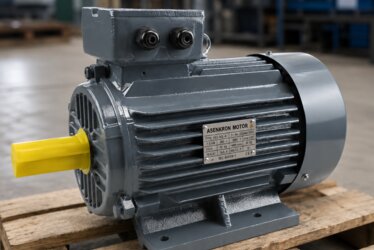
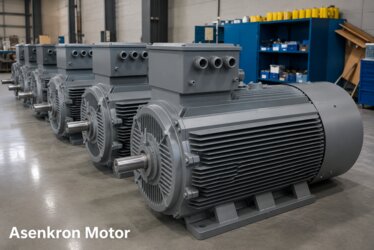
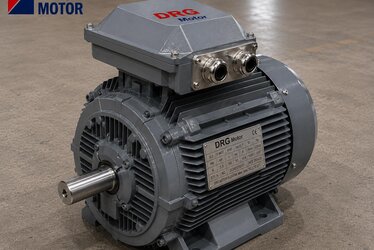
In an electric motor the housing is not merely an outer shell; it is a structural component that carries mechanical strength, heat dissipation and vibration damping together. DRG Motor's cast iron housings are heavier than aluminium but far more rugged, which makes them stand out in demanding industrial conditions.
Cast Iron versus Aluminium Housing
An aluminium housing is light and sheds heat quickly, which is an advantage in small, portable applications. Cast iron offers higher mechanical strength, better vibration damping and impact resistance. That is why cast iron is preferred for high-power motors and harsh environments.
Cooling and Heat Management
The mass and finned surface of cast iron spread the heat generated under continuous load evenly. This limits winding temperature, preserving the life of Class F insulation and ensuring stable operation in the S1 continuous-duty regime.
Durability and Service Life
Vibration and mechanical shock directly affect bearing and winding life. A solid cast iron housing keeps the rotor-stator alignment and holds the air gap constant, which means fewer failures and more predictable maintenance over the long term.
Housing Selection at DRG Motor
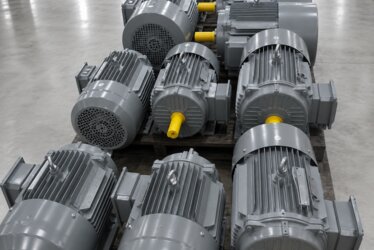
As an İzmir-based supplier, DRG Motor offers cast iron and aluminium housing options from 0.55 to 355 kW. Determining the right housing type together, based on your load, environment and running hours, keeps the investment long-lived.