 English
 Le français
 Türkçe

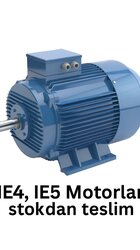
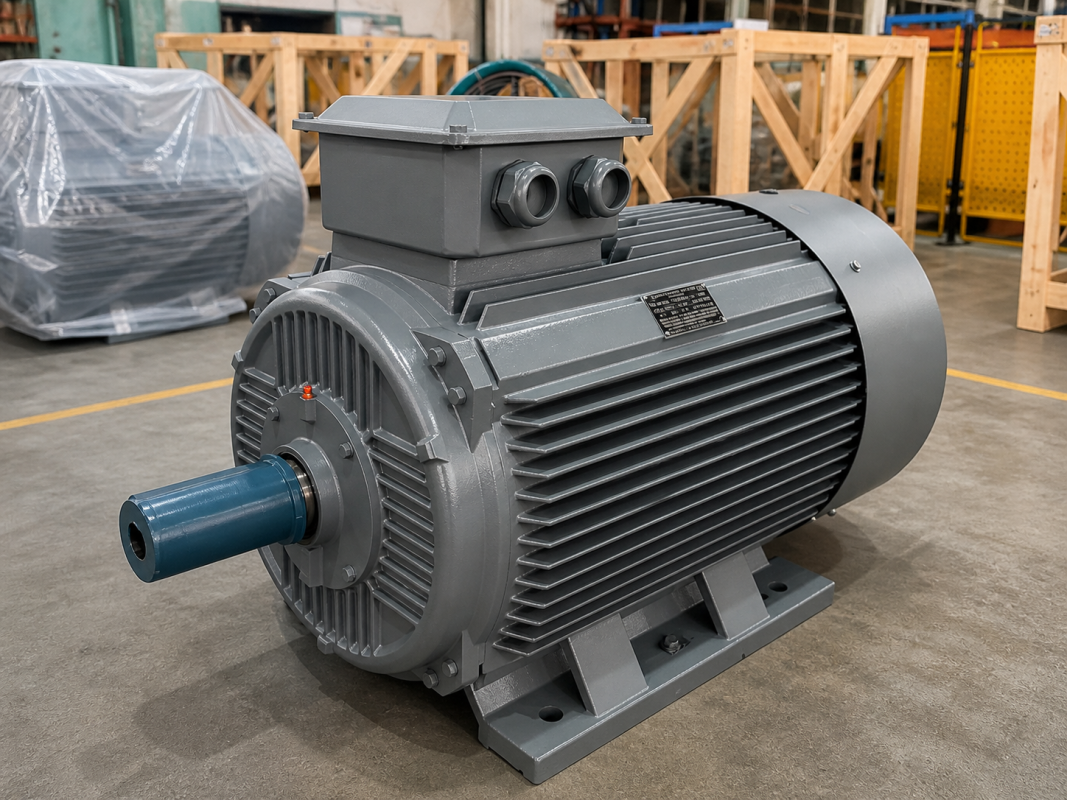

Some industrial environments carry a risk of explosion because of the flammable gas, vapour or dust they contain. Petrochemical plants, refineries, paint factories, flour and sugar mills and mine galleries are examples of such environments. In places like these, an ordinary electric motor poses a major hazard through the spark it produces or its high surface temperature. This is exactly where explosion-proof (Ex) motors come into play. So why are explosion-proof electric motors needed in hazardous areas?
At DRG Motor, in this article we examine what explosion-proof motors are, why they are needed and how they work. You can find the basic operating logic of a motor in our article on what an electric motor is.
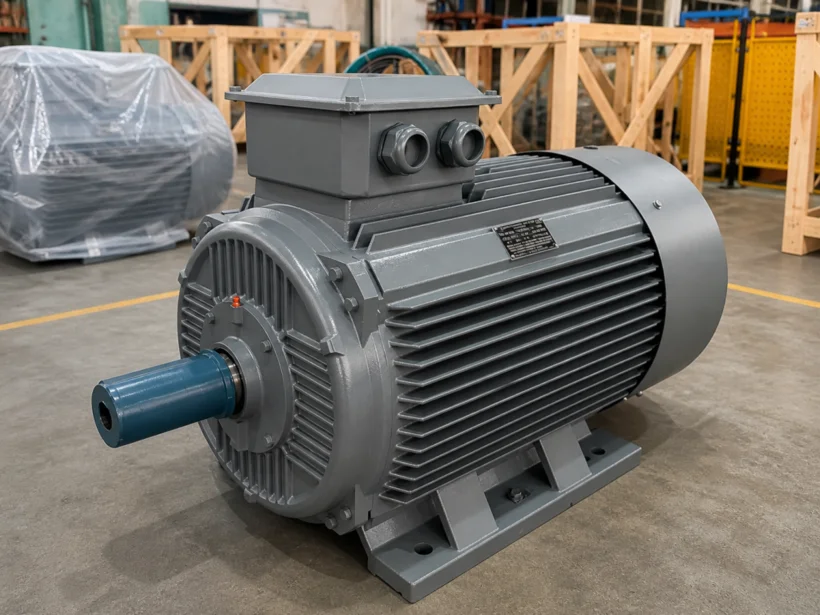
What Is an Explosion-Proof Motor?
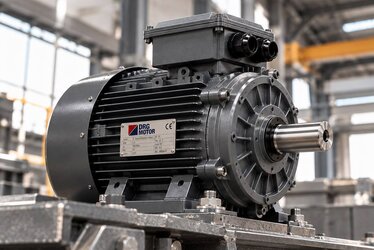
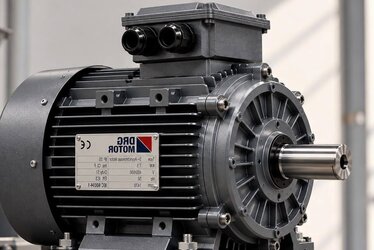
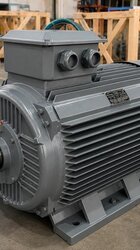
An explosion-proof motor is an electric motor specially designed to operate safely in hazardous areas. These motors are built so that any spark forming inside them cannot ignite the explosive atmosphere outside. Unlike standard motors, they have a sturdy and sealed structure. Explosion-proof motors are special products designed for safety.
These motors are of vital importance in high-risk environments. Safety is the very reason explosion-proof motors exist.
What Is a Hazardous Area?
A hazardous area is one in which there is a sufficient amount of flammable gas, vapour or dust in the air and which carries a risk of explosion if an ignition source is present. In these areas, even the smallest spark can lead to a major explosion. All electrical equipment used in these areas must therefore be specially protected. A hazardous area requires serious safety measures.
These areas are defined and classified by the relevant regulations. The right equipment is selected according to this classification.
The Danger of a Standard Motor
A standard electric motor can produce sparks during operation and its surface can heat up. In a hazardous area, this spark or hot surface can ignite the atmosphere and lead to an explosion. Using a standard motor in hazardous areas is therefore extremely dangerous. This risk reveals the necessity of explosion-proof motors.
The risk created by an ordinary motor can lead to loss of life and property. Correct motor selection is therefore vital.
How Does an Explosion-Proof Motor Protect?
The basic operating principle of explosion-proof motors is twofold: either to contain any explosion that may form inside within the motor, or to keep the motor's surface temperature below the ignition temperature of the environment. A sturdy, sealed body prevents an internal spark from escaping. In this way the external environment stays safe.
This special design lets the motor run safely in a hazardous area. Protection is integrated into the motor's structure.
Sturdy and Sealed Body
The body of explosion-proof motors is far more sturdy and sealed than that of standard motors. This body is designed to withstand the pressure of an explosion that may form inside and not let it leak out. Durable cast-iron material is generally used. A sturdy body is the foundation of explosion-proof protection.
We explain the durability of the cast-iron body in our article on the cast-iron electric motor. A sturdy body is the key to safety.
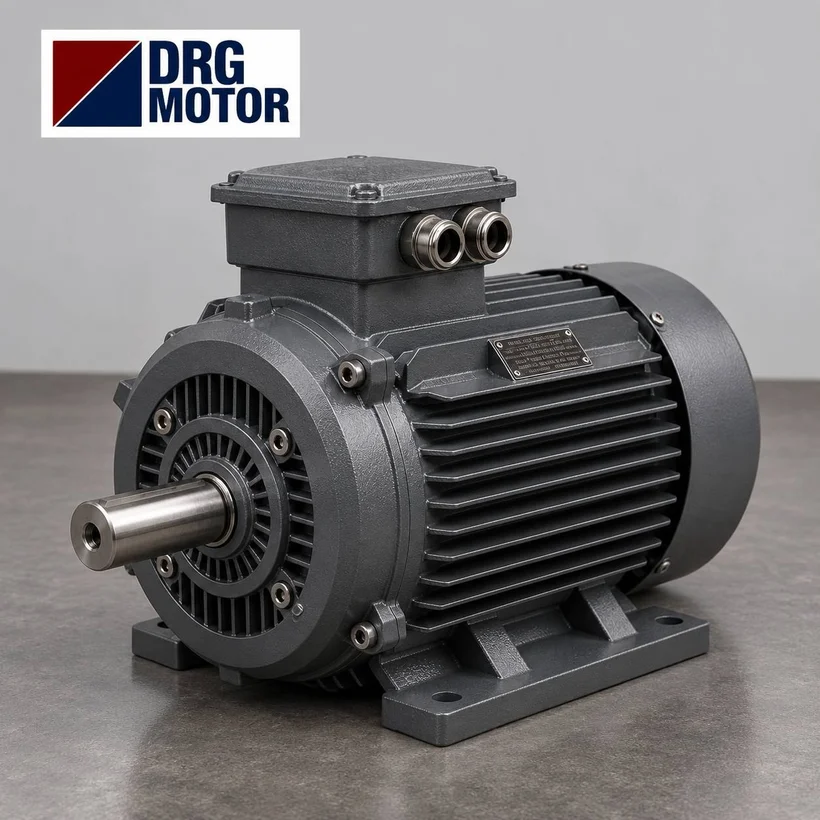
Surface Temperature Control
Explosion-proof motors are designed so that their surface temperatures do not exceed the ignition temperature of the environment. A motor that does not overheat will not ignite the atmosphere with its hot surface. Heat management is therefore critical in explosion-proof motors. Temperature control is an important part of preventing an explosion.
We cover the importance of heat control in our article on electric motor temperature control. A low surface temperature supports safety.
In Which Sectors Are They Needed?
Explosion-proof motors are needed in environments containing flammable substances such as petrochemicals, refineries, paint and chemical plants, flour and sugar mills, mine galleries and fuel facilities. In these sectors the explosion risk is high and special protection is essential. The explosion-proof motor is the safety requirement of these sectors.
Using standard motors in these environments is both legally prohibited and extremely dangerous. The right motor ensures legal and safe operation.
A Legal Obligation
It is a legal obligation that equipment used in hazardous areas complies with the relevant regulations and standards. These regulations define the use of explosion-proof motors and the necessary certificates. Legal compliance is important in terms of both safety and liability. The explosion-proof motor meets this legal obligation.
Failing to comply with the regulations creates both a safety risk and a legal liability. The use of explosion-proof motors is therefore unavoidable.
Dust Explosions
The explosion risk is not limited to gas and vapour; flammable dust suspended in the air can also lead to an explosion. This risk exists in environments such as flour, sugar and coal dust. Explosion-proof motors also provide protection against these dust explosions. A dust explosion is a serious risk that is often overlooked.
Explosion-proof motors are therefore also needed in dusty, flammable environments. The right protection covers the dust risk too.
Explosion-Proof and Protection Class
Explosion-proof motors are also combined with a high IP protection class, because these environments are often dusty and demanding. High IP protection prevents dust and moisture from entering the motor. This both protects the motor and increases safety. Explosion-proof and high IP together provide complete protection.
The right protection class ensures the motor runs safely in a demanding environment, which means a long life.
Maintenance of Explosion-Proof Motors
The maintenance of explosion-proof motors requires special attention, because preserving the protective property is essential. During maintenance, the body's tightness and solidity must not be compromised. Unauthorised or faulty maintenance can eliminate the explosion-proof property. Maintenance must therefore be carried out by experts.
We explain general maintenance principles in our article on electric motor maintenance steps. Explosion-proof maintenance requires extra attention.
Explosion-Proof Motor Selection Criteria
When selecting an explosion-proof motor, the type of explosive substance in the environment, the zone classification and the temperature class are taken into account. These criteria ensure the right explosion-proof motor is determined. A motor with the wrong classification does not provide adequate protection. The selection must therefore be made according to the environment's characteristics.
The right explosion-proof motor must fully match the environment's risk profile, which requires expert evaluation.
Power and Explosion-Proof Together
Alongside the explosion-proof property, the motor must also be of the power and speed suited to the application. Performance is as important as safety. An explosion-proof motor of the correct power runs both safely and efficiently. Power and speed must therefore also be determined correctly in explosion-proof selection.
You can find the power options in our power (kW) and speed table. The right power is important in explosion-proof motors too.
The Cost of an Explosion-Proof Motor
Explosion-proof motors are more costly than standard motors because they require special design and certification. However, this cost is small against the safety they provide. Preventing the risk of an explosion more than justifies this investment. Safety is the greatest value of an explosion-proof motor.
In hazardous areas, safety rather than cost should therefore be the priority. The right motor protects life and property.
Safety Comes First
In hazardous areas, correct motor selection is not a preference but a necessity. An explosion-proof motor provides personal safety, plant safety and legal compliance together. Standard motors must never be used in these environments. Safety always comes first.
The right explosion-proof motor protects both people and the plant, which is the most valuable investment.
An Explosion-Proof Motor From the Right Supplier
Buying an explosion-proof motor from a supplier who is expert and reliable in this area is critical. A reliable seller recommends the motor of the classification suited to your environment and provides the necessary certificates. This means safe and legal use. The right supplier is of vital importance in explosion-proof motors.
We explain the criteria for choosing the right supplier in our article on choosing an electric motor dealer. A reliable source means a safe motor.
Zone Classification
Hazardous areas are divided into zones according to the continuity of the risk they contain. In some zones the explosive atmosphere is present continuously, while in others it is present only in the event of a fault. This classification determines which type of explosion-proof motor is required. The correct zone classification is the foundation of the right motor selection.
Each zone requires a different level of protection. The zone class of the environment must therefore be determined correctly.
Temperature Class
Explosion-proof motors are divided into temperature classes according to their surface temperatures. This class shows the maximum temperature the motor's surface can reach. The ignition temperature of the explosive substance in the environment determines the required temperature class. The correct temperature class is an important part of safety.
The motor's temperature class must be below the ignition temperature of the environment. This ensures safe operation.
Gas and Dust Groups
Explosive substances are classified into gas and dust groups. Each group has a different explosion characteristic. The explosion-proof motor must be chosen to suit the group of the substance in the environment. This classification ensures the motor fully matches the environment.
A motor of the wrong group may not provide adequate protection. Group compatibility is therefore critical.
The Importance of Certificates
Explosion-proof motors come with certificates demonstrating their conformity. These certificates document that the motor has been tested to certain standards and is suitable for a hazardous area. An uncertified motor is unacceptable in terms of safety. Certificates are the assurance of an explosion-proof motor.
Checking certificates is an inseparable part of the right motor selection, which ensures legal and safe use.
The Difference Between Explosion-Proof and Standard Motors
Explosion-proof motors differ from standard motors in both structure and price. A more sturdy body, sealing and certificates make them special. A standard motor can under no circumstances take the place of an explosion-proof motor. This difference is of vital importance in hazardous areas.
Ignoring this difference in a hazardous area means serious risk. The right motor is chosen with awareness of this difference.
Installation of Explosion-Proof Motors
The installation of an explosion-proof motor must be carried out without compromising the protective property. Wrong installation or an unsuitable connection can render the explosion-proof property ineffective. Installation must therefore be carried out by experts and in line with instructions. Correct installation ensures the protection continues.
An error made during installation puts the entire safety system at risk. Installation must therefore be carried out meticulously.
The Need for Regular Inspection
Explosion-proof motors used in hazardous areas must be inspected regularly. These inspections confirm that the protective property is preserved and that the motor runs safely. A lack of inspection can create hidden risks over time. Regular checking ensures the continuity of safety.
Inspection is the foundation of maintaining an explosion-proof motor's safety performance, which means uninterrupted protection.
Explosion-Proof Motors and Efficiency
Explosion-proof motors can also be produced in a high efficiency class; safety and efficiency can be provided together. In continuously running hazardous-area applications, an efficient explosion-proof motor also provides energy savings. The efficiency class is therefore also taken into account when selecting explosion-proof. Safety and efficiency are evaluated together.
We discuss the importance of efficiency classes in our article on high-efficiency electric motors. An efficient explosion-proof motor is both safe and economical.
Explosion-Proof in Mine Galleries
Mine galleries carry a high explosion risk because of methane gas and coal dust. In these environments, the use of explosion-proof motors is a vital safety measure. These demanding conditions in mining require both explosion-proof protection and high durability. The right motor is the foundation of safety in the mine.
For heavy and risky environments, you can look at our article on motor challenges in heavy industry. The mine is one of the most demanding environments.
Fuel and Chemical Plants
Fuel stations, storage facilities and chemical factories carry an explosion risk because of flammable vapour. In these facilities, pumps and other equipment must run with explosion-proof motors. This protection is required wherever flammable liquids and vapours are present. The explosion-proof motor is the safety standard of these facilities.
In these applications, a standard motor creates an unacceptable risk. The right motor ensures the safety of the facility.
Explosion-Proof Motors and Continuous Operation
Most hazardous-area applications require continuous operation. Explosion-proof motors must therefore be both safe and durable for continuous duty. A durable structure and good cooling support this continuity. An explosion-proof motor must offer both safety and continuity.
Continuous, safe operation is the basic expectation of an explosion-proof motor. The right motor meets this expectation.
The Role of Risk Assessment
The right explosion-proof motor selection begins with a comprehensive risk assessment of the environment. This assessment determines the explosive substance type, the zone and the temperature class. A selection made without a risk assessment carries the risk of inadequate protection. Correct assessment is the foundation of the right motor.
A comprehensive risk analysis guides both motor selection and overall safety, which means an informed decision.
Part of a Safety Culture
The use of explosion-proof motors is an important indicator of a business's safety culture. Plants that value safety choose the right equipment and inspect it regularly. This culture protects both employees and the plant. The explosion-proof motor is a concrete reflection of this culture.
A safety-first approach begins with the right motor selection, which means a sustainable business.
The Vital Importance of the Right Motor
In hazardous areas, correct motor selection is directly related to the safety of life and property. The consequences of an explosion can be irreversible; the risk must therefore never be taken. The explosion-proof motor is a critical measure that eliminates this risk. The right motor saves lives.
In hazardous areas, the explosion-proof motor is therefore an indisputable necessity. Safety comes before everything.
Expert Support for the Right Explosion-Proof Choice
Explosion-proof motor selection requires expertise and correct information. Consulting an expert to determine the motor suited to your environment's risk profile is the safest path. The right support ensures both safety and legal compliance. Expert evaluation is the key to the right choice.
At DRG Motor, we offer technical support in your applications that require safety. The right choice is the foundation of a safe working environment.
DRG Motor for Safe Solutions
At DRG Motor, we offer safe and durable motor solutions suited to the different needs of industry, including hazardous areas. Our aim is to ensure safe and efficient operation even in the riskiest environments. We support you in determining the right motor suited to your environment's risk profile.
To select the most suitable motor for your hazardous-area application and to receive technical support, you can contact DRG Motor and explore our range on the products page, or visit our home page. In environments that require safety, correct motor selection is of vital importance.