 English
 Le français
 Türkçe
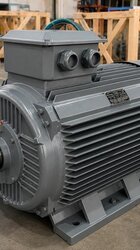
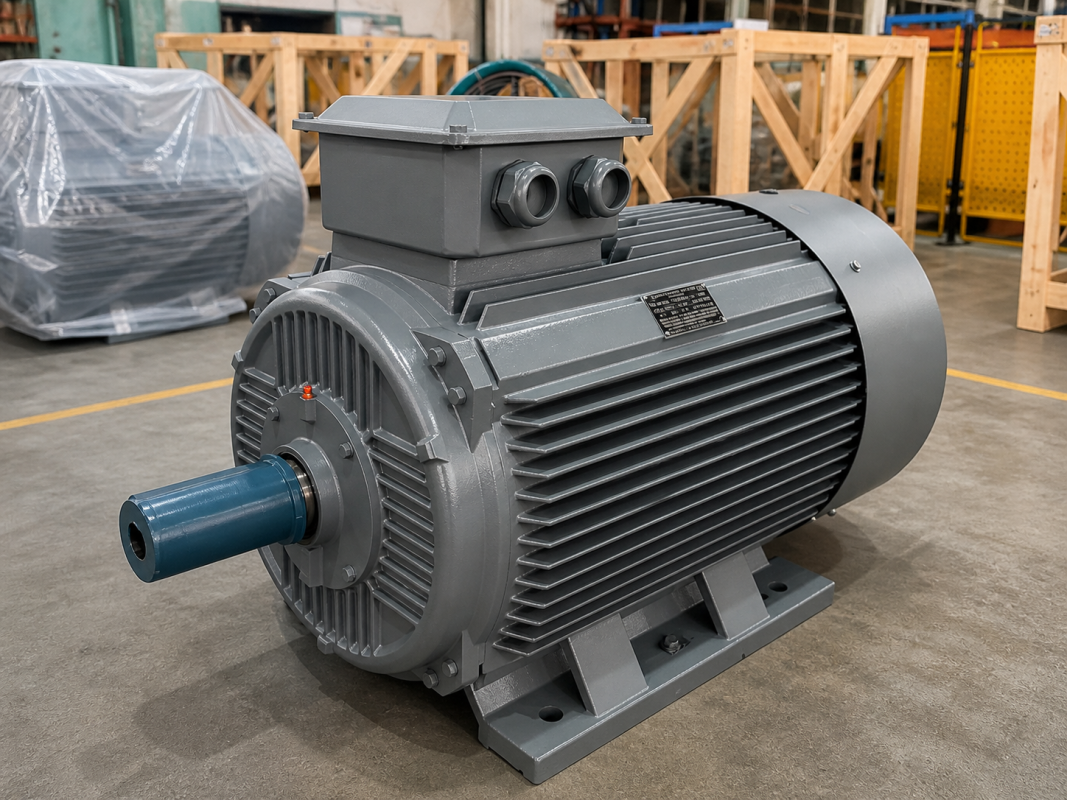

Cranes and lifting systems are machines that raise and move heavy loads safely. They are used in a vast range of settings, from factories to ports and from construction sites to warehouses. At the heart of these systems is the electric motor that lifts and moves the load. Because a crane motor raises heavy loads against gravity, it requires high torque and special safety features. So how is an electric motor selected for cranes and lifting systems?
At DRG Motor, this article examines the torque, safety and durability criteria that govern motor selection in crane and lifting applications. You can also find the concept of high torque in our article on stone crushing plant motors.
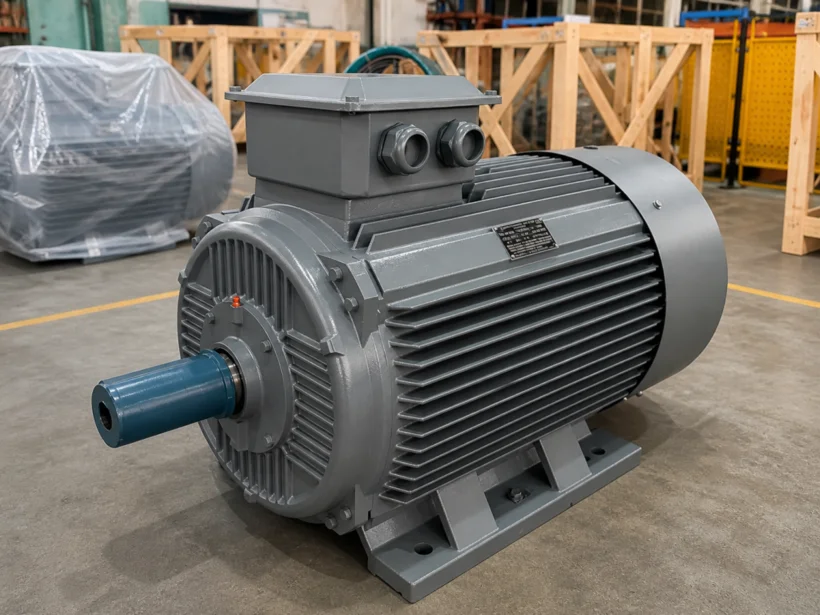
The Job of a Crane Motor
The crane motor is the power source that raises and lowers heavy loads against gravity. This task requires a continuous, controlled force. The motor must be powerful enough to lift the load safely and hold it at the desired point. A crane motor means both power and safety.
An underpowered crane motor creates both lost loads and serious safety risk. For this reason, the right choice is vital.
High Starting Torque
Crane motors require high starting torque to set a heavy load in motion from rest. As the load is lifted, the motor must overcome both the weight of the load and its inertia. Insufficient starting torque means the load cannot be raised. High torque is the basic need of a crane motor.
The right starting torque ensures the load is raised safely and without strain. That means safe operation.
Holding the Load Safely
A crane motor does not merely lift the load; it must hold it safely in the air when required. For this reason, brake mechanisms are critically important in crane systems. Brake motors hold the load even when power is cut, preventing it from falling. Safe holding is the indispensable feature of a crane system.
Brake motors are a core component of crane safety. That protects both the load and the personnel.
The Importance of Brake Motors
In crane and lifting systems, motors with an integrated brake are widely used. The brake holds the load instantly when the motor stops and prevents it from slipping. This is a vital safety measure, especially during power outages. A brake motor is the standard for crane applications.
The reliable operation of the brake is at the heart of crane safety. For this reason, brake quality matters.
Correct Power Selection
The power of a crane motor is determined by the maximum load to be lifted and the lifting speed. Insufficient power means the load cannot be raised; excessive power means unnecessary cost. The right power ensures the load is lifted safely and efficiently. That means a safe crane.
You can find the power options in our power (kW) and speed table. The right power is the foundation of crane safety.
Speed and the Gearbox
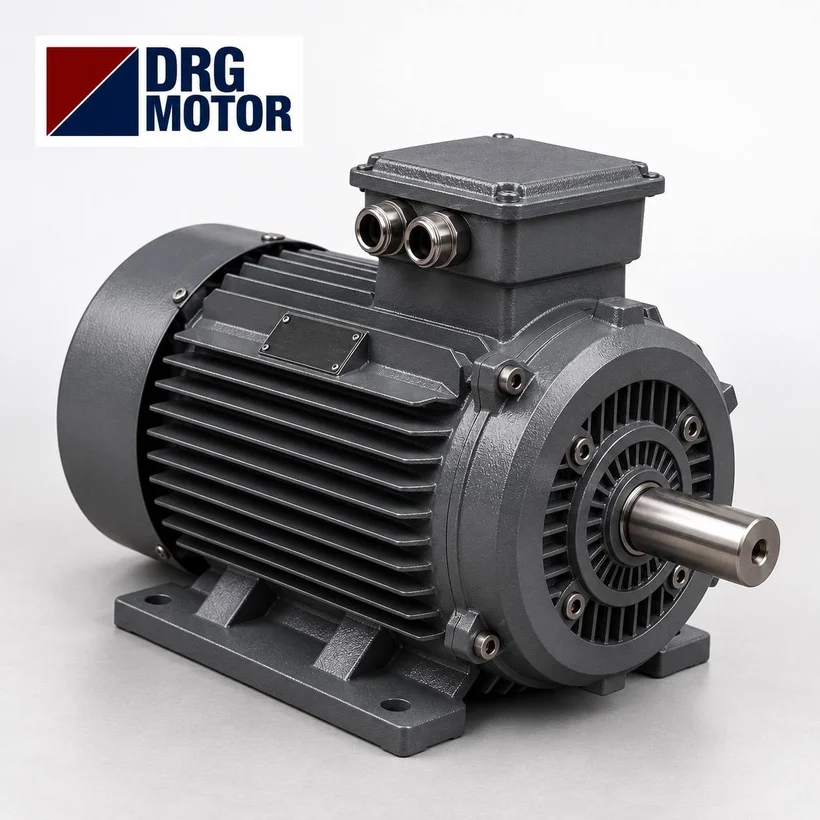
In cranes, a gearbox is usually used to lift the load slowly and in a controlled manner. The gearbox lowers the motor's speed to increase torque and ensures the load is lifted safely. The right gear ratio determines the lifting speed and power. This combination is the foundation of crane performance.
We explain motor-gearbox matching in our article on motor gearbox compatibility. Correct matching is critical in a crane.
Frequent Switching
Crane motors switch on and off frequently during lifting and lowering operations. This frequent operation stresses the motor and heats it up. For this reason, crane motors must be able to withstand frequent switching. A durable motor runs reliably under intensive crane use.
Frequent starting tests the motor's resistance to heating. For this reason, durability matters in a crane motor.
Duty Cycle
Crane applications have an intermittent rather than a continuous duty cycle. The motor must be selected to suit this intermittent, frequently switching operation. A motor with the wrong duty cycle is overstressed in crane use. The right duty ensures the crane motor matches the application.
The duty cycle is stated on the motor's nameplate. We cover this information in our article on nameplate details.
The Use of Slip-Ring Motors
In some heavy crane applications, slip-ring (wound-rotor) motors are preferred for high starting torque and speed control. These motors allow heavy loads to be lifted smoothly and in a controlled manner. The right motor type is selected according to the crane type. That means safe lifting.
The motor type is determined according to the crane's load and use. The right type affects crane performance.
Speed Control
In cranes, speed control is important for precise positioning of the load. A frequency inverter makes it possible to adjust the lifting and lowering speed precisely. This is valuable for both safety and precision. Speed control is an important feature of modern cranes.
We explain the benefits of the inverter in our article on frequency inverters and energy saving. Speed control improves safety in a crane.
Click to see current electric motor prices and order nowSEE PRICES →
Soft Starting and Stopping
In cranes, sudden starting and stopping cause the load to swing and create mechanical stress. Soft starting makes lifting and lowering gradual and prevents these problems. That improves both safety and comfort. Smooth control is valuable in a crane.
We explain soft starting in our article on soft starting. A soft start protects the load and the system.
Durable Housing
Because crane motors operate in demanding conditions and under heavy load, they need a sturdy housing. A cast-iron housing protects the motor from impact, vibration and harsh conditions. That ensures the crane motor has a long life. A solid housing is part of crane safety.
We explain the advantages of a cast-iron housing in our article on the cast-iron electric motor. A solid housing means durability in a crane.
Protection Class
Cranes may operate outdoors or in dusty environments. For this reason, crane motors must have a high IP protection class suited to the environment. The right protection shields the motor from dust, moisture and water spray. That ensures long service life.
We explain protection-class selection in our article on IP protection class selection. The right protection matters in a crane.
Safety First
In crane and lifting systems, safety comes before everything else. The failure of a crane motor can cause a heavy load to fall and lead to serious accidents. For this reason, crane motors must be reliable, fitted with a brake and correctly selected. Safety is at the centre of crane motor selection.
A correct, reliable motor protects both the load and the personnel. That is the most valuable priority.
Catching Faults Early
Crane motors and their brakes must undergo regular maintenance and inspection. The reliable operation of the brake in particular requires regular checking. A lack of maintenance creates a safety risk. For this reason, maintenance is critical in crane systems.
We describe the fundamentals in our article on electric motor maintenance steps. Regular maintenance ensures crane safety.
Overhead and Travelling Cranes
Overhead and travelling cranes, common in factories, use motors for both lifting and horizontal movement. A motor of appropriate power and characteristics is selected for each movement. The coordinated operation of these motors ensures the crane moves safely and efficiently. The right choice determines crane performance.
In overhead cranes, several motors run in synchrony. That requires correct matching.
Energy Efficiency
Because cranes operate frequently, motor efficiency affects energy costs. High-efficiency motors deliver energy savings in crane applications. An efficient motor both lowers costs and heats up less. That means longer service life.
We cover the efficiency classes in our article on high-efficiency electric motors. Efficiency is valuable in a crane too.
A Crane Motor from the Right Supplier
It is important to obtain a crane motor from a reliable supplier who understands the safety requirements. A trustworthy supplier recommends a powerful, brake-equipped motor suited to your application. That ensures both a safe and an efficient crane system. The right supplier is of vital importance in a crane.
We explain choosing the right supplier in our article on choosing an electric motor dealer. A reliable source means a safe crane.
Lifting Capacity and the Motor
A crane's lifting capacity directly determines the motor's power. Different capacities, from a few hundred kilograms to tens of tonnes, require motors of different power. A motor suited to the correct capacity lifts the load safely. For this reason, capacity is the starting point of motor selection.
A motor selected below the capacity means both safety risk and strain. The right power meets the capacity.
Control During Lowering
A crane motor must provide control during lifting and during lowering. An uncontrolled, fast descent of the load creates serious danger. The brake and speed control make lowering safe and gradual. That means a controlled lifting system.
Control during lowering is an important part of crane safety. The right system provides this control.
Brake Type Selection
Electromagnetic brakes are widely used in crane motors; they engage automatically when power is cut and hold the load. The correct brake type and capacity must be selected to suit the load being lifted. A reliable brake is the foundation of crane safety. For this reason, brake selection is critical.
Sizing the brake to suit the load ensures safe holding. That prevents accidents.
Overload Protection
In cranes, lifting a load above the capacity both stresses the motor and creates danger. Overload protection detects this situation and stops the crane. This protection safeguards both the motor and safety. Overload protection is mandatory in a crane.
We explain overload protection in our article on overload protection. Protection ensures safety in a crane.
Cranes in Ports and on Construction Sites
Ports and construction sites are where cranes operate under the harshest conditions. Open air, moisture, salty air and dust are demanding conditions for a motor. High protection and durability are essential in these applications. The right motor runs safely under these harsh conditions.
We explain demanding conditions in our article on motor challenges in heavy industry. A durable motor is reliable on site.
Heating and Cooling
Frequently switching crane motors heat up because of their starting currents. Adequate cooling and a correct duty cycle keep this heating under control. Overheating affects both performance and safety. For this reason, heat management matters.
We explain heat control in our article on electric motor temperature control. A cool motor means a safe crane.
Travel Motors
In overhead and travelling cranes, alongside the hoist motor there are motors that provide horizontal movement. These motors ensure the precise movement of the crane and the trolley. A soft start prevents the load from swinging during these movements. The right motor delivers balanced movement.
Travel motors must also be selected to suit the application. That determines the holistic performance of the crane.
Positioning Precision
Some crane applications require very precise positioning of the load. A frequency inverter and precise control provide this precision. Precise positioning is valuable for both safety and efficiency. That is a feature of modern cranes.
Precise control allows the load to be placed exactly at the desired point, which improves the quality of the work.
Vibration and Swing Control
In cranes, swinging of the load creates both danger and a precision problem. Soft starting and stopping reduce this swing. Balanced, controlled movement ensures the load is carried safely. That contributes to crane safety.
Swing control protects the safety of the load and the surroundings. The right control minimizes this problem.
Compliance with Standards
Crane and lifting systems are subject to strict safety standards. The motors used in these systems must also comply with those standards. Compliance with standards matters for both legal and safety reasons. The right motor ensures that compliance.
Standards compliance documents the reliability of the crane system. That means responsible use.
Spare Motor and Continuity
In critical crane applications, a motor failure can halt production. For this reason, keeping a spare motor safeguards continuity. A standard-size motor allows quick replacement. That prevents unplanned stoppages.
Keeping spares supports the uninterrupted operation of the crane system. That matters for the business.
Total Cost and Safety
In crane motor selection, a cheap but unreliable motor carries great risks. A quality, brake-equipped, correctly selected motor, although somewhat more expensive at the outset, ensures safety and continuity. In a crane, safety comes before cost. The right motor is both safe and economical.
For safety reasons, quality must not be compromised in a crane motor. That means an informed choice.
The Right Power and Speed Balance
In a crane motor, the right power and speed ensure the load is lifted both safely and at a suitable speed. Too high a speed means uncontrolled lifting, too low a speed means slow lifting. The right balance is struck together with the gearbox. That ensures an efficient crane.
You can find the power and speed options in our power (kW) and speed table. The right balance means safe lifting.
A Safe Choice with Expert Support
Crane motor selection requires the joint evaluation of safety and technical requirements. Consulting an expert allows you to identify the most suitable and safest motor for your application. The right support safeguards both safety and efficiency. An expert assessment is critical in a crane.
At DRG Motor, we provide technical support in motor selection for your crane and lifting systems. The right choice ensures safe lifting.
Worker Safety
In crane systems, the most important priority is the safety of the workers. A reliable, brake-equipped, correctly selected motor protects workers by preventing the uncontrolled fall of the load. For this reason, a crane motor is not a cost item but a safety investment. The right motor saves lives.
Worker safety must be at the centre of crane motor selection. That means a responsible approach.
DRG Motor for Cranes and Lifting Systems
At DRG Motor, we offer high-torque, durable and safe motor solutions for cranes and lifting systems. Our aim is to ensure heavy loads are lifted safely and efficiently. By assessing your load, speed and safety requirements, we recommend the most suitable motor.
To choose the most suitable motor for your crane and lifting system and receive technical support, you can contact DRG Motor and review our range on our products page, or explore our other guides from our homepage. The right crane motor safeguards the safety of both your load and your workers.
DRG Electric Motors Suited to This Topic
The models below are available in the DRG Motor online shop. Click a model code to see its technical data, dimensions and current price, and order right away.
- DRG-100L1-4 – 2.2 kW – 1450 rpm – aluminium frame
- DRG-112M-4 – 4 kW – 1450 rpm – aluminium frame
- DRG-132M-4 – 7.5 kW – 1460 rpm – cast iron frame
- DRG-160M-4 – 11 kW – 1465 rpm – cast iron frame
Click to see current prices of all electric motors and order nowSEE PRICES →