 English
 Le français
 Türkçe

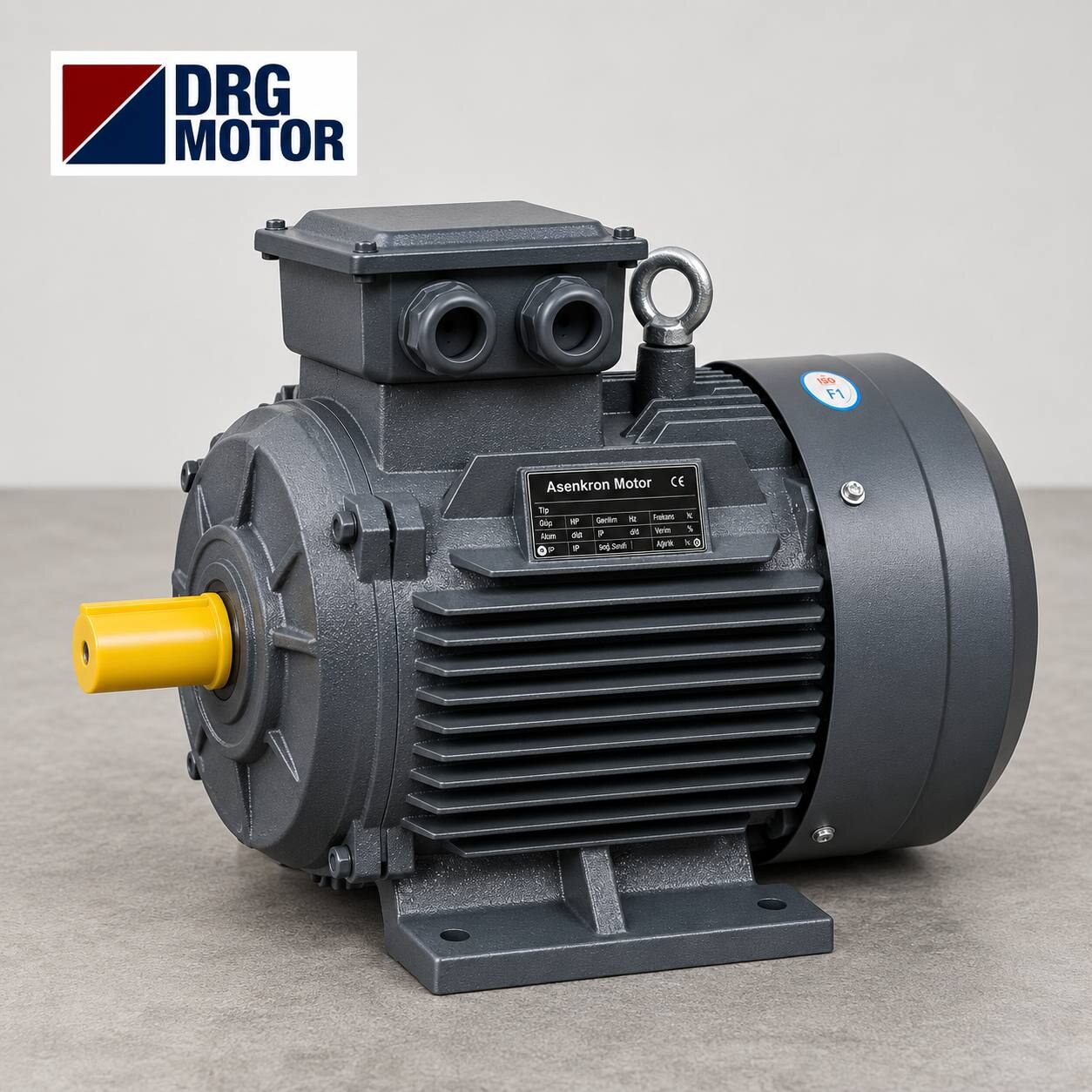

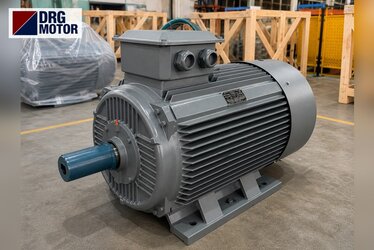
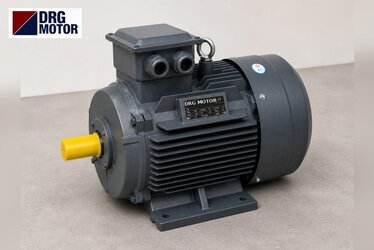
In many industrial applications, an electric motor does not work on its own but together with a gearbox. A gearbox is a gear system that lowers the motor's speed to increase torque and transfers the motion to the equipment. Selecting the motor and the gearbox so that they match each other, however, directly determines the performance and service life of the system. A mismatched motor-gearbox set leads to energy loss, premature failure and inefficiency. So why is compatibility between the motor and the gearbox so important?
At DRG Motor, this article examines the importance of motor-gearbox compatibility and the criteria for correct matching. You can find the concepts of torque and speed in our article on pole count and speed.
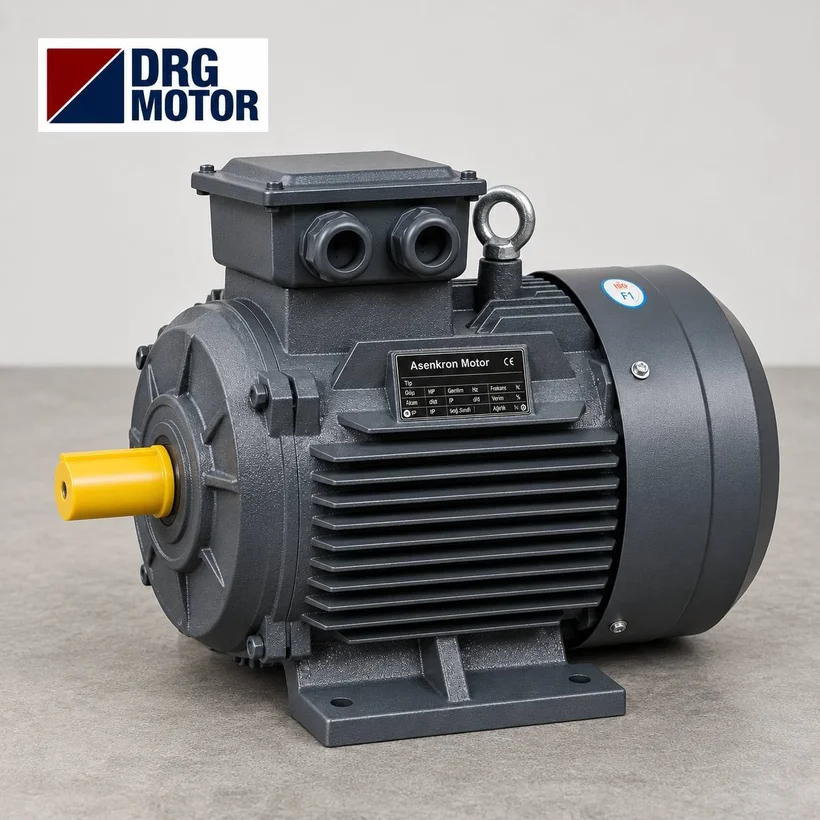
What Does a Gearbox Do?
A gearbox is a gear case that lowers the motor's high speed in order to obtain higher torque. A motor turns fast but does not always produce enough torque; the gearbox reduces this speed and raises torque. In this way, heavy loads can be turned slowly but powerfully. The gearbox adapts the motor's power to the application.
Thanks to this, the same motor can be used at different speeds and torques simply by changing the gear ratio. The gearbox provides flexibility and power.
Why Does Compatibility Matter?
The motor and the gearbox work together as a single system. If one is not selected to suit the other, the system is either inadequate or overstressed. A mismatched pairing leads to energy loss, overheating and mechanical failures. Compatibility is therefore the foundation of healthy operation.
Correct matching protects both the motor and the gearbox and ensures a long-lived system. That means efficient operation.
Determining the Torque Requirement
The first step in correct matching is to calculate the torque the application requires accurately. The torque at the gearbox output is determined by the motor's torque and the gear ratio. Insufficient torque means the system cannot turn the load. Torque calculation is therefore the foundation of matching.
A selection made without correctly calculating the torque requirement is flawed from the start. The right calculation is the beginning of the right system.
Speed and Gear Ratio
The gear ratio determines how much the gearbox lowers the motor's speed. The output speed the application requires determines the gear ratio needed. A higher ratio means lower speed and higher torque. The right ratio lets the equipment run at the desired speed.
Speed and ratio are determined together according to the application's speed requirement. That is part of correct matching.
Power Compatibility
The motor's power must be compatible with the power the gearbox can carry. A motor that is too powerful overstresses a small gearbox and damages the gears; a weak motor cannot fully drive the gearbox. The right power match ensures both components operate safely. Power compatibility is the foundation of a balanced system.
You can find the power options in our power (kW) and speed table. The right power means a compatible system.
Service Factor
In gearbox selection, the service factor is a coefficient reflecting the severity of the system's operating conditions. Applications that start frequently, are subject to shock loads or carry heavy loads require a higher service factor. This factor ensures the gearbox can withstand the demands of the application. The right service factor is the guarantee of long service life.
Ignoring the service factor leads to premature gearbox failure. For this reason, the operating conditions must be assessed correctly.
Mounting Position
The mounting position of the motor-gearbox set matters for lubrication and performance. Horizontal, vertical or angled mounting affects the gearbox's lubrication system. The correct mounting position ensures the gears and bearings are adequately lubricated. That supports the healthy operation of the system.
The wrong mounting position leads to insufficient lubrication and wear. For this reason, the mounting must be planned correctly.
Shaft Alignment
The shaft alignment between the motor and the gearbox is critical for vibration-free, efficient operation. Faulty alignment leads to vibration, noise and bearing wear. Correct alignment ensures power is transmitted without loss. For this reason, alignment must be carried out carefully during installation.
We explain the effect of alignment on bearings in our article on extending bearing life. Correct alignment protects the system.
Efficiency and Energy Loss
Every gearbox causes some energy loss due to gear friction. A quality, correctly matched gearbox minimizes this loss. A mismatched pairing, by contrast, means unnecessary energy loss. For this reason, efficiency must be taken into account in the matching.
An efficient motor-gearbox set lowers energy costs. We cover the efficiency classes in our article on high-efficiency electric motors.
Selecting the Motor Type
The type of motor to be connected to the gearbox must be selected to suit the mounting and the application. Flange-mounted (B5) or combined (B35) mounting types provide a direct, aligned connection to the gearbox. The right motor type means trouble-free compatibility with the gearbox. For this reason, the mounting type is important.
We explain the mounting types in our article on mounting type selection. The right mounting type ensures gearbox compatibility.
Communicating the Operating Conditions
Extremely hot, cold, damp or abrasive environments affect motor-gearbox selection. These special conditions must be taken into account during selection and appropriate measures taken. Communicating the operating conditions correctly ensures a suitable system is chosen. That means long service life.
Special conditions determine the protection of both the motor and the gearbox. The right assessment protects the system.
The Importance of the Load Profile
The load profile of the system may be constant, variable or shock-type. This profile determines the stress the motor and gearbox must withstand. Shock loads require a more sturdy pairing. Analysing the load profile correctly is the foundation of the right choice.
A correctly analysed load profile shows when the system will be stressed. That ensures a compatible selection.
Starting Characteristic
The torque of the system at the moment of starting is important in motor-gearbox matching. Systems that engage under heavy load require high starting torque. A soft starter reduces start-up stress and protects the system. The right start management completes the matching.
We explain the benefits of soft starting in our article on soft starting. Start control protects the system.
Cooling and Heating
When a motor-gearbox set operates, both the motor and the gearbox heat up. Adequate cooling and correct lubrication keep this heating under control. Overheating wears out both the motor and the gears. For this reason, heat management matters for the health of the system.
We explain heat control in our article on electric motor temperature control. Good cooling protects the system.
Keeping the Motor Running
A motor-gearbox set requires maintenance of both the motor and the gearbox. Checking and changing the gearbox oil, along with the motor's bearing and cleaning maintenance, must be carried out together. Regular maintenance ensures the system has a long life. That means uninterrupted operation.
We describe the fundamentals in our article on electric motor maintenance steps. Regular maintenance protects the system.
The Consequences of a Wrong Match
A mismatched motor-gearbox pairing means overheating, high energy consumption, vibration and premature failure. These problems create both cost and lost production. For this reason, the matching must be done correctly from the start. Correct matching prevents these problems.
A wrong match often requires replacing the entire set. That means unnecessary cost.
The Benefits of Correct Matching
A correctly matched motor-gearbox set delivers low energy consumption, little heating, long life and stable performance. These benefits ensure the system runs efficiently and reliably. Correct matching pays off in both cost and continuity. That is the result of an informed choice.
A compatible system serves trouble-free for years. That is a direct gain for the business.
Correct Matching with Expert Support
Motor-gearbox matching is a technical task that requires the joint evaluation of many parameters. Consulting an expert allows you to identify the most suitable match for your application. The right support safeguards both performance and long service life. An expert assessment is the key to the right system.
At DRG Motor, we provide technical support in motor-gearbox matching. The right match ensures an efficient, long-lived system.
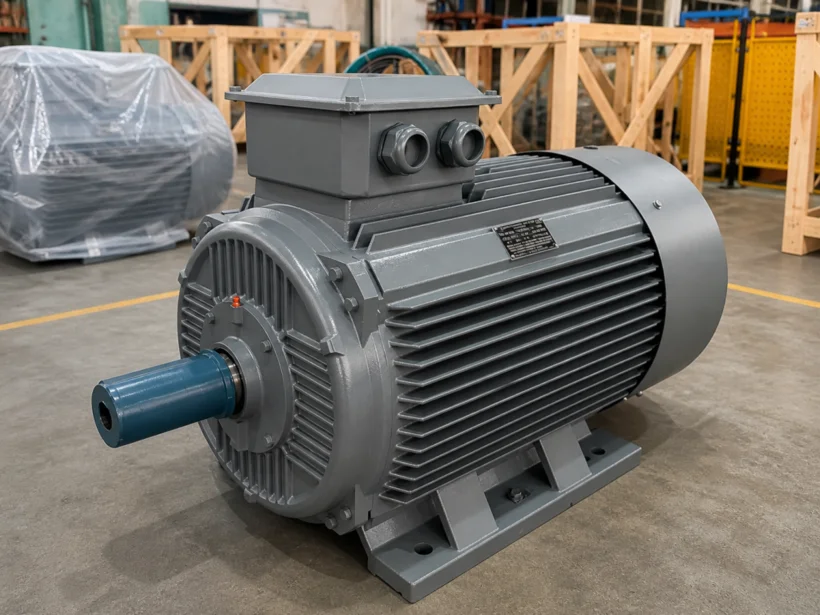
Gearbox Types and the Motor
There are different gearbox types such as helical, worm, planetary and bevel. Each type has different efficiency and torque characteristics and requires a different motor match. The right gearbox type must be selected to suit both the application and the motor. That determines the efficiency of the system.
The gearbox type affects both efficiency and the form of mounting. The right type is part of a compatible system.
Determining the Gear Ratio
The gear ratio is the ratio between the input and output speed of the gearbox and determines the desired output speed. The correct gear ratio lowers the motor's speed to the speed the application requires. The wrong ratio means either too fast or too slow an output. For this reason, the ratio must be selected carefully.
The right gear ratio meets both the speed and the torque requirement, ensuring a perfect match with the application.
Output Shaft and Connection
The output shaft of the gearbox must suit the equipment to be driven. The shaft diameter, connection type and direction must be selected to match the equipment. The right output connection ensures power is transmitted to the equipment smoothly. That supports the efficient operation of the system.
A mismatched output connection requires an extra adapter or modification. The right choice prevents this problem.
Vibration and Noise
A well-matched and aligned motor-gearbox set runs quietly and free of vibration. A mismatched or misaligned system, by contrast, produces noise and vibration. That creates problems for both comfort and service life. Correct matching ensures quiet operation.
We explain noise reduction in our article on reducing noise and vibration. A compatible system runs quietly.
The Importance of the Lubrication System
The gears and bearings of the gearbox are protected by correct lubrication. The oil type, quantity and change interval are critical for the gearbox's life. Insufficient or wrong lubrication leads to rapid gear wear. Correct lubrication ensures the gearbox lasts a long time.
Oil checks are an important part of motor-gearbox maintenance. That protects the health of the system.
Overload Protection
A motor-gearbox set must also be protected against overload. A sudden or excessive load stresses both the motor and the gears and can cause damage. Thermal protection and correct power selection reduce this risk. Overload protection keeps the system safe.
We explain overload protection in our article on overload protection. Protection safeguards the system.
Flexibility with a Frequency Inverter
A frequency inverter makes it possible to adjust the speed of the motor-gearbox set to suit the need. This offers flexibility beyond the fixed gear ratio and saves energy. The inverter allows the system to adapt to changing requirements. That is a modern solution.
We explain the benefits of the inverter in our article on frequency inverters and energy saving. The inverter adds flexibility.
Motor-Gearbox in Conveyors
Conveyor systems are among the most common applications for a motor-gearbox set. The gearbox lets the belt move slowly and powerfully. Correct matching ensures the belt carries the load smoothly. That means uninterrupted production.
We cover conveyor motor selection in our article on conveyor and belt motor selection. The gearbox is the power of the conveyor.
Motor-Gearbox in Heavy Industry
In heavy applications such as crushers, mills and mixers, a motor-gearbox set requires high torque and durability. In these applications, a sturdy, correctly matched system is essential. Demanding conditions call for a quality match. That ensures long service life.
We explain the challenges of heavy industry in our article on motor challenges in heavy industry. A sturdy match matters in heavy industry.
Size and Weight
The size and weight of the motor-gearbox set matter for the mounting space and handling. A compact set offers an advantage in limited spaces. Size affects both installation and maintenance access. The right size must be selected to suit the installation.
In limited spaces, compact solutions are preferred. The right size delivers both functionality and compatibility.
A Total-Cost Perspective
The cost of a motor-gearbox set is the sum of purchase, energy and maintenance expenses. A correctly matched, efficient system is the most economical in the long run. A cheap but mismatched system proves costly through frequent failures and high energy consumption. For this reason, a total-cost perspective matters.
The right system delivers low costs throughout its life. That means an informed investment.
Factors That Affect System Life
The life of a motor-gearbox set depends on correct matching, quality components, regular maintenance and suitable operating conditions. Together, these factors ensure the system runs trouble-free for a long time. Neglecting any one of them shortens the life. For this reason, all the factors must be observed.
A holistic approach ensures the maximum life of the system. That is a long-term gain.
Spare Parts and Service
In a motor-gearbox set, access to spare parts and service is important. Using standard components allows quick intervention in the event of a failure. That supports production continuity. The right supplier provides both the product and the service.
We explain choosing the right supplier in our article on choosing an electric motor dealer. A reliable source means continuous service.
A Contribution to Energy Efficiency
A correctly matched, efficient motor-gearbox set minimizes energy consumption. In continuously running systems, these savings accumulate into a significant sum over the year. An efficient system delivers both cost and environmental benefit. That is a sustainable solution.
Efficient matching lowers the energy bill, delivering a direct gain to the business.
Correct System Design
The best result is achieved when the motor, gearbox and connected equipment are selected through a holistic design. Looking at the entire system, not a single component, ensures a compatible, efficient solution. This approach maximizes the system's performance and life. The right design is the foundation of a successful system.
System-wide compatibility delivers the highest efficiency. That means a comprehensive engineering approach.
DRG Motor for Compatible Drive Solutions
At DRG Motor, we offer motors in the correct power, speed and mounting type to match your gearbox. Our aim is to ensure your motor-gearbox set runs efficiently, in balance and for a long time. By assessing your torque, speed and operating conditions, we recommend the most suitable solution.
To choose a motor compatible with your gearbox and receive technical support, you can contact DRG Motor and review our range on our products page, or explore our other guides from our homepage. The right motor-gearbox compatibility is the strong, efficient heart of your system.