 English
 Le français
 Türkçe

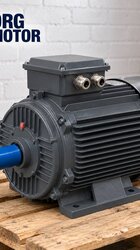
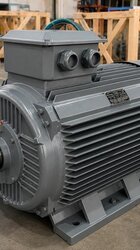
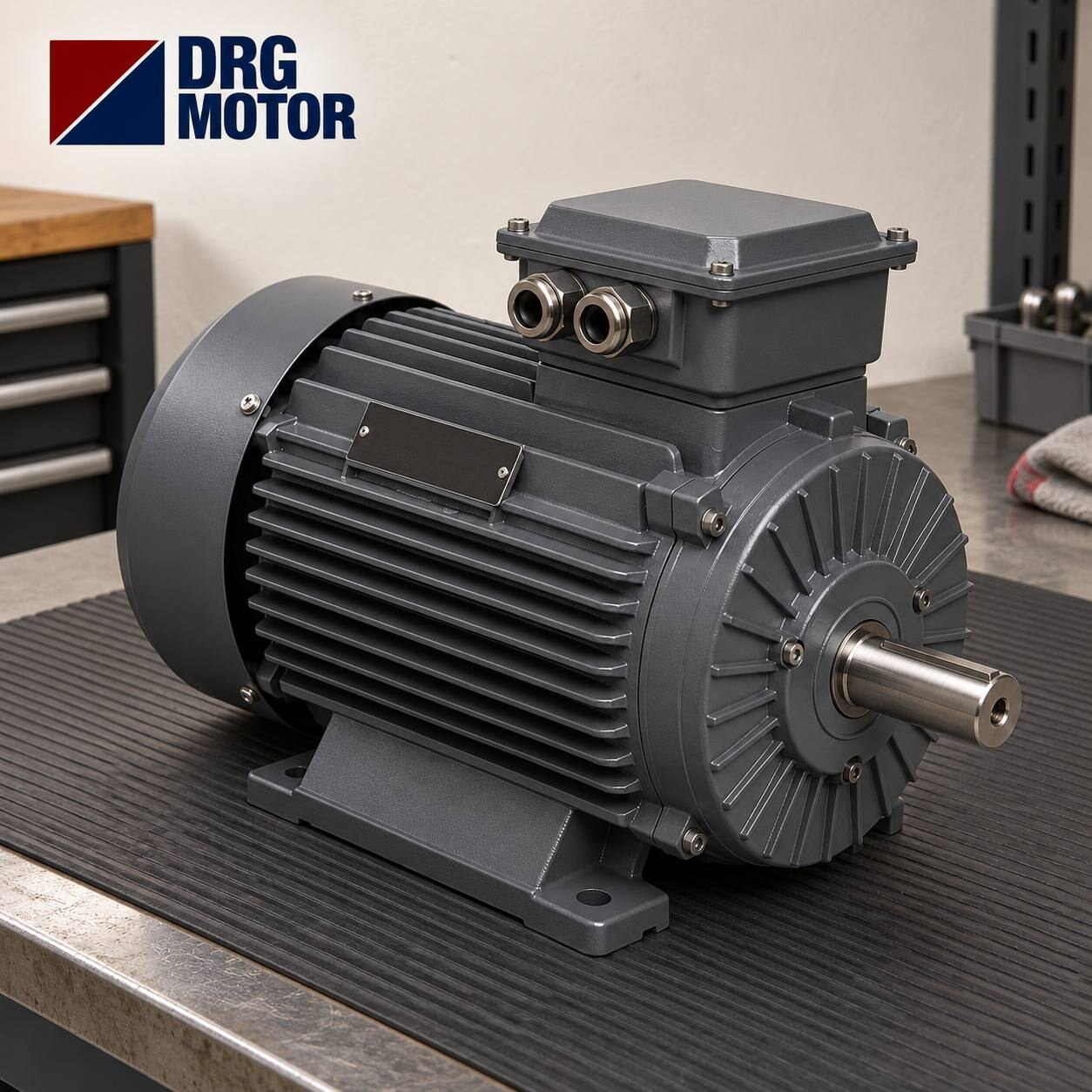

There is more than one way to connect an electric motor to the equipment it drives, and this is called the mounting type. Foot, flange or combined mounting options determine how the motor will be fixed and how it will connect to the equipment. Choosing the right mounting type prevents alignment errors, reduces vibration and ensures long-lived operation. So how do you choose the right mounting type for an electric motor, and which type suits which application?
At DRG Motor, in this article we examine motor mounting types and the criteria for correct selection. To refresh the basic features of a motor, you can look at our article on what an electric motor is.
What Is a Mounting Type?
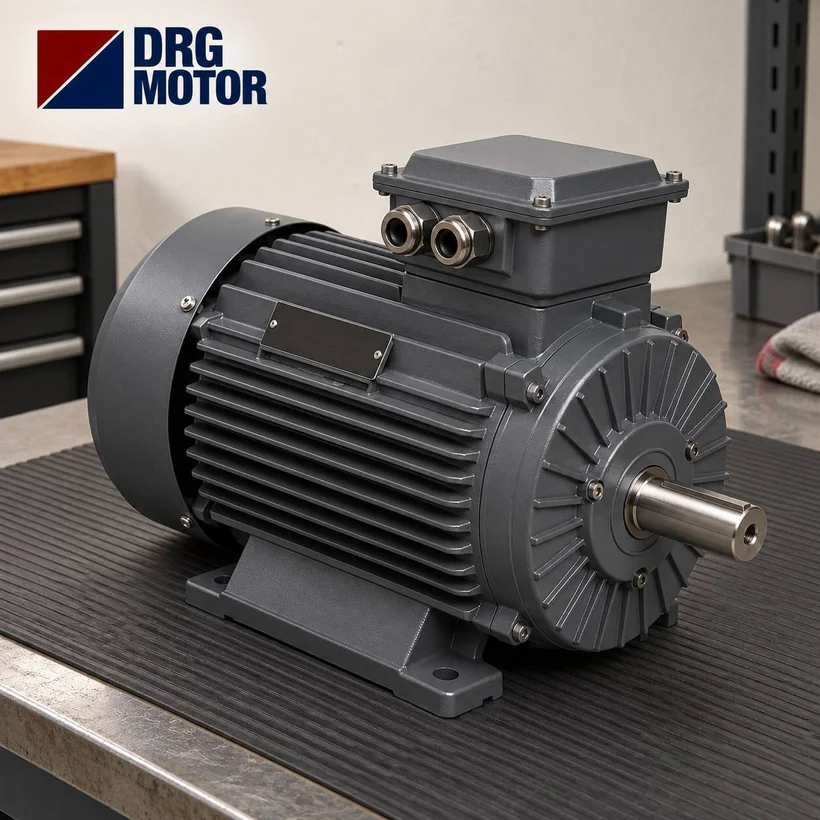
The mounting type defines how a motor will be fixed and how it will connect to the equipment it drives. According to international IEC standards, it is expressed with codes such as B3, B5 and B35. These codes show whether the motor is foot-mounted, flange-mounted or combined. The mounting type is the foundation of the motor's mechanical connection.
The correct mounting type is determined according to the application and the equipment to be connected. The wrong type creates compatibility problems during installation.
B3 - Foot Mounting
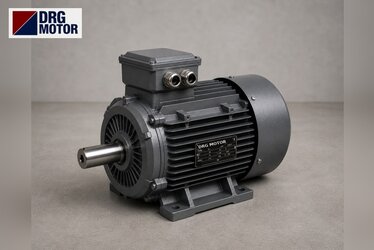
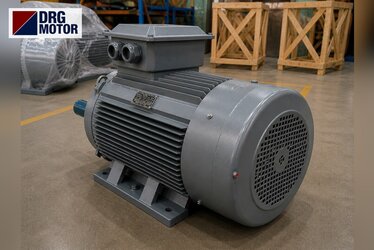
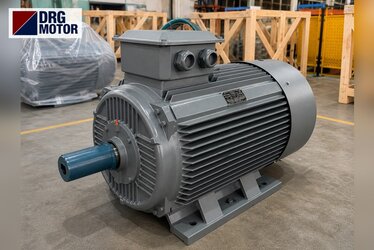
The B3 mounting type is the standard design in which the motor is fixed to the ground via feet integrated into its body. In a horizontal operating position, it is mounted on a solid foundation or rail. It is widely used in fixed systems such as pumps, fans, compressors and conveyors. B3 is the most common and most practical mounting type.
Foot mounting provides easy installation and maintenance access. It is therefore preferred in many general applications.
B5 - Flange Mounting
The B5 mounting type is the design in which the motor connects directly to the equipment via a flange on its front. This type is ideal for applications requiring high alignment accuracy. It is frequently used in motors that connect directly to a gearbox or pump. B5 provides a compact, precise connection.
Flange mounting ensures the motor connects directly and in alignment with the equipment, offering space savings and precision.
B35 - Combined Mounting
The B35 mounting type is a combined design containing both feet and a flange. The motor can connect both to the ground with feet and to the equipment with a flange. This dual connection provides mounting flexibility and additional solidity. B35 is preferred especially in vibrating and heavy applications.
Combined mounting offers both support and a direct connection, providing the most solid solution, which is advantageous in demanding applications.
Why Does the Mounting Type Matter?
The correct mounting type ensures the motor is aligned correctly with the equipment and runs in balance. The wrong mounting type or faulty alignment leads to vibration, bearing wear and loss of efficiency. The mounting type therefore directly affects the motor's life and performance. The right choice means a trouble-free installation.
We explain the effect of misalignment on bearings in our article on extending bearing life. Correct mounting also preserves bearing life.
Mounting Selection by Application
The choice of mounting type depends on the application's operating conditions and system design. Space constraints, alignment needs and load type determine this choice. B3 is preferred in fixed, horizontal applications, B5 where a direct connection is required, and B35 where a solid and flexible connection is wanted. The right choice is made according to the application's need.
Each mounting type has its own advantages. Correctly understanding the application is the foundation of choosing the right type.
Horizontal and Vertical Mounting
Motors can be mounted in a horizontal or vertical position. Most applications suit horizontal mounting; however, some pumps and special applications require vertical mounting. In vertical mounting, it is important that the motor and its bearings are suited to this position. The mounting position is a factor that affects motor selection.
Motors designed for vertical mounting can carry the axial load in this position. Correct position selection ensures safe operation.
The Relationship Between Mounting and Alignment
Whatever the mounting type, the alignment between the motor and the equipment must be correct. Misalignment creates vibration and wear even in the most solid mounting. Flange types such as B5 and B35 make alignment easier. In every case, however, alignment must be checked carefully.
Correct alignment ensures efficient power transmission and balanced operation, protecting both the motor and the equipment.
Mounting Type and Vibration
A solid mounting reduces vibration and ensures the motor runs in balance. A loose or wrong mounting, on the other hand, increases vibration and strains the bearings. Especially in vibrating, heavy applications, solid mounting types such as B35 are preferred. Correct mounting is part of vibration control.
As vibration decreases, the motor and connected equipment live longer. Mounting solidity is therefore important.
Service Plan and Spares
The mounting type also affects access to the motor for maintenance. Foot-mounted B3 generally provides easy access for maintenance. In flange mountings, access can depend on the equipment's design. Ease of maintenance should be taken into account in the choice of mounting type.
Easy maintenance supports the motor's long-lived, trouble-free operation, which is part of mounting planning.
Mounting Type and Space Savings
Flange (B5) mounting, by connecting the motor directly to the equipment, offers space savings. This advantage is important in applications with limited space. Foot mounting may require more space but offers installation flexibility. Space constraints affect the choice of mounting type.
In compact systems, flange mounting provides an advantage in terms of space. The right choice takes both space and functionality into account.
Mounting With a Gearbox
In motors connected to a gearbox, flange (B5) or combined (B35) mounting is generally preferred. These types ensure the motor connects directly and in alignment with the gearbox. This is important in geared applications such as conveyors. The right mounting type provides compatibility with the gearbox.
We cover conveyor motor selection in our article on conveyor and belt motor selection. In geared systems, the mounting type is critical.
The Importance of Standard Dimensions
Along with the mounting type, it is also important that the motor is of standard frame dimensions. Standard dimensions provide great convenience in replacing and stocking a motor. A motor of the same mounting type and dimensions can easily be fitted in place of a failed motor. This supports production continuity.
Standard dimensions and mounting type provide an advantage in terms of stocking. Standard motors are therefore preferred.
The Consequences of the Wrong Mounting Type
The wrong mounting type selection leads to incompatibility during installation and extra cost. A motor that cannot be connected to or aligned with the equipment creates problems. The mounting type must therefore be determined correctly before purchase. The right type provides a trouble-free installation.
A mounting-type error often requires replacing the motor, which means needless cost and lost time.
Mounting Type and Motor Life
The correct mounting type and a solid installation extend the motor's life. A balanced, aligned mounting reduces vibration and bearing wear. This lets the motor run trouble-free for a long time. Mounting quality is an important component of motor life.
A good mounting allows all the motor's other quality features to be fully utilised, which means a long life.
The Right Mounting Type From the Right Supplier
A reliable supplier recommends the mounting type suited to your application and provides the right product. If you are in doubt about the mounting type, consulting an expert makes the right choice easier. This ensures you do not have problems during installation. The right supplier means the right mounting type.
We explain the criteria for choosing the right supplier in our article on choosing an electric motor dealer. Expert support ensures the right mounting choice.
B14 and Small Flange Mounting
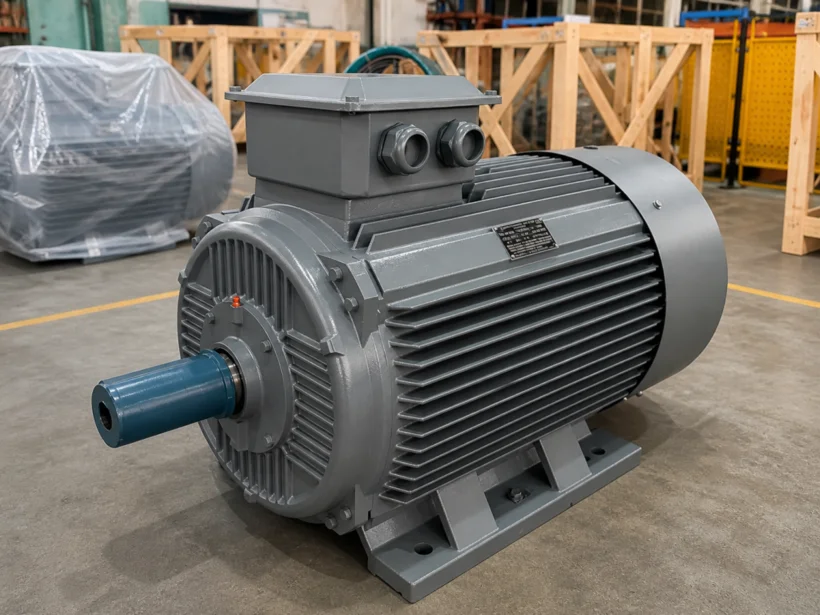
Alongside B5, there is also a small flange mounting type called B14 for smaller motors. This type allows low-power motors to be connected compactly. B14 is used especially in small pump and machine applications. A small flange offers a precise connection in limited space.
The motor's power and size determine whether B5 or B14 will be used. The right flange type is chosen according to the application.
Reading Mounting Type Codes
In mounting type codes, the letter "B" indicates the mounting form, while the numbers beside it indicate the structure. Reading these codes lets you understand how the motor will be connected. These codes appear in catalogue and nameplate information. Correctly interpreting the codes is part of choosing the right motor.
We cover nameplate and catalogue information in our article on nameplate details. Reading codes supports an informed choice.
The Importance of the Mounting Foundation
In foot mounting, the foundation to which the motor is fixed must be flat, solid and vibration-free. An unstable or weak foundation leads to vibration and alignment problems. A solid foundation is the basis of the motor's balanced operation. The mounting foundation must therefore be prepared carefully.
A well-prepared foundation ensures the motor runs vibration-free and long-lived. This is an important step of mounting.
Bolt and Connection Tightness
The motor's mounting bolts must be tightened to the correct torque value. Loose bolts work themselves further loose under vibration during operation and can cause the motor to shift. Over-tightening, on the other hand, can damage the body. Correct tightness provides a solid, secure mounting.
Connection tightness should be checked periodically. In vibrating applications, this check is even more important.
Coupling and Pulley Connection
The motor's power can be transmitted to the equipment via a coupling or a pulley and belt. In a coupled connection alignment is critical, while in a belt connection belt tension is important. The mounting type should be chosen to be compatible with this connection method. The right connection ensures efficient power transmission.
The wrong coupling or pulley setting creates vibration and bearing strain. The connection must therefore be made carefully.
The Relationship Between Mounting and Cooling
The motor's mounting position also affects its cooling. There must be enough clearance around the motor for the cooling fan to pass air freely. A very enclosed or cramped mounting hinders cooling and leads to heating. Airflow must therefore be taken into account in mounting.
A well-ventilated mounting ensures the motor runs cool. We explain the importance of cooling in our article on electric motor temperature control.
Axial Load in Vertical Mounting
In vertically mounted motors, the axial load carried by the shaft increases. Vertical applications therefore require bearings and a design suited to axial load. A wrongly selected motor experiences bearing problems in vertical mounting. Vertical mounting requires special attention.
Motors designed for vertical applications carry this load safely. The right choice provides a long life in vertical mounting too.
Mounting Type and Cost
Different mounting types can also differ in terms of production and price. Some special mounting types can be more costly than standard types. Choosing a special mounting type that is not needed means needless cost. The right type should be evaluated in terms of both functionality and cost.
We cover the effect of mounting type on price in our article on the factors that determine price. The right type prevents needless cost.
Pre-Mounting Checks
Before mounting, it is important to check the motor, the equipment and the foundation. Whether the motor's mounting type is compatible with the equipment, whether the foundation is solid, and whether the connection points are correct should all be checked. These pre-checks prevent problems during installation. Correct preparation is the foundation of a successful mounting.
Pre-mounting planning makes installation fast and trouble-free, which provides time and cost savings.
Mounting and Supplier Instructions
Each motor's mounting must be carried out in line with the supplier's instructions. These instructions include the correct mounting type, bolt torques and alignment requirements. Following the instructions ensures both correct mounting and the preservation of the warranty. The mounting manual must therefore be taken into account.
We cover the relationship between warranty and mounting in our article on the electric motor warranty. Correct mounting also protects the warranty.
Is Changing the Mounting Type Possible?
A motor's mounting type is determined in its production; however, some motors can be adapted to different mounting types with additional parts. Still, the most correct approach is to choose a motor in the mounting type suited to the application from the start. Later conversion may not always be possible or practical. The first choice is therefore important.
Choosing the correct mounting type from the start ensures you do not have problems later, which means an informed purchase.
Machines They Drive
In heavy industrial applications, solid mounting is critical because of vibration and load. In these applications, combined mounting types such as B35 provide additional solidity. A solid mounting keeps the motor in place and balanced under heavy conditions. The right type supports safety in heavy industry.
For heavy-industry motors, you can look at our article on industrial electric motors. Solid mounting is a requirement of heavy applications.
Mounting and Power Transmission Efficiency
Correct mounting and alignment ensure the motor transmits its power to the equipment without loss. Misalignment causes part of the power to be lost to friction and vibration. Mounting quality therefore also affects efficiency. Correct mounting means both efficiency and a long life.
Efficient power transmission begins with correct mounting, which provides an indirect contribution to energy savings.
Mounting Type Selection at a Glance
In short, B3 is preferred in fixed, horizontal applications, B5 in direct, precise connections, and B35 in solid, flexible connections. The right choice is made according to the application's operating conditions, space constraints and alignment needs. This choice ensures efficient and long-lived motor operation. The right mounting type is the foundation of a successful installation.
Correctly analysing your application is the key to choosing the right mounting type, which means trouble-free operation.
The Right Mounting With Expert Support
If you are in doubt about the choice of mounting type, consulting an expert lets you make the most correct decision. The expert evaluates your application and equipment and recommends the appropriate mounting type. This ensures you do not have problems during installation. The right support means the right mounting.
At DRG Motor, we offer technical support in your mounting type selection. The right choice ensures a trouble-free and long-lived installation.
DRG Motor for the Right Mounting Type
At DRG Motor, we offer motors in the B3, B5 and B35 mounting types suited to your application. Our aim is to determine the mounting type that ensures the motor connects correctly and trouble-free to your equipment. Pump, fan, gearbox or conveyor: we recommend the motor in the right mounting type for every application.
To select the motor in the mounting type best suited to your application and to receive technical support, you can contact DRG Motor and explore our range on the products page, or visit our home page. The right mounting type ensures your motor is perfectly matched to your equipment.