 English
 Le français
 Türkçe

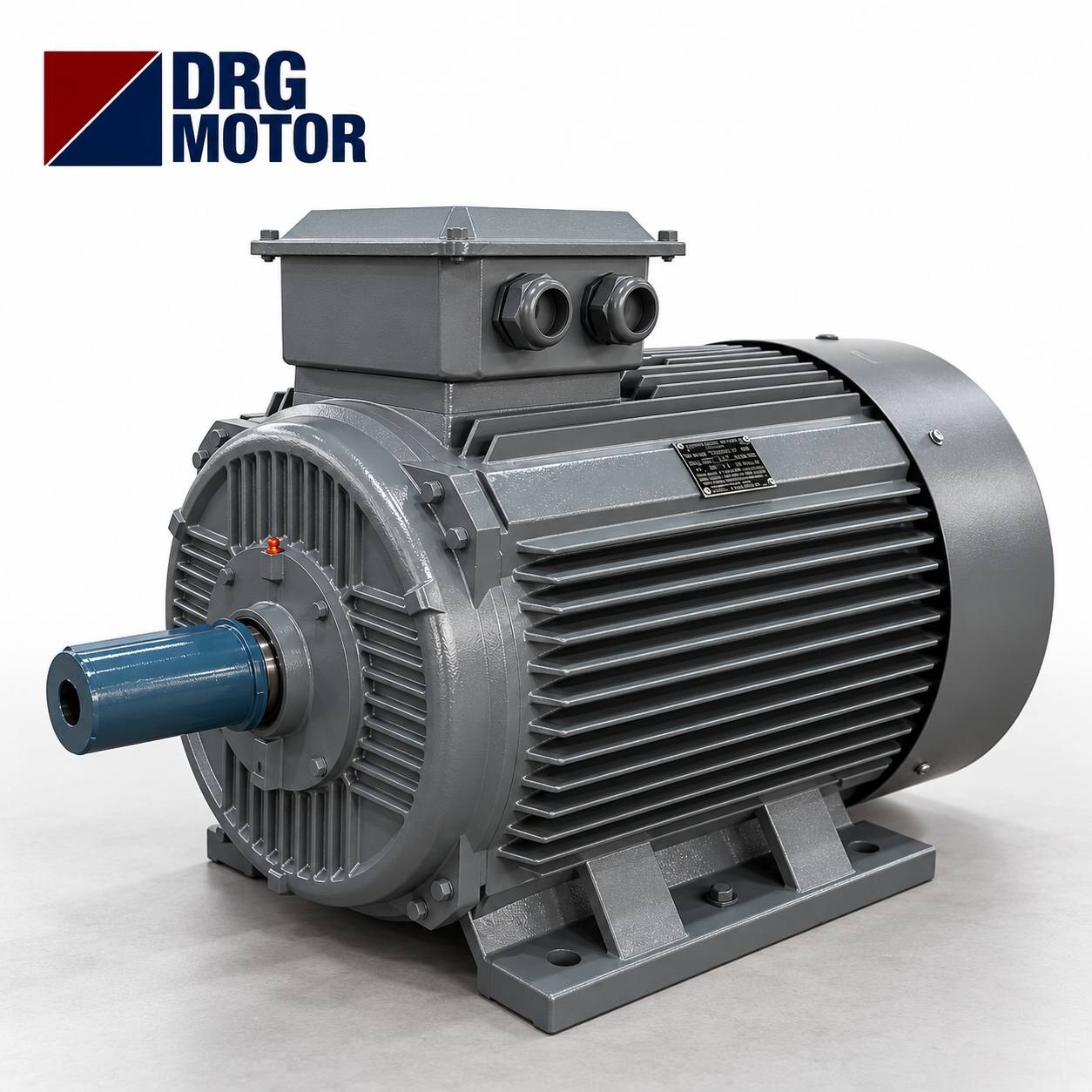

An electric motor's performance depends on its own characteristics and on the conditions of the environment in which it operates. Ambient temperature and altitude (height above sea level) in particular directly affect the power the motor can deliver and its safe operation. Standard motors are built for specific conditions; when those conditions are exceeded, the motor's performance changes. So how do ambient temperature and altitude affect electric motor selection?
At DRG Motor, this article examines the effect of ambient temperature and altitude on motor performance and what to consider in selection. You can find the basic concepts of the motor in our article on what an electric motor is.
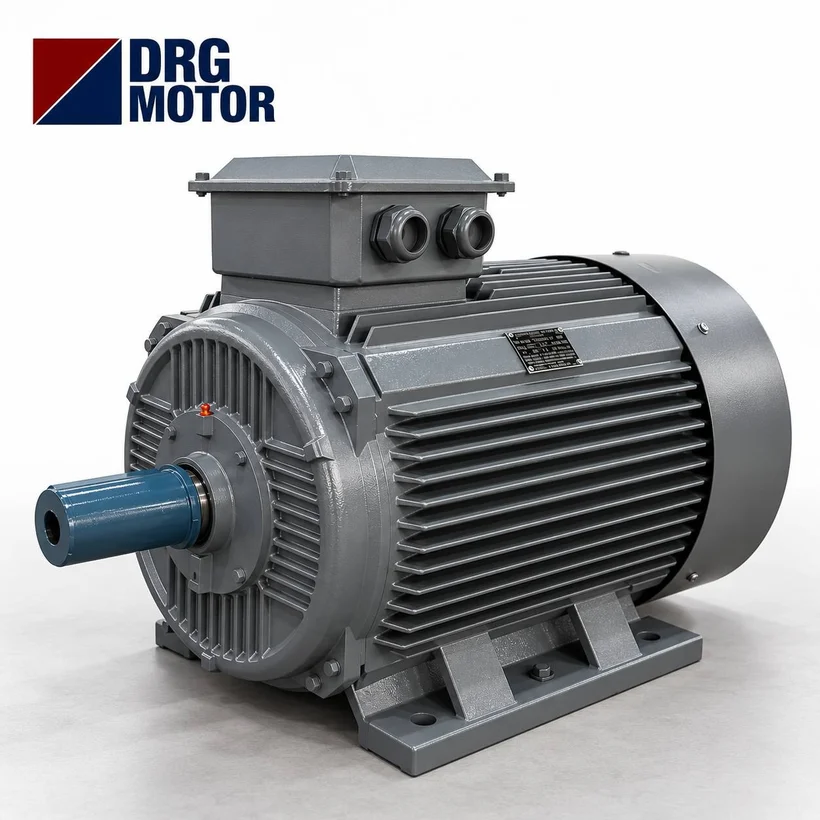
Standard Operating Conditions
Electric motors are generally built for certain standard conditions; commonly, an ambient temperature of 40°C and an altitude of 1000 metres are taken as the basis. Under these conditions, the motor can deliver exactly the power stated on its nameplate. When these values are exceeded, the motor's performance is affected. Standard conditions are the reference point of motor selection.
When these conditions are exceeded, special evaluation is required in motor selection. That is the key to the right performance.
The Effect of Ambient Temperature
As the ambient temperature rises, cooling the motor becomes harder and the winding temperature increases. That reduces the power the motor can deliver. In hot environments, the motor must be run below its power or a higher insulation class preferred. Temperature directly affects motor performance.
We explain heat control in our article on electric motor temperature control. High temperature reduces performance.
Power Reduction at High Temperature
A motor operating above the standard temperature cannot deliver the full power written on its nameplate. As the temperature rises, the power the motor can safely deliver decreases. For this reason, in hot environments the motor must be selected taking this power reduction into account. The right choice is made according to the temperature.
The power reduction due to temperature is factored in to ensure the motor runs without strain. That means safe operation.
The Effect of Altitude
As altitude increases, air density decreases and cooling the motor becomes harder. At high altitude, the thinner air cools the motor less. That, like temperature, reduces the power the motor can deliver. Altitude is an important factor, especially in high regions.
Above the standard altitude of 1000 metres, the motor's performance is affected. For this reason, a special selection is required in high regions.
Power Reduction at High Altitude
A motor operating at high altitude cannot cool sufficiently because of the thin air and cannot deliver part of its power. For example, at high altitude a motor may deliver a power below its nameplate rating. For this reason, in high regions the motor must be selected taking this reduction into account. The right choice is made according to the altitude.
The power reduction due to altitude is taken into account for the motor's safe operation. That means a correct application.
Temperature and Altitude Together
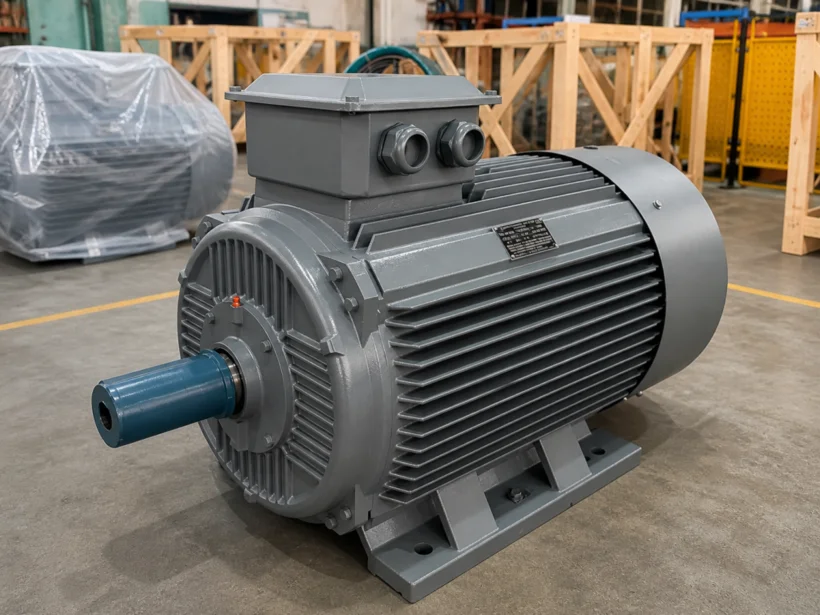
When both high temperature and high altitude occur together, the power reduction becomes even more pronounced. These two factors make cooling the motor harder in combination. For this reason, under such conditions the motor must be selected taking both factors into account. A holistic assessment ensures the right choice.
In hot, high regions, motor selection requires special care. That is the foundation of safe operation.
Selecting a Larger Motor
In demanding temperature and altitude conditions, a motor of one power size up can be selected to meet the required power. In this way, the motor meets the application's need despite the power reduction. Correct sizing provides sufficient power even under demanding conditions. That means safe operation.
You can find the power options in our power (kW) and speed table. The right power is sufficient even under demanding conditions.
A High Insulation Class
In hot environments, motors with a higher insulation class can be preferred. A high insulation class allows the winding to withstand a higher temperature. That supports safe operation in hot environments. The insulation class is selected according to the temperature conditions.
We explain the insulation class in our article on the insulation class. A hot environment requires a high insulation class.
Additional Cooling Solutions
In demanding temperature and altitude conditions, additional cooling solutions can be used. External cooling fans or special cooling systems keep the motor's temperature under control. These solutions can allow the motor to use its full power under demanding conditions. The right cooling preserves performance.
Additional cooling supports the motor's safe operation in hot, high regions. That means long service life.
The Humidity Factor
Alongside temperature and altitude, ambient humidity also affects motor selection. High humidity stresses the insulation and can lead to corrosion. For this reason, a suitable protection class and moisture resistance matter in damp environments. Humidity is part of the ambient conditions.
We explain protection-class selection in our article on IP protection class selection. Humidity is taken into account in motor selection.
Desert and Hot-Climate Regions
Desert and hot-climate regions are demanding for motors because of their high ambient temperature. In these regions, the power reduction and the need for high insulation must be taken into account. Hot-climate conditions require special motor selection. The right choice ensures safe operation in these regions.
In hot climates, the motor's cooling and insulation become critical. That makes the right choice important.
High Mountainous Regions
In high mountainous regions, both low air density and variable temperatures affect motors. In these regions, the power reduction due to altitude must be factored in. High regions require special motor evaluation. The right choice delivers performance even at high altitude.
The effect of altitude directly determines motor selection in high regions. That requires a holistic assessment.
The Importance of Nameplate Details
Some motors have the maximum ambient temperature and altitude at which they can operate stated on their nameplate. This information shows under which conditions the motor will deliver full performance. Reading the nameplate details correctly ensures the right choice. That means an informed purchase.
We explain reading the nameplate in our article on nameplate details. The nameplate is a guide for ambient conditions too.
The Importance of Correct Assessment
Failure to assess ambient temperature and altitude correctly leads to strain and premature failure of the motor. For this reason, under demanding conditions these factors must always be factored in. Correct assessment ensures the motor runs safely and for a long time. That is the foundation of the right choice.
Assessing ambient conditions correctly protects the motor from strain. That means long service life.
The Relationship Between Performance and Life
A motor operating under suitable conditions both delivers full performance and lasts a long time. A motor not selected to suit demanding conditions, by contrast, is constantly strained and its life shortens. For this reason, ambient conditions matter for both performance and life. The right choice protects both.
A motor suited to the ambient conditions runs safely for years. That is the result of an informed choice.
Expert Support for the Right Choice
The effect of ambient temperature and altitude on motor selection requires a technical assessment. Consulting an expert allows you to identify the motor most suited to your operating conditions. The right support ensures safe operation even under demanding conditions. An expert assessment is the key to the right choice.
At DRG Motor, we provide technical support in selecting a motor suited to your operating conditions. The right choice ensures safe operation under any conditions.
The Effect of Cold Environments
Extremely cold environments are also demanding for a motor; very low temperatures affect lubrication and material behaviour. In cold environments, grease can harden and starting can be difficult. For this reason, selecting suitable grease and materials matters in cold regions. Cold conditions require special care.
In extreme cold, the motor's condition before start-up must be checked. That ensures a safe start.
Temperature Variations
Environments that experience large daily or seasonal temperature variations can cause condensation in the motor. This condensation creates a risk of moisture and corrosion. For this reason, suitable protection and measures are required in environments with variable temperatures. Temperature variation affects motor health.
Protection against condensation protects the motor's insulation and metal parts. That ensures long service life.
Operation in Enclosed Spaces
A motor operating in an enclosed, poorly ventilated space causes the ambient temperature to rise. That makes cooling harder. For this reason, sufficient air flow must be ensured around the motor. Ventilation controls the ambient temperature.
A well-ventilated environment lets the motor run cool. That preserves performance.
Power Reduction Coefficients
The power reduction caused by temperature and altitude is calculated with specific coefficients. These coefficients show how much power the motor can deliver under demanding conditions. The right calculation ensures correct sizing of the motor. That means a safe application.
The power reduction calculation is the foundation of correct motor selection under demanding conditions. That requires an expert assessment.
Tropical Conditions
Tropical conditions, where high temperature and humidity occur together, are among the most demanding environments for motors. In these conditions, both a high insulation class and high protection are needed. Motors suited to tropical conditions are built with special measures. The right choice provides safety in a tropical climate.
Tropical conditions require a comprehensive assessment in motor selection. That is the foundation of safe operation.
Machines They Drive
Motors operating outdoors in the field are exposed to both temperature variations and weather conditions. Heating in the sun, cooling at night and rain all affect the motor. In these applications, suitable protection and durability matter. Outdoor fieldwork means demanding conditions.
Outdoor field motors require care in terms of both climate and protection. That makes the right choice important.
Efficiency and Ambient Conditions
Ambient conditions also affect the motor's efficiency. A motor operating in excessive heat runs with greater losses and lower efficiency. A motor operating under suitable conditions, by contrast, preserves its efficiency. For this reason, ambient conditions matter for efficiency too. The right conditions preserve efficiency.
We cover efficiency losses in our article on efficiency losses. A suitable environment supports efficiency.
Selecting the Cooling Type
In demanding ambient conditions, the motor's cooling type gains importance. If standard fan cooling falls short, external or special cooling solutions are used. The right cooling type is selected according to the ambient conditions. That ensures the motor runs safely.
The right cooling allows the motor to use its full power in hot, high regions. That preserves performance.
Maintenance Intervals and Motor Life
Demanding ambient conditions also increase the motor's maintenance need. Dusty, damp or hot environments require more frequent cleaning and checking. Regular maintenance ensures the motor runs safely under these conditions. Maintenance matters all the more in demanding environments.
We describe the fundamentals in our article on electric motor maintenance steps. Regular maintenance protects the motor in demanding conditions.
Gathering the Right Information
Before motor selection, the temperature, altitude, humidity and other conditions of the operating environment must be correctly identified. This information ensures the right motor is selected. Missing or wrong information leads to a faulty choice. The right information is the foundation of the right choice.
Identifying the ambient conditions correctly ensures the motor runs without strain. That means long service life.
Custom-Built Motors
For very special and demanding conditions, custom-built motors with non-standard features may be required. These motors are designed according to the unique needs of the environment. Special conditions sometimes require special solutions. The right motor must suit the environment's need exactly.
Obtaining expert support for special needs ensures the most suitable solution. That means a safe application.
Ambient Conditions and Safety
A motor not selected appropriately can overheat under demanding ambient conditions and create a safety risk. A correctly selected motor, by contrast, runs safely under any conditions. For this reason, ambient conditions matter for safety too. The right choice means safe operation.
A motor suited to the environment protects both performance and safety. That means a responsible choice.
A Total Assessment
Ambient temperature and altitude are assessed not alone but together with other factors in motor selection. Power, insulation class, protection and cooling are all addressed together with the ambient conditions. A holistic assessment reveals the most suitable motor. That is the foundation of the right choice.
Evaluating all the factors together ensures the right motor even under demanding conditions. That is an informed decision.
A Choice Suited to the Conditions
Every operating environment is unique, and motor selection must be made according to these particular conditions. Hot, cold, high or damp; each condition requires a different approach. The right choice is ensured with a motor that fully suits the conditions of the environment. That means safe and efficient operation.
A motor suited to the conditions runs safely whatever the environment. That is the guarantee of long life.
Assessment at the Planning Stage
Ambient temperature and altitude should be assessed while motor selection is still at the project stage. This early assessment ensures a motor of the right power and characteristics is selected and prevents problems later. The right steps taken at the planning stage ensure the application runs safely throughout its life. Early assessment is the foundation of the right investment.
Identifying the conditions correctly from the outset delivers an advantage in both performance and cost. That means informed project management.
DRG Motor for Every Condition
At DRG Motor, we offer durable, reliable motors suited to different temperature, altitude and climate conditions. Our aim is to provide the most suitable solution by taking into account the conditions of the environment in which your motor will operate. By assessing your temperature, altitude and humidity conditions, we recommend the right power and characteristics.
To choose the most suitable motor for your operating environment and receive technical support, you can contact DRG Motor and review our range on our products page, or explore our other guides from our homepage. The right motor selection is the key to safe, efficient operation whatever the ambient conditions.