 English
 Le français
 Türkçe

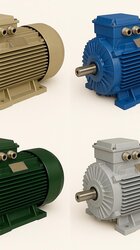
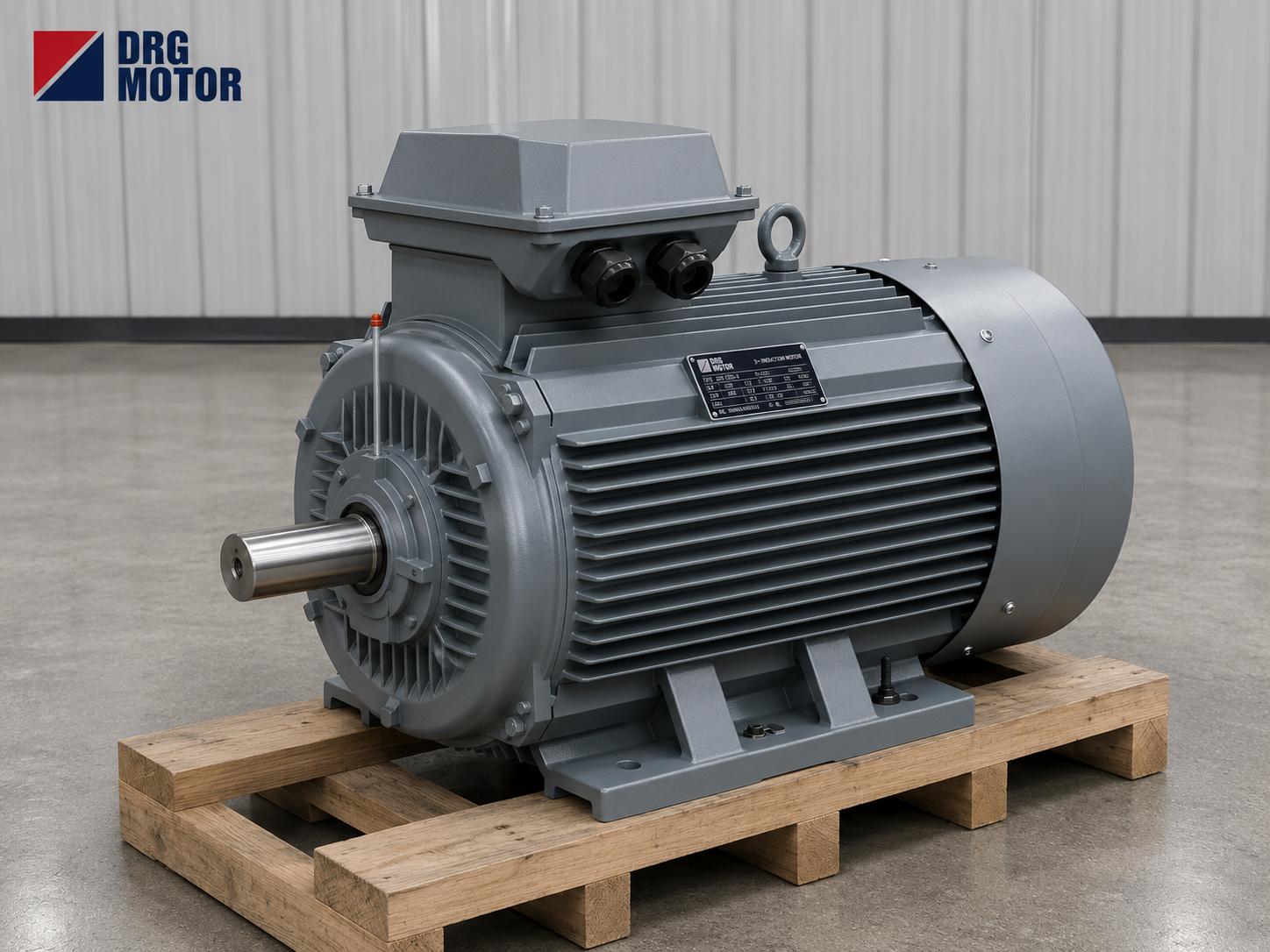

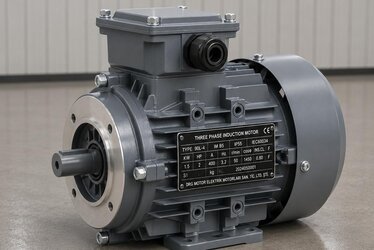
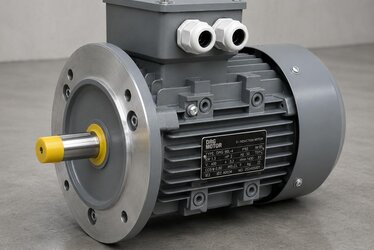
Cooling towers are among the most critical pieces of infrastructure in any industrial facility, rejecting the plant's heat load into the atmosphere, and at the heart of this system sits the motor that drives the fan. High humidity, constant water spray, sudden temperature swings, and the requirement to run around the clock set this application apart from a routine industrial duty. From air-handling plants and power generation sites to plastic injection lines and chemical processes, the cooling tower is in continuous service, and that continuity leaves no room for even the smallest weakness in the motor. At DRG Motor, we supply durable units engineered for the right specifications for your cooling tower fans, drawing on stock availability and fast delivery to keep your facility running. Selecting a cooling tower motor involves far more variables than power rating alone, and in this article we explain which criteria need to be clarified during the quotation stage, which technical details prove costly when overlooked, and why working with the right supplier directly affects your operating costs.
How Moisture and Water Contact Affect the Motor
The interior of a cooling tower is saturated with vapor and water droplets at all times. Because the motor driving the fan operates in this environment, winding insulation, enclosure protection class, and bearing sealing carry far higher priority than they would on a standard motor. A unit with an inadequate protection class will suffer a winding short within months, which translates into both lost production and unplanned replacement cost. When moisture penetrates the windings, it lowers the insulation resistance and eventually leads to an earth fault; beyond that point, saving the motor is rarely possible. The motors we supply offer at least IP55, and IP56 where the application demands it, along with specially impregnated windings that improve moisture resistance and corrosion-resistant enclosure options. If your site calls for tropicalized insulation, we evaluate that at the quotation stage as well. The right protection class may add a small amount to the initial outlay, yet it can double the service life of the motor and noticeably reduce the risk of unplanned downtime.
What Matters Beyond Power in a Cooling Tower Application
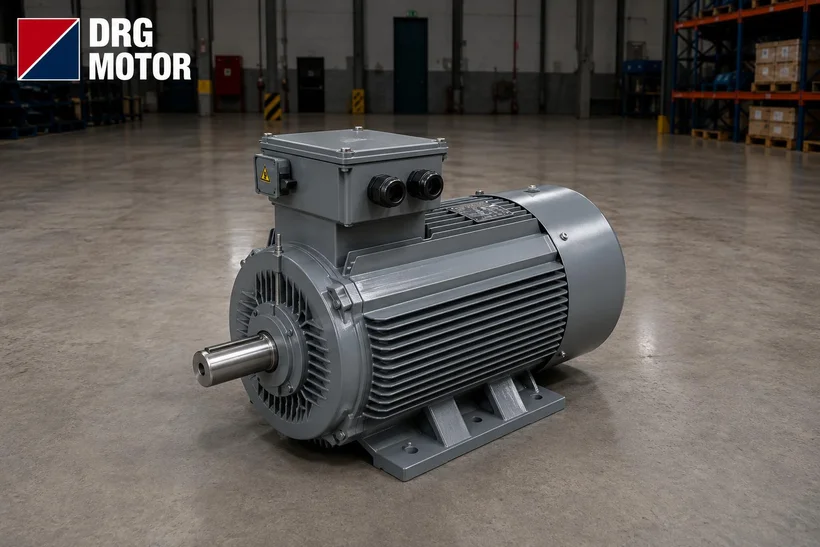
Many purchasing conversations focus only on the kW figure, yet for cooling tower fans the speed, starting torque, and the character of the fan load are every bit as decisive as power. Axial fans typically carry high inertia, and the motor must deliver enough torque at start-up to overcome it. A poorly chosen motor draws excessive current on every start, heating the windings and shortening their life. Cooling tower fans also tend to run on 4- or 6-pole, that is lower-speed, motors, because lower speed both reduces noise and matches the fan's efficient operating point. To recommend the most suitable unit, we ask you to clarify the following at the quotation stage:
- Fan blade diameter and speed (rpm)
- Operating voltage and phase (380V three-phase is common)
- Motor orientation: vertical or horizontal shaft
- Average temperature and humidity of the air entering the tower
- Daily running hours and seasonal duty intensity
- Mounting (flange/foot) dimensions and shaft diameter of the existing motor
Once these details are shared, it becomes possible to recommend a solution that fits both mechanically and electrically the first time, removing the cost of trial and error.
Why Vertical Mounting and Shaft Direction Matter
A significant share of cooling tower fans run on a vertical shaft, meaning the motor shaft is mounted facing either up or down. This directly affects bearing selection, lubrication type, and the sealing design. Using a motor built for horizontal duty in a vertical position increases the axial load on the upper bearing and leads to premature bearing failure. We also account for the fact that grease distributes differently in vertical mounting, so the regreasing interval must be planned accordingly. For this reason we always confirm the mounting orientation before supply. We provide units with a bearing configuration suited to vertical service and enclosure options with drain holes that prevent condensate from entering the motor, so the product fits your application precisely. Our experience on the aspiratör motoru side, a comparable air-movement application, helps speed up this selection process, because in both cases the motor has to coexist with the moisture the air carries and with a variable load.
Variable-Frequency Control and Energy Savings
Cooling demand shifts constantly with the season and with production rate. Running the fan at full speed at all times is a serious waste of energy. With drive-compatible (variable-frequency) motors you can reduce fan speed to match actual demand and cut consumption noticeably. Because power on a fan load falls with the cube of speed, lowering the speed by twenty percent can nearly halve consumption, which is a meaningful line on the annual energy bill. A soft start also lets the fan's inertia be overcome smoothly, reducing mechanical shock and belt-and-pulley wear. The inverter-rated motors we supply feature reinforced winding insulation and, where needed, an insulated-bearing option to prevent the premature wear that drives can cause. The high-frequency voltage spikes that arise when a motor runs on a drive stress the insulation of unprotected windings, which is why choosing the correct motor class is critical in inverter applications. In a period of rising energy costs, the right motor-and-drive combination pays for itself in a short time.
Efficiency Class and Total Cost of Ownership
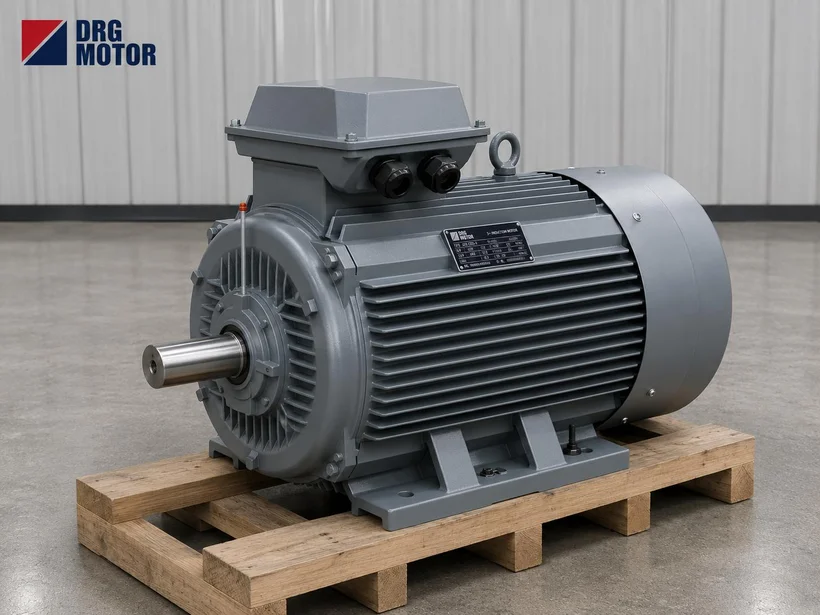
Because cooling tower fans can run for close to twenty-four hours a day, the motor's efficiency class becomes a far more important factor than the purchase price. A motor in IE3 or higher efficiency class may look slightly more expensive at the initial outlay than a lower-class equivalent, but in a continuously running application that difference is recovered through energy savings within a few months. In a total cost of ownership calculation, the purchase price is only the visible tip of the iceberg; the real burden lies in the energy the motor consumes over its life and in the cost of any faults and downtime. That is why, during the quotation process, we steer you not simply toward the cheapest option but toward the efficiency-and-durability balance best suited to your facility's operating profile.
Minimize Downtime with Fast Supply
When a cooling tower stops, every process tied to it faces the risk of stopping too. This risk is even more critical in summer, because as temperatures rise the cooling demand peaks, and a motor failure at exactly that moment leads to serious production losses. That is why the speed at which a replacement for a failed motor can be sourced may matter even more than the price itself. At DRG Motor we keep motors in common power and speed ranges in stock and can ship the same day for urgent needs. If you share the nameplate details and mounting dimensions of your existing motor, we quickly identify a directly compatible equivalent and send our quotation. Because our broad fan motors range covers many applications, from cooling towers to general ventilation, we can answer most needs from a single supplier.
The Factors Behind the Cost and the Quotation Process
Before giving a firm price, we prefer to understand the requirements of the application, because the cost of a cooling tower motor does not come down to a single figure. The main factors that influence the price are:
- Power (kW) and speed
- Protection class (IP55 / IP56) and efficiency class (IE3 and so on)
- Vertical or horizontal mounting and any special bearing requirement
- Drive compatibility and reinforced winding insulation
- Lead time and order quantity
- Special enclosure material or corrosion-protection request
Once you share these details, we present several options that strike the right balance of efficiency and durability for your facility while fitting your budget. Our quotation is transparent; it clearly states which feature adds what to the price, making it easier for you to reach an informed decision. For projects requiring high air volume, our standard fan motoru solutions also support this category.
The Right Supplier Is Long-Term Assurance
A cooling tower motor, chosen correctly, runs trouble-free for years; chosen poorly, it eats into your budget through constant faults and downtime. Our aim at DRG Motor is not simply to sell you a product, but to deliver a solution that fits your application exactly, withstands the ambient conditions, and lowers your energy cost, all under reliable supply terms. From selection to delivery, and from commissioning to after-sales support, we run the process alongside you. Share your requirements for your cooling tower fans, and we will prepare a quotation quickly based on your nameplate details and operating conditions. Our specialist team stands beside you at every stage so you select the right motor the first time; reach out to us today to secure the most suitable durable motor for your facility in the shortest possible time.