 English
 Le français
 Türkçe

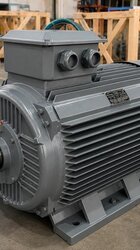
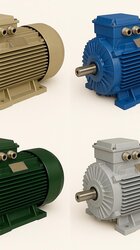
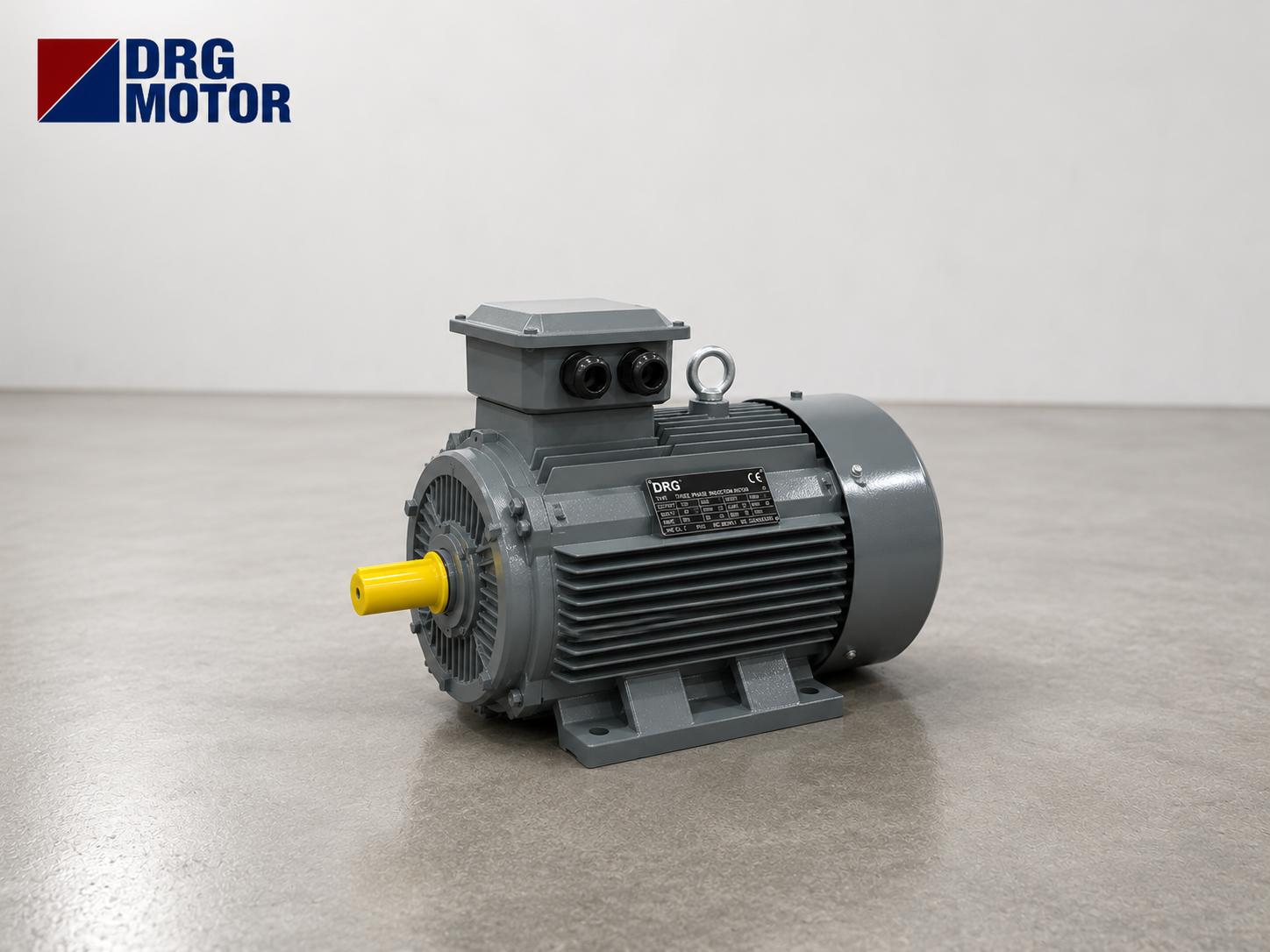

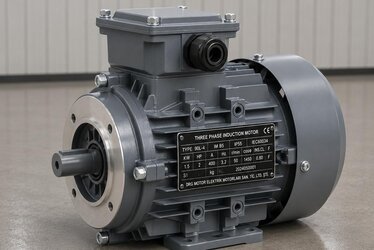
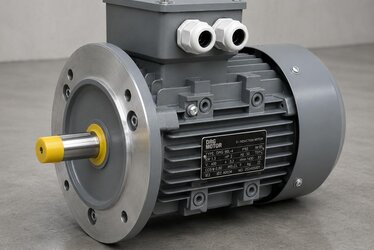
Water and wastewater treatment plants are critical infrastructure expected to run without interruption, where any unplanned stop carries serious cost. The electric motors used in these facilities must withstand aggressive fluids, continuous load and humid operating conditions. At DRG Motor, we supply durable motors with the correct power rating, protection class and efficiency value for municipal and industrial treatment projects, backed by ready stock and a fast supply process. A poorly selected wastewater pump motor leads to unexpected downtime, breached discharge limits and high maintenance bills, which is why we recommend managing the supply process together, from site survey through delivery to commissioning. Our goal is not simply to sell a motor; it is to deliver the right product, on the right terms, so your facility runs reliably for years.
Conditions That Shape Motor Selection in Treatment Plants
The load a motor faces on a treatment line is quite different from a standard industrial application. The density of the pumped fluid, its solids content, temperature and chemical aggressiveness directly determine the stress on the motor. Pre-treatment, biological treatment and sludge handling stages each demand a different torque and speed profile. A lift-station pump that starts and stops frequently behaves very differently from a recirculation pump that runs continuously, and each expects something different from the motor. For this reason we never reduce the choice to a single power figure; we evaluate flow rate, head, daily start count and the plant's process flow together. The right supply decision extends motor life, makes energy consumption predictable and prevents unplanned stops.
What Makes a Wastewater Pump Motor Durable
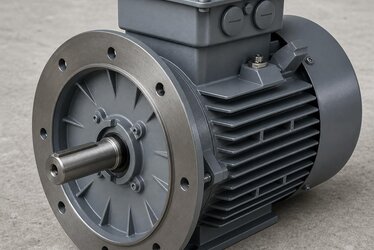
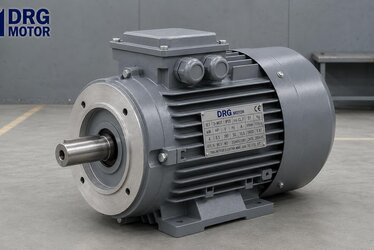
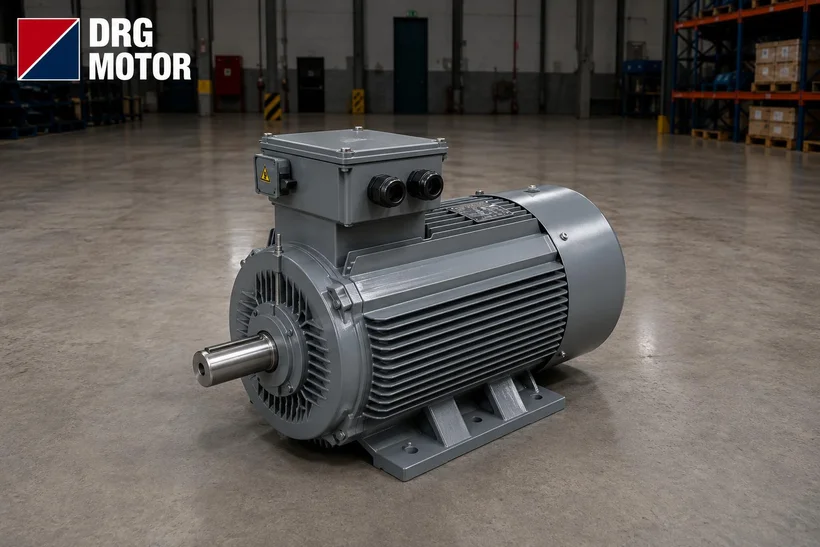
When it comes to a wastewater pump motor, durability is not luck; it is the result of correct design choices. A high protection class (IP55 and above) seals the motor against moisture and dust, and immersed units can reach IP68. Class F or H insulation leaves headroom against temperature rise under continuous load and extends winding life. Beyond these, the main factors that directly drive durability are:
- Quality bearings and proper lubrication that reduce vibration and wear on lines running around the clock
- Thermal protection and PTC thermistors that allow early intervention against overheating
- Sealed shaft seals and a sound gland design that keep moisture away from the windings
- A balanced rotor and a sturdy cast housing that deliver long-term vibration resistance
During supply, we match these criteria to the plant's duty cycle so you neither overpay for excess protection nor risk an under-specified unit. From our broad range of pump motors, we can identify the model that best fits your project together.
The Link Between Efficiency and Energy Cost
Because treatment plants operate 24 hours a day, the motor's efficiency class affects one of the largest items in the operating budget. IE3 and IE4 class motors may appear slightly more expensive at first investment, yet on continuously running pumps they deliver clear savings on the electricity bill. The total cost of ownership of a motor is measured far more by the energy it consumes over years than by its purchase price; in most treatment plants the energy cost exceeds the motor's purchase price within the first year. When we prepare our supply offer, we factor in annual running hours, the load profile and the electricity tariff, sharing the payback gap between efficiency classes transparently. That way you base the decision on concrete figures rather than guesswork. For applications driven by a variable frequency drive, we steer the motor selection toward that mode of operation to avoid efficiency loss and overheating.
Submersible and Dry-Mounted Solutions
In treatment plants, motors are positioned in two main ways: submersible mounting, immersed in the fluid, or dry mounting, placed outside the pump sump. In immersed applications, sealing and cooling become critical, while dry mounting brings easier access and maintenance to the fore. Which configuration suits your facility depends on flow rate, head, sump depth and maintenance options. For immersed applications you can review our dalgıç pompa motoru supply options, and for dry mounting you can choose among standard foot-mounted or flanged models. In both cases, we treat spare-part availability and ease of service as part of the supply decision, because the mounting type defines today's installation and the future maintenance burden.
Corrosion and Abrasive Environment Resistance
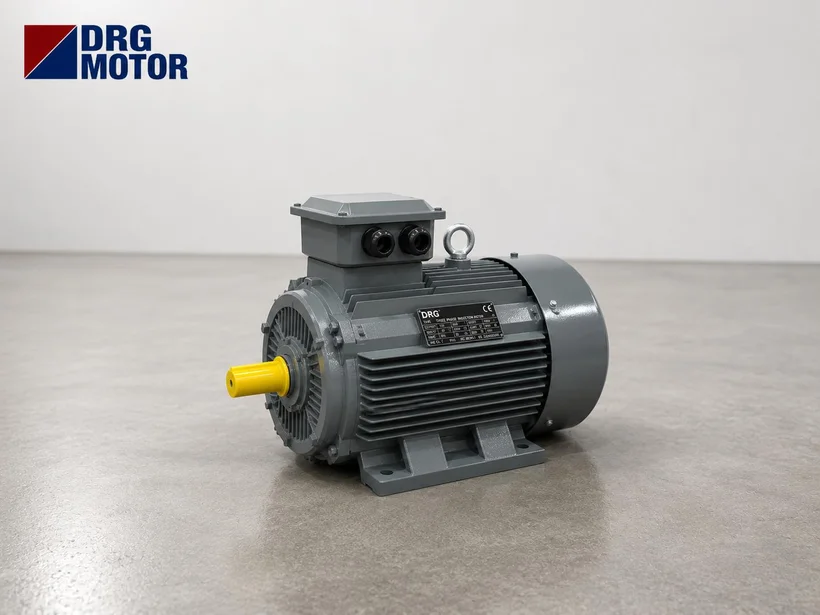
Wastewater stresses the motor and its fittings because of the chemicals and abrasive particles it carries. In this environment, an epoxy-coated housing, stainless fasteners and the right seal selection directly affect service life. On lines carrying chlorinated, sulphurous or acidic wastewater, a standard motor can wear out quickly; environments containing hydrogen sulphide in particular cause rapid corrosion on metal surfaces. During the supply process we ask about the chemical profile and temperature of the fluid and recommend models with materials, coatings and sealing suited to the environment. This approach prevents details that look minor at first glance from turning into major maintenance and replacement costs years later. The right material choice is the quiet but decisive factor that determines whether a motor lasts five years or fifteen.
Factors That Determine Cost in the Supply Process
The cost of a motor is the combined result of several elements: power rating, efficiency level, protection class, brand, mounting type and lead time. Rather than a flat list price, an offer prepared against your project's technical specification gives a far more accurate picture. Our guide on the items that make up the price and how they can be optimised, the pompa motoru fiyatı reference, helps you while planning the budget. In our supplier role, we compare several brands and power options to help you strike the cost balance that genuinely matches the plant's needs. More often than not, it is not the cheapest motor but the one best matched to the operating conditions that proves the most economical overall, and we build our offer on that logic.
Why the Right Power and Speed Matter
On wastewater lines, many projects pair the pump with a motor well above the actual flow demand, reasoning that a generous margin is safer; in practice that margin quietly accumulates cost. When the operating point sits far below the nominal rating, the motor turns continuously at part load, its power factor drops and the current drawn by the lift pump shows up as needless weight on the budget. Conversely, a motor selected at the margin is constantly strained, overheats and has a shortened life. The right balance is struck when the pump's operating point aligns with the motor's nominal values. Speed matters at least as much as power; two-pole high-speed motors suit applications demanding high head, while four- or six-pole motors fit high flow at low head. During supply, we evaluate the pump curves and system resistance together to identify the model that fits precisely in both power and speed. This diligence keeps the motor running stably and economically over its entire life.
Different Needs in Municipal and Industrial Projects
Municipal treatment plants generally handle variable-flow, domestic-character wastewater, whereas industrial facilities deal with sector-specific fluids that are often more aggressive and hotter. Food, textile, chemical and metal industries each place a different durability demand on the motor. In municipal projects, compliance with tender specifications and conformity documents comes to the fore, while in industrial projects, process continuity and fast spare-part supply become decisive. As a supplier fluent in the language of both sides, we offer solutions that meet every requirement from specification compliance to technical detail. Knowing whether your project is municipal or private-sector lets us plan the right motor and the right documentation from the outset.
Stock, Delivery and After-Sales Support
A motor failure in a treatment plant usually arrives with an urgency you cannot postpone, because a stalled lift pump can quickly turn into flooding and discharge problems. That is why our stock depth and delivery speed matter as much as the motor's technical specification. We prioritise keeping stock for common power ratings and mounting types, and plan fast shipment for critical projects. After the sale, we stand by you on spare parts, technical consulting, installation guidance and conformity documents. Our aim is not a one-off sale but a supply relationship that lasts throughout the life of your facility; being a contact you can reach the moment you need us is, for us, the real value of this work.
The Right Step for Your Project
Choosing the right motor on water and wastewater treatment lines is a decision that defines both operational safety and long-term cost. When you share your plant's flow rate, head, fluid character and duty cycle with us, we quickly send you the most suitable wastewater pump motor options and a transparent offer. Whether you are building a new line, replacing an existing motor or resolving an urgent failure, reach out to our team; let us build the technical assessment and price quote tailored to your application together. The right supplier is at least as valuable as the right motor, and we see this relationship as a long-term partnership.