 English
 Le français
 Türkçe

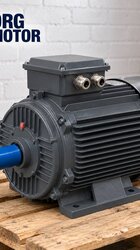
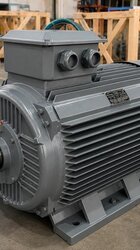
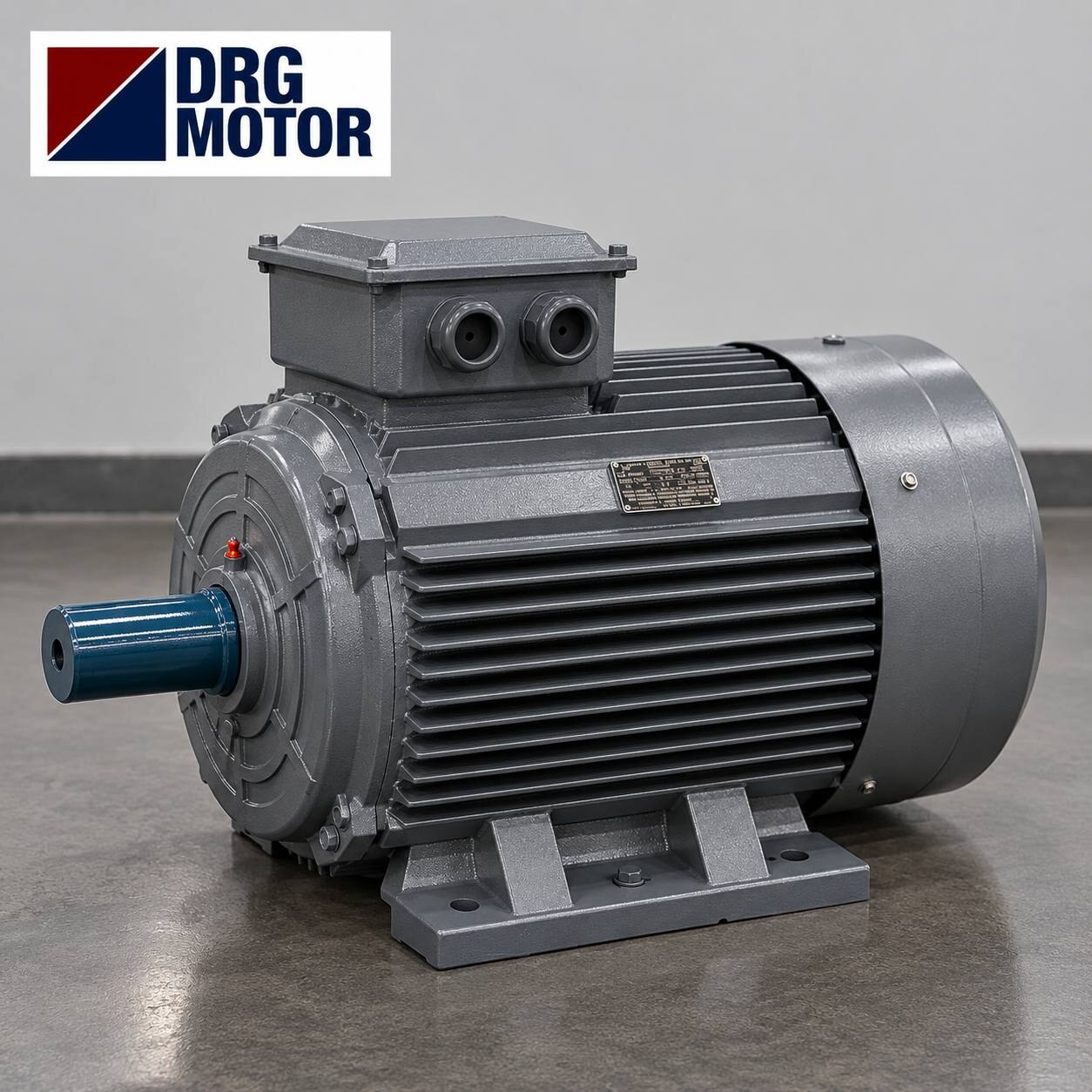

Electric motors cannot convert all of the energy they draw from the network into useful work; a portion is used to create the magnetic field and never turns into work. The concept that expresses this situation is the power factor, usually denoted by cosφ. The power factor is an important value showing how efficiently a motor uses energy, and it directly affects both energy cost and installation load. So why is the power factor so important in electric motors?
At DRG Motor, in this article we examine what the power factor is, why it matters and how it should be evaluated in motor selection. To refresh the basic concepts of a motor, you can look at our article on what an electric motor is.
What Is the Power Factor?
The power factor is the ratio showing how much of the total (apparent) power the motor draws from the network is converted into useful (active) work. Its value lies between 0 and 1, and energy is used more efficiently as it approaches 1. It is usually expressed as cosφ and stated on the motor nameplate. This value is an important indicator of the motor's electrical efficiency.
A high power factor means that a large part of the energy drawn is converted into work. A low power factor, by contrast, shows that a significant portion of the energy is not converted into work.
Active, Reactive and Apparent Power
A motor has three types of power: the active power that turns into useful work, the reactive power needed for the magnetic field, and the apparent power that combines the two. The power factor is the ratio of active power to apparent power. Although reactive power does not turn into work, it is drawn from the network and burdens the installation. Low reactive power is therefore desirable.
The balance among these three powers determines how efficiently the motor uses energy. The power factor summarises this balance in a single value.
Why Does Reactive Power Arise?
Electric motors need a magnetic field to operate and draw reactive power to create it. This power does not turn into work but is necessary for the motor to run. Asynchronous motors, by their nature, draw a certain amount of reactive power. This causes the power factor to be less than 1.
Reactive power is part of the motor's nature; it cannot be eliminated entirely but can be managed. The aim is to minimise unnecessary reactive power.
The Harms of a Low Power Factor
A low power factor means more current is drawn from the network to do the same work. This extra current needlessly burdens and heats the cables, transformers and installation. It also increases energy losses and raises cost. A low power factor is therefore both a technical and an economic problem.
Many electricity distribution companies also apply an extra charge for a low power factor. This directly increases the cost of a low power factor.
The Advantages of a High Power Factor
A high power factor means doing the same work with less current. This reduces losses, eases the installation and lowers energy cost. A motor with a high power factor places less burden on the network and runs more efficiently. This advantage is especially pronounced in plants running many motors.
Quality and high-efficiency motors generally have a better power factor, which makes them advantageous in terms of energy.
Power Factor and the Energy Bill
The power factor directly affects the energy bill. A low power factor raises the bill both through extra current and through the reactive-power penalty applied by the distribution company. A high power factor, on the other hand, removes these costs. The power factor is therefore an important component of operating cost.
Reducing the reactive-power item on the bill comes through improving the power factor, which provides direct savings.
Power Factor and Motor Load
A motor's power factor varies with the load at which it runs. A motor running near its rated load exhibits the best power factor. A motor running at very low load has a low power factor. The motor running at the correct load is therefore also important for the power factor.
An oversized motor running at low load is both inefficient and low in power factor. Correct power selection prevents this problem.
The Power Factor Value on the Nameplate
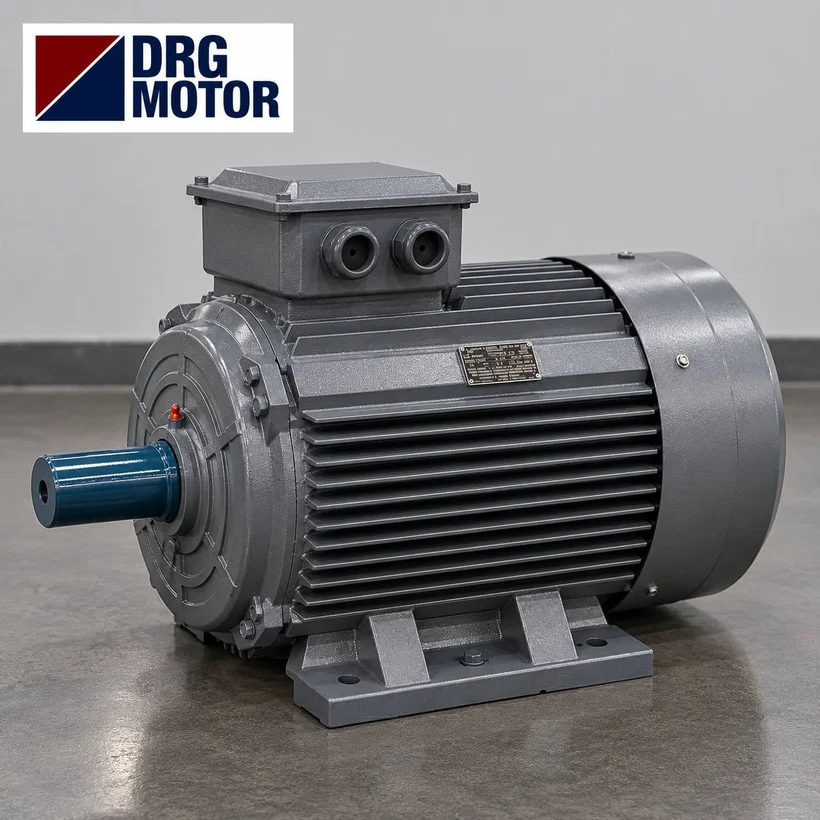
A motor's power factor is stated as cosφ on its nameplate. This value shows the motor's power factor at its rated load. In motor selection, a high value is preferred. We cover nameplate reading in our article on nameplate details.
The cosφ value on the nameplate gives an idea about the motor's electrical quality. A high value points to a more efficient motor.
Power Factor Correction (Compensation)
A low power factor can be corrected using capacitors; this is called compensation. Capacitors supply part of the reactive power the motor draws, reducing the reactive power drawn from the network. In this way the power factor improves and cost falls. Compensation is a common practice in industrial plants.
A correctly sized compensation system raises the power factor to the target value, providing both technical and economic benefit.
Power Factor and Winding Quality
The motor's winding design and quality affect the power factor. A well-designed motor exhibits a better power factor. Low-quality motors, by contrast, generally have a lower power factor. Winding quality is therefore also important for the power factor.
We explain the importance of winding quality in our article on rotor copper-wound electric motors. Quality windings mean a good power factor.
The Relationship Between Power Factor and Efficiency
Although the power factor and efficiency are different concepts, they are related to each other. High-efficiency motors generally also have a better power factor. Together, they determine how effectively the motor uses energy. Both values are therefore taken into account in motor selection.
We discuss the importance of efficiency classes in our article on high-efficiency electric motors. High efficiency and a good power factor are the ideal combination.
Frequency Inverter and Power Factor
Using a frequency inverter can help improve the motor's power factor. The inverter runs the motor only as loaded as needed, allowing energy to be used more efficiently. This offers an advantage in terms of the power factor and overall energy efficiency. The inverter is part of modern energy management.
We explain the inverter's savings logic in our article on the frequency inverter and energy saving. The inverter allows energy to be used efficiently.
The Importance of Power Factor in Industry
Because many motors run in industrial plants, the power factor has a large effect in total. A low power factor raises the plant's energy cost and network load. The power factor is therefore managed carefully in industry. A high power factor provides significant savings in industry.
For industrial applications, you can look at our article on industrial electric motors. In industry, the power factor is at the centre of energy management.
Power Factor and Installation Sizing
A high power factor, doing the same work with less current, allows thinner cables and smaller installation equipment to be used. A low power factor, by contrast, requires thicker cables and larger equipment. This affects installation cost. The power factor therefore also plays a role in installation design.
A good power factor makes the installation more economical and efficient, which is a long-term advantage.
How Is the Power Factor Measured?
The power factor can be measured with special measuring devices or analysers. This measurement shows the actual power factor of the motor or the plant and reveals the need for improvement. Regular measurement allows the power factor to be monitored. This is part of energy management.
Measurement-based management keeps the power factor at the target level, which means cost control.
Power Factor and Motor Selection
When selecting a motor, preferring one with a high power factor provides a long-term advantage. These motors draw less reactive power and ease the installation. The cosφ value on the nameplate is the guide in this selection. A high power factor is part of an informed choice.
Correct motor selection should be evaluated in terms of both efficiency and the power factor, which provides the best energy performance.
Quality Motors From the Right Supplier
Buying a high-power-factor, efficient motor from the right supplier secures energy performance. A reliable seller shares the motor's cosφ and efficiency values transparently. This lets you make an informed choice. The right supplier means a quality motor.
We explain the criteria for choosing the right supplier in our article on choosing an electric motor dealer. Transparent information is the foundation of the right choice.
What Does the cosφ Value Mean?
cosφ is the cosine of the phase difference between current and voltage and expresses the power factor. The closer this value is to 1, the more in harmony the current and voltage are. For example, a cosφ of 0.85 shows that 85 percent of the energy is converted into work. This simple value summarises complex efficiency information.
Understanding the cosφ value lets you interpret the motor's electrical behaviour, which means an informed evaluation.
The Reactive-Power Penalty
Electricity distribution companies apply an extra charge for a power factor below a certain threshold. This penalty is the direct financial consequence of a low power factor. Improving the power factor lets you avoid this penalty. Industrial plants therefore monitor the power factor carefully.
Avoiding the reactive-power penalty is possible through compensation and correct motor selection, which provides a visible saving on the bill.
The Effect of Idle Running
When a motor runs unloaded (idle), its power factor drops sharply, because most of the energy drawn is reactive power. Running motors needlessly at idle therefore worsens the power factor. Stopping unused motors is beneficial in terms of both energy and the power factor.
Avoiding idle running is a simple but effective measure that prevents both wasted energy and a low power factor.
The Compensation Panel
In industrial plants, central compensation panels are installed to correct the power factor. These panels automatically balance reactive power with capacitor banks. Automatic compensation keeps the power factor continuously optimal as the load changes. This system is the foundation of energy management in industry.
A correctly designed compensation panel improves the power factor of the entire plant, preventing both penalties and losses.
Power Factor and Motor Count
The more motors a plant has, the greater the total effect of the power factor. Many low-power-factor motors seriously lower the plant's overall power factor. Each motor's power factor is therefore important in the total picture. High-power-factor motors make a large difference in total.
As the number of motors increases, power factor management becomes more critical, which makes correct motor selection important.
Power Factor and Network Health
A high power factor benefits not only the plant but the general electricity network as well. Less reactive power reduces the load and losses on the network. This means healthier and more efficient energy distribution. The power factor provides both an individual and a collective benefit.
Network-friendly operation is part of sustainable energy use. A high power factor supports this goal.
Power Factor and Heating
The extra current drawn because of a low power factor causes the cables and the motor to heat more. This heating is a factor that both wastes energy and shortens equipment life. A high power factor, by contrast, prevents this extra current and heating. Equipment therefore runs cooler and lives longer.
We explain the importance of heat control in our article on electric motor temperature control. A good power factor also reduces heating.
The Power Factor of Synchronous Motors
Synchronous motors have the ability to adjust the power factor and can even be used to improve the network's power factor. Asynchronous motors, by contrast, draw a certain amount of reactive power. This difference can play a role in motor type selection depending on the application. Synchronous motors offer a power factor advantage in some cases.
The effect of motor type on the power factor is taken into account in special applications. Correct type selection contributes to energy management.
The Role of Correct Sizing
Selecting a motor at the correct power directly affects the power factor. An oversized motor runs at low load and exhibits a low power factor. A correctly sized motor, on the other hand, runs near its rated load and offers a good power factor. Correct power selection is therefore important for the power factor too.
You can find the power options in our power (kW) and speed table. The right power provides a good power factor.
Power Factor and Energy Efficiency Goals
Many businesses attach importance to improving the power factor in line with their energy efficiency goals. A high power factor supports these goals in terms of both cost savings and sustainability. The power factor is therefore an indicator of modern energy management. A good power factor is the sign of an efficient business.
Energy efficiency goals also cover power factor management, which means a holistic energy approach.
The Benefit of Monitoring the Power Factor
Monitoring the power factor regularly lets problems be noticed early and the necessary measures taken. A sudden drop in the power factor can be a sign of a motor or compensation problem. This monitoring helps keep energy cost under control. Regular tracking is part of effective energy management.
Monitoring-based management keeps the power factor at the target level, which provides continuous savings.
Why the Power Factor Matters at a Glance
The power factor is a critical value affecting energy cost, installation load, heating and network health. A high power factor provides an advantage from all these angles, while a low power factor means cost and problems. The power factor should therefore not be overlooked in motor selection and energy management. This value is the key to efficient energy use.
Understanding and managing the power factor pays off in terms of both cost and efficiency, which means informed energy management.
DRG Motor for Motors With a Good Power Factor
At DRG Motor, we offer quality motors with high efficiency and a good power factor. Our aim is to ensure your business uses energy in the most efficient way and avoids unnecessary reactive-power costs. By balancing correct power, efficiency and power factor, we recommend the most suitable solution.
To select a high-power-factor, efficient motor and to receive technical support, you can contact DRG Motor and explore our range on the products page, or visit our home page. A good power factor is the key to using your energy in the most efficient way.