 English
 Le français
 Türkçe

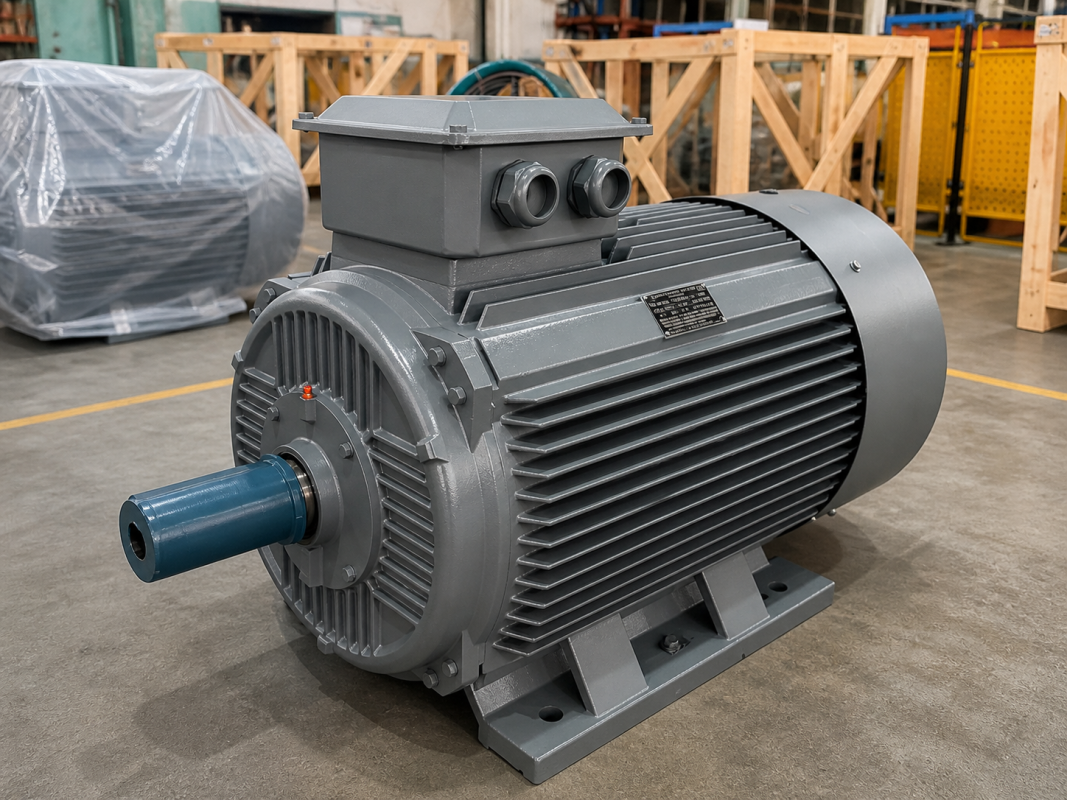

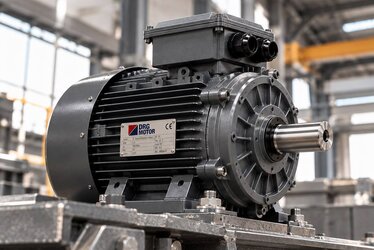
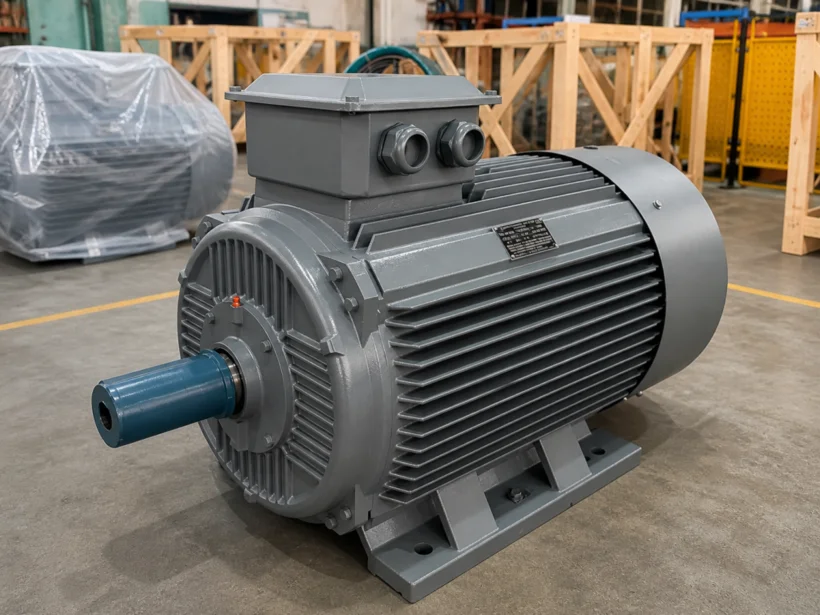
Compressors are the machines that produce compressed air in industry; they are the lifeblood of production lines and many pneumatic systems. The electric motor that drives these machines is the heart of the compressor, and it faces a special challenge: the compressor cuts in against high resistance at the moment of starting. For that reason, compressor motors demand far higher starting torque than an ordinary application. So why do compressor motors require high starting torque, and how do you choose the right motor?
At DRG Motor, this article looks at the importance of starting torque in compressor applications, motor selection and the durability criteria involved. To refresh the concept of torque and the basic operating logic of a motor, you can take a look at our article on what an electric motor is.
What Is a Compressor and How Does It Work?
A compressor is a machine that produces compressed air by squeezing air together. This compressed air is used in pneumatic tools, production lines, painting and packaging systems. The compressor needs a constant force to compress the air, and the electric motor provides that force.
Compressing air places a constant and variable load on the motor. For that reason, the compressor motor must be both powerful and durable.
Why Must Starting Torque Be High?
The compressor applies high resistance to the motor, especially when it cuts in while compressed air is still inside it. To overcome this resistance and turn the compressor, the motor needs high starting torque. Insufficient starting torque causes the motor to struggle, draw excessive current and overheat.
For that reason, compressor motors are selected with a torque capacity capable of handling the high load at the moment of starting. The correct starting torque allows the compressor to cut in safely.
Mechanical Inertia and Torque
The rotating parts of a compressor resist being set in motion when stationary; this is called mechanical inertia. To overcome this inertia, the motor has to produce extra torque at startup. The greater the inertia, the higher the required starting torque.
A motor that produces high starting torque overcomes this inertia without struggling. This allows the compressor to cut in quickly and safely.
Starting Current and Protection
Compressor motors draw far higher current at startup than during normal operation. This high current strains both the motor and the supply network. For that reason, suitable starting methods and protection systems are used on compressors. The right protection prevents the motor from being damaged during starting.
Star-delta starting or a soft starter limits the starting current and protects the motor. These methods extend the life of the compressor motor.
Choosing the Correct Power (kW)
The power of the compressor motor is determined by the compressor's capacity and operating pressure. Insufficient power means the compressor cannot reach the required pressure, while excessive power leads to needless energy consumption. The correct power selection delivers both performance and efficiency.
To see the power options and which rating suits which application, you can refer to our power (kW) and speed table. The correct power is the foundation of compressor efficiency.
Speed Selection and Compressor Type
Piston compressors generally run with medium-speed motors, while screw compressors work with different speed profiles. The type of compressor determines the motor's speed. The correct speed ensures the compressor operates efficiently and smoothly.
Screw compressors are suited to continuous, quiet operation, while piston compressors come to the fore in intermittent duty. Each type demands a motor suited to it.
Frequent Cutting In and Out
Piston compressors cut in as the pressure drops and stop once the target pressure is reached. This frequent start-stop cycle strains the motor and requires high torque and current at every start. For that reason, compressor motors must be able to withstand frequent cutting in and out.
In a frequently cycling motor, starting torque and heat resistance are critically important. A durable motor withstands this cycle trouble-free for a long time.
Durability and the Cast Iron Frame
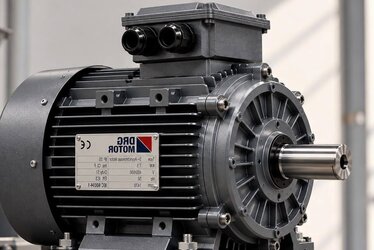
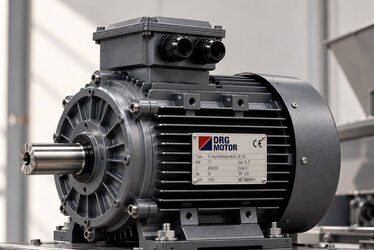
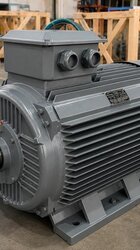
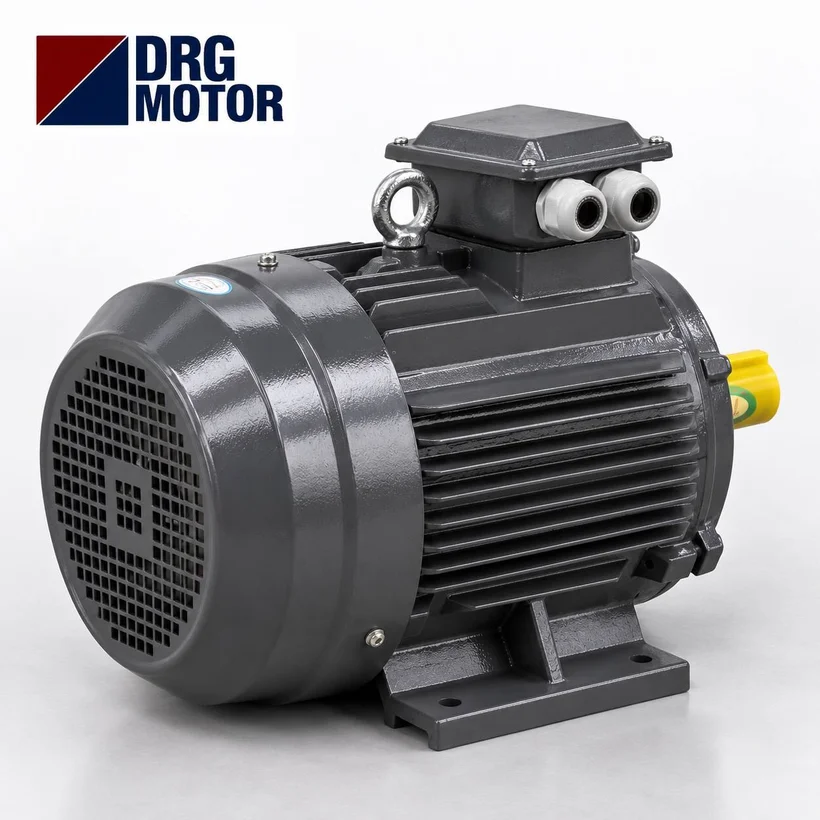
Because compressor motors operate at high load with frequent starts, they need a durable housing. A cast iron frame offers a structure that is both solid and dissipates heat well. This protects the motor under demanding operating conditions.
We explain the advantages of the cast iron frame in detail in our article on the cast iron electric motor. A solid housing extends the life of the compressor motor.
Heating and Cooling
Compressor motors that run continuously at high load produce considerable heat. For that reason, a good cooling system and a motor that runs cool are important. Overheating wears out the insulation and shortens the motor's life. Adequate cooling keeps the motor safe.
Because high-efficiency motors run cooler, they are advantageous in compressor applications from this point of view as well. Low heat rise means both safety and long life.
Efficiency and Energy Cost
Compressors are among the biggest energy consumers in industry. For that reason, the motor's efficiency directly affects the operating cost. A high-efficiency motor produces the same compressed air using less energy and delivers significant savings over time.
We discuss how efficiency classes benefit your operation in our article on high-efficiency electric motors. In a compressor, efficiency is reflected directly in the energy bill.
Rotor and Winding Quality
A compressor motor's ability to produce high torque steadily depends on the quality of its rotor and copper winding. A quality copper winding increases efficiency and reduces heating, while a balanced, solid rotor carries the high torque safely.
We explain the effect of winding quality on performance in our article on rotor copper-wound electric motors. A quality winding is the foundation of a powerful compressor motor.
Three-Phase Compressor Motors
Because industrial compressors require high power, they almost always run with 380V three-phase motors. Three-phase motors produce high torque and power in a balanced way. In small workshop compressors, single-phase motors may be used.
The correct supply type is essential for the compressor to run trouble-free. In high-power compressors, a three-phase motor is the most suitable and efficient choice. You can read more in our article on three-phase motors in industry.
Soft Starting and the Frequency Inverter
A frequency inverter brings the compressor motor up to speed gently, reducing the starting current. It also saves energy by providing speed control in screw compressors. The inverter protects both the motor and the supply network from the strain of starting.
In systems with variable air demand, an inverter-driven compressor delivers significant energy savings. This in turn lowers the operating cost of the compressor.
Common Uses
There are other heavy applications, like compressors, that demand high starting torque. For example, stone crushing and crusher plants require high torque in a similar way to compressors. Durable, powerful motors are preferred in these applications too.
For an example of a heavy application that demands high torque, you can look at our article on stone crushing plant motors. High torque is the common need of demanding applications.
Correct Mounting and Alignment
The mounting type and alignment of the compressor motor affect performance and service life. Foot-mounted (B3) mounting is common on compressors. The alignment between the motor and the compressor must be carefully ensured; otherwise, vibration and bearing failure occur.
Correct mounting ensures the power is transmitted efficiently to the compressor and that operation is balanced. Faulty alignment, on the other hand, leads to premature failure.
Vibration and Noise Control
Compressors produce vibration and noise by their very nature. A motor with a balanced rotor and quality bearings reduces this vibration. Low vibration is important both for operating comfort and for the life of the motor and compressor.
Excessive vibration loosens connections over time and leads to failure. For that reason, a balanced, quality motor is an important selection criterion in a compressor.
Thermal Protection and Safety
In compressor motors, thermal protection is an important safeguard against overheating and overload. When the motor exceeds a certain temperature, the protection cuts in and stops the motor. This prevents the risk of burnout, especially in continuously running compressors.
A motor with thermal protection protects itself during unexpected load increases. This in turn prevents costly failures.
The Consequences of Choosing the Wrong Motor
Choosing the wrong motor for a compressor leads to serious problems. Insufficient starting torque causes the motor to struggle and burn out at startup, while low power means the required pressure cannot be reached. These mistakes mean both lost production and added cost.
The right choice, on the other hand, allows the compressor to cut in safely and operate efficiently. That is why motor selection is one of the most critical decisions for a compressor system.
Service Plan and Spares
A long service life for a compressor motor is possible with regular maintenance. Checking the bearings, cleaning, verifying connection tightness and monitoring heat rise are the basic maintenance steps. In compressor motors that cut in frequently, maintenance becomes even more important.
Neglected maintenance can turn into major failures in a motor strained by frequent starts. Planned maintenance noticeably extends the motor's life.
Industrial Compressor Systems
In large production plants, central compressor systems supply compressed air to the entire factory. In these systems, uninterrupted and efficient operation of the motor is critical for the continuity of production. A stopped compressor motor can affect the whole line.
You can look at our article on industrial electric motors for motors suited to heavy industrial conditions. Industrial compressors demand a reliable motor.
Total Cost and Return on Investment
The cost of a compressor motor is not limited to the purchase price; energy consumption is the largest expense item. Although a high-efficiency motor is a little more expensive at the outset, its low consumption quickly closes the gap. In hard-working compressors, this difference reaches a significant sum.
For that reason, when choosing a compressor motor you should look not at the initial price but at the total cost of ownership. An efficient motor pays you back throughout its life.
A Compressor Motor From the Right Supplier
Buying your compressor motor from the right supplier is as important as the quality of the product itself. A reliable supplier recommends a motor with the correct starting torque and power, provides a warranty and offers technical support. This makes it easier to find the most suitable motor for your compressor.
We explain the criteria for choosing a reliable supplier in our article on choosing an electric motor dealer. The right source means the right compressor motor.
Next-Generation Compressor Motors
Next-generation motors are more efficient and durable than older motors thanks to their advanced design. Replacing old motors in compressors with new high-efficiency motors lowers energy costs and improves performance. In hard-working compressors, this transition pays for itself in a short time.
We discuss the advantages of modern motors in our article on next-generation electric motors. New-generation technology makes a difference in compressors too.
The Difference Between Piston and Screw Compressors
Piston compressors compress air with a piston and are suited to intermittent duty, so they demand high torque with frequent starts. Screw compressors run continuously and more quietly, which requires a different motor profile. The type of compressor directly determines the motor's duty regime.
The correct motor should be chosen according to the compressor's type and the way it operates. This matching delivers both efficiency and long service life.
Pressure Requirement and Power
The pressure a compressor must produce directly affects the motor's power requirement. Higher pressure means compressing the air more, and this requires more power. For that reason, the operating pressure is an important parameter in motor selection.
The correct balance of power and pressure ensures the compressor operates at the targeted performance. Insufficient power means failing to reach the required pressure.
Air Receiver and Cutting In
In piston compressors, the air receiver stores compressed air and reduces how often the compressor cuts in. A correctly sized receiver allows the motor to start less often and therefore to be strained less. This extends the motor's life.
A small receiver means frequent starts and tires the motor out. For that reason, the receiver size is a factor that affects the motor's working load.
Operating Environment and Dust
Compressors often operate in dusty industrial environments. An adequate IP protection class is needed to protect the motor in this environment. Dust blocks the motor's cooling and leads to overheating, so both protection and regular cleaning are important.
The correct protection class protects the motor from dust and moisture. This in turn ensures a long service life for the compressor.
Speed Control for Energy Saving
Speed control with a frequency inverter in screw compressors ensures air is produced only as much as needed. When demand drops, the motor slows down, preventing unnecessary energy consumption. This method delivers significant savings in compressor systems.
A compressor running at fixed speed consumes the same energy even when demand falls. Speed control eliminates this waste and lowers the bill.
What the IE Class Changes on the Bill
Because compressors consume a great deal of energy, the motor's efficiency class is highly important. Motors in a high efficiency class such as IE3 or IE4 do the same job with less energy. In continuously running compressors, this difference creates a noticeable saving in annual cost.
A high efficiency class offers an advantage in a compressor motor in terms of both energy and heating. An efficient motor is the most economical choice in the long run.
Expert Support for the Right Choice
Choosing a motor for a compressor requires evaluating many factors together, such as starting torque, power, pressure, duty regime and environment. When in doubt, consulting an expert eliminates the risk of a wrong choice. The right support helps you find the most suitable motor.
At DRG Motor, we offer technical support to determine the most suitable motor for your compressor. The right choice delivers both efficiency and long service life.
DRG Motor for Dependable Compressor Power
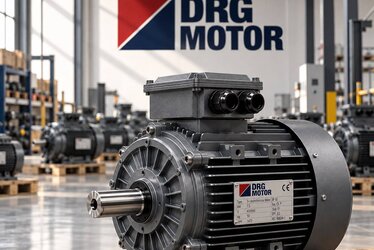
At DRG Motor, we supply high-starting-torque, durable cast iron framed and high-efficiency motors for piston and screw compressors. Our aim is to ensure your compressor cuts in safely and operates efficiently. By bringing together the correct power, torque and durability, we recommend the solution best suited to you.
To choose the most suitable motor for your compressor and to receive technical support, you can get in touch with DRG Motor and review our product range on our products page, or visit our homepage. The right compressor motor makes your compressed air production uninterrupted and economical.