 English
 Le français
 Türkçe



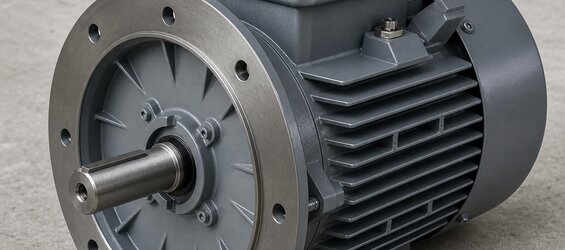
Ordering the Right Motor by S1 and S3 Duty Cycle
Choosing an electric motor by glancing at the kilowatt rating on the nameplate is one of the most common and most expensive mistakes a buyer can make. Two motors with the same rate... More Details

Electric motors convert electrical energy into mechanical (motion) energy and form the backbone of modern industry. From conveyors to pumps, fans to compressors, cranes to stone-crushing plants, an electric motor is involved at nearly every stage of production. Given that a very large share of the world's industrial electricity consumption comes from electric motors, choosing the right motor is a critical decision for both efficiency and cost. At DRG Motor, this category brings together a wide range: from standard and high-efficiency (IE3, IE4, IE5) asynchronous motors to durable cast iron body series, from single-phase and three-phase models to heavy-duty industrial motors.
Asynchronous (induction) electric motors produce rotation through the electromagnetic interaction between the rotating magnetic field created in the stator and the rotor. With no brushes or commutator, this design makes the motor durable, easy to maintain and long-lasting. This reliability makes the asynchronous motor the most preferred motor type in industry.
The following criteria should be considered together when selecting a motor:
Electric motors are used in almost every sector, including food, textile, metal, plastics, cement, mining, water/wastewater, agriculture and general manufacturing. Pumps, fans, blowers, compressors, conveyors, cranes and crushing-screening plants are the most common applications. In continuously running systems, choosing high efficiency motors can significantly reduce energy costs.
DRG Motor offers high quality standards, competitive pricing and fast delivery throughout Türkiye from its İzmir-based stock. All our motors comply with international efficiency standards (IEC 60034-30-1). With current high efficiency electric motors, technical documents and expert support, you can easily determine the most suitable solution for your needs; explore our range to choose the right motor.
For more about our company and the full product range, visit the DRG Motor electric motor supplier homepage.
For quick calculations, use our electric motor calculator (kW⇄HP, RPM, torque, current).
Choosing an electric motor by glancing at the kilowatt rating on the nameplate is one of the most common and most expensive mistakes a buyer can make. Two motors with the same rate... More Details
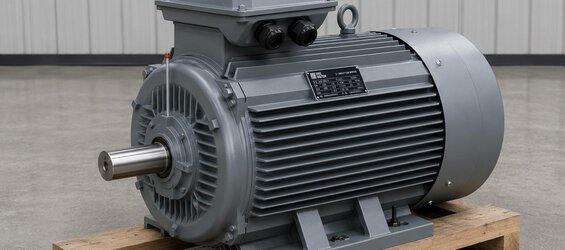
Cooling towers are among the most critical pieces of infrastructure in any industrial facility, rejecting the plant's heat load into the atmosphere, and at the heart of this system... More Details
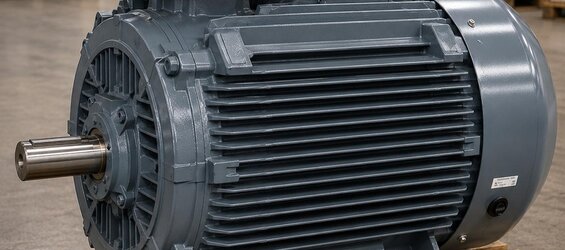
Crushers and stone crushing plants present some of the harshest operating conditions an industrial motor will ever face. The instant a hard rock enters a jaw or impact crusher, a s... More Details
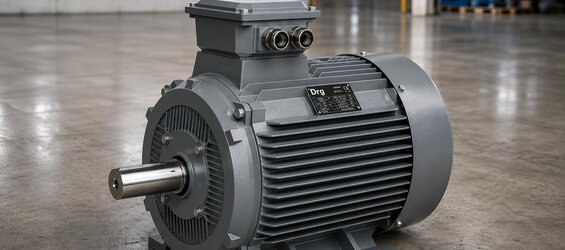
When the same motor burns out for the third time in six months, most plants instinctively call the rewinder first. Yet behind a recurring failure there is rarely a purely electrica... More Details
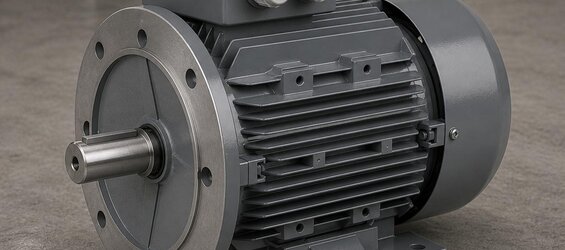
One of the most common mistakes we see in the field is ordering a motor with exactly the right power and speed, yet with the wrong mounting type. The motor arrives, the nameplate i... More Details
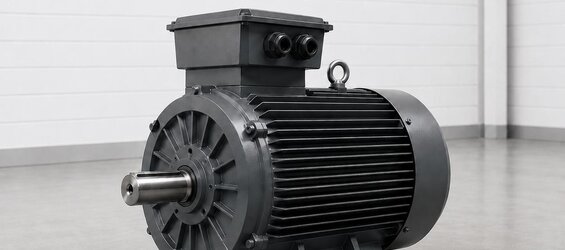
Pharmaceutical production sites are among the rare industrial environments where hygiene, process reliability and explosion risk must all be managed at once. Solvent vapors, mixtur... More Details
The single most confusing thing buyers face when sourcing a three-phase motor is seeing two products with the same rated power carry very different price tags. That gap is never ra... More Details
Mixing and agitation are among the most demanding industrial duties an electric motor can face. Whether you are blending dense slurry, dispersing pigment into a viscous medium, sti... More Details
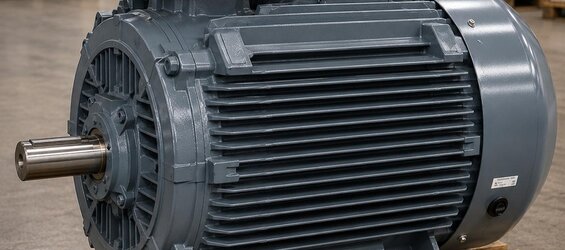
When a 75 kW electric motor enters a project, you are no longer talking about a small-scale sourcing decision but about a serious investment destined for the very heart of a produc... More Details
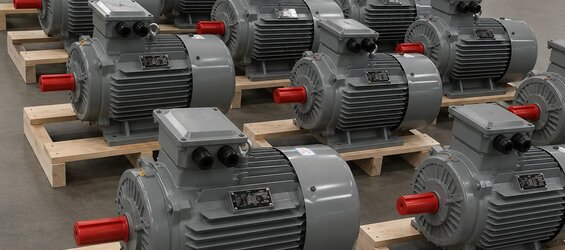
Selecting an electric motor for a chemical plant is a far more delicate engineering decision than ordinary industrial sourcing. Wherever solvent vapor, combustible dust, acid aeros... More Details
In industrial zones and large production plants, the electric motor sits at the heart of almost every machine. Conveyors, fans, pumps, compressors and countless workstations all ru... More Details
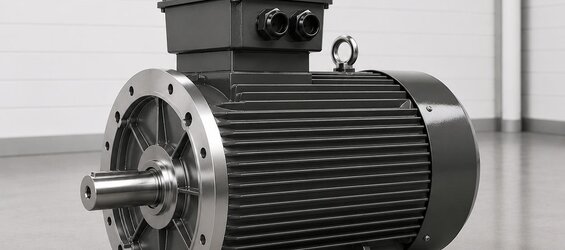
When a production line stops, the clock starts immediately. The replacement for a failed motor should not be an order that arrives weeks later, but a solution that ships the same d... More Details
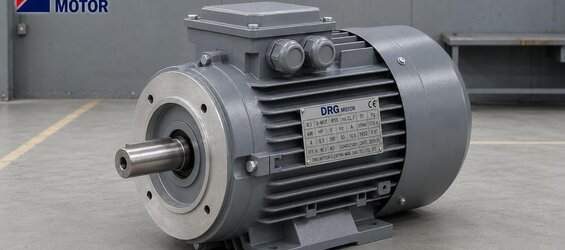
In centrifugal pump systems, most of the efficiency and durability depends on choosing the right motor to drive the pump. A wrong kW rating, mismatched speed, or an unsuitable prot... More Details
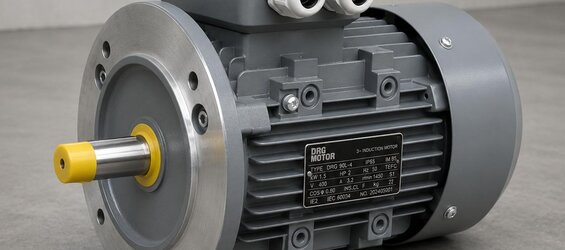
A motor delivers its full nameplate rating in a cool workshop at sea level, yet the very same motor is forced to run below that label on a high mountain plateau or in the hot bay o... More Details
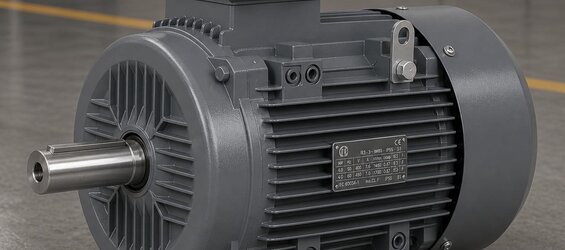
When the electric motor that keeps a plant alive fails to start one morning, only one question really lands on the desk: should this motor be repaired, or should it be replaced? Th... More Details
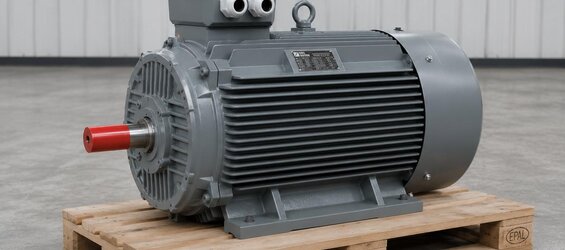
Before fitting a new motor onto an industrial line, the first question worth asking is not the power rating printed on the nameplate, but at what speed and with which mounting geom... More Details
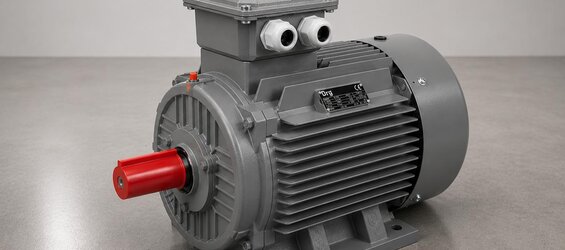
The single most common requirement in the mid-power range of any production line is a four-pole drive motor with sensible torque, and the choice that fills this gap precisely is th... More Details
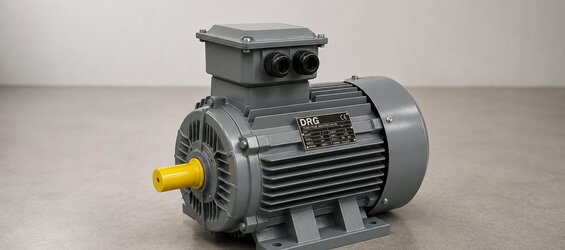
In grain and flour production, milling lines run around the clock. Roller mills, sifters, aspirators and screw conveyors turn for hours under continuous load. The driving power at ... More Details
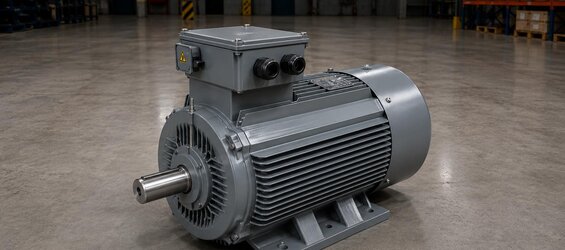
In farming, productivity is often decided long before the field work begins — it is decided at the pump station, in the greenhouse ventilation line and on the feed system by how du... More Details
For any manufacturer, the electricity bill creeping higher every quarter has stopped being an exception and become the baseline. Against that backdrop, old and low-efficiency motor... More Details