English
 Le français
 Türkçe

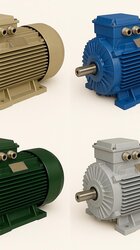
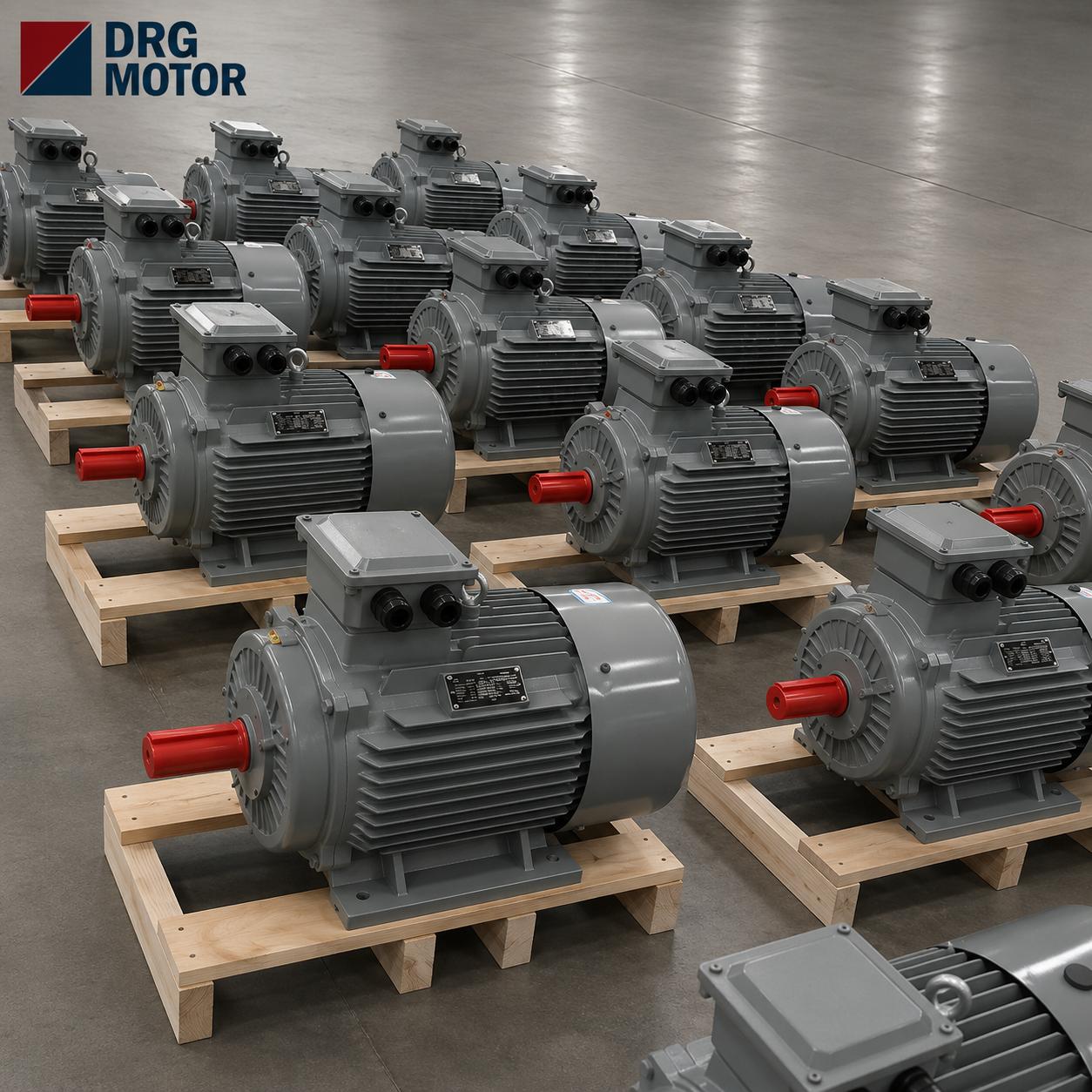

Selecting an electric motor for a chemical plant is a far more delicate engineering decision than ordinary industrial sourcing. Wherever solvent vapor, combustible dust, acid aerosol or an explosive gas mixture is present, it is not enough for a motor to be powerful and efficient; it must be certified so that it cannot ignite the surrounding atmosphere. At DRG Motor we answer this critical need of the chemical sector with correctly classified explosion-proof motor stock and a fast supply network. Once you share your plant's zone map and process data, we prepare a quotation that includes the most suitable protection type and a clear delivery plan.
Reading Explosion Risk Correctly in Chemical Plants
In a chemical plant an explosive atmosphere does not always announce itself as a visible hazard. Solvent vapor leaking around a reactor, dust settling on filling lines, or a gas cloud forming near a valve can turn into a disaster the moment it meets the brush sparking or surface temperature of an ordinary motor. That is why the ATEX zone classification of the environment must be clear before any supply begins. The distinction between Zone 0, 1, 2 for gas and vapor, and Zone 20, 21, 22 for dust, directly determines which protection type is required. We ask our customers for this classification and the relevant material safety data so that we never recommend an over-protected or, worse, an under-protected unit. Every decision made before the zone classification is settled translates into either unnecessary cost or unacceptable risk. Whether an area is Zone 1 or Zone 2 depends on how often and for how long a gas cloud forms, and that distinction directly changes the equipment category of the motor to be supplied. When a chemical operation confuses real field conditions with assumptions on paper, it either overpays or runs into trouble during inspection. By clarifying these points before the quotation, we make sure your purchasing decision is defensible both technically and financially. A correct zone reading is the first and most decisive step toward the right explosion-proof motor selection.
Choosing Between Ex d, Ex e and Ex de Protection
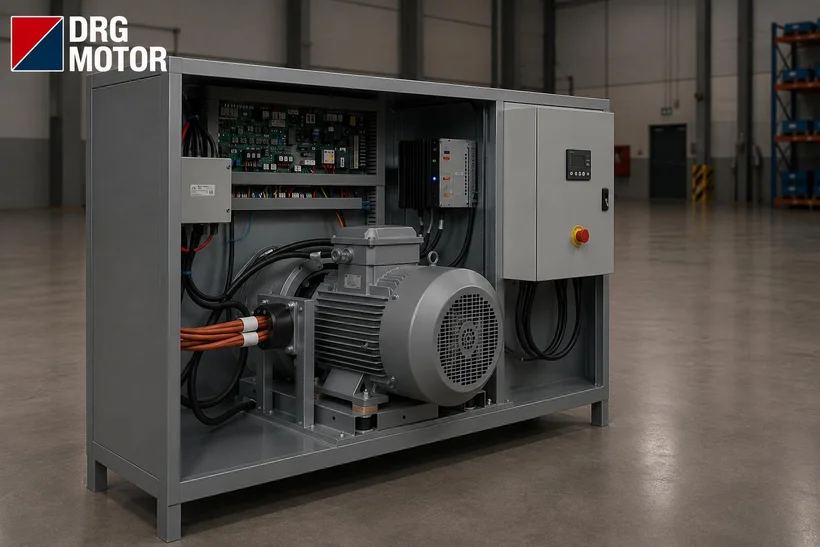
The protection types most often encountered in explosion-proof motors are flameproof enclosure (Ex d), increased safety (Ex e), and the combination of the two (Ex de). Ex d motors contain any internal explosion within the enclosure and prevent flame transmission to the outside atmosphere; they are preferred in heavy gas environments. Ex e motors aim to prevent sparking in the first place and offer an economical solution for lower-risk zones. Chemical plants frequently present a mixed picture, and the right choice is decisive both for safety and for total cost of ownership. To evaluate which type suits your facility without straining your budget, we present all options transparently during the quotation process. In practice, a mixer motor and an exhaust fan motor may require different protection types even within the same plant. Because Ex d enclosures are heavier and generally more expensive, insisting on them everywhere creates an unnecessary burden where it is not required; conversely, settling for Ex e where the risk is high is an unacceptable compromise. Striking this balance is the most concrete contribution an experienced supplier can offer. We help teams working in the chemical sector evaluate each motor location individually, showing which protection type is genuinely necessary, so that safety is fully ensured without inflating the total investment. Keeping products of different protection types in stock also speeds up the transition process.
Why Temperature Class Is Never Negotiable
One of the most critical parameters of an explosion-proof motor is the temperature class, determined by the ignition temperature of the substances present. This scale, running from T1 to T6, defines the maximum surface temperature the motor may reach. If a low-ignition substance such as carbon disulfide is present, a T6 class motor is required, whereas T3 may suffice with solvents of higher ignition points. The wrong temperature class can make even a certified motor dangerous. At DRG Motor we match the temperature class of every unit we supply to your process fluids and deliver the nameplate and certificate documentation in full. In the chemical sector there is often not a single substance but several solvents and intermediates present in the same environment; in that case the substance with the lowest ignition temperature determines the required temperature class. When this detail is overlooked, actual safety is not achieved even if the motor brought to site carries a certificate. Moreover, since ambient temperature, the motor's operating load and ventilation conditions all affect surface temperature, the classification should not be viewed solely as a nameplate value. When preparing a quotation we treat your process information with this rigor, and where appropriate we recommend a safer higher class for a small cost difference, protecting you from a possible accident and shutdown. The correct temperature class is the cheapest insurance in the long run.
Corrosion and Continuous Duty: Durability in Chemistry
Chemical plants do not only carry explosion risk; aggressive chemical environments constantly wear down the motor frame, bearings and cable glands. Acidic vapors erode the paint layer and degrade insulation, while saline conditions accelerate rust. For this reason, when supplying an Ex-proof motor, read the certificate, the material quality, the coating and the IP protection rating. In continuous processes, a stalled motor means serious production loss. In chemical plants, an unexpected stop of a reactor line or a feed pump endangers not only that hour's output but sometimes the quality of an entire batch. For this reason corrosion resistance is not a luxury in the chemical sector but a direct part of production continuity. When the right coating and a suitable IP rating are chosen, the service life of the motor extends noticeably, the frequency of unplanned maintenance drops, and the total cost of ownership declines. Our priority is to bring to site a motor that not only meets today's need but will survive years in an aggressive environment.
- High IP54/IP55 and above dust and moisture protection
- Chemical-resistant paint and corrosion-resistant frame options
- Insulation classes suited to continuous heavy duty (S1) operation
- Spare-part and rapid-replacement availability from stock
Moving From a Standard Industrial Motor to Ex-proof
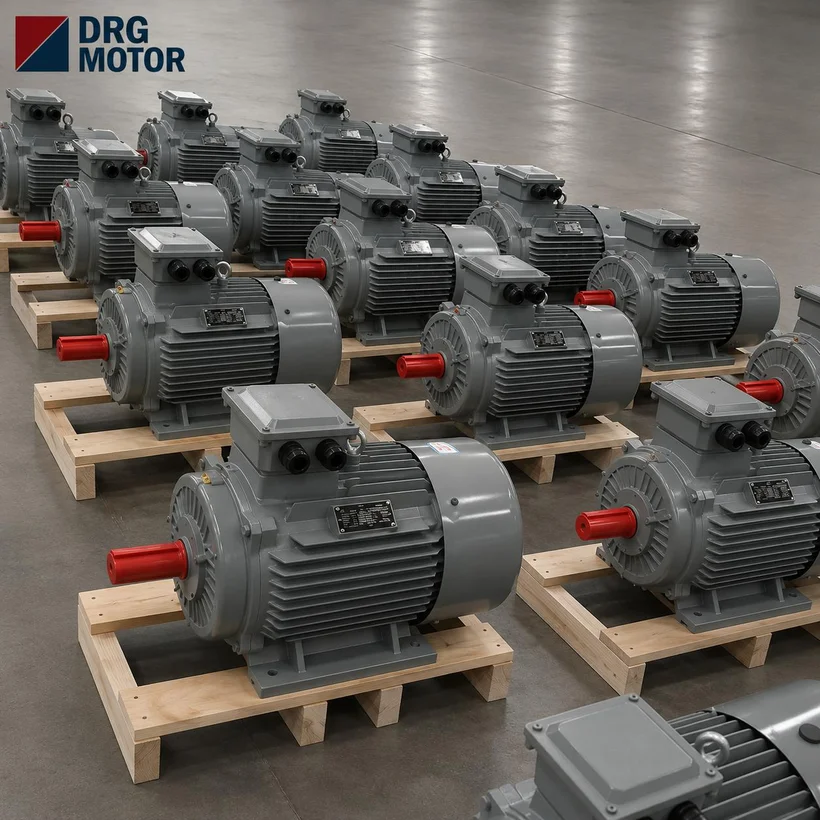
Many chemical operations run standard products in the non-hazardous parts of the plant and then face a need for special protection at the transition into risk zones. Correctly mapping the difference between the general-purpose industrial motors used on pumps, mixers and fans and the explosion-proof models optimizes both safety and budget. As DRG Motor we can supply your entire facility from a single source as a coherent set, making maintenance, spare parts and stock management far simpler. Working with a single supplier removes the burden of dealing with different mounting dimensions, different spare-part lead times and different documentation standards across brands. For chemical operations this eases the work of the purchasing team as much as it increases the field speed of the maintenance crew. Together we clarify where a standard product is sufficient and where an explosion-proof model is mandatory, so that you neither overspend nor compromise on safety. An integrated supply plan makes both the initial investment and the long-term operating cost predictable.
Sector Experience: The Same Rigor Across Different Machines
The needs of a mixer in a chemical plant differ from those of a filling line or a dryer fan, yet the same supply discipline applies to all of them. In solutions we previously delivered for woodworking workshops, the ahşap makinesi motoru approach we adopted against dust-explosion risk has also guided us in chemical dust zones. Likewise, the sanayi elektrik motoru projects we supplied for heavy-duty facilities helped us build a supply culture that prioritizes continuity and fast delivery. We carry this accumulated experience directly into the demands of the chemical sector. The experience we have gained across different industries has taught us that every plant is unique but the right questions are always the same: which substances are present in the environment, what does the zone map look like, at what load and for how long will the motor run, and what are the speed and power requirements? Once we have clear answers to these questions, we understand the reality of the site before we even open a catalog. For chemical operations this approach both eliminates the risk of the wrong product and speeds up the quotation process. Our sector references are proof of a supply philosophy in which we do not merely sell products but become a partner in production continuity.
Certification, Traceability and Audit-Ready Documents
In the chemical sector, motor supply does not end with delivering the right product; it must arrive together with documents that can be presented during inspections. Complete delivery of the ATEX declaration of conformity, certificate number, temperature class and protection type information is critical for both safety inspectors and insurers. At DRG Motor we provide a traceable document set for every explosion-proof motor we deliver, and we offer technical support and correct installation guidance when needed. In this way your plant meets its legal obligations while reducing operational risk.
Uninterrupted Production With the Right Supplier
When an explosion-proof motor fails in a chemical plant, it usually means an entire process stops, creating serious cost and safety problems in the chemical sector. That is why working with a supplier who can deliver the product quickly and stand behind it matters as much as choosing the right product. DRG Motor stands beside chemical operations by combining wide stock, fast shipment and technical consultancy. Share your plant's zone map, your power and speed requirements and your process information with us, and let us present the most suitable explosion-proof motor solution with a clear quotation, without adding unnecessary cost. Get in touch with us today to discuss your project.