 English
 Le français
 Türkçe

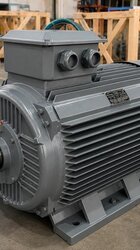
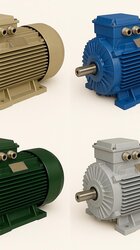
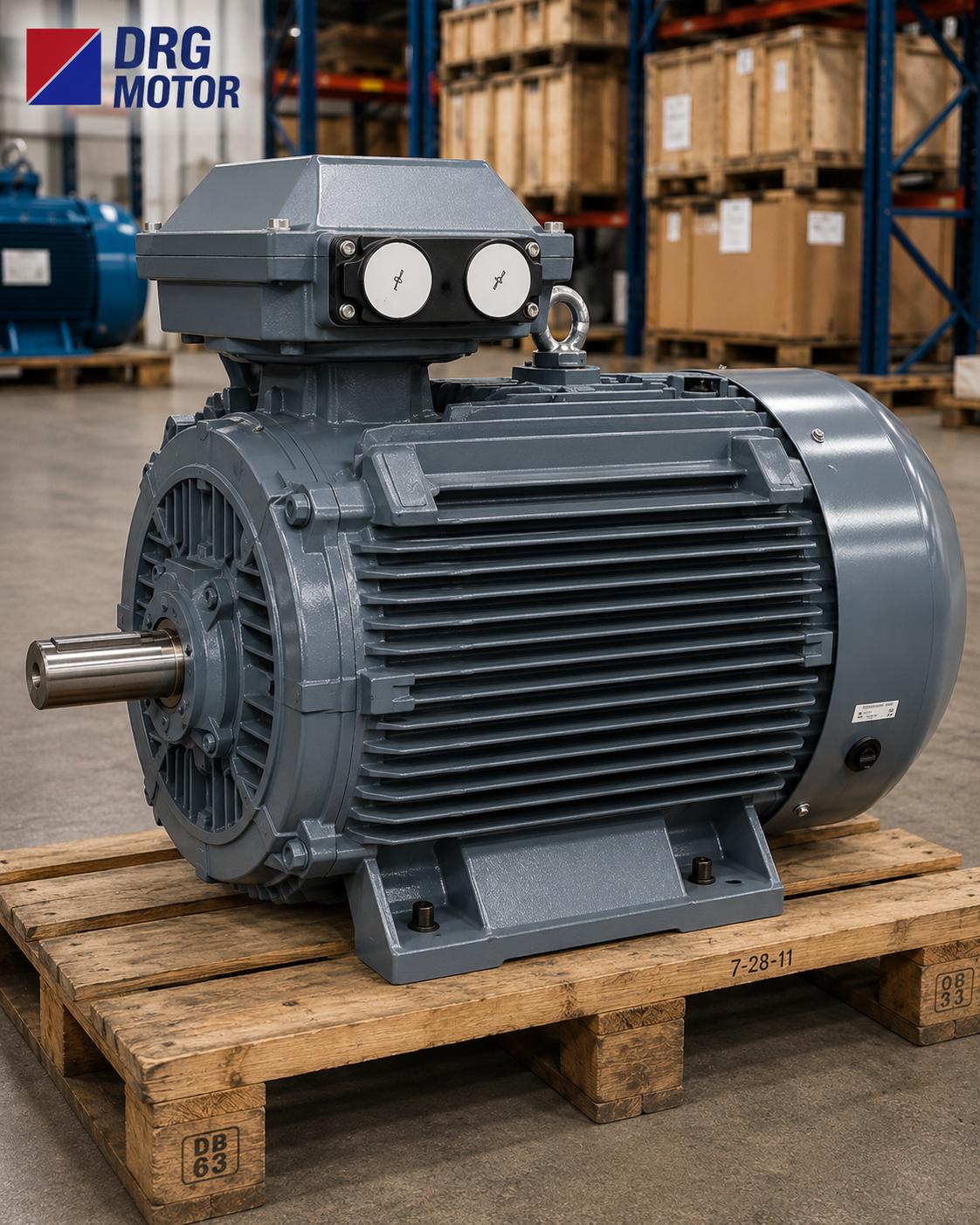

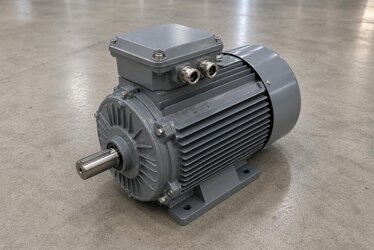
When a 75 kW electric motor enters a project, you are no longer talking about a small-scale sourcing decision but about a serious investment destined for the very heart of a production line. Equivalent to roughly 100 horsepower, this class drives the machines with the highest power demand: heavy pumps, large compressors, crushers, mills and more. Configuring a motor at this power incorrectly does not just mean swapping a part; it often means bringing an entire line to a halt. In this article we walk through, step by step, what to watch for when choosing the right product and how to obtain a sound quote from a dependable supplier. The goal is to look beyond the power figure on the nameplate and truly fit the motor to your machine and its operating conditions, because at this level the right decision marks the difference between years of uninterrupted production and unexpected downtime.
Which Machines This Power Class Drives
The 75 kW electric motor is a power step that forms the backbone of medium-to-large industry. High-flow centrifugal pumps, screw and piston air compressors, large fan and extractor groups, crushers and grinders, extruder lines and heavy conveyor systems all cluster around this class. What these machines have in common is a high torque demand at startup and, usually, near-continuous operation for most of the day. For that reason, motor selection at the 75 kW level is a far more precise engineering decision than at smaller powers, because every wrong parameter here compounds in the energy bill and the maintenance budget.
Why Pole Count and Speed Are Decisive
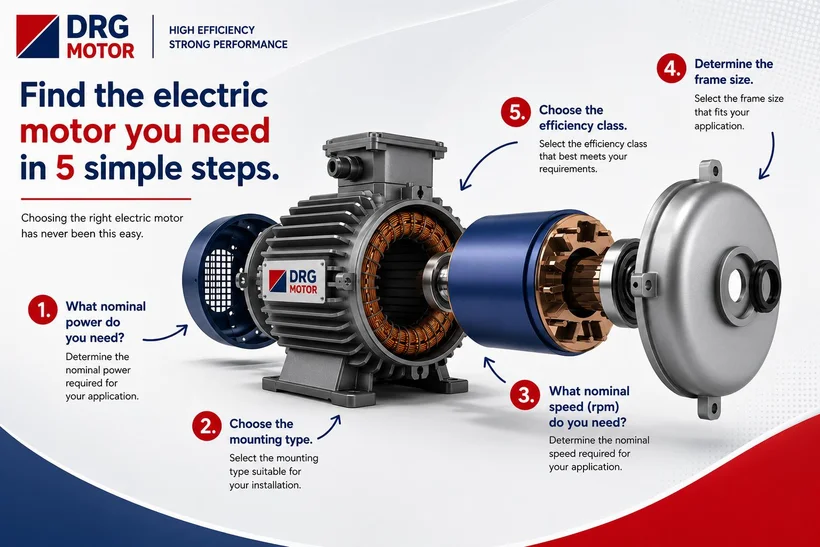
The 75 kW electric motor is supplied with different speed options, and that choice depends directly on the application. A 2-pole motor (around 2900 RPM) is preferred for high-speed compressors and large centrifugal pumps, while the 4-pole version (around 1450 RPM) has become the standard for conveyors, crushers and general drive applications. Six-pole models (around 980 RPM) and lower-speed variants are used in mills, mixers and heavy agitator systems that demand high torque at low speed. Two motors of the same power but different speed offer entirely different torque characteristics, which is why requesting a quote without settling the speed is usually an incomplete step that needs revisiting. Once the correct pole count is fixed, the motor's compatibility with the machine is secured from the very start.
The Multiplier Effect of Efficiency Class at This Power
At a power as high as 75 kW, the few percentage points of difference between efficiency classes turn into a vast cost item compared with smaller motors. On a continuously running 75 kW motor, the gap between IE2 and IE3 or IE4 can produce annual energy savings that on their own exceed the price of a lower power class. Focusing on the sticker price when buying in this class is a serious error, because the real cost you pay over the motor's life is the energy it consumes. A high-efficiency 75 kW motor runs cooler, extends winding life and reduces the cooling burden. For energy-intensive plants, the efficiency class is the single most important parameter of the purchase decision and must be clarified at the quotation stage.
Starting Method and Grid Load
In this power class, how the motor is brought online is as critical as the motor itself. When a 75 kW electric motor is started direct-on-line (DOL), the inrush current rises far above the rated current and can cause serious voltage drops on the grid. For this reason a soft starter or a variable frequency drive (VFD) is usually preferred at this power. The following methods are evaluated according to the application:
- Star-delta starting: Reduces the inrush current but can create abrupt torque transitions.
- Soft starter: Ramps the start gradually, protecting both the motor and the mechanics.
- Variable frequency drive (VFD): At a power level like 75 kW it ramps the motor from standstill up to load speed in stages, keeping the inrush current in check so the grid is never stressed. On variable loads such as pumps and fans it trims the speed to match actual demand, cutting wasted energy and shielding the mechanical drivetrain from sudden torque.
- Direct-on-line: Makes sense only where the grid and mechanical structure can take it.
When the correct starting method is not chosen, the system keeps producing faults even if the motor itself is sound, which is why the supply infrastructure must also be assessed before the quote.
Frame, Mounting and Cooling Details
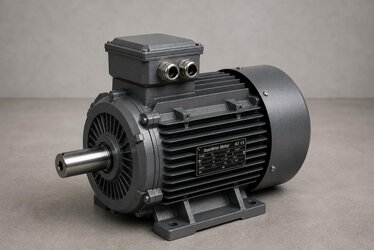
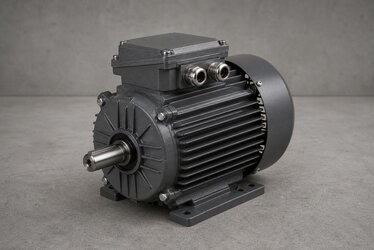
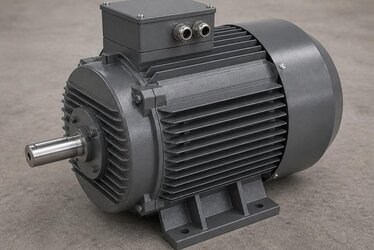
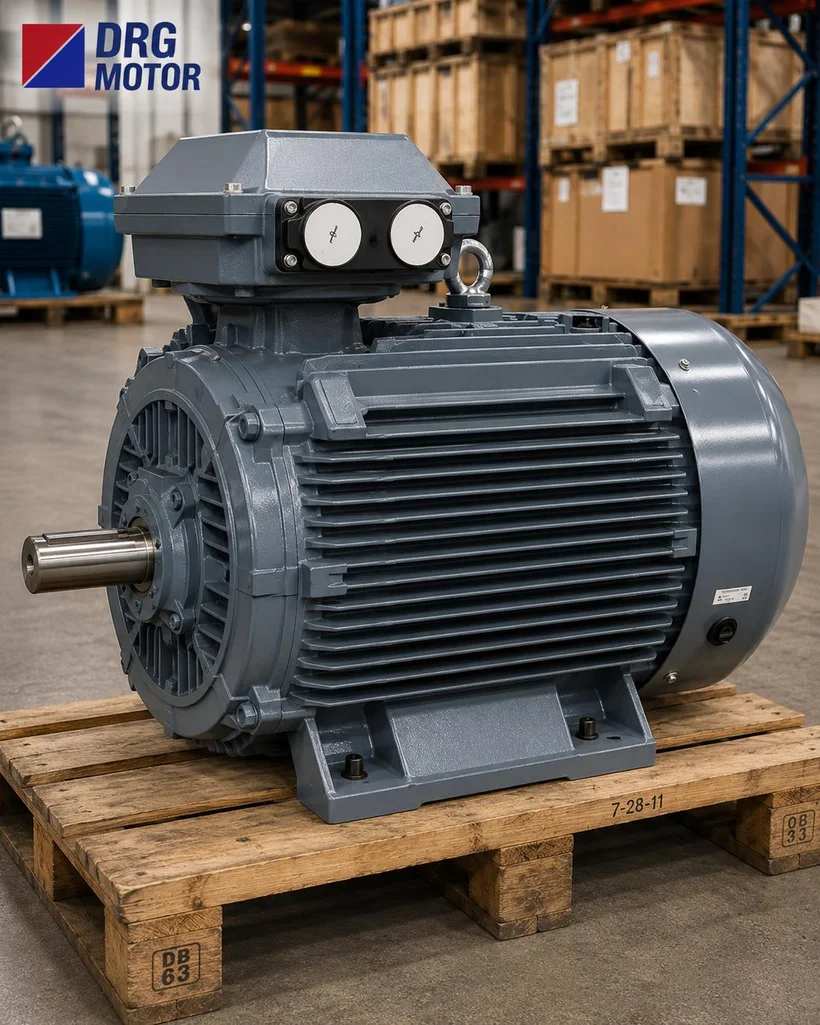
The 75 kW electric motor is generally built in 280 or 315 IEC frame sizes, and those dimensions directly affect your mounting plan. The choice between foot-mounted (B3), flange-mounted (B5) or a foot-flange combination (B35) determines how the motor connects to the machine. Because weight and size are substantial at this power, the mounting base and the coupling must also be taken into account. For cooling, standard IC411 (frame-surface air cooling) meets most applications; however, in enclosed and hot environments additional cooling solutions may come into play. While IP55 is accepted as the general protection standard, dusty or wash-down environments call for higher protection. When these details are overlooked, even a motor bought at the correct power runs into mounting and cooling problems on site.
Comparison With Lower Power Classes
Not every project demands the highest power; the right approach is to analyse the machine's real load profile and avoid surplus power. On medium-scale lines a smaller motor is often enough, and a needlessly large motor means both a high initial investment and inefficient operation at light load. For heavy-industry yet relatively lower-power applications, for instance, a 37 kw elektrik motoru often offers a balanced solution, while for lighter drive needs the 22 kw elektrik motoru class may suffice. The 75 kW choice is meaningful for high-demand machines that genuinely need this power. A supplier's job is not to push you toward a more expensive motor but to help you identify the power class that fits your application best; correct sizing protects both your budget and your energy efficiency.
Why Reliable Sourcing Matters More in This Class
At the 75 kW level, the reliability of the supply source carries far greater weight than at smaller powers. A fault at this power usually means the stoppage not of a single part but of an entire production line, so a valid warranty, a test report and fast spare access stop being negotiable. With products of unknown origin or relabelled nameplates, the efficiency and insulation values often fail to match what is declared, and there is no responsible party to turn to in the event of a fault. The most common solution in this power class, three-phase asynchronous motors, when bought from a sound B2B supplier, are delivered with their invoice, warranty certificate and technical support. That means not merely buying a motor, but securing the continuity of your production.
Information to Have Ready When Requesting a Quote
Obtaining a sound quote for a 75 kW electric motor begins with the right information. Having the following points clear at the quotation stage both speeds up the process and prevents a wrong purchase from the outset: the type and load profile of the machine to be driven, the required speed (pole count), the mounting type, the expected efficiency class, the duty cycle (continuous or start-stop), the ambient conditions and protection class, the starting method and the lead time. The clearer this information, the more realistic and comparable the quote you receive. Prices obtained with incomplete information usually change on site and disrupt your budget planning, so a short preparation before the quote puts the whole process on firmer ground.
The Real Factors That Set the Price
It is not possible to reduce the price of a 75 kW electric motor to a single figure, because several factors together form the final cost. Efficiency class (IE2, IE3, IE4), speed, mounting type, protection class, brand, housing material and the requested lead time all influence the price directly. A high-efficiency, specially protected motor carries a higher starting cost than a standard model, yet at this power the energy saving is so pronounced that the difference is often recovered within a few years. For this reason, rather than a flat list price, obtaining a quote prepared specifically for your application is a far sounder approach. A correctly configured quote shows you the true total cost of ownership by considering your investment cost and your operating expense at the same time.
Let Us Define the Right 75 kW Motor for Your Need Together
Configured correctly, the 75 kW electric motor becomes one of the most powerful and most critical components in your plant. Across a wide application range, from pumps to compressors, crushers to heavy conveyors, the deciding factor is not the nameplate power but the configuration best suited to the machine. At DRG Motor we listen to your duty cycle, your speed requirement, and your mounting and ambient conditions, then price the right 75 kW motor for you with a clear delivery time. To source the motor your line needs on the best terms, send us your requirement; we will prepare a quote tailored to your application quickly and help secure the uninterrupted flow of your high-power production together.