 English
 Le français
 Türkçe

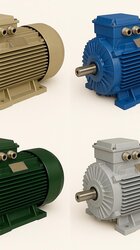
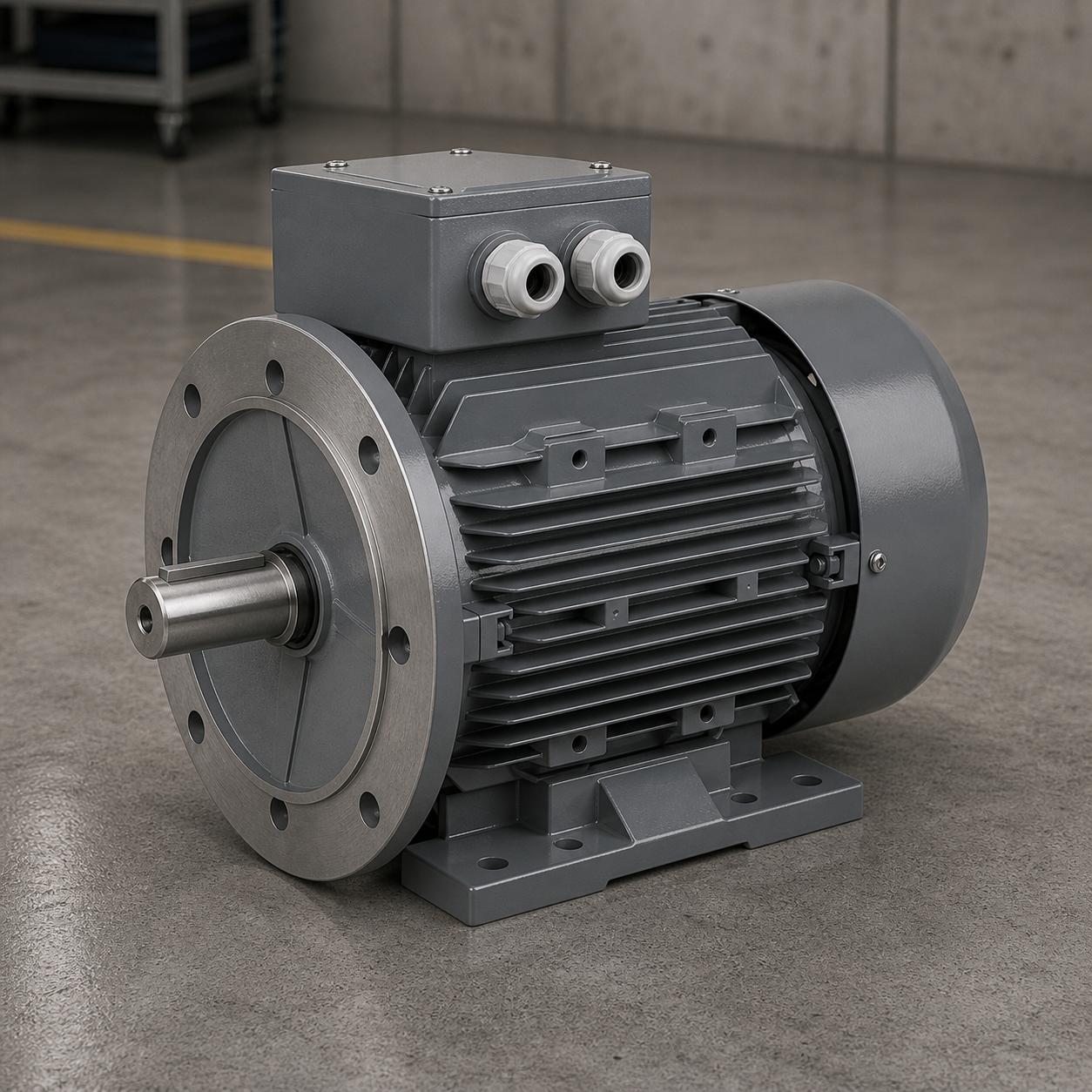

One of the most common mistakes we see in the field is ordering a motor with exactly the right power and speed, yet with the wrong mounting type. The motor arrives, the nameplate is correct, but when the installation team tries to bolt it onto the machine, either the hole pattern does not line up or they find themselves looking for a flange where there are only feet. At that moment the difference between B3 and B35 stops being the smallest line in a catalogue and turns into a problem that idles your crew, halts production and doubles your freight bill. In this article we explain plainly what these two mounting codes mean, which machine needs which, and what the wrong choice really costs.
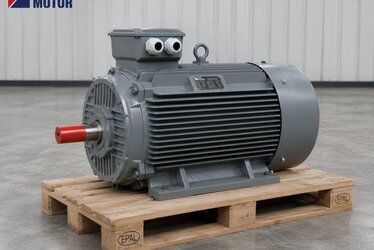
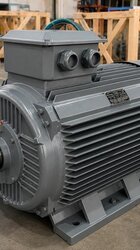
Mounting codes follow the IM (International Mounting) standard and describe how a motor is mechanically secured. B3 means foot mounting; B5 means flange mounting; and B35 is a combined design that carries both. In other words, a B35 motor has mounting feet under its frame and a machined flange face on its drive-end shield at the same time. This seemingly small distinction governs everything from coupling alignment to the service life of a conveyor.
What B3, B5 and B35 do mechanically
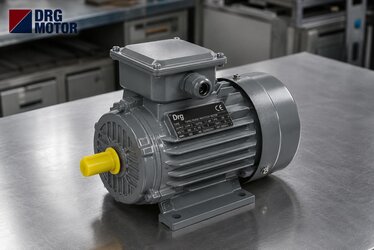
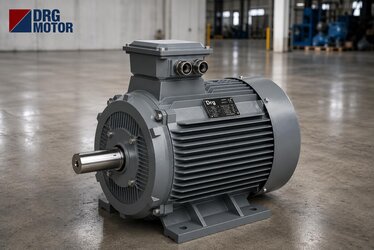
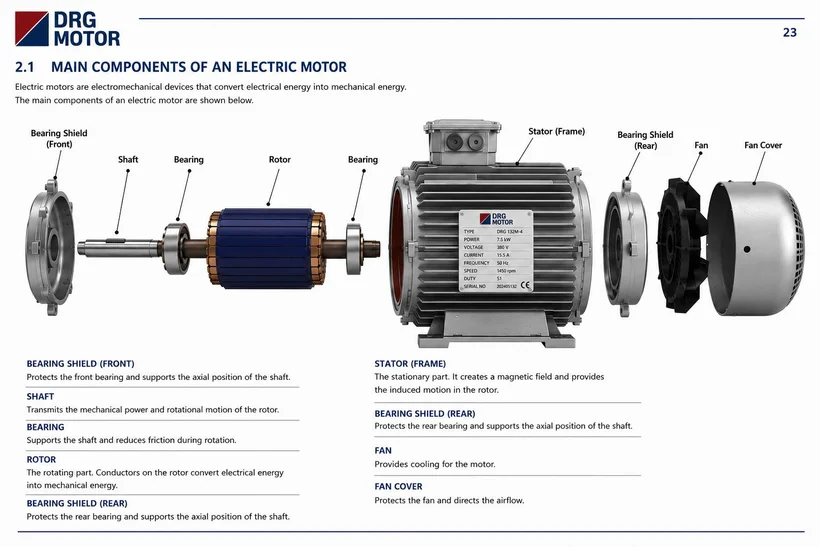
A B3 motor comes with feet cast into the underside of the frame and is usually bolted to a base, a bracket or the machine bed. Drive is typically transmitted through a belt-and-pulley arrangement or a coupling, and alignment is set by the installer using shims and clearance. A B5 motor has no feet; it bolts directly to the machine body through the circular flange on its drive-end shield, making the motor effectively part of the machine. A B35 combines the two: feet underneath and a flange in front, so it both rests on a base and centres itself through the flange.
The choice among these three usually comes down to machine geometry. On a pump, a gearbox or any directly coupled drive, flange centring is essential; on belt-driven applications such as conveyors or fans, feet are often enough. The need for a B35 arises exactly where these two worlds meet and both centring and mechanical support are required together.
Why B35 is so widely chosen
The popularity of B35 is no accident. The flange seats the motor on the same axis as the driven equipment for precise centring, while the feet carry the weight and vibration load, relieving the stress placed on the flange bolts. On heavier motors in particular, relying on the flange alone can fatigue the bolts over time and strain the shield. The foot support spreads that load.
- It reduces vibration and axial misalignment on motors that need precise centring but are also heavy.
- The same motor can be used as foot- or flange-mounted from project to project, which simplifies stock and standardisation.
- During maintenance, when a motor is removed and refitted, centring comes ready from the flange, so re-alignment time is much shorter.
This flexibility makes B35 the default choice for many machine builders. But being the default does not mean it is the most correct or most economical option in every application.
When B3 is enough, and when it is risky
On a belt-driven fan, a compressor or a conveyor, a solid footing on a base is usually all you need. Here a flange is both an unnecessary cost and a complication during installation. The right choice is a plain B3, and ordering a B35 you do not need simply wastes both money and lead time.
By contrast, insisting on B3 alone for a directly coupled pump or a motor that bolts onto a gearbox is asking for trouble. Alignment set through the feet always demands more care than the natural centring a flange provides, and even a small offset wears the coupling, the bearing and the seal quickly. B3 is not wrong; it just becomes expensive when used in the wrong place.
The real cost of choosing the wrong mounting
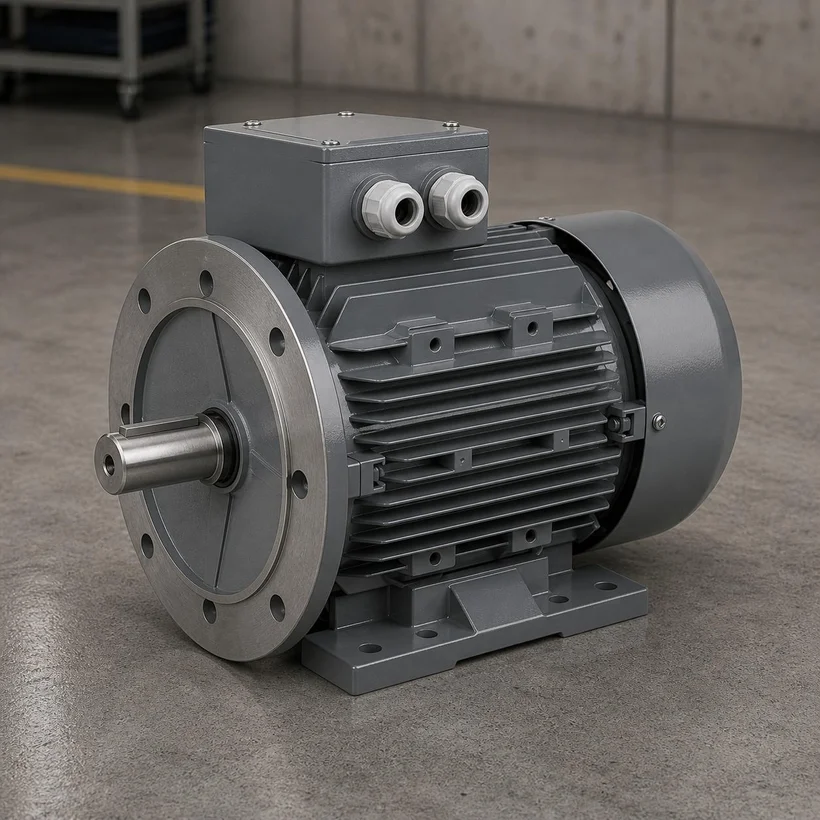
The bill for ordering the wrong mounting type is never a single line item. It is usually discovered only after the motor reaches your door, and the time and money already spent will not come back. The cost stacks up across several layers:
- Production downtime: A motor that will not fit the machine can leave the whole line waiting for hours or even days. The price of that stoppage is often many times the cost of the motor itself.
- Returns and re-shipping: Sending the wrong motor back and dispatching the correct one doubles freight cost and makes delivery dates uncertain.
- Workaround expense: Crews under pressure sometimes machine an adapter plate instead of a flange; this both spoils centring and adds extra workshop cost.
- Early failure: A motor that is forced into place or poorly aligned shortens bearing and coupling life, calling for another intervention within months.
When these items add up, a mistake that looked cheap can quickly become the most expensive line in the project.
What to confirm before you order
The way to get the mounting type right the first time is to clarify a few details before ordering. This check prevents in minutes an error that could cost hours on site:
- Will the motor be directly coupled to the driven machine, or connected by belt and pulley?
- Does the machine have a flange seat (a mating face), or will the motor sit on a base?
- If there is a flange, what is the bolt circle diameter and flange type (FF or FT)?
- If you are replacing an existing motor, what IM code is on the old nameplate?
These questions look simple, yet they are the strongest safeguard against ordering the wrong mounting. The mounting code determines the success of a project just as much as power and speed do, and sometimes more critically.
Flange types and the nameplate you should read
When B35 or B5 is chosen, the job does not end with simply asking for a flange; the type of flange matters at least as much as the mounting code. The distinction that confuses people most on site is the difference between FF and FT flanges. An FF flange is a large square or round face that projects from the frame, with holes arranged on a bolt circle; the bolts pass through from behind the flange face. An FT flange is smaller and has threaded holes, so the bolt is tightened from the front into the flange. The two can have different hole patterns even for the same motor, so the flange must match the machine seat exactly.
This is where the motor nameplate is your most reliable reference. The IM code on the plate (for example IM B3, IM B5, IM B35), together with the flange diameter and frame size, clearly shows which mounting type was ordered. When replacing an existing motor, reading this information is the strongest guarantee that the new motor will land on the same holes when it arrives. If the plate is unreadable, the safest path is to measure the old motor's flange and foot dimensions and share them at the quotation stage.
Mounting position: horizontal or vertical
Mounting codes cover the foot-versus-flange distinction and the motor's working position. B3 and B35 are defined primarily for horizontal operation, with the shaft parallel to the ground. Yet in many pump and mixer applications the motor is mounted vertically, with the shaft pointing down. In that case vertical mounting codes such as V1 and V3 come into play, and the same flanged frame is ordered with a bearing and drainage arrangement suited to vertical running.
Running a motor designed for horizontal use vertically without checking can harm bearing lubrication and axial load distribution. So when you clarify the mounting type, you should specify not just feet or flange but also which way the motor will sit from the outset. The right position information is as decisive for motor life as the flange choice itself.
Stock management and the standardisation advantage
In plants with multiple lines, choosing the mounting type wisely also makes spare-part management easier. Most operations move toward a B35 frame standard wherever possible, because the combined mounting lets the same spare motor serve both a foot-mounted and a flange-mounted application. This reduces the number of spare motors on the shelf and shortens the wait for the right motor during an urgent breakdown.
By contrast, reducing everything to B35 is not always economical either; on plain belt-driven applications an unnecessary flange inflates both unit cost and stock value. The right approach is to plan which frames to standardise based on the plant's real application mix. Discussing this with us from the start saves both time and money on orders that recur throughout the year.
Factor-based pricing: why there is no single number
A frequent question from our customers is how big the price gap between B3 and B35 really is. Quoting one fixed number would be misleading, because price depends on several factors: frame size, power and speed class, frame material, flange type and the required protection class. Because B35 is machined with both flange and feet, it usually sits a little above a plain B3, but that difference is more than recovered by making the right choice for your application. That is why, rather than a fixed price, we prefer to prepare a quote tailored to your need.
Frame material often comes up alongside the mounting choice; on lighter applications, opting for an alüminyum pik motor also affects the weight on the flange connection. In the same way, the right speed is intertwined with mounting; for a pump or fan, the 2 kutup 4 kutup motor decision should be weighed together with how the motor attaches to the machine.
Starting out with the right mounting
Although the choice between B3 and B35 looks like a minor catalogue detail, it is one of the decisions that determines whether an entire project runs smoothly. The right mounting type means a motor that seats on the machine at the first attempt, gives no alignment headaches and runs quietly for years. As DRG Motor, with a broad stock of foot, flange and combined mountings, we supply general-purpose industrial motors that fit your application exactly. Share your machine connection details with us; we will pin down the mounting type, frame and speed together and ship the right motor correctly the first time. Just reach out for a quote.