 English
 Le français
 Türkçe

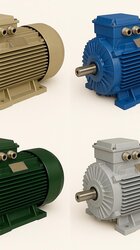
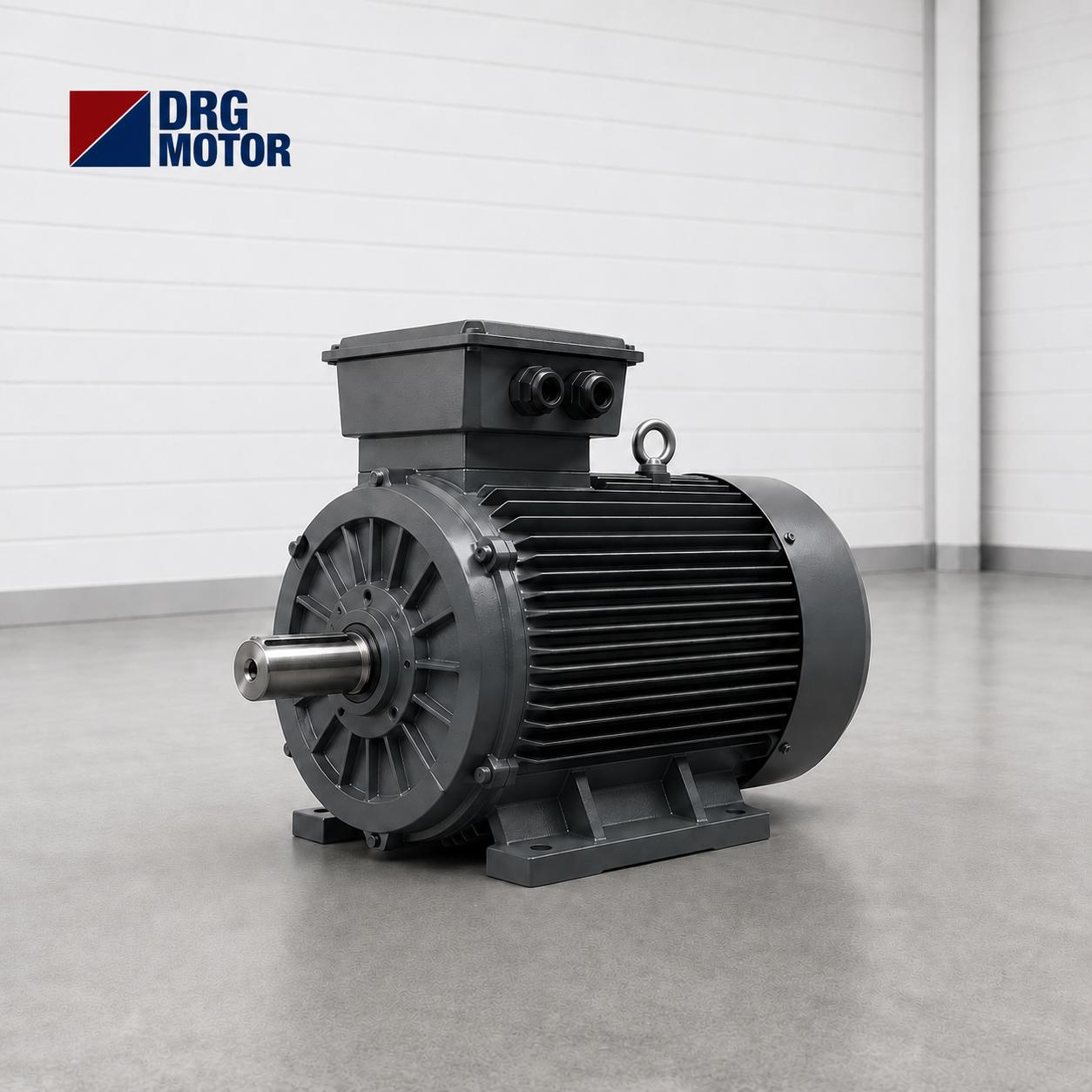

Pharmaceutical production sites are among the rare industrial environments where hygiene, process reliability and explosion risk must all be managed at once. Solvent vapors, mixtures containing ethanol and isopropanol, and fine powdered active ingredients create ATEX-classified zones across granulation, coating, drying and solvent-recovery lines. For this reason, choosing the right drive for a pharmaceutical site means more than picking an efficient motor: the unit has to be certified for the correct gas and dust group and suited to the correct zone classification. In this article, DRG Motor explains how we supply explosion-proof drive solutions to pharmaceutical plants and which criteria guide a sound product selection.
Where Explosion Risk Comes From in Pharma Plants
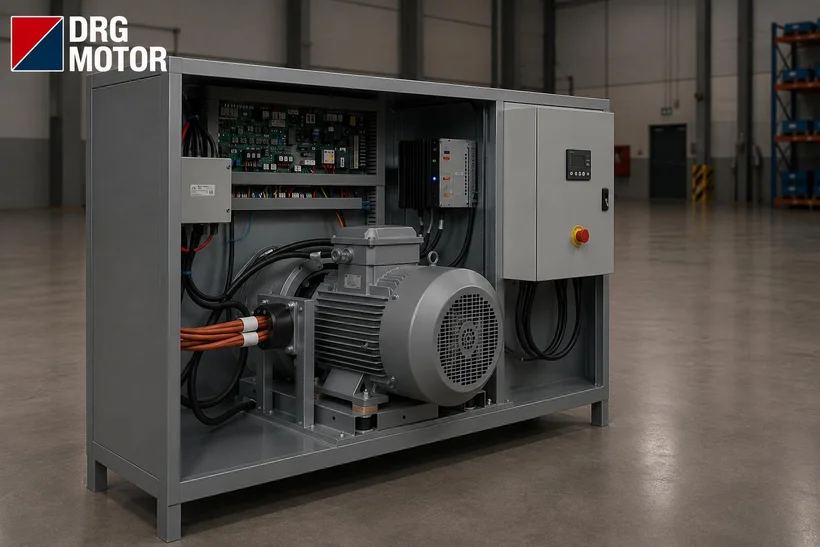
Explosion risk in pharmaceutical manufacturing rarely comes from a single source; it is fed by many small processes. Solvent-based coating tanks and reactors can release ethanol or acetone vapor into the atmosphere, creating gas-related ATEX zones. On the other side, the sieving, transfer and blending of powdered APIs and excipients can form fine dust clouds that are ignitable in their own right. These two hazards demand different protection methods: gas atmospheres usually call for Ex db (flameproof enclosure) motors, while dust environments favor Ex tb (dust-ignition-proof, IP6X) solutions. Deciding what belongs where only becomes clear with a correct area classification, which is why, at the quotation stage, we ask you for the zone data of the area and the vapor or dust types present.
In practice, the most common mistake is treating an entire facility with a single protection level. Yet in a pharmaceutical plant the filling room, the solvent store, the dryer outlet and the powder-transfer line often fall into different zone classes. Some points need no Ex-proof rating at all, while the equipment right beside them demands the strictest protection type. Sound supply begins by mapping this out. When we review your site data, we evaluate the zone of each piece of equipment separately and try to avoid both the unnecessary protection that drives up cost and the insufficient protection that creates risk. That way your budget is spent exactly where it is genuinely needed.
Correct Zone and Group Classification
The first step in supplying an explosion-proof motor is the zone definition of the area where it will operate. The split between Zone 1 and Zone 2 for gas, and Zone 21 and Zone 22 for dust, directly determines the protection category of the motor. The ethanol and isopropanol we often encounter in pharmaceutical plants fall into the IIB gas group, while some specialty solvents belong to IIC; this detail shapes the gas-group certification of the motor. The temperature class, typically T3 or T4, becomes critical with low ignition-temperature solvents. DRG Motor clarifies each of these parameters individually and prevents an undersized or incompletely certified unit from being shipped to the field.
- Gas zones: Zone 1 / Zone 2, gas group IIB or IIC
- Dust zones: Zone 21 / Zone 22, IP6X dust tightness
- Temperature class: T3 / T4 based on the solvent ignition point
- Protection type: Ex db, Ex tb or a combination
The Hygiene and Cleanability Expectation
Unlike a standard industrial facility, a pharmaceutical environment runs regular wash-down and disinfection cycles. The motor housing is expected to be smooth, free of dust traps and coated to withstand chemical cleaning. On the explosion-proof motors we supply, we can offer epoxy or specialty paint systems, stainless fasteners and high IP protection grades where required. For units operating next to clean rooms, surface quality is not just cosmetic; it is part of contamination control. That is why we factor in the GMP requirements of your site when we help you select the product.
Drive Requirements by Process
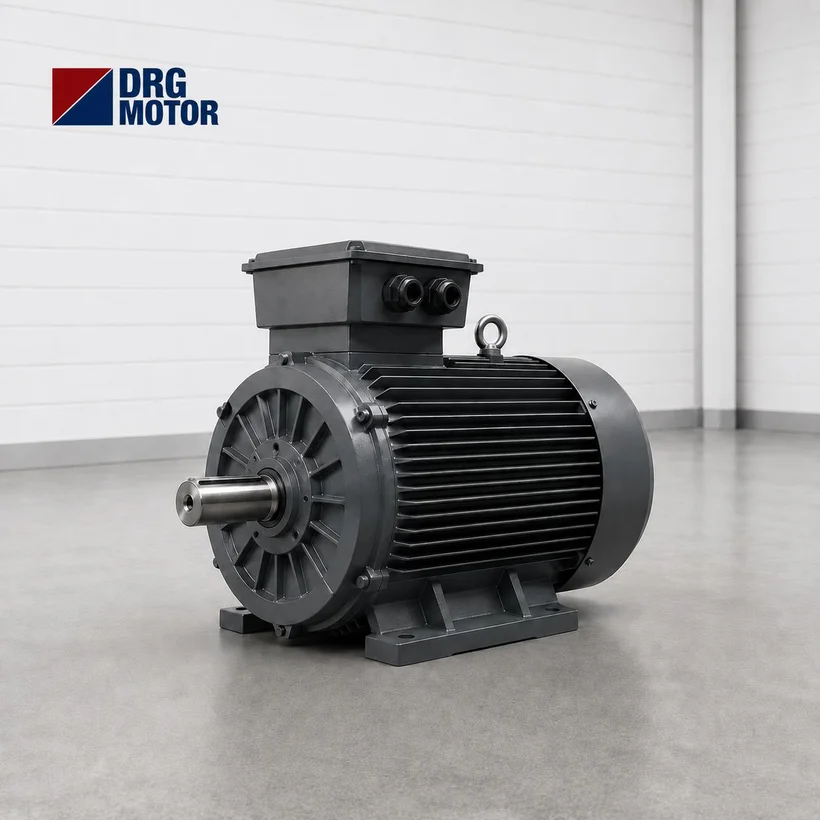
Every piece of equipment in pharmaceutical production has its own drive character. High-shear granulators and mixers, which demand high starting torque, call for robust bearing arrangements. The fans of fluid-bed dryers must run vibration-free across a wide speed range, which usually means motors driven by a frequency inverter and built with inverter-rated winding insulation. Solvent-recovery pumps, in turn, expect a steady and continuous torque profile. When the match is right, energy consumption drops and maintenance intervals stretch out. We make this match with you, by reviewing your actual process data rather than guessing from a generic catalog line.
Another critical point with inverter-fed Ex-proof motors is thermal management. A motor running for long periods at low speed may cool poorly, which affects both efficiency and safety. In pharmaceutical plants this shows up especially in coating pans that run at low speeds during process validation. For such applications we may recommend force-cooled (separately ventilated) motors or units fitted with PTC thermal protection sensors. The aim is to size around the operating point you will actually use in the process, not the headline power shown on the nameplate. When we select the product with this approach, the chance of running into unexpected temperature alarms or premature aging in the field drops noticeably.
Efficiency and Total Cost of Ownership
With explosion-proof motors, the purchase price is only one part of the total cost. Because pharmaceutical sites typically run multi-shift and year-round, energy costs climb well above the initial investment over time. Units in the IE3 and, where possible, IE4 efficiency classes make a visible difference on the annual energy bill. At the same time, an Ex-proof motor that stops because of a fault can mean a ruined batch and a major loss, so reliability is more decisive than the price tag. Our pricing does not come from a fixed list; it is shaped as a project-specific quotation based on factors such as zone class, protection type, power, efficiency class and delivery time.
Supply, Stock and Delivery Time
One of the critical issues with certified explosion-proof motors is delivery time. A line's maintenance window is limited, and a poorly timed supply disrupts the production plan. DRG Motor manages common power and frame types with a stock strategy and shares a clear, realistic delivery schedule for units that require special certification. In emergency breakdowns, we work to shorten downtime by offering suitable alternative solutions. For your general industrial applications, our general-purpose industrial motors portfolio lets you cover non-Ex areas from a single source as well.
Sector Experience and the Right Match
Supplying explosion-proof motors is not simply picking a product from a catalog; it requires fluency in the language and the risks of the sector. The know-how we have built working with pharmaceutical plants overlaps with other chemistry-heavy industries. For solvent- and vapor-intensive environments, the same protection logic applies to boya sektörü motor applications; for pressurized and flammable gas lines, our experience on doğalgaz ex-proof motor projects strengthens our risk assessment for pharmaceutical sites. This cross-experience comes back to you as less trial and error and a more accurate selection.
Documentation and Compliance Tracking
Every piece of equipment in a pharmaceutical plant is expected to carry a traceable chain of documents. On the explosion-proof motors we supply, the ATEX certificate, declaration of conformity and nameplate data are delivered in full. Having these documents ready and correct during audits matters to you in terms of both time and compliance risk. For a motor replacement or a new line build, we evaluate the codes and nameplates of the existing equipment together with you to build a compatible supply plan. That way, the unit arriving on site is audit-ready from day one.
Maintenance, Spare Parts and Long Service Life
The safety of an explosion-proof motor is not limited to the first delivery; it must be preserved throughout its life. If the flange faces, joint gaps and cable glands of the Ex-proof enclosure are not reassembled with the correct torque and the correct parts during maintenance, the protection is lost. For this reason, with the units we supply, we also consider access to compatible spare parts and technical guidance where needed. Keeping critical parts such as bearings, seals and glands standard and readily available prevents your line from waiting for days down the road. A well-chosen motor withstands the cleaning and disinfection cycles of a pharmaceutical plant for years; when we recommend a product, we factor in this long-term sustainability too. What is ideal for you is not a unit that looks cheap but causes trouble every two years, but a drive you can forget about once it is installed.
Your Next Step Toward the Right Drive
In pharmaceutical production, choosing an explosion-proof drive strikes the balance between safety and continuity. When the correct zone class, the right protection type and a suitable efficiency class come together, you end up with a line that is calm on both the regulatory and the operational side. Share your site's zone data, solvent and dust types, and your power and speed needs, and DRG Motor will prepare a clear, project-specific quotation. To solve your pharmaceutical motor requirement through a single supplier, with the right certification and a realistic delivery schedule, simply get in touch with us.