 English
 Le français
 Türkçe

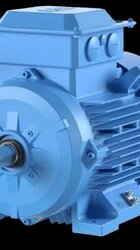
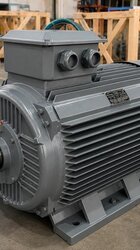
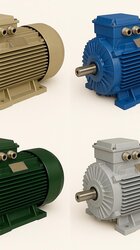
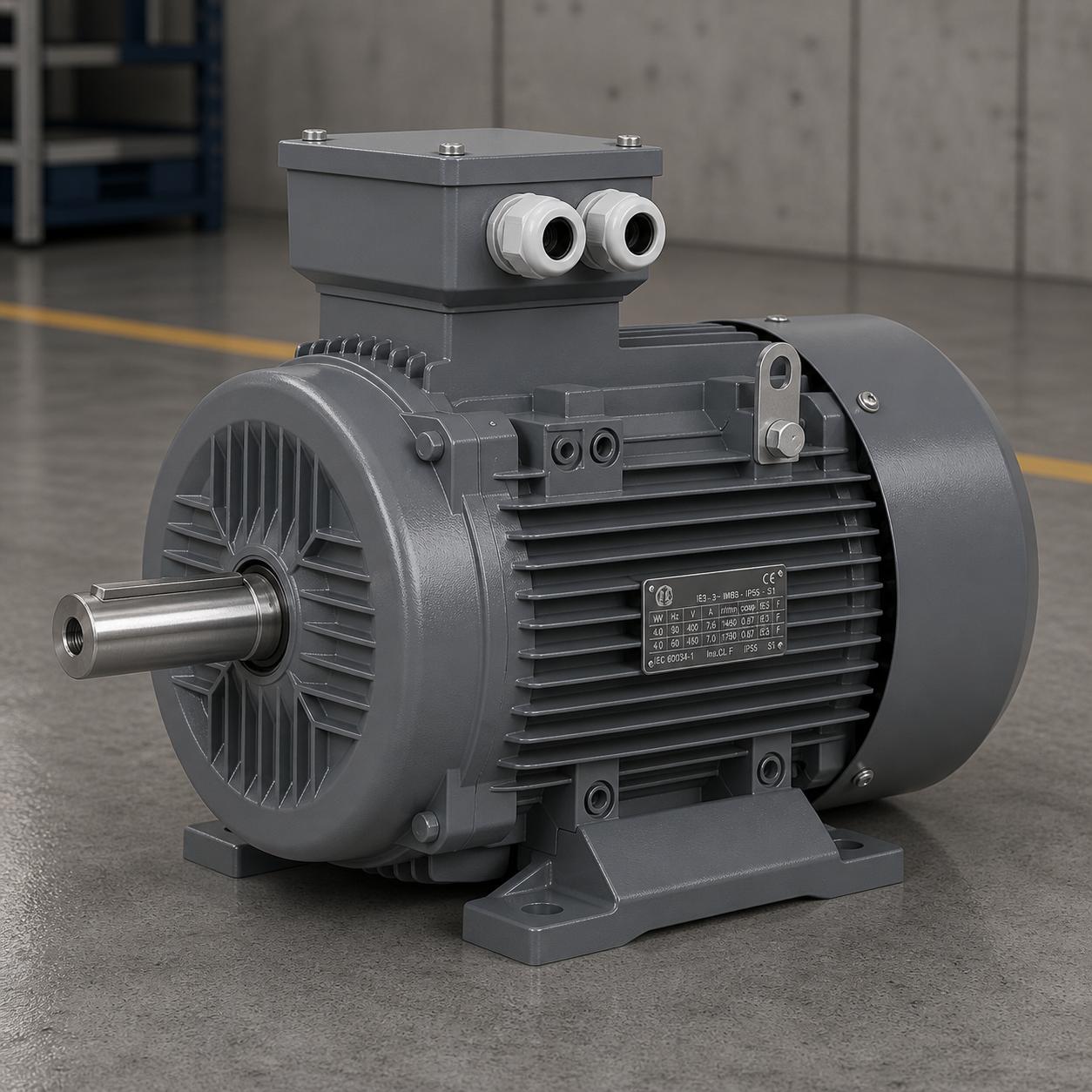

When the electric motor that keeps a plant alive fails to start one morning, only one question really lands on the desk: should this motor be repaired, or should it be replaced? The decision is rarely as simple as it looks, because a repair that seems cheap is sometimes the most expensive option, while buying new is not always a luxury. The right choice is a calculated one rather than an emotional one, and when it is made well it protects both your budget and the continuity of your production. In this article we walk step by step through how to make the motor replacement decision with clear numbers and concrete criteria, and when a rewind makes sense versus when a new motor does. The goal is to help you act in a moment of breakdown not with panic, but with a view that sees the total cost.
The First Questions That Trigger a Repair Decision
When a motor fails, the first reflex is usually to rush it to the nearest rewind shop. Yet what you need are questions that lead to the right decision, not merely a fast one. What is the source of the fault: a burnt winding, worn bearings, or a damaged rotor? How old is this motor, and how many times has it already been repaired? What is its efficiency class, and how many hours a day does it run? The answers shape the direction of the decision from the very start. A second repair on an old, low-efficiency motor that has already been rewound often means throwing the investment away, whereas a simple bearing change on a relatively new, high-efficiency unit is clearly the smartest solution.
What the Repair Cost Really Includes
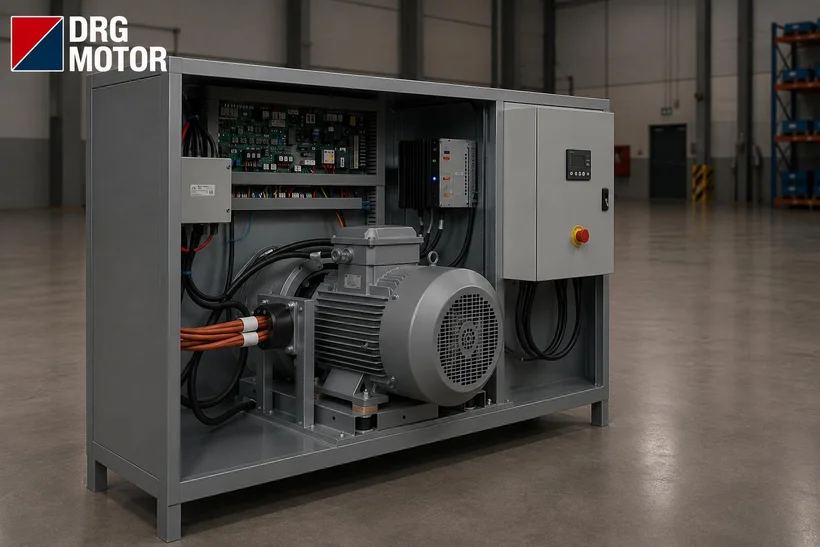
A rewind invoice alone does not reveal the true cost of a repair. To calculate the total repair cost you have to see the line items one by one: removal and refitting labour, rewinding the windings, replacing bearings and seats, balancing, testing and transport. On top of all that you must add the production loss caused by the machine standing idle while the motor sits in the workshop. Because most businesses leave out this last item, they imagine repair to be cheaper than it really is. In truth, the hidden cost of a repair is often larger than the invoice figure itself, because a stopped line means missed deliveries and overtime to catch up.
The 50 Percent Rule and a Practical Threshold
There is a practical rule often used in the field: if the repair cost exceeds a certain proportion of the price of an equivalent new motor, buying new makes more sense. That threshold usually sits somewhere between 50 and 65 percent, but the ratio alone is not enough. A new motor does not just fix the fault; it also runs at higher efficiency, lowering the energy bill, and it comes with a warranty. So when applying the 50 percent rule, bring the sticker prices and the future energy savings into the equation. Even if a second repair of an old motor falls below the threshold, the efficiency gap alone can justify a new motor.
Efficiency Loss: The Invisible Cost of Repair
Every rewind carries the risk of lowering the motor's efficiency a little. The heat treatment applied during rewinding and the manual interventions involved cannot fully restore the fine balance the motor left the factory with. A motor that has been rewound several times can see its efficiency drop noticeably below its original value. This loss never appears on the nameplate, but it appears on the energy bill every month. On a continuously running motor, even a one or two percentage point efficiency loss adds up to a serious sum over the year. That is exactly why the running hours are a decisive factor in the repair decision. While an efficiency loss may be tolerable on a motor that runs a few hours a day, the same loss becomes unacceptable on a shift-based line; at that point a renewal with high-efficiency motors turns into an investment that pays for itself quickly.
Running Hours and the Payback Calculation
When deciding whether to renew a motor, the strongest lever is the running time. A motor that runs twenty hours a day and one that switches on for a few hours a week deserve different decisions even for the same fault. On heavily used motors the energy cost climbs to many times the purchase price, which is why the savings from a new high-efficiency motor pay back the extra investment at a surprising pace. To make this calculation you need to combine the motor's annual running time, the gap between the current and the new efficiency class, and the unit price of energy. Our dedicated piece on the verimli motor geri ödeme shows concretely how to run this calculation for your own plant and puts your decision process on a numerical footing.
Why Repair History and Motor Age Matter
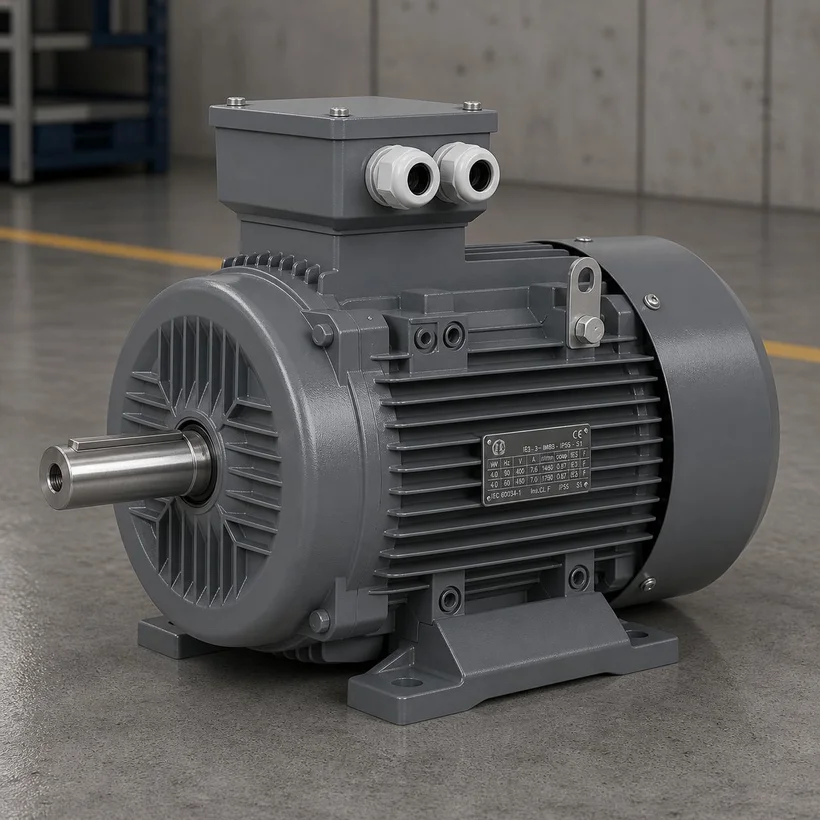
A motor's service history is the most honest indicator of its future reliability. A motor that has never been opened, with its factory insulation intact, deserves a completely different decision from one that has been rewound several times, even for the same fault. Every intervention wears down the winding insulation and the delicate balance inside the housing a little; this wear is invisible but cumulative. After a second or third repair, a motor tends to fail again at an unexpected moment, and every stoppage disrupts production. The motor's age is just as decisive: a unit that is more than ten years old has fallen behind today's standards, whatever the efficiency class printed on its nameplate. When making the repair decision, keeping a record of when the motor was bought, how many times it has gone to the workshop and which faults it arrived with turns the decision from guesswork into something grounded in data. That record also clearly reveals whether the same motor has entered a fruitless repair loop.
Situations Where Repair Is the Sensible Choice
Not every fault calls for a new motor; in some cases repair is decidedly the wiser move. Under the following conditions, repairing the existing motor is often the right call:
- If the motor is relatively new and in a high efficiency class, a simple bearing or seat fault is easily fixed.
- If the fault is outside the winding, in a mechanical and limited component, the repair is both fast and cheap.
- If the motor has a special frame, flange or a rare speed-power combination and an equivalent is hard to find.
- If it is a large, heavy-industry motor and the repair cost stays well below the price of a new one.
- If the motor runs only for short periods each day, the impact of efficiency loss on the bill is limited.
Under these conditions a fast, high-quality repair is the most economical way to get production back on its feet in the shortest time.
The Moment a New Motor Becomes the Advantage
In some cases, however, insisting on repair means slowly melting away your money. A motor that has been rewound more than once, lost efficiency and breaks down repeatedly is no longer a dependable component; every fault is an unexpected stoppage and a hidden cost. On top of that, the efficiency class of older motors lags behind today's standards. Switching to a new motor does not just resolve the fault; it also lowers energy consumption, starts a warranty period and lengthens maintenance intervals. On critical, continuously running lines, this switch is most often not a cost but an investment that lifts profitability. Just how decisive sectoral needs can be is clearly visible in intensive, uninterrupted production such as tekstil motoru applications; on such lines, a single stopped motor locks the entire production chain, and the renewal decision must not be delayed.
How Stock and Lead Time Shape the Decision
The repair-or-replace decision is not determined by numbers alone; time matters just as much as cost. While the number of days a motor will spend in the rewind workshop remains uncertain, a new motor bought from a supplier with high stock often comes online faster. On lines where every hour of downtime carries a price, fast supply alone can justify a new motor. That is why, when deciding, you should also factor in spare motor availability and lead time. Working with a dependable B2B supplier offers a clear delivery schedule instead of days of uncertainty in the moment of breakdown, which protects both your planning and the promises you have made to your customers.
Let Us Work Out the Right Decision Together
The motor replacement decision gains meaning when it is made with the numbers of your own plant rather than with rules of thumb. When the motor's age, how many times it has been repaired, its running hours, efficiency class and the type of fault come together, the picture becomes clear and the right path reveals itself. At DRG Motor, when you share the details of the motor in your hands, we work out together whether a repair or a new motor makes more sense; and if the decision points toward a new motor, we price the most suitable, highest-efficiency option for your application with a clear delivery time. To make the right decision without losing time in the moment of breakdown and to secure your production, send us your requirement and we will prepare a quote tailored to you quickly.