 English
 Türkçe
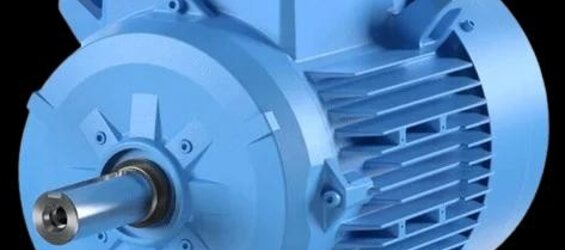
The Advantages of Soft Starting in Electric Motors
When an electric motor is switched on directly, it draws a current far above its normal running level and a sudden mechanical jolt occurs. This abrupt start strains the motor, the ... More Details

When an electric motor is switched on directly, it draws a current far above its normal running level and a sudden mechanical jolt occurs. This abrupt start strains the motor, the ... More Details
One of the most frequent threats an electric motor faces is overload. When a motor runs above its capacity, it draws excessive current, heats up and over time can burn out. Overloa... More Details
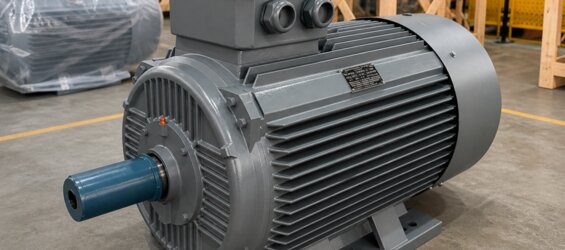
Some industrial environments carry a risk of explosion because of the flammable gas, vapour or dust they contain. Petrochemical plants, refineries, paint factories, flour and sugar... More Details
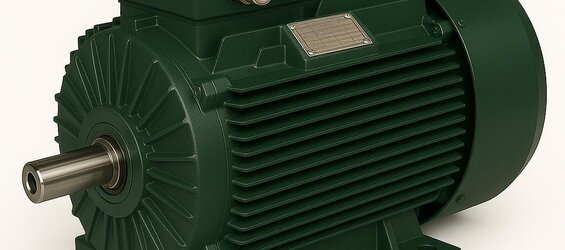
There is more than one way to connect an electric motor to the equipment it drives, and this is called the mounting type. Foot, flange or combined mounting options determine how th... More Details
When buying an electric motor, the warranty is a topic that is often overlooked but extremely important. A warranty is not merely a document; it is the assurance that the manufactu... More Details
Electric motors cannot convert all of the energy they draw from the network into useful work; a portion is used to create the magnetic field and never turns into work. The concept ... More Details
A high-efficiency electric motor costs more than a standard motor at the moment of purchase. This price difference makes many businesses hesitate. Yet the energy savings a high-eff... More Details
One of the concepts most frequently encountered when selecting an electric motor is the pole count. Two motors of the same power, when they have different pole counts, turn at comp... More Details
The most heavily worn and most frequently failing component of an electric motor is its bearings. A significant share of motor faults stems directly from bearing problems. Well-mai... More Details
Every electric motor carries a label on a small metal plate that serves as its identity card. This nameplate contains all the essential technical information, from the motor's powe... More Details
Heavy industry, ranging from mining and cement to iron-steel works and stone-crushing plants, is the arena where electric motors operate under the most demanding conditions imagina... More Details
Cold storage rooms, supermarket refrigeration, industrial cooling systems and air conditioning all run on refrigeration compressors. At the heart of these compressors is the electr... More Details
An electric motor's efficiency class is written on its nameplate; but how that figure is determined, and whether it is genuinely accurate, is an important matter. A motor's efficie... More Details
Most electric motors are designed to run at a single fixed speed. Some applications, however, require the motor to operate at two different speeds. One of the solutions that answer... More Details
Some applications require a motor to run at two different speeds. One of the common ways to obtain two speeds from a single motor is the Dahlander connection. This method provides ... More Details
The first question that comes up when buying an electric motor is often the price. But why can two motors of the same power have different prices? The price of an electric motor de... More Details
Most electric motors treat vibration as an unwanted problem and try to keep it to a minimum. In some applications, however, vibration is exactly what is wanted. Vibration motors ma... More Details
Steel and foundry plants are among the harshest and highest-temperature environments in all of industry. Molten metal, intense heat, heavy loads and constant production pressure st... More Details
Wherever an electric motor is going to operate, it must be protected against the dust, moisture and water of that environment. The level of this protection is defined by the IP pro... More Details
When you look at industrial plants, workshops and large production lines, you will see that almost all of the electric motors in operation are three-phase. The single-phase motors ... More Details