English
 Le français
 Türkçe

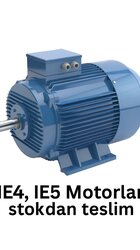
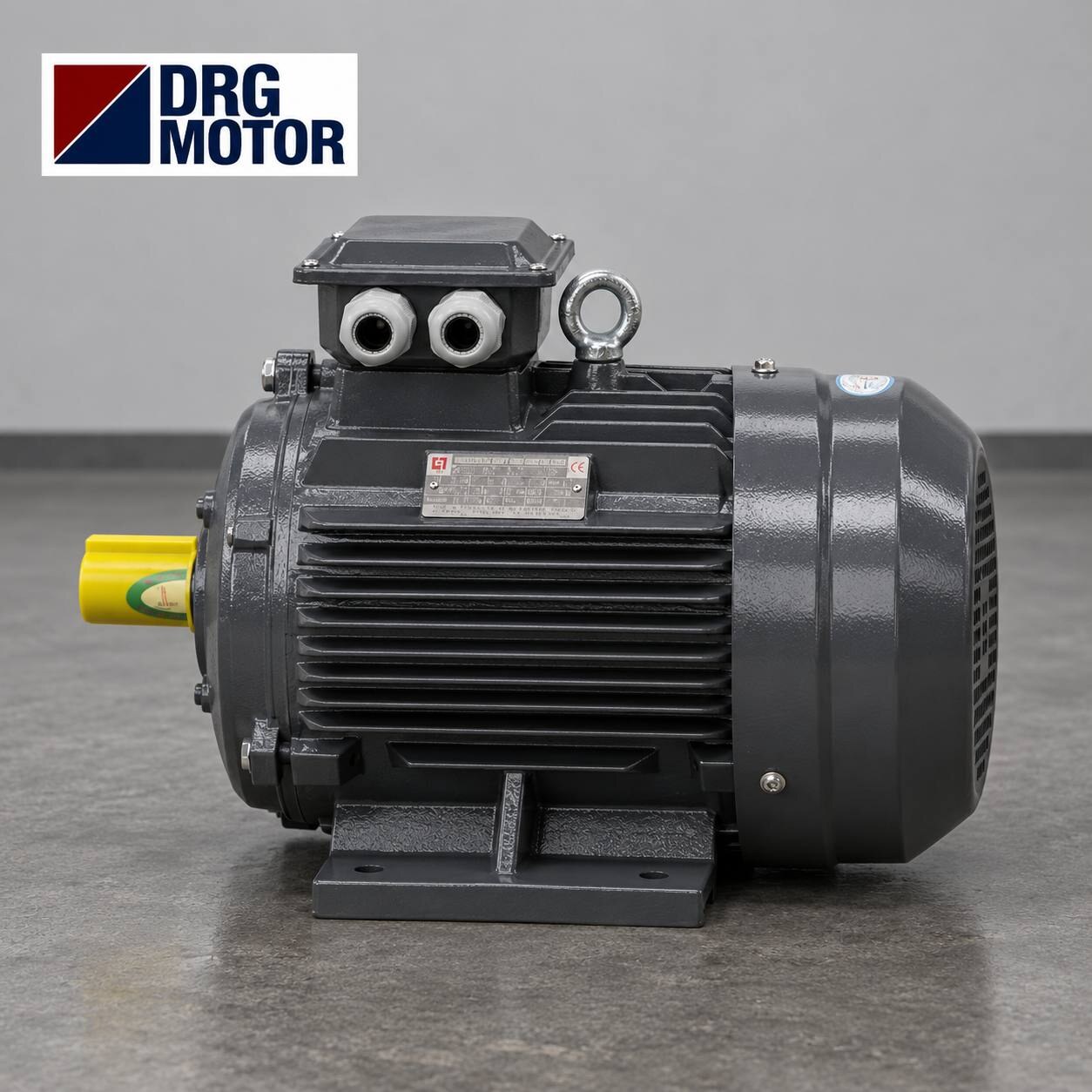

When buying an electric motor, the warranty is a topic that is often overlooked but extremely important. A warranty is not merely a document; it is the assurance that the supplier stands behind its product and will not leave you alone in case of a problem. However, you need to know what the warranty covers, in which situations it is valid and what falls outside it. So what situations does an electric motor warranty cover?
At DRG Motor, this article looks at the scope of the electric motor warranty, its conditions and the points to watch out for. You can also find the relationship between the right supplier and the warranty in our article on choosing an electric motor dealer.
Why Is a Warranty Important?
A warranty means the motor you buy is under assurance against manufacturing defects for a certain period. Problems arising from production during this period are remedied with free repair or replacement. The warranty protects the buyer's rights.
A good warranty is at the same time a sign of the supplier's confidence in the product quality. A supplier that gives a long warranty stands behind its product.
How Long Should the Warranty Period Be?
For electric motors, the warranty period is generally at least two years; quality suppliers can offer longer periods. The longer the warranty period, the higher the supplier's confidence in its product. A short or unclear warranty should be evaluated carefully.
Although the warranty period is short compared to the motor's expected life, it safeguards the most critical early period. This is the time when manufacturing defects most frequently appear.
The Scope of Manufacturing Defects
The warranty basically covers defects arising from production. Problems originating from the supplier, such as a winding defect, material flaw, assembly error or component failure, are within the warranty scope. These problems are remedied with free repair or replacement.
A manufacturing defect is a problem that appears without any fault of the user. The warranty exists precisely for such situations.
Winding and Rotor Failures
If there is a defect arising from production in the winding and rotor, the heart of the motor, this is within the warranty scope. A quality copper winding is long-lasting; however, if there is a manufacturing defect, it can fail early. Such failures are remedied within the warranty period.
We explain the importance of winding quality in our article on rotor copper-wound electric motors. A quality winding also reduces the warranty risk.
Bearings and Mechanical Components
Bearing or mechanical component failures arising from production are also generally within the warranty scope. However, parts that wear as a result of normal use may fall outside the warranty. This distinction is stated in the warranty conditions.
We explain the ways to extend bearing life in our article on extending bearing life. Correct maintenance also prevents out-of-warranty failures.
What Falls Outside the Warranty Scope
Every warranty has its limits. Damage arising from user error, incorrect mounting, overloading, running in an unsuitable environment and external factors is generally outside the warranty. Knowing these situations is important for protecting the warranty right.
Avoiding out-of-warranty situations is possible through correct use of the motor. This in turn protects both the warranty and the motor.
Incorrect Mounting and the Warranty
If the motor has been mounted contrary to the supplier's instructions, the resulting failures generally fall outside the warranty scope. Faulty alignment, incorrect connection or unsuitable mounting are problems originating from the user. For that reason, mounting must be done in line with the instructions.
Correct mounting both protects the warranty and ensures the motor operates efficiently. Mounting errors mean both failure and loss of warranty.
Overload and the Warranty
Running the motor continuously above its capacity is an out-of-warranty usage error. Overload heats the windings and wears out the insulation; the failure that arises in this case does not fall within the warranty scope. For that reason, the motor must be run within its rated values.
The correct power selection is important to avoid overload. You can find the power options in our power (kW) and speed table.
Water, Moisture and Environmental Damage
Running the motor in an environment unsuited to its protection class, and the resulting water or moisture damage, may fall outside the warranty. If the correct IP protection class was not chosen, environmental damage is the user's responsibility. For that reason, choosing a motor suited to the environment is important.
The correct protection class protects both the motor and the warranty. Environmental conditions should not be ignored in motor selection.
Service Plan and Spares
Many warranties require that regular maintenance has been carried out. A motor whose maintenance has been neglected and that has failed as a result may fall outside the warranty scope. For that reason, maintenance is necessary for both motor life and the warranty.
We explain the regular maintenance steps in our article on electric motor maintenance steps. Maintenance is also a condition of the warranty.
Keeping the Invoice and Documents
To benefit from the warranty right, the purchase invoice and warranty document must be kept. These documents show the start date and scope of the warranty. A warranty claim is difficult for a motor without documents.
For that reason, when a motor is bought, all documents should be kept safely. The documents are proof of the warranty right.
How Does the Warranty Process Work?
When a failure within the warranty scope occurs, the supplier is contacted and the situation reported. A reliable supplier runs the process quickly and smoothly; it examines the faulty motor and, if necessary, repairs or replaces it. A smoothly functioning warranty process does not leave you out of pocket.
The smooth functioning of the warranty process depends on the reliability of the supplier. This in turn shows the importance of choosing the right supplier.
Repair or Replacement?
In a failure within the warranty scope, the motor is repaired or replaced with a new one according to the size of the problem. Small manufacturing defects are remedied with repair, while serious flaws lead to replacement. This decision is made according to the warranty conditions and the nature of the failure.
In both cases, the aim is that the user is not left out of pocket. A good warranty solves the problem as quickly as possible.
Spare Parts Warranty
Some warranties cover certain spare parts in addition to the motor. Part failures arising from production are remedied within the warranty period. The ease of obtaining spare parts is also important in terms of warranty value.
Obtaining spare parts is easier in standard-size motors. This provides an advantage even in the post-warranty period.
Brand Trust and the Warranty
The value of the warranty is directly proportional to the reliability of the brand that gives it. A reliable brand fulfils its warranty commitment; an unknown brand, on the other hand, may be hard to reach during the warranty period. For that reason, the brand is as important as the warranty.
A quality brand's motor both fails less often and runs the warranty process with confidence. Brand trust is the foundation of the warranty.
Warranty and Build Quality
A supplier that gives a long warranty generally has high build quality. Quality production means few failures; this in turn makes it possible for the supplier to give a long warranty. The warranty period indirectly gives an idea about quality.
For that reason, the warranty is not merely an assurance but an indicator of quality. A long warranty means a reliable motor.
Warranty Differences by Sector
Heavy industry, continuous operation and demanding conditions can affect the warranty conditions. Special warranty terms may apply for some applications. For that reason, it is important to learn the warranty conditions suited to your application.
For motors suited to heavy industrial applications, you can look at our article on industrial electric motors. The right motor also reduces the warranty risk.
The Advantage of a Motor With a Warranty
Buying a motor with a warranty protects you against unexpected failure costs. Manufacturing defects that arise within the warranty period do not come out of your pocket. This in turn provides both a financial and a psychological assurance.
A motor with no warranty or an unclear warranty, on the other hand, carries risk. For that reason, choosing a motor with a warranty is a wise decision.
Warranty and Total Cost
When evaluating the total cost of a motor, the warranty should also be taken into account. A long, comprehensive warranty lowers the total cost of ownership by eliminating potential failure costs. The warranty is an unseen value of the price.
For that reason, in motor selection, the warranty conditions are as important as the price. A good warranty means savings in the long run.
Warranty in High-Efficiency Motors
High-efficiency, quality motors give confidence during the warranty period too, because they generally fail less often. Quality production means both efficiency and low failure. These motors rarely cause problems within the warranty period.
We discuss the advantages of efficiency classes in our article on high-efficiency electric motors. An efficient motor is safe in terms of warranty too.
Next-Generation Motors and the Warranty
Next-generation motors are more reliable thanks to advanced production techniques and cause fewer problems during the warranty period. Replacing old, frequently failing motors with next-generation motors provides both performance and assurance. Modern motors are advantageous in terms of warranty as well.
We explain the advantages of next-generation motors in our article on next-generation electric motors. New-generation offers reliability and warranty compatibility.
What to Watch in a Warranty Claim
When making a warranty claim, the cause of the failure and the usage conditions of the motor are important. If it is clear that there is a manufacturing defect, the process proceeds quickly. If there is a suspicion of user error, an examination may be needed. Correct documents and honest information make the process easier.
A reliable supplier evaluates the warranty claim fairly and transparently. This in turn is the foundation of customer satisfaction.
The Right Supplier and a Reliable Warranty
The true value of the warranty emerges through the reliability of the supplier that gives it. A reliable supplier fulfils its warranty commitment and deals with your problem. For that reason, when buying a motor, the supplier's warranty policy should also be evaluated.
We explain the criteria for choosing the right supplier in our article on choosing an electric motor dealer. A reliable warranty comes from a reliable supplier.
The Warranty Start Date
The warranty period generally begins on the purchase or delivery date. Documenting this date with the invoice is necessary for the warranty period to be calculated correctly. If the start date is unclear, problems may arise in a warranty claim.
For that reason, the delivery and invoice dates must be clear and documented. The correct date is the foundation of the warranty right.
Warranty and the Service Network
Access to fast service during the warranty period is an important advantage. A supplier with a wide service and support network provides a rapid response in case of failure. This in turn makes the smooth functioning of the warranty process easier.
Fast service is also valuable in terms of production continuity. The right supplier offers a strong support network.
The Content of the Warranty Document
A warranty document should include the motor's model, serial number, warranty period and scope. This information verifies the identity of the motor in a warranty claim. An incomplete or unclear warranty document can create problems.
The document being clear and complete protects both the buyer and the process. The correct document means a secure warranty.
Using the Motor During the Warranty
Using the motor correctly throughout the warranty period protects the validity of the warranty. Running within the rated values, regular maintenance and a suitable environment safeguard the warranty. Incorrect use puts the warranty right at risk.
Correct use protects both the warranty and the motor's life. This in turn is a long-term gain.
Out-of-Warranty Repair Options
After the warranty period expires or in an out-of-warranty failure, the motor can still be repaired. A reliable supplier provides spare parts and repair support in the post-warranty period too. This makes it possible to use the motor for a long time.
Post-warranty support is a sign of the supplier's reliability. This support is valuable throughout the motor's life.
Warranty and Production Continuity
A motor failure in an operation stops production. In this case, the warranty protects the operation by eliminating the repair or replacement cost. A quickly functioning warranty also minimises lost production.
For that reason, the warranty safeguards the motor and production continuity. A good warranty is the operation's assurance.
Reading the Warranty Conditions
When buying a motor, it is important to read the warranty conditions carefully. Knowing in advance which situations are covered and which are excluded helps you avoid surprises later. An informed buyer always examines the warranty conditions.
Transparent warranty conditions are a sign of a reliable supplier. Clear conditions ensure mutual trust.
Warranty and the Spare Motor Plan
In critical applications, it is wise to keep a spare motor so that production does not stop while the warranty process is ongoing. While the warranty repair continues, the spare motor cuts in and production is not disrupted. This plan, together with the warranty, provides full assurance.
A spare motor and a warranty together maximise production continuity. This in turn is important for critical plants.
The Warranty Is a Document of Trust
In the end, the warranty is a promise of trust a supplier gives to its customer. A long, comprehensive warranty reflects both the product quality and the supplier's sense of responsibility. For that reason, the warranty is an important criterion to consider in motor selection.
A reliable warranty is the peace of mind that comes with your motor. This in turn is possible with the right supplier and the right motor.
Warranty and the Right Motor Selection
The warranty is an assurance that completes the right motor selection; however, even the best warranty does not completely eliminate the problems of a wrongly chosen motor. A motor chosen at the power, speed and protection class suited to the application both fails less often and runs reliably enough to make the warranty process unnecessary. For that reason, the warranty and the right selection should be considered together.
A correctly chosen motor with a warranty offers both performance and assurance. When these two come together, your motor investment is fully protected.
DRG Motor for a Reliable Warranty
At DRG Motor, we supply quality, durable motors with a warranty. Our aim is to stand behind every motor we sell and to be by your side in case of a problem. By running the warranty processes transparently and quickly, we safeguard your motor investment.
To choose a reliable motor with a warranty and to get information about the warranty conditions, you can get in touch with DRG Motor and review our product range on our products page, or visit our homepage. A good warranty is the most valuable assurance that comes with your motor.