 English
 Le français
 Türkçe

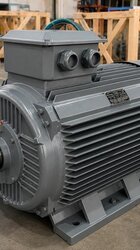
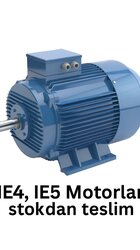
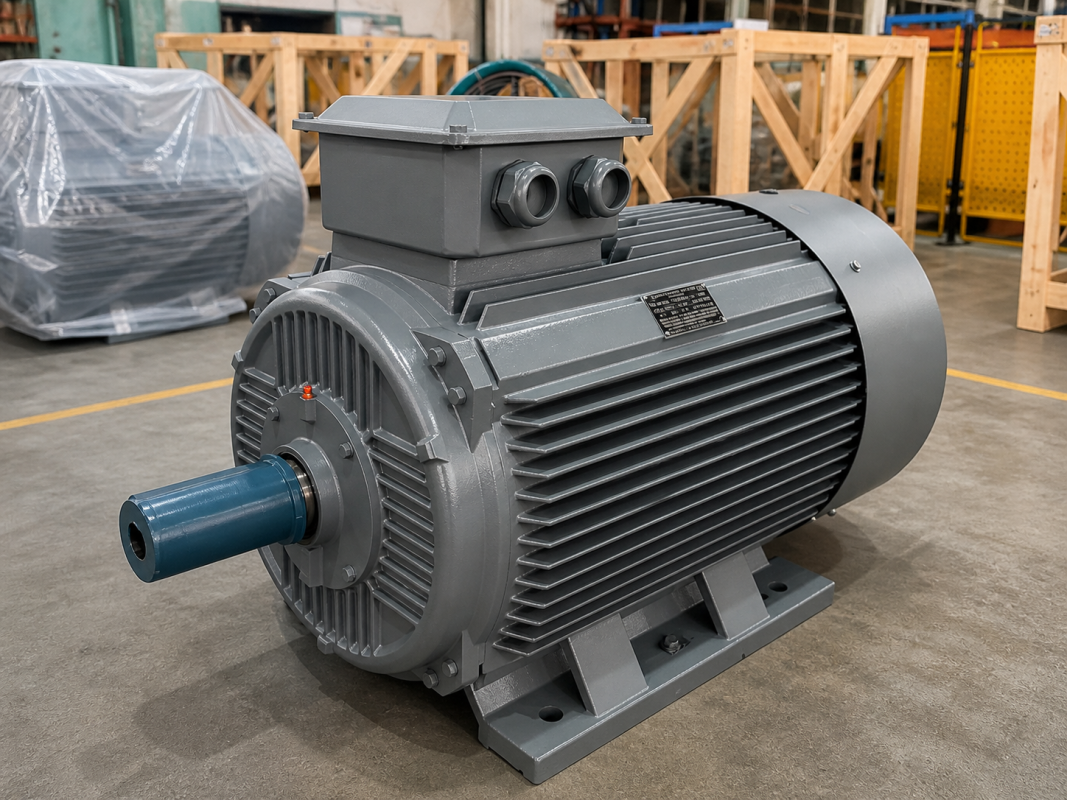

Heavy industry, ranging from mining and cement to iron-steel works and stone-crushing plants, is the arena where electric motors operate under the most demanding conditions imaginable. In these environments, motors must run, often without interruption, under heavy dust, high temperature, constant vibration and relentless mechanical load. These harsh conditions wear out an ordinary motor in a remarkably short time. So what exactly are the challenges an electric motor faces in heavy industry, and how does it withstand them?
At DRG Motor, in this article we examine the difficulties that heavy industrial conditions impose on motors and the motor characteristics suited to surviving them. You can find the features of industrial-grade motors in our article on industrial electric motors.
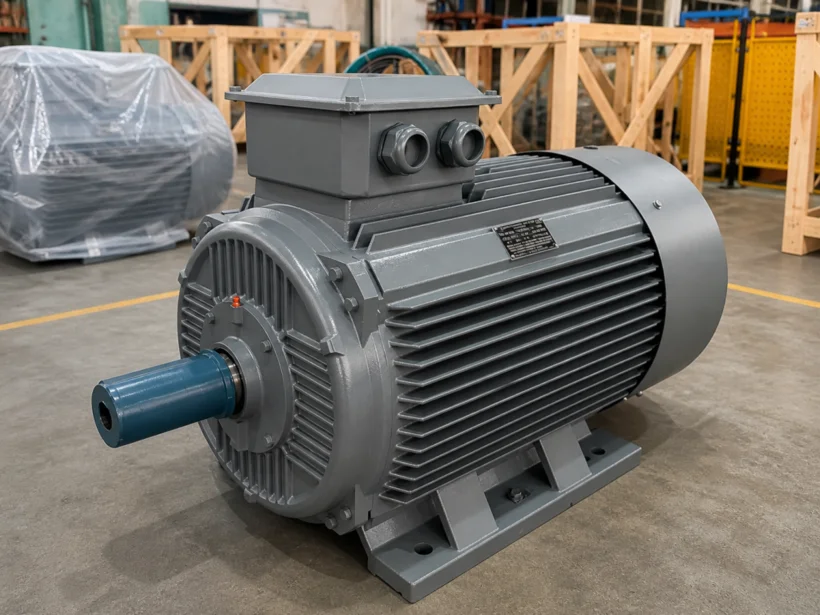
Intense Dust and Dirt
The most common challenge in heavy industry is intense dust and dirt. Dust coats the cooling surfaces of a motor and prevents heat from being dissipated; if it works its way inside, it damages the windings. For this reason, heavy-industry motors must carry a high IP protection rating. The correct protection class shields the motor from dust and grime, while regular cleaning keeps the cooling system working as it should.
Without adequate ingress protection, fine particles accumulate quickly and silently undermine the motor's reliability. A high-rated, well-sealed enclosure is therefore the first line of defence in dusty plants.
High Ambient Temperature
In cement plants, foundries and similar facilities, ambient temperature can climb very high. A hot environment makes it harder for the motor to cool itself and leads to overheating. Under these conditions, motors with a high insulation class are required. We explain the ways to manage heat in our article on electric motor temperature control. High temperature is one of the fundamental challenges of heavy industry, and it directly shapes the insulation specification you should demand.
Continuous and Heavy Load
In heavy industry, motors generally run continuously and at full load. This sustained load strains the motor and heats it. The motor must therefore be suited to a continuous duty cycle and built to be durable. A motor designed for intermittent service quickly proves inadequate under these conditions, falling short on both thermal capacity and mechanical endurance.
Sustained heavy load is a true test of a motor's quality and sturdiness. That is exactly why selecting a genuinely high-quality motor becomes non-negotiable in this sector.
Severe Vibration
Crushers, mills and press machines generate severe vibration. This vibration strains the motor's bearings and connections. A sturdy cast-iron body and quality bearings protect the motor against it. We discuss the importance of the cast-iron body in our article on the cast-iron electric motor. A solid frame absorbs vibration and keeps the motor stable, making vibration resistance a defining requirement in heavy applications.
The Need for High Starting Torque
In heavy industry, machines often have to start up under load. This demands high starting torque from the motor. Insufficient torque means the motor struggles to break away on start and overheats in the process. For an example of a high-torque application, you can look at our article on stone-crushing plant motors. Torque is the decisive factor for heavy-duty applications.
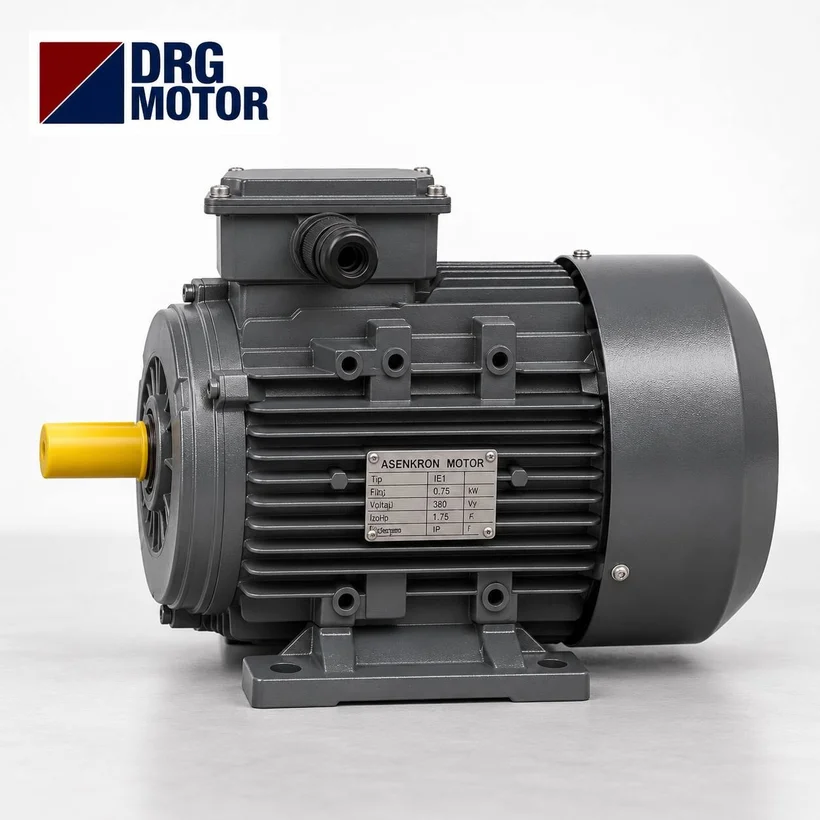
Moisture and Water Contact
Some heavy-industry applications involve moisture, splashing water or washdown. Moisture can damage the motor's windings and metal parts. Under these conditions, motors with a high IP protection class are required. Moisture is a challenge that directly threatens the winding insulation, and the right protection class keeps water out, ensuring a long service life even in wet surroundings.
Sudden Load Changes
In heavy industry, the load can change abruptly; for example, when a large rock enters a crusher, the load spikes instantly. These sudden changes strain the motor and demand high torque. The motor must be able to absorb these changes without struggling. A durable motor of the correct rating meets sudden load swings safely and keeps production flowing.
High Inrush Current
The large, high-power motors used in heavy industry draw very high current on start-up. This current strains both the motor and the supply network. Appropriate starting methods are therefore used. Star-delta or soft starting limits the inrush current, and a frequency inverter is also an effective solution here. Managing inrush is one of the recurring challenges of heavy industry.
Voltage Fluctuations
In heavy industrial plants, the simultaneous operation of many large machines can cause voltage fluctuations. Low or unbalanced voltage strains the motor and heats it. Voltage quality and protection relays are therefore important. Phase-protection relays guard the motor against voltage problems, and stable voltage is essential for healthy operation.
Abrasive and Chemical Environments
Some heavy-industry environments contain abrasive dust or chemical vapours. These substances can erode the motor's body and components. Such conditions call for specially protected, durable motors. An abrasive environment is an additional challenge for the motor, and the right materials and protection keep it safe where standard machines would fail.
Cooling Difficulties
In hot, dusty heavy-industry environments, cooling the motor becomes difficult. Dust covers the cooling surfaces while the hot ambient air renders cooling inadequate. Effective cooling design and regular cleaning are therefore important. Cooling is a critical challenge in heavy industry, and a well-cooled motor operates safely even under the toughest conditions.
Mechanical Stress and Impact
In heavy industry, motors can be exposed to impact and mechanical stress. Falling material, sudden loads and rough operating conditions all strain the motor. A solid cast-iron body protects against these impacts. Mechanical stress is a challenge that demands durability, and a sturdy frame paired with quality components delivers the long life heavy industry requires.
Maintenance Intervals and Motor Life
In heavy industry, motors may operate in hard-to-reach and demanding locations, which makes maintenance difficult. Motors that are easy to service, durable and require little maintenance are advantageous here. We describe the routine in our article on electric motor maintenance steps. Easy maintenance is genuinely valuable when access is restricted.
The Pressure of Production Continuity
In heavy industry, the failure of one motor often halts an entire production line and creates enormous cost. The reliability of motors is therefore critical. An unreliable motor means constant production risk. This pressure for continuity demands a quality motor, and that is why motor selection here should rest on reliability rather than price alone.
The Need for Spare Motors
In heavy industry, keeping spares for critical motors is often mandatory. When one motor fails, a spare steps in and prevents production from stopping. A spare motor is an important form of insurance. Using motors of standard dimensions makes stocking and swapping easier, securing production continuity.
Energy Cost Pressure
Because heavy-industry motors run at high power for long hours, energy consumption is a major cost item. Inefficient motors inflate this cost. High-efficiency motors should therefore be preferred. We discuss the contribution of efficiency classes in our article on high-efficiency electric motors. In heavy industry, efficiency translates directly into profit.
The Importance of the Cast-Iron Body
Against all these challenges, the cast-iron body is the indispensable feature of heavy-industry motors. A solid cast-iron frame protects the motor against impact, vibration, heat and dust. Cast-iron-bodied motors are therefore the standard in this sector. We explain the advantages in detail in our article on the cast-iron electric motor. A sturdy frame is the foundation of heavy industry.
The Need for High IP Protection
Against dust and moisture, heavy-industry motors must carry a high IP protection class. This protection prevents harmful substances from entering the motor. The right IP class extends the motor's life under demanding conditions, and selecting protection appropriate to the environment safeguards the motor for long, trouble-free operation.
Correct Power and Torque Selection
In heavy industry, the motor must be chosen at the correct power to meet the heavy load and high torque. Insufficient power means constant strain, while excessive power means needless cost. The right balance of power and torque ensures safe operation under demanding conditions. You can find power and speed options in our power (kW) and speed table.
The Superiority of Three-Phase Motors
Heavy industry's high power demand is met almost always by three-phase motors. Three-phase motors produce high torque and power in a balanced way and run without pulsation. This makes them the standard of heavy industry. We explain the reasons three-phase is preferred in our article on three-phase motors in industry.
The Right Motor Against the Challenges
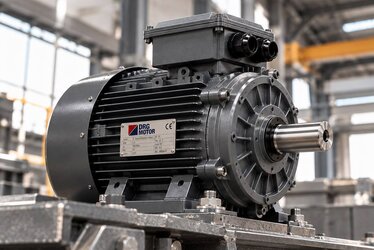
Against all these challenges of heavy industry, choosing a motor with the right characteristics is the key to the solution. A cast-iron body, high IP protection, high torque, quality windings and high efficiency are the features needed to endure these conditions. The right motor overcomes the difficulties. Motors that combine all of these serve long and safely in heavy industry.
Motor Challenges in Mining
Mining is among the areas where motors operate under the most demanding conditions. Heavy dust, moisture, vibration and heavy load all occur together. In this environment, motors require high protection and durability. Mining is one of the toughest extremes of heavy industry, and motors suited to it are equipped with high IP protection and a solid frame to secure production underground.
Cement and Aggregate Plants
Cement and aggregate plants involve both high dust and high temperature. Motors must withstand these two challenges at the same time. A high protection class and a high insulation class are therefore required. These plants present a demanding combination for motors, and durable, well-protected machines deliver long life in dusty, hot surroundings.
The Iron and Steel Industry
Iron and steel plants involve extremely high temperatures and heavy load. Motors struggle to cool under these harsh thermal conditions. A high insulation class and effective cooling are critical in these applications. Iron and steel is one of the most demanding sectors in terms of heat, and motors made from heat-resistant materials run safely even at high temperatures.
The Need for Continuous Monitoring
In heavy industry, continuously monitoring motors makes it possible to catch faults early. Tracking current, temperature and vibration allows a problem to be noticed before it grows. Monitoring is an effective way to protect a motor under demanding conditions. Early detection prevents unplanned stoppages and major failures, supporting production continuity.
Protection Relays and Safety
To protect motors in heavy industry, thermal relays, phase-protection relays and overcurrent protection are used. These devices stop the motor in abnormal situations and prevent it from burning out. Protection systems are the motor's insurance under demanding conditions, and correctly set relays guard against both overload and voltage problems.
Cooling Solutions
In hot, dusty environments, standard cooling can fall short. In that case, external cooling fans or special cooling solutions are used. Correct cooling keeps the motor's temperature within safe limits. Cooling carries special importance in heavy industry, and a well-cooled motor runs for a long time even under demanding conditions.
Correct Mounting and Solidity
In heavy industry, the motor's mounting must be made very solid against vibration and impact. A loose mounting rapidly turns into a problem under vibration. A solid foundation and correct connection ensure balanced operation. Mounting quality is important under demanding conditions, and a correct installation protects both the motor and the connected equipment.
Dust Tightness
In heavy industry, it is critical that dust does not enter the motor. A high IP protection class and solid seals provide dust tightness. Dust that gets inside damages the windings and leads to failure. Dust tightness is the key to motor life, and regular inspection keeps the seals and tightness intact.
Knowing the Load Profile
In heavy industry, every application has its own load profile. Constant, variable or shock loads each demand different characteristics from the motor. Correctly understanding the load profile is the foundation of selecting the right motor. A wrong match means strain and failure, while a properly analysed load profile shows when and how much the motor will be stressed.
The Role of Quality Windings
Under demanding conditions, the motor's ability to deliver its power steadily depends on quality copper windings. Quality windings heat up little and run efficiently even at high load. Low-quality windings wear quickly under harsh conditions. We explain the importance of winding quality in our article on rotor copper-wound electric motors. Quality windings are the foundation of durability.
A Total-Cost View
In heavy industry, a cheap but flimsy motor actually proves expensive through frequent failures and lost production. A quality, durable motor, though slightly more expensive up front, pays off in the long run. A total-cost view is therefore important. Under demanding conditions, quality converts directly into production continuity, demonstrating the value of a quality motor.
The Right Choice for a Long Life
To endure the challenges of heavy industry, the motor should be chosen with a solid body, high protection, quality windings and the correct power. When these features come together, the motor runs long and safely even under the toughest conditions. The right choice is the key to a long life, and motor selection in heavy industry should be made carefully and with expert support.
DRG Motor for Heavy-Industry Solutions
At DRG Motor, we offer cast-iron-bodied, high-IP-protected, high-torque and efficient motors designed to withstand the demanding conditions of heavy industry. Our aim is to ensure your motor runs uninterrupted and safely even in the toughest environments. Dust, heat, vibration and heavy load: we recommend the right solution for every condition.
To select the most suitable motor for your heavy-industry application and to receive technical support, you can contact DRG Motor and explore our range on the products page, or visit our home page. The right motor is the assurance of your production under the harsh conditions of heavy industry.