 English
 Le français
 Türkçe

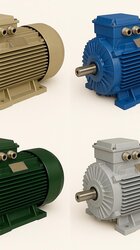
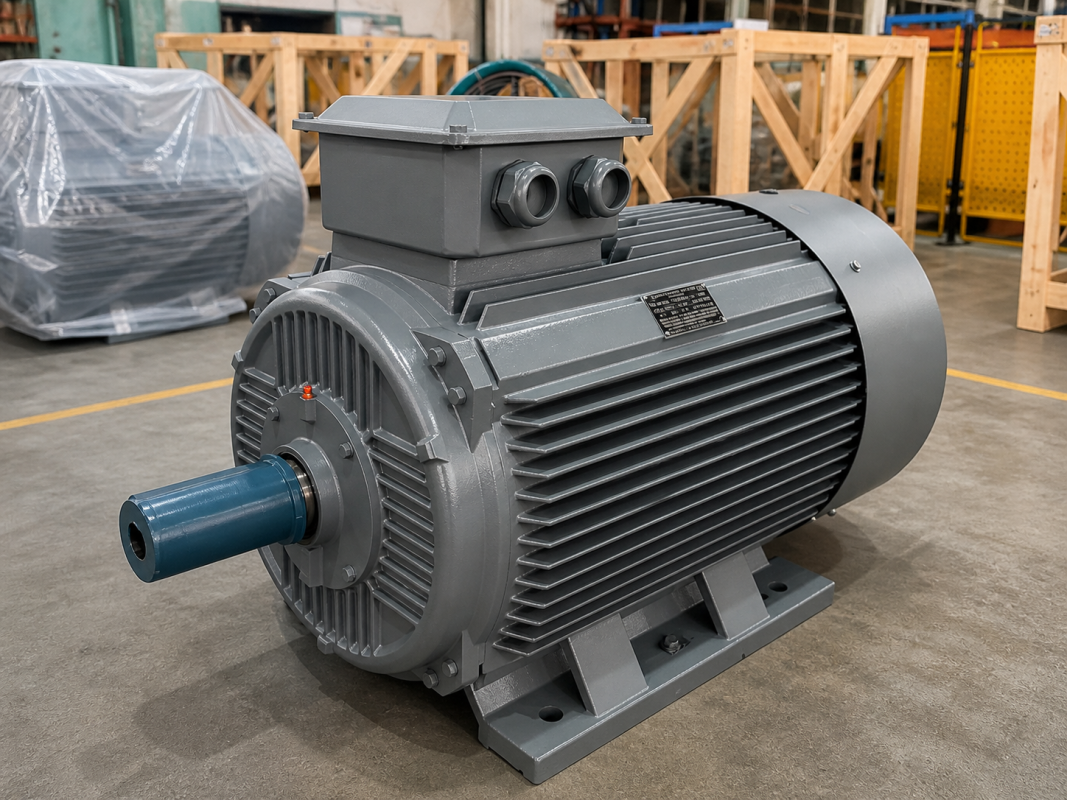

Most electric motors treat vibration as an unwanted problem and try to keep it to a minimum. In some applications, however, vibration is exactly what is wanted. Vibration motors make processes such as material handling, screening, feeding and compaction possible by producing controlled vibration. These special motors increase productivity in many areas of industry. So what is the working principle of vibration motors, and what advantages do they offer?
In this article, DRG Motor examines the working principle and advantages of vibration motors. You can find the basic logic of standard motors in our what is an electric motor article.
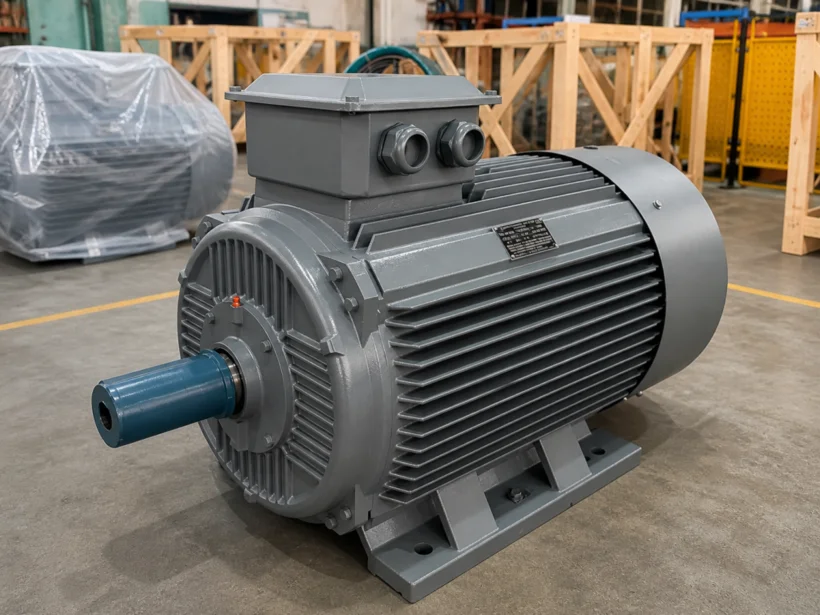
What Is a Vibration Motor?
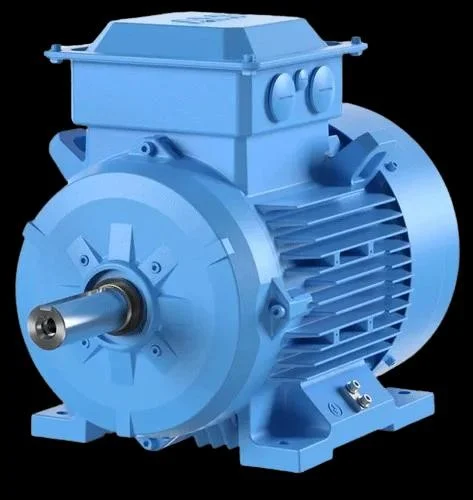
A vibration motor is a special electric motor designed to produce controlled vibration. Thanks to unbalanced (eccentric) weights attached to the ends of its shaft, it creates vibration as it turns. This vibration is transferred to the equipment to which the motor is attached. The vibration motor uses vibration as a tool.
These motors produce the desired vibration in a controlled way, which makes many industrial processes possible.
Working Principle
The working principle of vibration motors is based on the principle of centrifugal force. The eccentric weights attached to the rotor shaft tend to move away from the centre as they turn, creating centrifugal force. This force produces vibration in the equipment on which the motor is mounted. The working principle is simple but effective.
Centrifugal force is the source of vibration, which delivers controlled vibration.
Eccentric Weights
The intensity and direction of the vibration produced by a vibration motor depend on the size, position and angle of the eccentric weights. As the weights grow larger, vibration intensity increases; when their positions change, the direction of vibration changes. This adjustability makes the vibration motor flexible, which allows it to adapt to the application.
Eccentric weights allow the vibration to be controlled, which means adaptation to different applications.
Mechanical Simplicity
Vibration motors have a much simpler structure than other vibration-producing systems. They require no additional parts such as chains, belts or gears. This mechanical simplicity means both reliability and low maintenance. A simple structure is an important advantage of the vibration motor.
Fewer parts mean fewer breakdowns and less maintenance, which ensures reliable operation.
Easy Mounting
Vibration motors can be mounted in different types, either foot-mounted or flange-mounted. This variety allows the motor to be easily connected to different equipment. Easy mounting is a practical advantage of the vibration motor, which means quick installation.
We explain mounting types in our mounting type selection article. Easy mounting is an advantage in vibration motors.
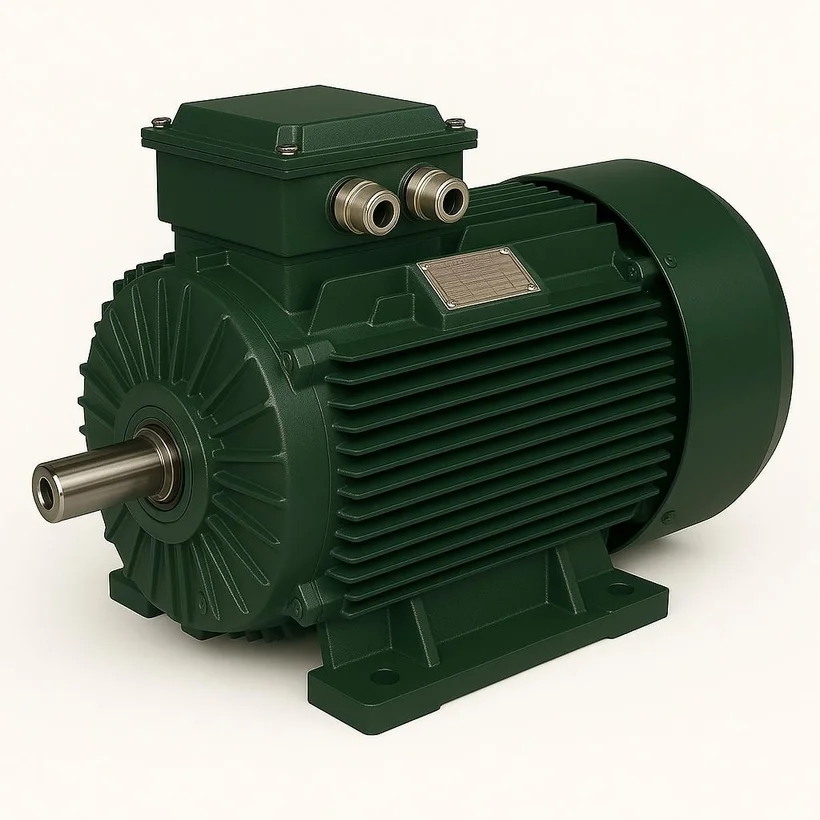
Keeping the Motor Running
Vibration motors have a low maintenance cost thanks to their simple structure and long life. Because there are no complex transmission elements, the need for maintenance is low. This lowers operating cost. Low maintenance is an important advantage of the vibration motor.
We explain maintenance principles in our electric motor maintenance steps article. The vibration motor requires little maintenance.
Flexible Operation
Vibration motors can operate flexibly according to different frequency and amplitude settings. The vibration characteristics can be changed by adjusting the eccentric weights. This flexibility allows the motor to adapt to different applications, which means versatile use.
Flexible operation makes the vibration motor suitable for different needs, which is a practical advantage.
Material Handling
Vibration motors move material through vibratory conveyors and troughs. The vibration causes the material to move forward. This method is especially effective for moving bulk materials. Vibratory handling is used in many sectors.
We explain conveyor motors in our conveyor and belt motor selection article. Vibration is an alternative handling method.
Screening and Separation
Vibrating screens work with vibration motors to separate material by size. The vibration causes the material to move across the screen and be sieved. Screening is used in many areas, from stone-crushing plants to the food sector. The vibration motor is the heart of the screening process.
We also cover high-torque and screening applications in our stone crushing plant motors article. Screening is an important application of the vibration motor.
Feeding and Dosing
Vibration motors enable material to be fed and dosed in a controlled way. Vibratory feeders deliver material at a regular and adjustable rate. This means precise feeding on production lines. The vibration motor makes the feeding process easier.
Precise feeding supports production quality and efficiency, which is an advantage of the vibration motor.
Concrete and Compaction
In the concrete industry, vibration motors are used to compact concrete and place it into moulds. The vibration ensures the concrete fills homogeneously and without voids. This means stronger, higher-quality concrete products. The vibration motor improves concrete quality.
Concrete compaction is an important application area for vibration motors, which is valuable in the construction sector.
Sectors of Use
Vibration motors are used in many sectors, including construction, mining, food processing, agriculture, automotive and ceramics. Processes such as material handling, screening, feeding and compaction are carried out with these motors. A wide range of uses makes the vibration motor versatile, which makes it indispensable.
Many sectors benefit from vibration motors, which means a wide application area.
Adjusting Vibration Intensity
The vibration intensity of a vibration motor can be changed by adjusting the eccentric weights. This adjustment allows the vibration to be increased or decreased according to the needs of the application. Adjustable vibration allows the motor to adapt to different processes, which means flexible use.
Adjusting the vibration delivers the most suitable performance for the application, which means efficient operation.
Direction of Vibration
Two vibration motors operating together and synchronised can produce linear (directional) vibration. This causes the material to move in a specific direction. While a single motor produces circular vibration, a pair produces directional vibration, which is chosen according to the application.
The direction of vibration determines the movement of the material, which requires a correct application design.
Twin-Motor Systems
Some applications use two vibration motors for balanced, directional vibration. These motors turn in opposite directions to produce linear vibration. Twin-motor systems provide precise, controlled vibration, which is used in advanced applications.
Twin-motor systems deliver precise control of vibration, which means a quality process.
A Durable Structure
Because vibration motors operate under continuous vibration, they must be extremely durable. A sturdy body and specially reinforced bearings withstand this vibration. A durable structure ensures the vibration motor is long-lived, which means reliable operation.
We explain the advantages of a cast-iron body in our cast-iron electric motor article. A sturdy body is critical in vibration motors.
Special Bearings
Vibration motors are equipped with special bearings that can withstand the continuous vibration load. Standard bearings wear quickly under these harsh conditions. Reinforced bearings allow the vibration motor to withstand vibration, which means long service life.
We explain extending bearing life in our extending bearing life article. Special bearings are necessary in vibration motors.
High Protection Class
Vibration motors often operate in dusty, harsh environments. For this reason, they must have a high IP protection class. The right protection shields the motor from dust and moisture, which ensures long-lived operation.
We explain protection class selection in our IP protection class selection article. High protection is important in vibration motors.
Use in Mining
In mining, vibration motors are used to move, screen and separate ore. In this harsh environment, motors require high durability. Vibration motors increase productivity in mining, which is a vital function.
Mining is one of the most demanding application areas for vibration motors, which requires a durable motor.
Use in the Food Industry
In the food industry, vibration motors are used in material handling, feeding, dosing and screening. In these applications, hygiene and precision are important. The right vibration motor increases productivity in food production, which means quality production.
We explain food plant motor selection in our food plant motor selection article. Vibration is valuable in food production.
Construction and Road Building
In the construction sector, vibration motors are used in stone crushing, screening plants, concrete plants and asphalt plants. They also serve a vital function in road, bridge and tunnel construction. These motors increase construction productivity, which accelerates projects.
Construction applications benefit intensively from vibration motors, which means a wide range of use.
Choosing the Right Power Rating
The power of a vibration motor is determined by the quantity of material to be moved or processed and the required vibration intensity. Insufficient power means insufficient vibration, while excessive power means unnecessary consumption. The right power delivers an efficient process and is the basis of a sound choice.
You can find power options in our power (kW) and speed table. The right power is the foundation of vibration efficiency.
Energy Efficiency
Vibration motors can be designed to run with low energy consumption. An efficient vibration motor does the work with the least energy. In continuously running applications this saving is important, which lowers operating cost.
We cover efficiency classes in our high-efficiency electric motors article. Efficiency is valuable in vibration motors too.
Vibration and Structural Effect
The vibration produced by a vibration motor affects the connected structure and surroundings. For this reason, the mounting and structural design should be done so as to manage the vibration correctly. The right design ensures vibration is transferred only to the intended place, which means safe operation.
Structural design is important for the safe use of the vibration motor, which means an informed installation.
Maintenance Intervals and Motor Life
Although vibration motors require little maintenance, regular inspection of the eccentric weights and bearings is important. Loosening weights or worn bearings disturb the vibration characteristics. Regular inspection ensures the motor operates correctly, which means long service life.
Regular inspection preserves the performance of the vibration motor, which ensures reliable operation.
Automotive and Other Sectors
Vibration motors are also used in the automotive and many other industrial sectors. Processes such as surface cleaning, packaging and positioning are carried out with these motors. A wide range of uses makes vibration motors versatile, which makes them valuable.
Many sectors benefit from the controlled vibration provided by vibration motors, which means a wide range of application.
A Total-Cost Perspective
When selecting a vibration motor, durability and maintenance cost should be considered alongside the purchase price. A durable, low-maintenance motor is the most economical over the long term. A cheap but flimsy motor fails quickly under vibration, which is why a total-cost perspective is important.
We examine the factors behind price in our factors that determine price article. Durability pays off in vibration motors.
The Right Supplier for a Vibration Motor
It is important to source your vibration motor from a trustworthy supplier who understands the requirements of this special application. A reliable supplier recommends a durable motor with the right vibration for your application, which ensures both an efficient process and continuity. The right supplier matters in vibration motors.
We explain how to choose the right supplier in our choosing an electric motor dealer article. A reliable source means the right motor.
Summary of the Advantages of a Vibration Motor
Vibration motors offer controlled vibration, mechanical simplicity, easy mounting, low maintenance and flexible operation. These advantages make them indispensable in material handling, screening and compaction applications. In the right application, a vibration motor delivers significant productivity, which means an informed choice.
The value of a vibration motor reveals itself as productivity in the right application, which the right choice secures.
Choosing Correctly With Expert Support
Selecting a vibration motor requires the vibration, power and durability requirements of the application to be weighed together. Consulting an expert helps you identify the motor best suited to your application. The right support delivers both an efficient process and long service life, and expert evaluation is the key to a sound choice.
At DRG Motor, we provide technical support for vibration motor selection. The right choice makes your production processes efficient.
Use in the Ceramics Sector
In the ceramics sector, vibration motors are used to move, screen and place raw material into moulds. The vibration ensures the material is distributed homogeneously. This means quality ceramic products. The vibration motor increases productivity in ceramic production.
Ceramic production is a sector that benefits from controlled vibration, which makes correct motor selection important.
Vibratory Conveyors
Vibratory conveyors gently and regularly move material with vibration motors. Unlike belt conveyors, they have few moving parts and are easy to maintain. This provides an advantage especially in moving bulk and sensitive materials. Vibratory handling is a practical solution.
Vibratory handling is an alternative method to traditional belts, which is preferred in some applications.
Screening, separating and moving grain with vibration motors
In the agricultural sector, vibration motors are used to screen, separate and move products. In processing grain and other products, controlled vibration increases efficiency. This makes agricultural processes easier. The vibration motor is valuable in agriculture too.
Agricultural processing benefits from the vibration provided by vibration motors, which means a wide range of use.
The Right Motor for the Right Vibration
Every application requires a different vibration characteristic. The right vibration motor delivers the vibration intensity and direction the application requires. The wrong motor means insufficient or excessive vibration. The right choice delivers an efficient, quality process.
Analysing the vibration needs of the application correctly is the foundation of choosing the right motor, which gives the best result.
DRG Motor for Vibration Motors
At DRG Motor, we offer durable, efficient vibration motor solutions for material handling, screening, feeding and compaction applications. Our aim is to increase productivity with controlled vibration in your production processes. By evaluating the vibration and power needs of your application, we recommend the solution best suited to you. You can also visit our homepage to learn more.
To choose the ideal vibration motor for your application and receive technical support, contact DRG Motor and explore our range on our products page. The right vibration motor increases the efficiency and quality of your production processes.