 English
 Le français
 Türkçe

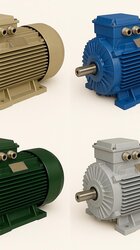
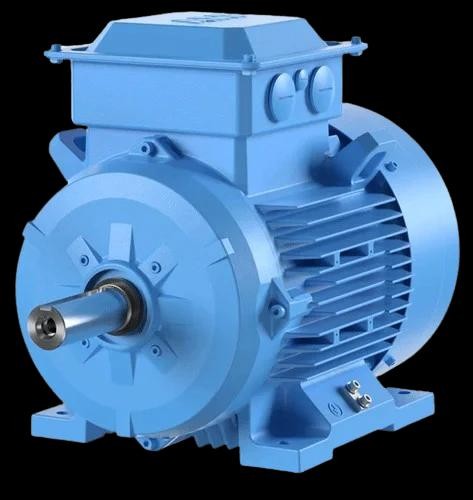

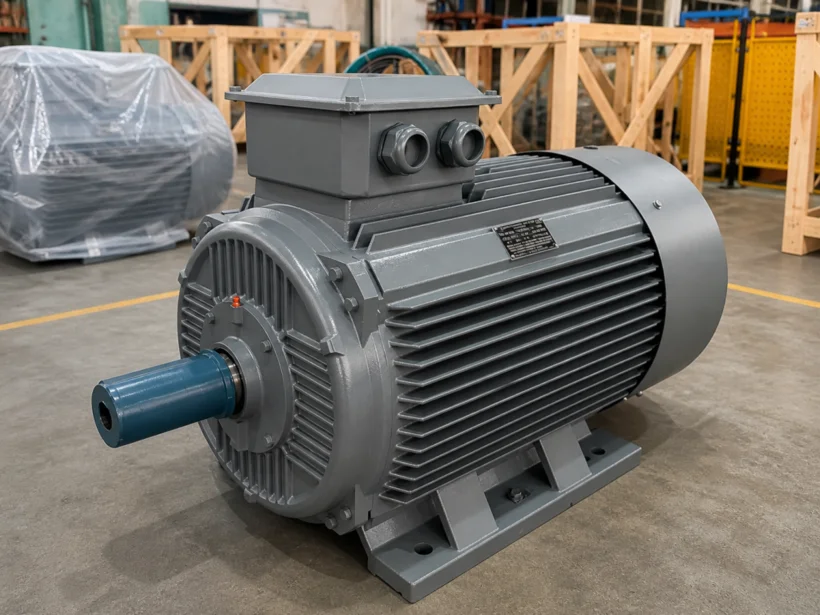
Some applications require a motor to run at two different speeds. One of the common ways to obtain two speeds from a single motor is the Dahlander connection. This method provides two pole numbers and two speeds from a single winding. In this way, there is no need for separate motors.
In this article we look at how Dahlander-connected two-speed motors work. We explain the relationship between speed and poles in our article on pole count and speed. Dual speed provides flexibility.
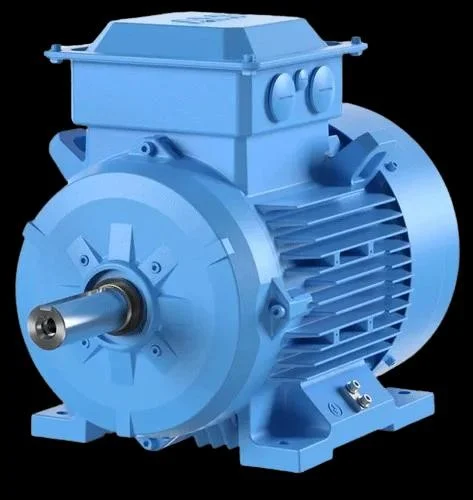
What Is a Two-Speed Motor?
A two-speed motor is an induction motor that can run at two different speeds. It is used when an application requires both low and high speed. In this way, two speeds are obtained from a single motor. This saves both space and cost.
The two-speed motor is ideal for flexible speed needs. This makes it a practical solution.
What Is the Dahlander Connection?
The Dahlander connection is a method of obtaining two pole numbers by connecting the ends of a single winding in different ways. In this method, the winding is connected in series or in parallel to change the pole number. In this way, the motor turns at two speeds. This is a practical solution.
Dahlander is a clever technique that provides dual speed from a single winding. This makes it widespread.
The Pole Count and Speed Relationship
The speed of an induction motor depends on the pole number. As the pole number increases, the speed decreases. The Dahlander connection adjusts the speed by changing the pole number. This basic relationship forms the essence of how two-speed motors work. This is what determines the speed.
The pole-speed relationship is the basis of motor speed. This is the logic of dual speed.
The Pole Ratio in Dahlander
In a Dahlander connection, the two pole numbers must be multiples of each other; typically 2/4, 4/8 or 6/12. This ratio ensures that both speeds of the motor correspond to standard speeds. For this reason, Dahlander offers a 1:2 speed ratio. This suits certain applications.
The pole ratio determines the speed range of the Dahlander motor. This is important in selection.
Running at Low Speed
When the motor runs at low speed, the connection with the larger pole number is active. In this case, the magnetic field turns the rotor slowly. Low speed provides higher torque and quieter operation. This suits precise work.
The low-speed mode is ideal for stages requiring high torque. This means flexibility.
Running at High Speed
When the motor runs at high speed, the connection with the smaller pole number is active. In this case, the magnetic field turns the rotor quickly. High speed provides faster production or transport. This means efficient operation.
The high-speed mode suits stages requiring speed. This provides process flexibility.
Series and Parallel Connection
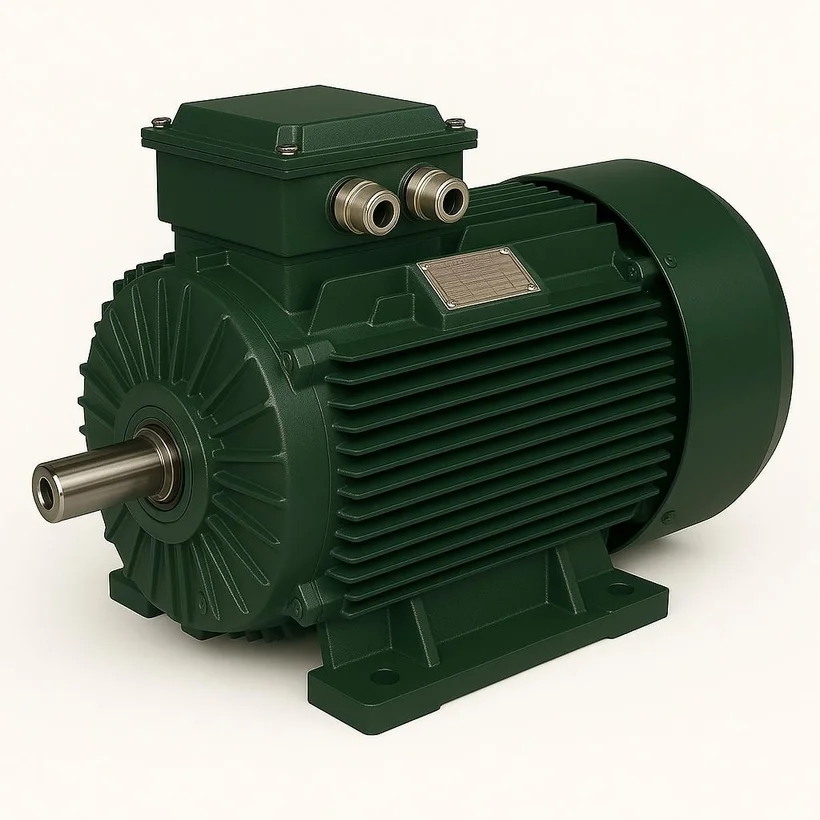
The essence of the Dahlander connection is connecting the winding groups in series or in parallel. The series connection gives one pole number, and the parallel connection the other. Changing the connection changes the speed of the motor. This is the basis of the two speeds.
The series-parallel switch is the operating logic of Dahlander. This is done with a control panel.
How Is the Connection Changed?
The speed change is made with a contactor-based control panel. The operator or automation system sets the connection to low or high speed. This transition is achieved by the contactors switching in the appropriate sequence. This means a safe transition.
Contactor selection should be evaluated together with our article on overload protection. Changing the connection requires correct control.
Single-Winding Dahlander
The classic Dahlander connection uses a single winding, and the ends of this winding are connected differently. A single winding makes the motor more compact and economical. This method is ideal for a 1:2 speed ratio. This means a simple solution.
The single-winding structure is the most common form of Dahlander. This makes it practical.
Two-Winding Two-Speed Motors
Some two-speed motors use two separate windings. This method makes it possible to obtain speed ratios other than 1:2 (for example, 4/6 poles). Two-winding motors offer more flexible speed ratios. This suits different applications.
The two-winding structure is an alternative dual-speed method to Dahlander. This provides flexibility.
The Advantage of Two-Speed Motors
The biggest advantage of two-speed motors is obtaining two speeds from a single motor. This eliminates the need for separate motors and mechanical arrangements. It saves both investment and space. This makes it an economical solution.
Dual speed offers speed flexibility economically. This adds value to the operation.
Comparison With the Frequency Inverter
A frequency inverter can continuously vary the speed of the motor; Dahlander, by contrast, offers only two fixed speeds. If two speeds are sufficient, Dahlander is a more economical solution. If variable speed is required, the inverter is preferred. This depends on the need.
We explain the inverter in our article on frequency inverters and energy saving. The two methods serve different needs.
Fields of Use
Two-speed motors are used in cranes, elevators, fans, pumps and machine tools. These applications have a need for two different speeds. The Dahlander motor meets this need with a single motor. This makes it a widespread solution.
We discuss crane applications in our article on crane and lifting motors. Dual speed is used in many fields.
Use in Fans and Ventilation
In fan and ventilation systems, the two-speed motor provides switching between low and high air flow. At low speed, energy is saved; at high speed, high flow is obtained. This provides flexible ventilation. This means comfort.
We explain fan motors in our article on fan and blower motors. Dual speed is common in fans.
Use in Cranes and Lifting
In cranes, the two-speed motor provides low speed for precise positioning and high speed for fast transport. These two speeds make the safe and efficient handling of the load easier. This means operational efficiency. This ensures safe operation.
Dual speed is a practical solution in lifting applications. This makes it valuable.
Use in Elevators
In traditional elevators, the two-speed motor switches to low speed for slowing down as it approaches the floor. In this way, a smooth and precise stop is achieved. Dual speed improves elevator comfort. This means safe use.
We explain elevator motors in our article on elevator motor selection. Dual speed provides comfort in elevators.
Torque Characteristic
The torque of a two-speed motor varies according to the speed mode. At low speed, generally higher torque is obtained; at high speed, lower torque. This torque distribution should be evaluated according to the application. This means the right choice.
We discuss torque in our article on starting torque. Torque is planned according to the speed mode.
Energy Saving
When low speed is sufficient, running the motor at low speed saves energy. The two-speed motor thereby prevents unnecessary energy consumption. The right speed selection lowers the energy bill. This means efficient operation.
We explain energy monitoring in our article on energy monitoring. Dual speed contributes to energy management.
The Control Panel Requirement
A special control panel is required for the operation of a two-speed motor. This panel safely manages the speed transition and protects the motor. A correctly designed panel ensures the safe operation of the motor. This means a reliable system.
The panel is an integral part of the two-speed motor. This requires correct installation.
The Importance of Protection
In a two-speed motor, overload protection is required for both speeds. Because different currents are drawn at different speeds, the protection settings must be made carefully. The right protection saves the motor from burning out. This means a long life.
We explain overload protection in our article on overload protection. Protection is set for each speed.
Care During Speed Transitions
When switching from high speed to low speed, the sudden slowing of the motor can cause mechanical strain. For this reason, speed transitions must be made in a controlled way. Correct transition management protects the motor and the system. This means safe operation.
The speed transition is a stage requiring care in a two-speed motor. This requires correct control.
Service Plan and Spares
Two-speed motors also require regular maintenance. Checking the winding, bearings and connections ensures the healthy operation of the motor. In motors running at two speeds, checking the connections is especially important. This means a long life.
We explain maintenance principles in our article on maintenance steps. Maintenance is essential in a two-speed motor too.
Choosing an IE Class
Two-speed motors can also be produced according to IE efficiency classes. A high-efficiency two-speed motor saves energy at both speeds. The efficiency class affects the long-term cost. This means an informed choice.
We explain efficiency classes in our article on high-efficiency electric motors. Efficiency is important in a two-speed motor too.
The Limits of Dahlander
The Dahlander connection offers only a 1:2 speed ratio and cannot provide continuously variable speed. If two fixed speeds are not sufficient, a frequency inverter is required. These limits determine the applications for which Dahlander is suitable. This requires the right choice.
Every method has a limit; the need determines the method. This means an informed choice.
Choosing the Right Two-Speed Motor
For the right two-speed motor selection, the two desired speeds, torque requirement, power and application are evaluated. This analysis reveals the most suitable motor for the application. The right choice ensures an efficient system. This means an informed investment.
A needs analysis is the foundation of the right choice. This means an efficient system.
The Economics of the Two-Speed Motor
A two-speed motor is more economical than buying two separate motors. Two speeds are obtained with a single motor, a single panel and a single installation. This lowers investment and operating costs. This makes it attractive.
The economic advantage makes the two-speed motor a preferred choice. This means an informed investment.
Widespread Use in Industry
Two-speed motors are used in many industrial applications that require speed flexibility. Being able to adjust the production speed increases process efficiency. This makes the two-speed motor valuable in industry. This means flexible production.
We explain industrial applications in our article on industrial electric motors. Dual speed is widespread in industry.
Three-Phase Structure
Two-speed motors are generally of a three-phase structure. Three-phase supply provides high power and efficient operation. The Dahlander connection is also applied in three-phase motors. This means reliable operation.
We explain three-phase motors in our article on three-phase motors in industry. Dual speed works in a three-phase structure.
The Importance of a Quality Motor
In a two-speed motor, quality is critical for reliable operation at both speeds. Quality windings and solid connections ensure trouble-free operation during speed transitions. This means a long life and reliability. This means an informed investment.
A quality motor makes a difference in two-speed applications. This means a reliable system.
Two speeds, one motor: switching between low and high flow
In pump systems, the two-speed motor provides switching between low and high flow. At low demand, low speed is used; at high demand, high speed. This provides both energy saving and flexibility. This means efficient operation.
We explain pump motors in our article on water pump motor selection. Dual speed is used in pumps too.
Dual Speed in Machine Tools
In machine tools, the two-speed motor provides different speeds for rough and fine machining. High speed is preferred for rough machining, and low speed for precise machining. This improves machining quality. This means flexible production.
Two speed options provide machining flexibility in machine tools. This makes it valuable.
Comparison With Star-Delta
While the star-delta method is used only for starting, Dahlander changes the speed during operation. The two methods serve different purposes. Dahlander meets the need for two continuous speeds. This makes it special.
We discuss starting methods in our article on soft starting. Dahlander is for speed change.
Speed Measurement and Monitoring
In two-speed motors, it should be monitored that both speeds operate correctly. Speed measurement confirms that the motor turns at the expected speeds. Monitoring catches possible problems early. This means safe operation.
Monitoring protects the health of the two-speed motor. This means a long life.
Cooling and Heating
When the two-speed motor runs at low speed, the fan cooling also slows down. In this case, heat management requires care. A correctly designed motor runs at a safe temperature at both speeds. This protects the motor.
We explain temperature control in our article on temperature control. Cooling is important at every speed.
Mounting and Installation
The mounting of a two-speed motor is similar to standard motor mounting, but the control connections are more complex. Correct mounting and connection ensure trouble-free operation of the motor at both speeds. This means a safe installation.
We discuss mounting type in our article on mounting type selection. Correct installation ensures trouble-free operation.
Long-Term Value
A two-speed motor provides significant value over the long term in the right application. Two speeds from a single motor lower both investment and operating costs. This makes the two-speed motor a smart investment. This means a gain for the operation.
The right two-speed motor serves efficiently for many years. This means an informed investment.
Two-Speed Motor Solutions With DRG Motor
If your application requires two different speeds, choosing the right two-speed motor is important for efficiency. At DRG Motor, we offer two-speed and high-efficiency motor solutions suited to your needs. By exploring our electric motor products, you can find the solution suited to your application.
For the right motor selection, you can visit our homepage and receive support from our technical team. DRG Motor provides reliable motor solutions.