 English
 Le français
 Türkçe

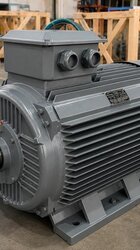
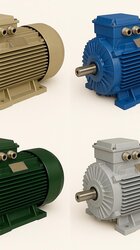
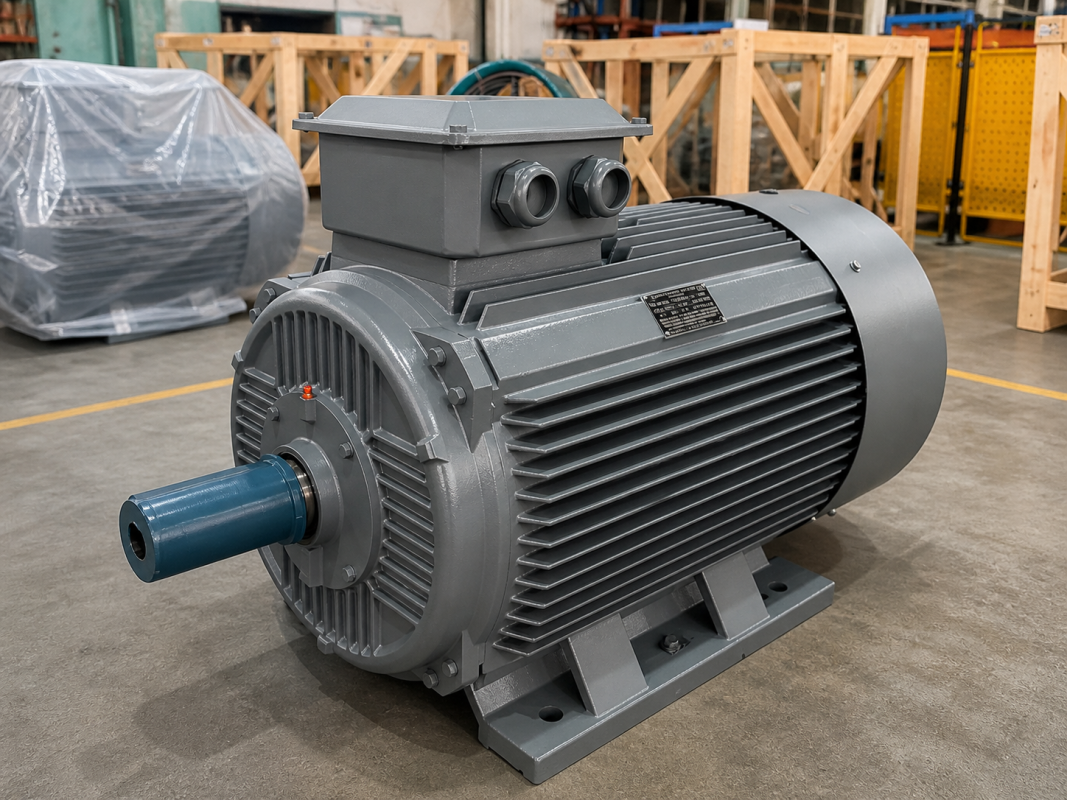

Cold storage rooms, supermarket refrigeration, industrial cooling systems and air conditioning all run on refrigeration compressors. At the heart of these compressors is the electric motor that drives them. A refrigeration compressor motor requires special attention because it runs continuously, under high pressure, and switches on and off frequently. A poorly chosen motor lowers cooling performance and increases energy cost alike. So what should you consider when choosing a refrigeration compressor electric motor?
In this article, DRG Motor examines the selection criteria for refrigeration compressor motors. You can also find the importance of starting torque in compressor motors in our compressor motor starting torque article.
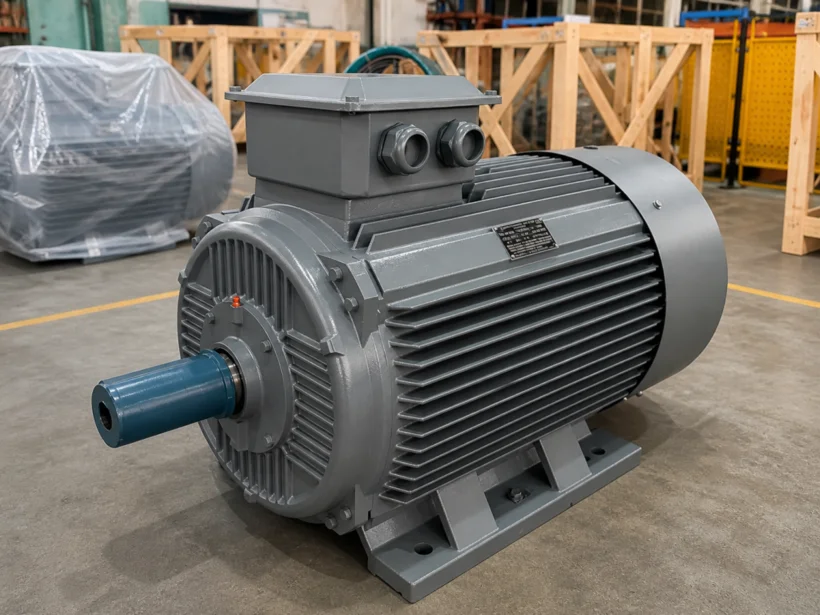
The Role of the Refrigeration Compressor
The refrigeration compressor enables the cooling cycle to work by compressing the refrigerant. This compression requires continuous force, and the electric motor provides that force. The compressor is the heart of the cooling system, and the motor drives that heart. The right motor means effective cooling.
Continuous operation of the compressor ensures cooling runs without interruption, which requires a reliable motor.
Compressor Types
Hermetic, semi-hermetic, scroll and screw compressors are used in cooling systems. Hermetic and scroll compressors are preferred in small and medium systems, while semi-hermetic reciprocating or screw compressors are preferred in large industrial systems. The compressor type determines the motor requirement, and the right type is chosen according to the application.
Each compressor type calls for a different motor approach, which makes the right choice important.
High Starting Torque
Refrigeration compressors demand high starting torque, especially when they engage under pressure. The motor must be able to turn the compressor against this pressure. Insufficient starting torque prevents the compressor from engaging and leads to overheating. High torque is the fundamental need of the compressor motor.
The right starting torque allows the compressor to engage safely, which means uninterrupted cooling.
Frequent Engagement
Refrigeration compressors frequently switch on and off according to the temperature target. This frequent operating cycle strains the motor and draws high current at every start. For this reason, compressor motors must be durable enough to withstand frequent engagement. Durability is critical in a cooling motor.
Frequent starting tests the motor's resistance to heat, which is why a quality motor is essential.
The Right Power and Capacity
The power of a refrigeration compressor motor is determined by the volume to be cooled, the type of product and the target temperature. Insufficient power means the target temperature cannot be reached, while excessive power means unnecessary energy consumption. The right power delivers effective, economical cooling and is the basis of a sound choice.
You can find power options in our power (kW) and speed table. The right power is the foundation of cooling efficiency.
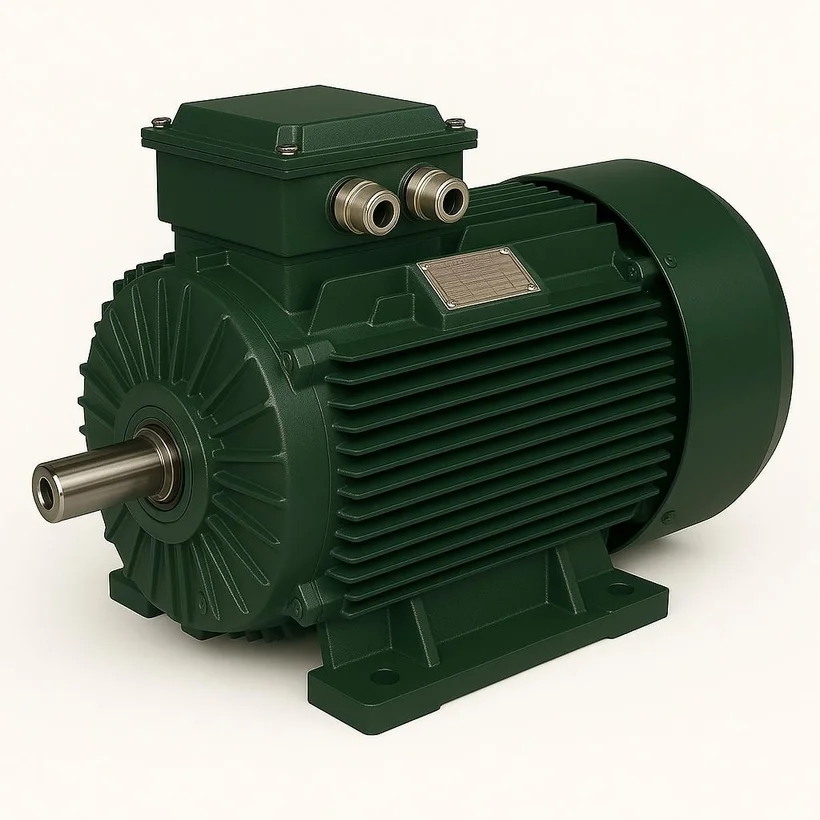
The Effect of Ambient Temperature
The temperature of the environment in which the compressor motor will operate affects its performance. A compressor running in a hot climate requires greater cooling capacity and careful motor selection. Ambient temperature directly affects motor efficiency, which is why geographic location matters.
We explain the effect of ambient temperature in our ambient temperature and altitude article. Temperature affects the compressor motor.
Efficiency and Energy Cost
Because cooling systems often run without interruption, motor efficiency directly affects energy cost. High-efficiency motors deliver significant energy savings in cooling. On these continuously running systems, efficiency turns directly into profit, which is why efficient motors should be chosen.
We cover efficiency classes in our high-efficiency electric motors article. Efficiency is valuable in cooling.
Continuous Duty
Refrigeration compressors run for long hours for the continuity of cooling. For this reason, motors must be suited to continuous duty (S1) and built to last. A continuously running motor must operate safely for long hours, which ensures the continuity of cooling.
We discuss duty cycles in our nameplate details article. Continuous operation is the norm in cooling.
Soft Starting
In refrigeration compressors, a sudden start creates high current and mechanical strain. Soft starting reduces this strain by bringing the motor up gradually. This protects both the motor and the compressor. Soft starting is valuable in a cooling motor.
We explain soft starting in our soft starting article. A soft start protects the compressor.
Control With a Frequency Inverter
A frequency inverter delivers energy savings by adjusting the compressor speed to the cooling need. When the cooling need is low the compressor slows, and when it is high it speeds up. This means significant energy savings. The inverter increases efficiency in cooling.
We explain the benefits of inverters in our frequency inverter and energy saving article. The inverter delivers savings in cooling.
Service and Spare Parts
Because cooling systems are critical, a motor failure can lead to product loss. For this reason, a reliable service network and readily available spare parts are important. Fast service ensures cooling does not stop in the event of a failure, which means continuity.
We explain how to choose the right supplier in our choosing an electric motor dealer article. Fast service is critical in cooling.
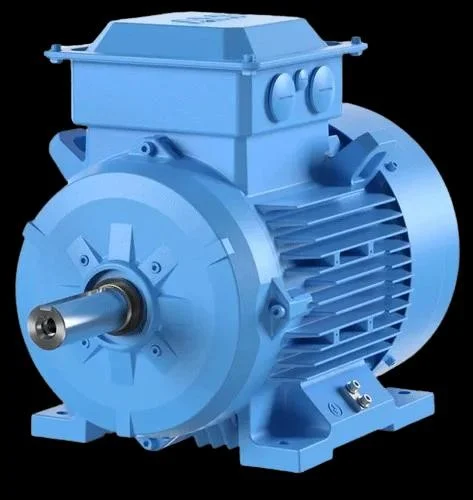
Hermetic Compressor Motors
In hermetic compressors, the motor sits together with the compressor inside a sealed housing. This structure provides a compact, quiet solution for small and medium cooling systems. Hermetic motors are common in domestic and commercial cooling, which is a practical solution.
The hermetic structure provides sealing and quietness, which is preferred in small systems.
Semi-Hermetic and Screw
In large industrial cooling systems, semi-hermetic reciprocating and screw compressors are used. These systems require high cooling capacity and powerful motors. Large plants are cooled with durable, powerful motors, which requires a reliable motor choice.
Large cooling systems demand high-power motors, which makes correct power selection important.
Selection According to Product Type
The product to be cooled determines the required temperature and humidity conditions. A fresh fruit and vegetable store and a frozen product store require entirely different motor power and duty cycles. Product type is an important criterion in motor selection, and the right choice protects product quality.
Each product requires different cooling conditions, which calls for an application-specific motor choice.
Store Capacity and Insulation
The volume of the store and the quality of its insulation determine the required cooling power. A well-insulated store needs less motor power, while poor insulation strains the motor continuously. For this reason, volume and insulation should be evaluated together, and a correct calculation delivers efficient cooling.
Insulation quality directly affects the load on the motor, which makes correct power selection important.
Refrigerant Compatibility
A refrigeration compressor motor must be compatible with the refrigerant used. Different refrigerants create different pressure and power requirements. The right motor is chosen to suit the refrigerant and the system, which means an efficient cooling cycle.
The refrigerant type affects compressor and motor selection, which requires system compatibility.
Heat Build-Up and Cooling
Because refrigeration compressor motors run continuously and under high load, they heat up. Adequate cooling and a motor that runs cool operate safely under these conditions, whereas excessive heat shortens motor life. Thermal management is therefore important.
We explain heat control in our electric motor temperature control article. A cool motor means long service life.
Overload Protection
Compressor motors can be overloaded in the event of a pressure rise or blockage. Overload protection stops the motor in these situations and prevents it from burning out. This protection is critical for a cooling motor, as it protects both the motor and the product.
We explain overload protection in our overload protection article. Protection ensures safety in cooling.
Phase Protection
In three-phase refrigeration compressor motors, phase loss can cause serious damage. A phase protection relay detects phase loss and stops the motor. This protects the cooling motor from electrical problems, which supports the continuity of cooling.
We cover the danger of phase loss in our phase loss danger article. Phase protection is important in cooling.
Choosing an IE Class
Because cooling systems consume a great deal of energy, high efficiency class motors (IE3, IE4) should be preferred. High efficiency provides the same cooling with less energy. This markedly lowers operating cost. Efficiency is strategic in cooling.
We examine the return on switching to an efficient motor in our high-efficiency motor payback period article. Efficiency pays off in cooling.
Supermarket and Commercial Cooling
In supermarkets and commercial businesses, refrigeration cabinets and display units run on compressor motors. In these applications, quietness, efficiency and reliability are important. The right motor ensures products are stored safely, which is critical in commercial cooling.
Commercial cooling benefits from quiet, efficient motors, which makes correct selection important.
Industrial Cooling
Large cooling systems are used in industries such as food processing, pharmaceuticals and chemicals. In these systems, compressor motors run at high power and continuously. Reliable, efficient motors are the foundation of industrial cooling, which supports production safety.
Industrial cooling demands powerful, reliable motors, which means uninterrupted operation.
The Cold Chain and Continuity
For products such as food and pharmaceuticals, maintaining the cold chain is of vital importance. A stopped compressor motor can cause products to spoil. For this reason, reliability is critical in cooling motors, and a backup motor safeguards the cold chain.
Cold chain continuity depends on a reliable motor, which is important in critical facilities.
Catching Faults Early
Refrigeration compressor motors run reliably with regular maintenance. Bearing checks, cleaning and electrical checks keep the motor running continuously. Regular maintenance prevents unexpected failures, which supports the continuity of cooling.
We explain maintenance principles in our electric motor maintenance steps article. Maintenance is important in cooling.
Energy Monitoring
Monitoring the energy of refrigeration compressors catches inefficient operation and problems early. On these high-consumption systems, monitoring delivers significant savings. This means both cost and reliability. Monitoring is valuable in cooling.
We explain energy monitoring in our energy monitoring article. Monitoring delivers savings in cooling.
A Durable Body
Refrigeration compressor motors require a durable body because of continuous, intensive operation. A sturdy body protects the motor from vibration and wear. This ensures the compressor motor is long-lived, and durability is the foundation of reliability in cooling.
We explain the advantages of a cast-iron body in our cast-iron electric motor article. A sturdy body is important in cooling.
Quiet Operation
In supermarket and air conditioning applications, quiet operation of the compressor motor is important. A balanced rotor and quality bearings ensure quietness. A quiet motor provides a more comfortable environment, which increases user satisfaction.
We explain noise reduction in our noise and vibration reduction article. A quiet motor means comfort in cooling.
A Total-Cost Perspective
When selecting a refrigeration compressor motor, energy and maintenance costs should be considered alongside the purchase price. An efficient, durable motor is the most economical over the long term. In continuously running cooling, the difference in efficiency means large savings, which is why a total-cost perspective is important.
We examine the factors behind price in our factors that determine price article. Efficiency pays off in cooling.
Efficiency With Next-Generation Motors
Replacing the inefficient motors in old cooling systems with next-generation high-efficiency motors delivers significant energy savings. Next-generation motors are both more efficient and more durable. In continuously running cooling, this transition pays for itself quickly. Modern motors provide an advantage in cooling.
We explain the advantages of next-generation motors in our next-generation electric motors article. Next-generation means efficiency in cooling.
Air Conditioning Systems
The air conditioning systems of large buildings also use refrigeration compressors. In these systems, efficient, quiet motors deliver both comfort and energy savings. The right motor determines the efficiency of the air conditioning, which means a comfortable environment.
Air conditioning benefits from efficient, quiet motors, which makes correct selection important.
Choosing the Right Speed
Refrigeration compressors run at different speeds according to their type. The right speed ensures the compressor runs efficiently and in balance. The wrong speed means inefficiency and strain. The right speed affects cooling performance.
We explain speed and pole count in our pole count and speed article. The right speed is important in cooling.
Choosing Correctly With Expert Support
Selecting a refrigeration compressor motor requires the compressor type, capacity, product and ambient conditions to be weighed together. Consulting an expert helps you identify the motor best suited to your system. The right support delivers both efficient cooling and continuity, and expert evaluation is the key to a sound choice.
At DRG Motor, we provide technical support for motor selection in your cooling systems. The right choice delivers uninterrupted, efficient cooling.
Geographic Location and the Condenser
The geographic location in which the compressor motor and outdoor unit will operate affects the cooling design. The condenser surface of a system running in a hot climate should be larger than one in a cool climate. For this reason, location is taken into account in motor and system selection, and the right design delivers effective cooling in every climate.
Geographic conditions directly affect cooling capacity, which calls for a region-specific design.
Operating Pressure and Power
The operating pressure of the cooling cycle directly affects the power requirement of the compressor motor. High pressure means compressing the refrigerant more and requires more power. For this reason, operating pressure is an important parameter in motor selection. The right power-pressure balance delivers efficient cooling, while insufficient power means the required pressure cannot be reached.
Operating pressure is one of the fundamental determinants of cooling performance, which requires the right motor choice.
DRG Motor for Refrigeration Compressors
At DRG Motor, we offer durable, efficient motors suited to the high torque, continuity and efficiency needs of refrigeration compressors. Our aim is to keep your cooling system running without interruption and economically. By evaluating your compressor type, capacity and operating conditions, we recommend the motor best suited to you. You can also visit our homepage to learn more.
To choose the ideal motor for your refrigeration compressor and receive technical support, contact DRG Motor and explore our range on our products page. The right motor is the assurance of uninterrupted operation for your cooling system.