 English
 Le français
 Türkçe

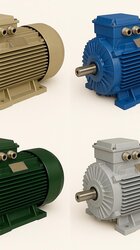
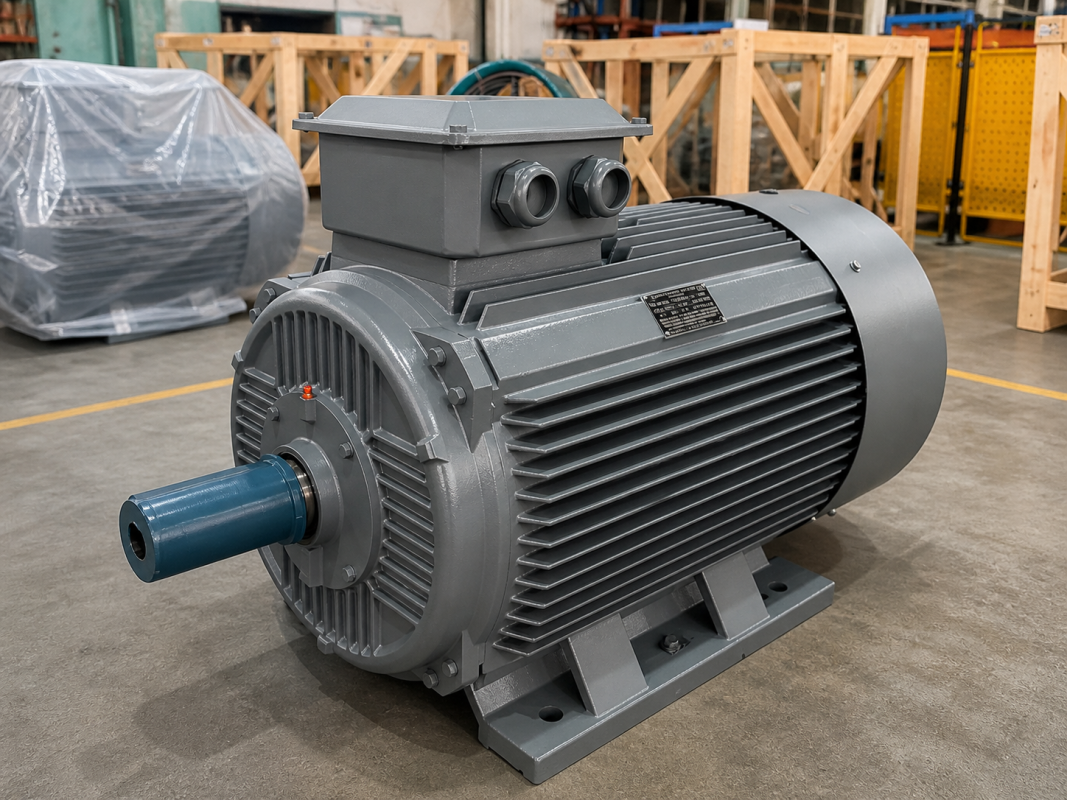

The asphalt used to build roads, highways and airport runways is produced in asphalt plants. These plants carry out many stages at once, from aggregate feeding and drying to screening, mixing and storage. The power for every stage comes from electric motors. An asphalt plant is a demanding environment full of dust, heat, heavy loads and the pressure of continuous production. So how should an electric motor be selected for an asphalt plant?
At DRG Motor, this article looks at the criteria that determine motor selection in asphalt plants. You can also read about heavy-industry conditions in our article on motor challenges in heavy industry.
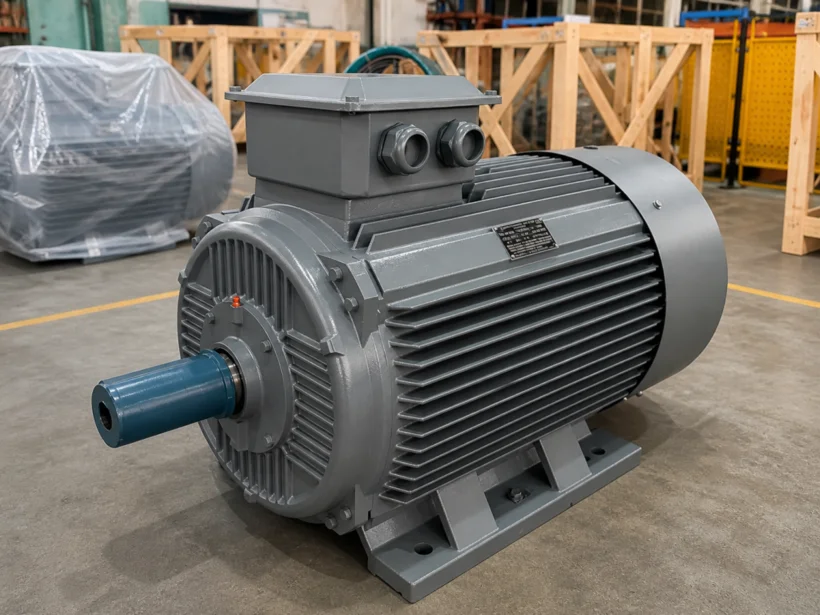
How an Asphalt Plant Works
An asphalt plant dries and heats the aggregate, then mixes it with bitumen to produce asphalt. This process consists of feeding, drying, screening, mixing and storage stages. Each stage requires motors suited to its particular process. The right motors ensure the continuity of asphalt production.
An asphalt plant requires many motors to work together in harmony. This makes correct selection important.
Demanding Operating Conditions
Asphalt plants are demanding environments full of intense dust, high temperatures, heavy loads and vibration. These conditions are extremely tough on motors. An ordinary motor wears out quickly in this environment. For this reason, asphalt plant motors require special durability.
These demanding conditions make quality, durable motor selection essential. The right motor runs safely in this environment.
Dust and High IP Protection
Asphalt plants generate intense dust. This dust blocks the cooling of the motor and can damage the windings. For this reason, a high IP protection class is essential. The right protection shields the motor from dust.
We explain protection class selection in our article on IP protection class selection. Dust protection is critical in an asphalt plant.
High Temperature
In asphalt production, the aggregate is dried and heated at high temperature, which raises the ambient temperature. The motors must have an insulation class capable of withstanding this high temperature. The right insulation ensures safe operation in a hot environment.
We explain insulation class in our article on insulation class. High temperature is an important factor in an asphalt plant.
Aggregate Feeding Motors
In an asphalt plant, aggregate is conveyed from the silos by feeders. These feeders usually run with frequency-inverter motors that adjust the feed rate. The right motor ensures controlled feeding of the aggregate, which means a quality mix.
We explain the advantages of the inverter in our article on frequency inverters and energy saving. Speed control is important in feeding.
Screening and Vibration
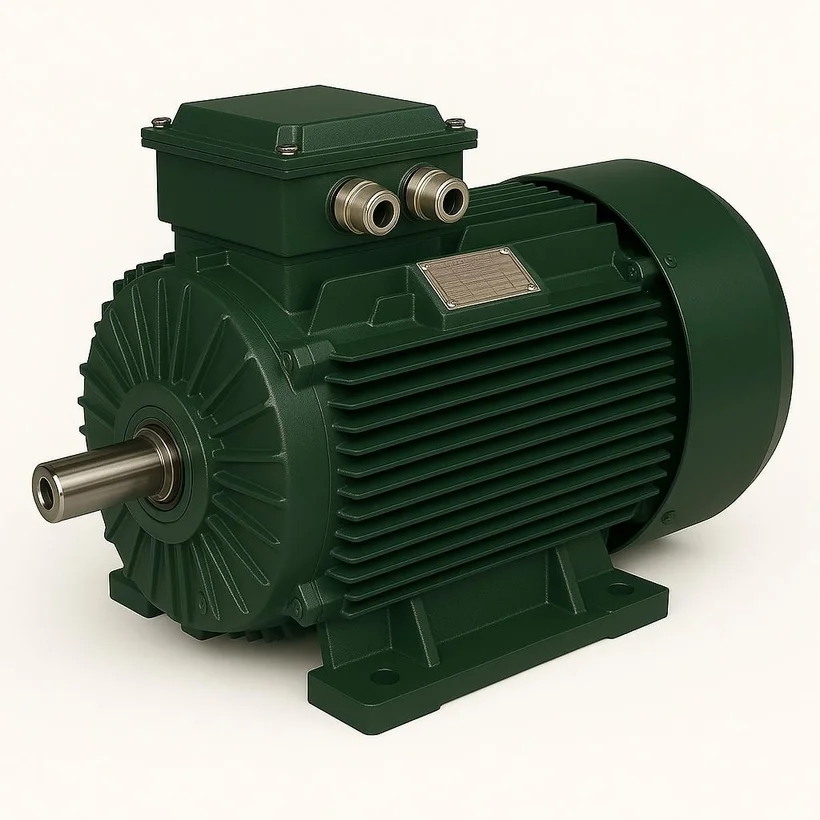
In an asphalt plant, aggregate is screened according to its size. Vibrating screens run on vibration motors. The right motor delivers effective screening, which means a quality asphalt mix.
We explain vibration motors in our article on vibration motors. Screening is important in asphalt production.
Mixer Motors
The asphalt mix is obtained by mixing aggregate and bitumen. Mixer motors require high torque and durability. The right motor delivers a homogeneous, quality asphalt mix, which determines the quality of the road.
We also cover high-torque applications in our article on stone crushing plant motors. Mixing demands high torque.
Conveyor Systems
In an asphalt plant, material is moved by conveyors. The motors of these conveyors must withstand heavy loads and dusty conditions. The right conveyor motor ensures the uninterrupted flow of material, which supports production continuity.
We explain conveyor motors in our article on conveyor and belt motor selection. Conveyors are important in an asphalt plant.
Fans and Exhaust Units
In an asphalt plant, powerful fans and exhaust units are used for drying and dust extraction. These motors must withstand hot, dusty air. The right fan motor ensures drying and dust control, which is important both for production and for the environment.
We explain fan motors in our article on fan and blower motor selection. Fans are important in an asphalt plant.
Cast-Iron Frame
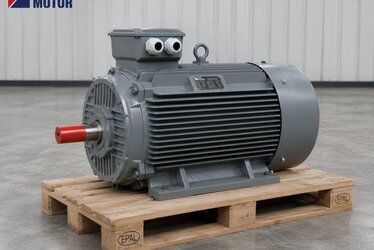
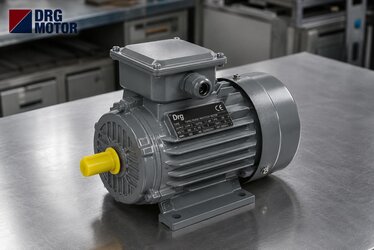
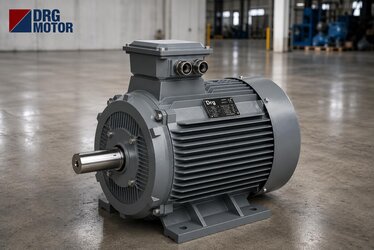
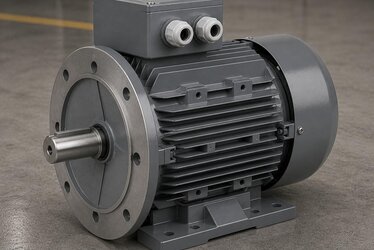
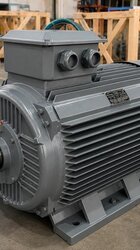
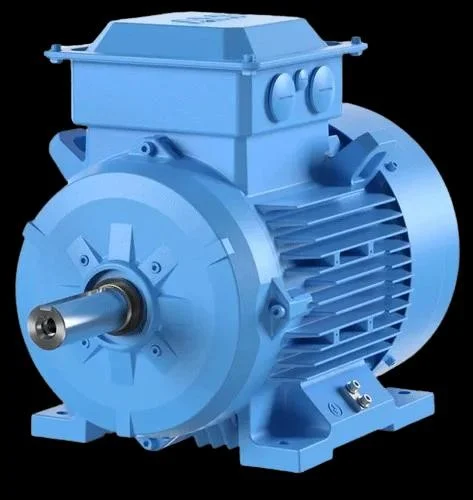
The demanding conditions of an asphalt plant require an extremely durable frame. A cast-iron frame protects the motor from impact, heat, vibration and dust. This gives the asphalt plant motor a long service life. A solid frame is the foundation of durability.
We explain the advantages of a cast-iron frame in our article on cast-iron electric motors. A solid frame is important in an asphalt plant.
Continuous, Intensive Production
Asphalt plants run intensively and without interruption, especially during the road-building season. The stoppage of a single motor halts production and delays the project. For this reason, the motors must be reliable and suited to continuous operation. Continuity is critical in asphalt production.
We discuss the duty rating in our article on nameplate information. Continuous operation is the standard in an asphalt plant.
High Starting Torque
The heavy machines in an asphalt plant demand high torque at start-up. Setting a loaded mixer or conveyor in motion requires a powerful start. Insufficient torque prevents the machine from cutting in. High torque is critical in asphalt plant motors.
The right starting torque ensures the machine cuts in safely, which means uninterrupted production.
Sudden Load Changes
In asphalt production, changes in material flow can create sudden load fluctuations. The motor must withstand these changes without being strained. A durable motor handles sudden loads safely, which supports production continuity.
Sudden load changes are common in asphalt production. This requires a durable motor.
Soft Starting
The high-power motors in an asphalt plant draw high current at start-up. Soft starting reduces this current, protecting the motor and the grid. This eliminates the strain of starting. Soft starting is valuable in an asphalt plant.
We explain soft starting in our article on soft starting. A soft start protects large motors.
Overload Protection
In an asphalt plant, unexpected loads can overload the motor. Overload protection stops the motor in this situation and prevents it from burning out. This protection safeguards both the motor and production. Overload protection is mandatory in an asphalt plant.
We explain overload protection in our article on overload protection. Protection is critical in an asphalt plant.
Cooling and Heating
High temperature and continuous load heat up asphalt plant motors. A motor with adequate cooling that runs cool will operate safely under these conditions. Overheating shortens the life of the motor. For this reason, heat management is important.
We explain temperature control in our article on electric motor temperature control. A cool-running motor means a long life in an asphalt plant.
Efficiency and Energy Cost
Because asphalt plants consume a great deal of energy, motor efficiency affects operating costs. High-efficiency motors deliver significant energy savings in asphalt production. Efficiency is a factor that determines competitiveness in an asphalt plant. For this reason, an efficient motor should be preferred.
We discuss efficiency classes in our article on high-efficiency electric motors. Efficiency is valuable in an asphalt plant.
Three-Phase and High Power
The high power requirement of an asphalt plant is almost always met with three-phase motors. Three-phase motors produce high torque in a balanced way and run without vibration. This makes them the standard for asphalt production. Three phase is the power of the asphalt plant.
We explain the preference for three-phase in industry in our article on three-phase motors in industry. Three phase is indispensable in an asphalt plant.
Vibration and Balanced Operation
The heavy machines in an asphalt plant generate intense vibration. It is important that the motor is balanced and resistant to vibration. A balanced rotor and a solid frame protect the motor against vibration. This ensures long-lived operation.
We explain vibration reduction in our article on noise and vibration reduction. Balance is important in an asphalt plant.
Mobile and Fixed Plants
Asphalt plants can be fixed or mobile. In mobile plants, the motors must also suit the conditions of transport and reassembly. In fixed plants, durability and continuity come to the fore. The right motor is selected according to the plant type, which means adaptation to the application.
The plant type affects the motor's mounting and durability needs. This requires correct selection.
Standby Motors and Continuity
In an asphalt plant, the failure of a single motor stops production and delays the project. For this reason, keeping spares for critical motors is important. A standby motor allows production to resume quickly in the event of a failure. This means continuity.
Having spares ensures production security in an asphalt plant. It is what prevents delays.
Maintenance Intervals and Motor Life
The demanding conditions of an asphalt plant require regular and careful maintenance. Cleaning the dust, checking the cooling and caring for the bearings are important. Regular maintenance allows the motor to run safely under demanding conditions, which means a long life.
We explain maintenance principles in our article on electric motor maintenance steps. Maintenance is important in an asphalt plant.
Energy Monitoring
In asphalt plants, energy monitoring is valuable both for saving energy and for detecting faults. In these heavy energy consumers, monitoring reveals inefficiencies. This delivers both savings and reliability. Monitoring is important in an asphalt plant.
We explain energy monitoring in our article on energy monitoring. Monitoring delivers savings in an asphalt plant.
Bitumen Pumps
In asphalt production, bitumen is moved and dosed by pumps. The motors of these pumps must suit hot, viscous bitumen. The right pump motor ensures controlled dosing of the bitumen, which means a quality asphalt mix.
We explain pump motors in our article on water pump electric motor selection. Bitumen pumps are important in asphalt production.
Dust Collection Systems
Asphalt plants use dust collection systems to prevent dust from spreading into the environment. The fan and exhaust motors of these systems must withstand dusty air. The right motor ensures effective dust control, which means environmental compliance.
Dust control is an environmental requirement in an asphalt plant. This requires a reliable motor.
A Total Cost Perspective
In selecting an asphalt plant motor, a cheap but flimsy motor proves expensive through frequent faults and lost production. A quality, durable and efficient motor is the most economical over the long term. Under demanding conditions, quality means continuity directly. For this reason, a total cost perspective is important.
We discuss the factors that determine price in our article on the factors that determine price. Quality pays off in an asphalt plant.
Efficiency With Next-Generation Motors
Replacing the inefficient motors in older asphalt plants with next-generation efficient motors delivers energy savings. Next-generation motors are both more efficient and more durable. This transition pays for itself in intensively operating plants. Modern motors provide an advantage in an asphalt plant.
We explain the advantages of next-generation motors in our article on next-generation electric motors. Next generation means efficiency in an asphalt plant.
Environmental Compliance
Asphalt plants must operate in accordance with environmental regulations. Efficient motors provide both energy savings and low emissions. Effective dust collection systems also protect the environment. The right motor selection supports environmental compliance, which means responsible production.
Environmental compliance is gaining importance in asphalt production. An efficient motor contributes to this compliance.
Production Continuity
In an asphalt plant, the stoppage of a single motor affects all production and delays projects. For this reason, the reliability of the motors is critical. Quality, durable and correctly selected motors safeguard this continuity. A reliable motor is the foundation of the asphalt plant.
Production continuity means direct profit and on-time delivery for asphalt plants. The right motor ensures that continuity.
An Asphalt Plant Motor From the Right Supplier
It is important to buy an asphalt plant motor from a reliable supplier who knows the requirements of these demanding conditions. A reliable supplier recommends a motor resistant to dust and heat. This delivers both efficient production and continuity. The right supplier is important for an asphalt plant.
We explain choosing the right supplier in our article on electric motor dealer selection. A reliable source means the right motor.
The Right Choice With Expert Support
Selecting an asphalt plant motor requires dust, temperature, power and continuity requirements to be considered together. Consulting an expert helps you identify the most suitable motor for your plant. The right support safeguards both performance and continuity. Expert assessment is the key to the right choice.
At DRG Motor, we provide technical support for motor selection in your asphalt plants. The right choice ensures uninterrupted production under demanding conditions.
Drying Drum Motor
The rotating drying drum where the aggregate is dried in an asphalt plant requires a powerful motor. Turning this drum demands high torque and durability. The right motor ensures effective drying of the aggregate, which prepares the ground for quality asphalt.
The drying drum is an important stage of asphalt production. This requires a powerful motor.
Elevator and Loading
In an asphalt plant, hot aggregate is carried upward by elevators. These elevator motors operate under hot material and heavy loads. The right motor ensures the material is raised safely, which supports the production flow.
Loading systems ensure the flow of asphalt production. This requires a reliable motor.
Storage Silo
The asphalt produced is held in hot storage silos. The gate and feeding systems of these silos also run on motors. The right motor ensures controlled storage and dispatch of the asphalt, which means efficient delivery.
Storage is the final stage of asphalt production. This requires a reliable motor.
The Benefit of the Right Choice
A correctly selected asphalt plant motor provides dust resistance, high torque, temperature resistance and continuity. These benefits allow production to run uninterrupted even under demanding conditions. The wrong motor, on the other hand, means frequent faults and project delays. The right choice is the foundation of asphalt production.
The right motor determines both the efficiency and the continuity of the asphalt plant. This is the result of an informed choice.
DRG Motor for Asphalt Plants
At DRG Motor, we offer cast-iron-frame, durable and efficient motors suited to the dust, temperature, heavy-load and continuity conditions of asphalt plants. Our goal is to keep your asphalt production running uninterrupted and efficiently. By assessing your application and operating conditions, we recommend the most suitable motor for you.
To choose the most suitable motor for your asphalt plant and to receive technical support, you can get in touch with DRG Motor and explore our range on the our products page, or visit our homepage. The right motor is the assurance of uninterrupted operation in your asphalt production.