 English
 Le français
 Türkçe

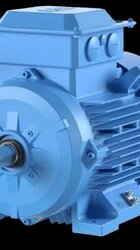
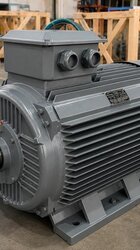
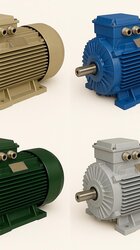
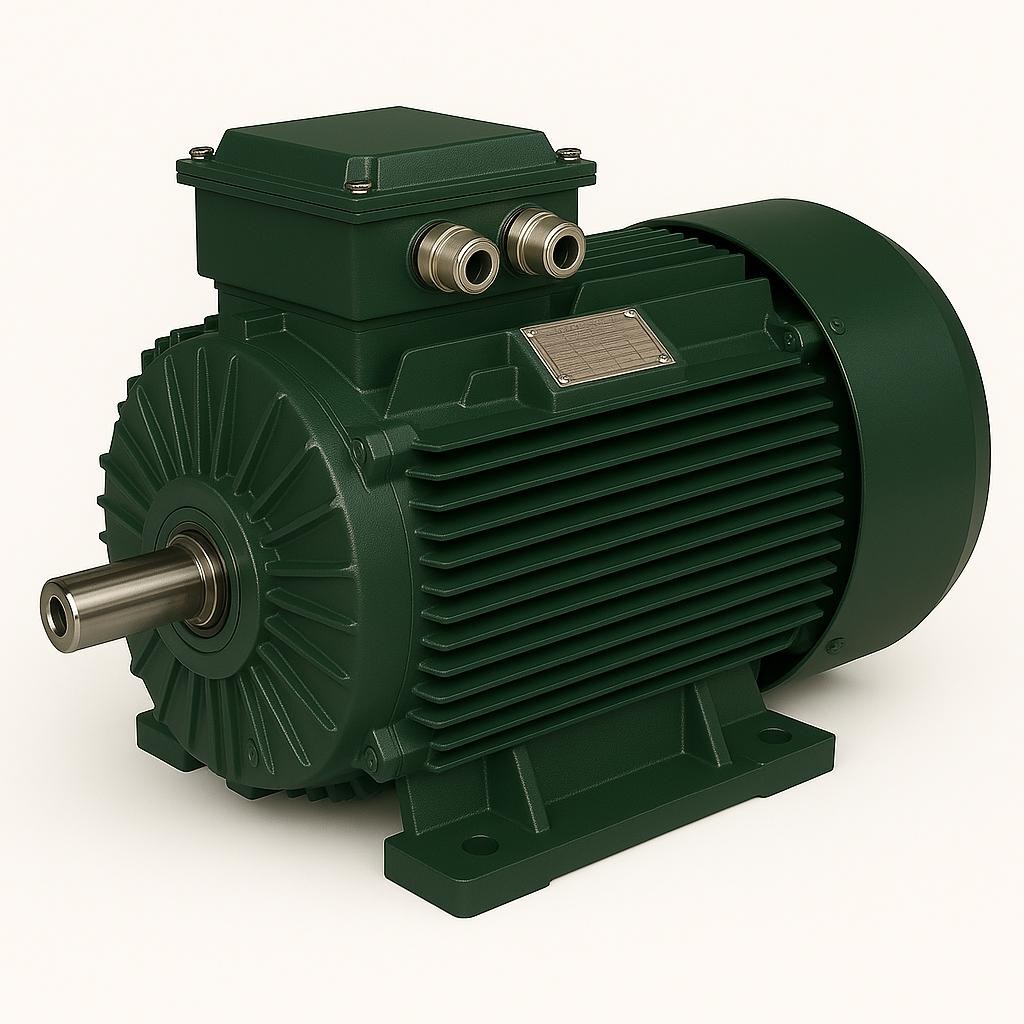

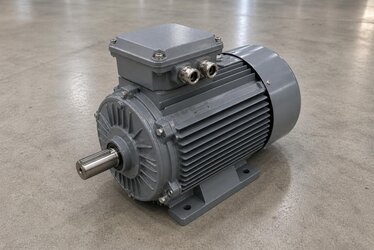
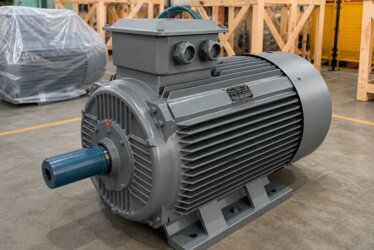
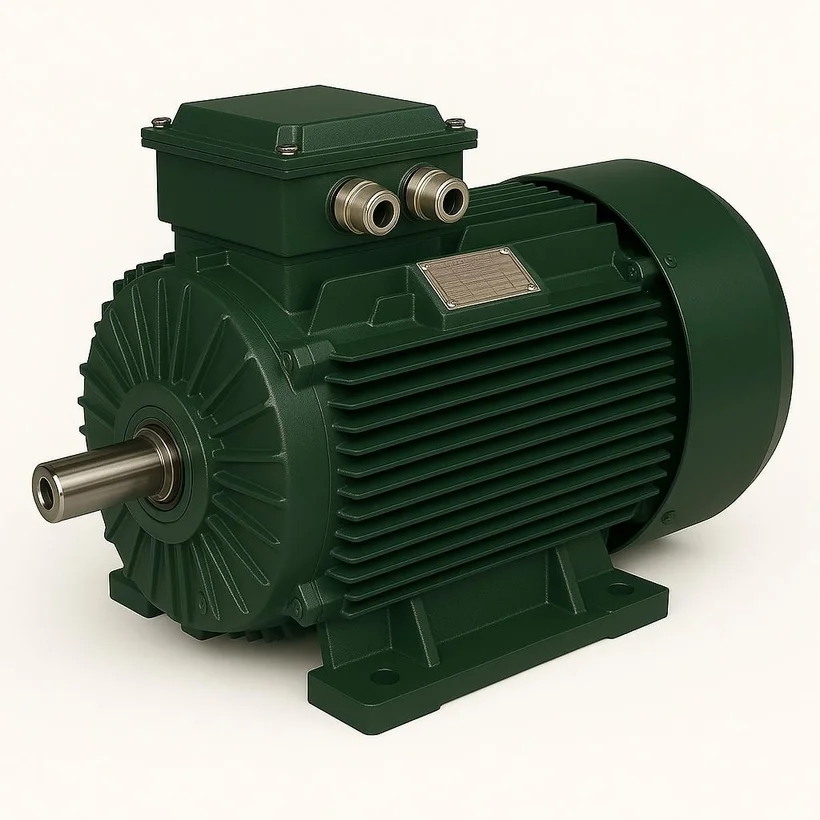
When you run an electric motor for years, you come to know its behavior intuitively: which sound is normal, what temperature to expect, how it responds under a given load. The concept of the digital twin is built on the idea of turning this intuition into a mathematical model. It creates a virtual copy of the physical motor, continuously feeds that copy with real sensor data from the field, and thereby offers the ability to monitor the motor's internal state, even the parts that cannot be seen, in real time. At DRG Motor, when we design our IE3, IE4 and IE5 class asynchronous motors, we care that these motors form a solid foundation both in the physical world and in digital maintenance strategies. In this article we address the digital twin concept at a conceptual level, without hype and in a realistic way.
What exactly is a digital twin?
A digital twin is not merely a three-dimensional drawing or a static model of a physical asset. What makes it special is that it forms a live link with the real asset. Sensors placed on the field motor continuously transfer data such as temperature, vibration, current, and speed to the model; the model updates with this data and reflects the motor's current state. In other words, a digital twin is a living, breathing model.
This live link distinguishes a digital twin from an ordinary simulation. An ordinary simulation calculates what would happen under hypothetical conditions; a digital twin shows what the real motor is doing right now under real conditions and produces predictions about the future from there.
Three core components: model, data, and link
The easiest way to understand a digital twin is to break it into three parts. First, the mathematical model that defines the motor's physical behavior: electromagnetic, thermal, and mechanical equations. Second, the real-time data stream from the field. Third, the data bridge that connects these two and keeps the model continuously current. Without these three coming together, there is no digital twin to speak of.
From static model to living twin
Engineers have modeled motors for decades. During the design phase, methods such as finite element analysis are used to calculate how a motor will behave. The innovation the digital twin brings is taking this model off the design desk and carrying it to the field, alongside the running motor. The model now answers not the question "what happens under ideal conditions" but "what is actually happening right now."
Why does hot-spot prediction matter?
One of a motor's weakest points is the winding insulation, and insulation life is directly related to temperature. Unfortunately, placing a temperature sensor directly at the hottest point of the winding is often impossible. This is exactly where the digital twin comes in: starting from measurable surface temperatures and load data, it estimates the value of the unmeasurable internal hot spot through a thermal model.
This estimate makes the motor's real thermal state visible and helps anticipate insulation aging due to overheating in advance. We detail the practical aspects of temperature management under electric motor temperature control.
Fault prediction: not the symptom, the cause
Traditional monitoring catches a symptom: vibration rose, temperature increased. The digital twin goes a step further because it can model the physical cause behind that symptom. The deviation between the behavior the model predicts and the real measurements is the herald of a fault. The character of this deviation gives a clue about whether the problem is mechanical or electrical.
For example, in a suspected electrical fault, methods such as MCSA broken rotor bar diagnosis are combined with the digital twin's predictions to increase diagnostic reliability.
Its relationship with predictive maintenance
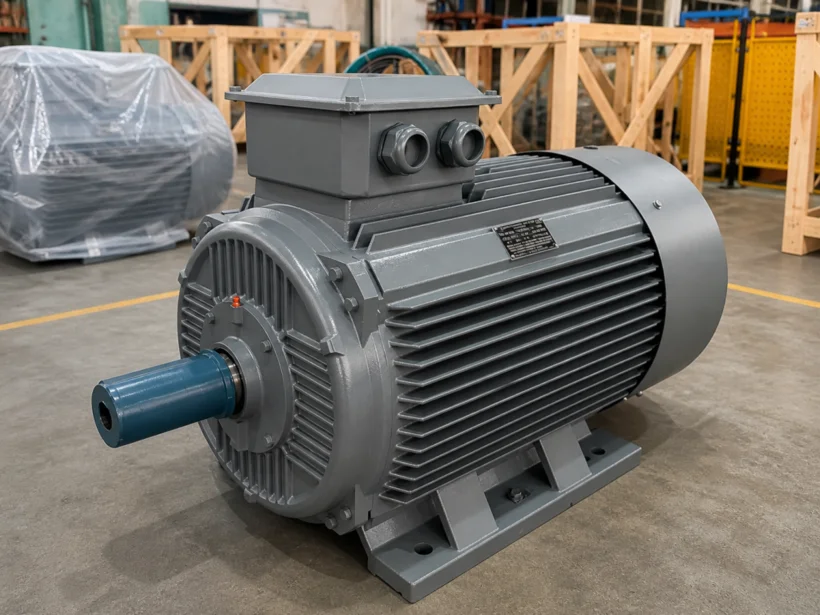
The digital twin is a natural evolution of predictive maintenance. Classic predictive maintenance relies on trends in measured quantities. The digital twin gives these trends a physical context: it does not just say "vibration is rising," it says "this rise is consistent with the degradation of this component through this mechanism." This depth makes maintenance decisions more accurate. We cover the fundamentals of the topic in our predictive maintenance article.
The digital twin for efficiency optimization
The value of the digital twin is not limited to preventing faults. Because the model can calculate the motor's efficiency at different operating points, it offers valuable information for keeping the system in its most efficient operating region. Especially on motors running under variable load, the digital twin can show which operating profile is most favorable in terms of energy.
This approach helps fully reveal the potential of high-efficiency motors. High-efficiency electric motors already run with fewer losses; the digital twin reinforces the saving by keeping these motors at the correct operating point.
When combined with energy monitoring
The digital twin becomes far more powerful when fed with real energy consumption data. The difference between the ideal consumption the model predicts and the actual consumption reveals both mechanical problems and operational inefficiencies. On this subject, the electric motor energy monitoring approach complements the digital twin in practice.
Working together with the frequency inverter
On motors running with variable-speed drives (inverters), the digital twin gains particular value. Because speed and load change constantly, the motor's state also changes constantly; simple monitoring based on fixed thresholds struggles to capture this dynamism. The digital twin, being able to calculate the expected behavior for each operating point, offers a meaningful reference even under variable conditions. We examine the energy side of speed control under frequency inverter energy saving.
Use scenarios in industry
The digital twin concept finds meaning in many industrial applications. In facilities with continuous production, the digital twin of a critical motor can be the key to preventing unplanned downtime. In core auxiliary systems such as pumps, fans, and compressors, the digital twin helps manage both fault risk and energy inefficiency at the same time. We address the matter of matching these systems with the right motor on our industrial electric motors page.
Data quality: garbage in, garbage out
A digital twin's predictions are only as good as the quality of the data that feeds it. Poorly calibrated sensors, missing data, or noisy measurements cause the model to produce wrong results. Therefore, a well-kept sensor infrastructure and data validation are the invisible but critical foundation of digital twin projects. How sophisticated the model is does not matter if the data feeding it is not reliable.
Model validation and calibration
Once a digital twin is set up, it is not a "set it and forget it" tool. The model must be compared regularly with real motor behavior and calibrated when needed. As the motor ages and components wear, its behavior changes; a good digital twin is updated to follow this change. This process makes the model progressively more accurate over time.
How does the thermal model work?
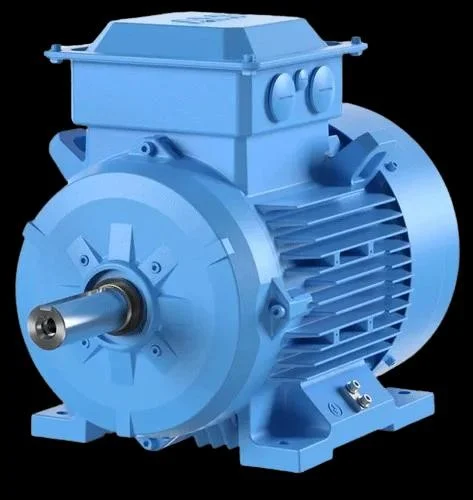
The thermal model at the heart of the digital twin defines the balance between the heat the motor produces and the paths by which it releases that heat to the environment. Losses in the windings, the iron core, and the bearings are heat sources; the housing surface, fan cooling, and the surrounding environment are the paths along which heat is released. The model defines this energy flow with equations and calculates the temperature of unmeasurable internal points. When load rises, losses increase and temperature climbs; when cooling weakens, the balance is disturbed. The thermal model monitors this dynamic in real time and shows how close the motor is to its thermal limits.
What does the electromagnetic model capture?
The electromagnetic model, which defines the motor's electrical behavior, contains the relationships between current, voltage, magnetic flux, and torque. This model produces clues about the motor's electrical health: deviations from the expected current pattern can point to rotor- or stator-related problems. The electromagnetic and thermal models working together provide a holistic picture of the motor, because electrical losses turn directly into thermal load.
The mechanical model and vibration
The third leg of the digital twin is the mechanical model. Rotor dynamics, bearing loads, and structural behavior fall within its scope. When the mechanical model is combined with measured vibration data, it allows early indications of problems such as imbalance, misalignment, or bearing wear to be interpreted in a physical context. These mechanical insights also feed noise and vibration reduction efforts.
Real-time or periodic?
Not every digital twin needs to update second by second. In some applications the model is updated at certain intervals with batched data; this reduces the computational load and is sufficient for most slowly developing faults. In fast-changing critical processes, more frequent updates are needed. The right update frequency is determined by the criticality of the monitored motor and the speed at which faults develop.
Learning the future from past data
A digital twin becomes smarter over time. The operating data a motor accumulates over months lets the model learn the real behavior better. When a fault occurs, the data pattern leading to it is recorded; when a similar pattern appears again in the future, the system can recognize it early. This learning loop turns the digital twin from a static calculation tool into a continuously evolving body of expertise.
Shared learning across similar motors
If a facility runs many motors of the same type, the behavior observed on one motor offers a valuable lesson for the others. When a particular fault pattern is discovered on one motor, the same pattern can be sought across the rest of the fleet. This shared learning goes beyond monitoring motors one by one and makes it possible to manage a motor fleet as a whole.
How oversizing shows up in the digital twin
Because the digital twin clearly shows the motor's real load profile, it also reveals incorrect sizing problems. A motor that runs continuously at low load, selected too large for its rating, operates outside its ideal point in terms of both efficiency and power factor. The digital twin shows this situation clearly and provides data for motor replacement or resizing decisions. We address this topic in detail under oversized motor and partial load.
Without a solid physical foundation, the digital twin is incomplete
The digital twin is a reflection of the physical motor; therefore, no matter how advanced it is, it cannot exceed the quality of the motor it reflects. A motor with consistent manufacturing tolerances, predictable thermal behavior, and sound mechanical design produces a far more reliable digital twin. A motor whose behavior varies from unit to unit is much harder to model. For this reason, a digital twin strategy begins with the selection of a quality physical motor.
During commissioning
The value of the digital twin emerges throughout the service life and at the very moment the motor is first commissioned. The first operating data of a newly installed motor establishes the model's initial reference. If at this early stage there is a clear deviation between the model and reality, it may be a sign of an installation error, an alignment problem, or a supply-related fault. Thus the digital twin offers the chance to catch problems before they settle into the field.
Scenario analysis: the "what if" question
One of the digital twin's strengths is the ability to test different scenarios without putting the real motor at risk. If load increases, where does temperature go? If cooling is partially blocked, how long does the motor hold out? If the operating point changes, how is efficiency affected? These questions can be tested safely in the model, and operational decisions can be evaluated before being tried in the real world. This predictive capability turns the digital twin from merely a monitoring tool into a decision-support tool.
How is the return on investment evaluated?
The digital twin is an investment and, like every investment, should be evaluated by its return. A single prevented unplanned shutdown can often cover the cost of the entire system. But the return is not limited to prevented faults; energy savings from efficiency optimization and the extension of motor life should also be taken into account. This holistic view reveals the digital twin's true economic value. We address the payback logic of efficient motors under high-efficiency motor payback period; a similar calculation can be made for digital monitoring investments.
Balancing model complexity with practicality
One might think a digital twin is more accurate the more detailed it is, but in reality there is a balance point. Overly complex models become computationally heavy and harder to set up and maintain. A well-designed digital twin should be detailed enough to answer the questions needed, yet simple enough to remain manageable in practice. The goal is not to build the most complex model possible but the model most appropriate to the problem.
Limits and realistic expectations
The digital twin is a powerful concept, but it is not a magic wand. Building a detailed model for every motor requires time and expertise. In very simple applications, traditional monitoring methods are often sufficient and more economical. The digital twin shows its real value on critical, expensive motors with complex operating conditions. The key to success is not trying to apply the technology everywhere, but applying it in the right place.
A new perspective for the maintenance team
The digital twin transforms the relationship the maintenance team has with the motor. The team no longer reacts only when a fault occurs; it continuously "sees" the motor's internal state and can plan intervention before problems even give a sign. This is an important part of the transition from a reactive culture to a predictive one. We address regular maintenance practices under electric motor maintenance steps; the digital twin enriches these practices.
DRG Motor as a solid ground for the digital future
The digital twin offers an exciting direction in the management of electric motors; it makes the motor's invisible inner world transparent, foreshadows faults, and optimizes efficiency. But every digital reflection needs a real foundation. The IE3, IE4 and IE5 class asynchronous motors we supply at DRG Motor form the solid ground of a reliable digital twin with their consistent and predictable behavior. You can explore our DRG electric motors and contact us for a motor selection suited to your facility's digital maintenance transformation. The smart factory of the future will be built on the harmonious union of hard-wearing physical motors and intelligent digital models.