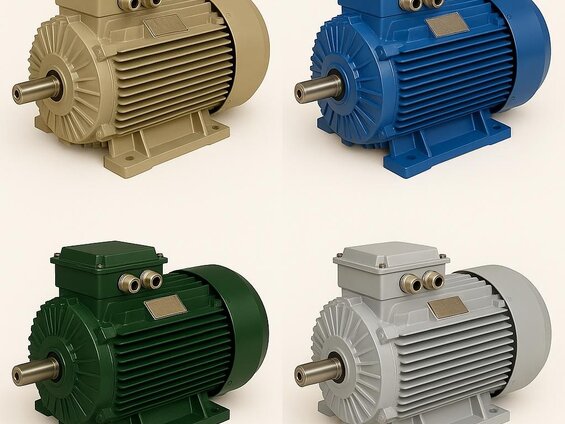
What Do IE5 Ultra-Premium Efficiency Motors Offer?
Efficiency in electric motors is a continuously advancing field. After the efficiency classes that climbed from IE1 to IE4, the highest step of all now arrives: the IE5 ultra-premi... More Details
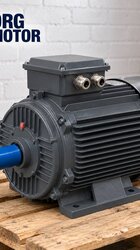
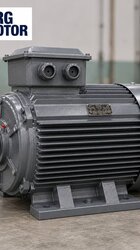
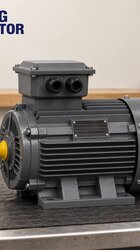
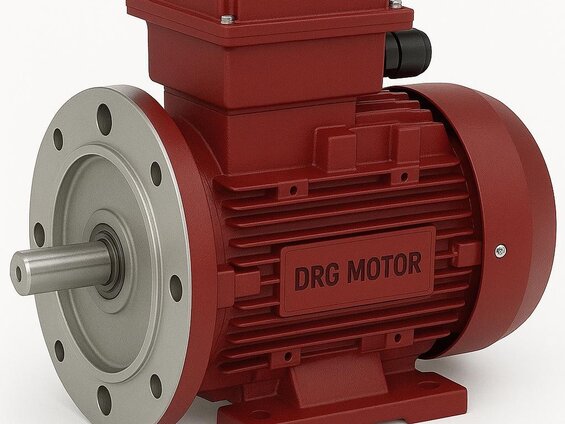
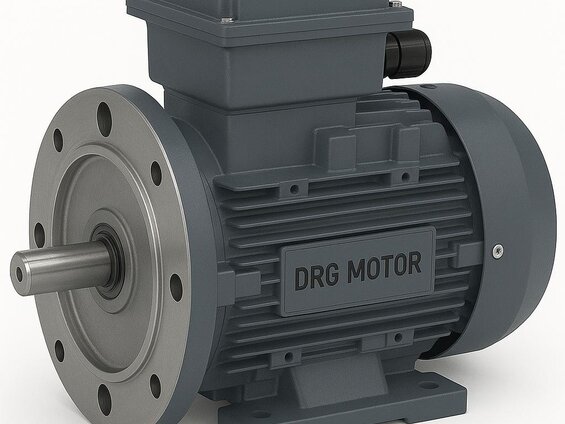
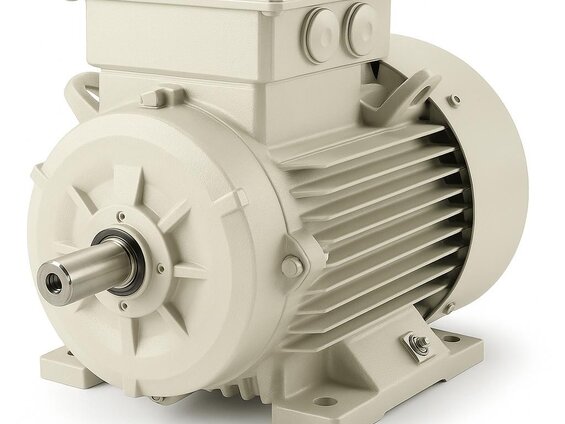
High efficiency electric motors produce the same mechanical power while consuming less electrical energy. Because most of a facility's electricity is used by motors, switching to high efficiency electric motors is the most lasting way to cut bills. The DRG Motor efficient family covers the IE3 (Premium), IE4 (Super Premium) and IE5 (Ultra Premium) classes defined by IEC 60034-30-1.
The savings depend on the motor power, daily running hours, electricity unit price and the efficiency difference. On a continuously running high-power motor, upgrading to IE3 motors or IE4 can deliver significant annual savings; with a variable frequency drive (inverter) these savings increase further.
Should I buy IE3 or IE4? The longer the running hours, the faster a higher class (IE4/IE5) pays back.
Are efficient motors expensive? The upfront price is slightly higher, but energy savings close the gap quickly.
DRG Motor offers high-efficiency motors at various powers and speeds for pump, fan, compressor and general-purpose applications. Contact us for technical support and price lists to determine the most suitable efficiency class for your business.
While IE3 may be enough for motors that run little, IE4 or IE5 pay back faster in high-power 24/7 applications. Evaluating your annual running hours and electricity unit price before the investment helps you choose the most profitable class.
How much does an efficient motor save? It depends on running hours; on a high-power motor running 24/7, moving to a higher class can mean thousands of kWh saved per year.

Efficiency in electric motors is a continuously advancing field. After the efficiency classes that climbed from IE1 to IE4, the highest step of all now arrives: the IE5 ultra-premi... More Details

A high-efficiency electric motor costs more than a standard motor at the moment of purchase. This price difference makes many businesses hesitate. Yet the energy savings a high-eff... More Details

An electric motor can run for years; however, every motor has an economic life. An old motor that has been in service for years often wastes extra energy unnoticed, fails frequentl... More Details

We often hear the sentence "this motor is 92 percent efficient", but what exactly does this number mean and how is it calculated? Motor efficiency is a measurable value showing ho... More Details

In many facilities, low-efficiency motors installed years ago are still running. Although these motors appear to run trouble-free, they quietly continue to consume extra energy. R... More Details

There is no single right answer to the question "Which efficiency class motor should I buy?"; the right answer depends on how much the motor runs. The most sensible efficiency cla... More Details

With energy costs constantly rising, one of the most important decisions for industrial facilities is choosing a motor in the right efficiency class. The IE4 class, that is "Super... More Details

One of the most important measures of how "good" an electric motor is happens to be its efficiency class. The efficiency class shows how much of the electrical energy a motor draw... More Details

How Low-Loss Electrical Steel Laminations Improve Motor Efficiency When we list the factors that determine an electric motor's efficiency, the first things that usually come to min... More Details

An efficient AC electric motor delivers the same mechanical output while drawing less power from the grid, reducing losses through careful rotor, stator and magnetic-core design. A... More Details

An efficient electric motor does the same mechanical work while drawing less electricity, and in a continuously running plant that difference outweighs the motor's purchase price w... More Details

For crusher suppliers, choosing the electric motor is an engineering decision that directly shapes the durability and uninterrupted field performance of the whole machine. In jaw, ... More Details

IE3 and IE4 are the Premium and Super Premium efficiency classes of IEC 60034-30-1, and they define how few losses a motor runs with. The choice between these two classes usually c... More Details

Energy cost in an industrial plant is dominated by what its motors draw, so even a modest improvement in motor efficiency separates the annual figures over time. The question worth... More Details

At the heart of an induction motor there is a part that often goes unnoticed but directly determines efficiency: the squirrel-cage rotor. The rotating magnetic field produced by th... More Details

When you manufacture or purchase an electric motor, it is not enough for the motor to work technically; in many markets the motor must also meet a certain minimum efficiency level.... More Details

When buying an electric motor, many businesses reach for a slightly larger frame "just to be safe." On the surface this feels prudent, but it quietly turns into a trap that drains ... More Details

The small metal plate on an electric motor is, in effect, that motor's identity card. Among the codes printed on this nameplate, perhaps the most asked about and the most critical ... More Details

In industry, electric motors are often designed to run at a fixed speed. Yet in many applications, the motor does not always need to turn at full speed. This is where the frequency... More Details

In most facilities, electric motors are the single largest item of total energy consumption; in industry this share can rise to as much as 60-70 percent. Yet how much energy these ... More Details