English
 Le français
 Türkçe

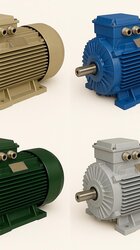
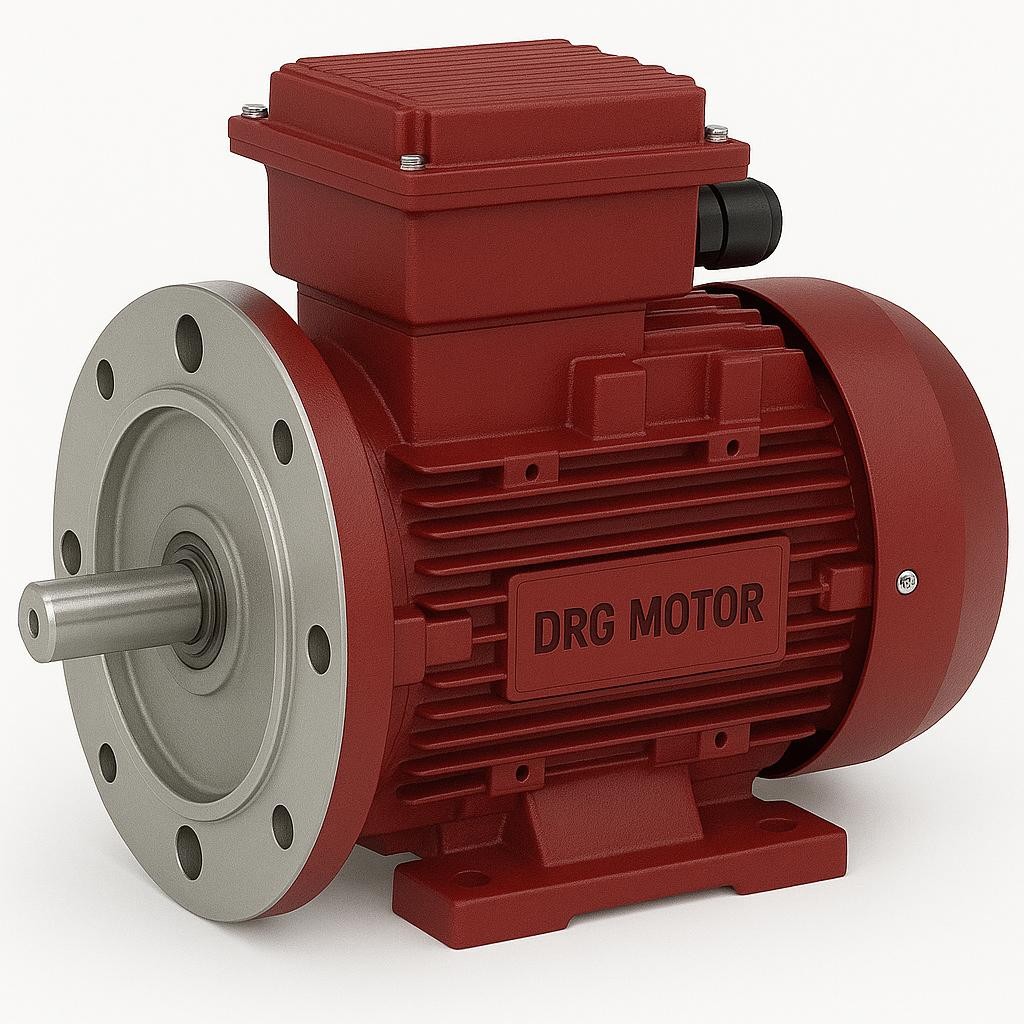

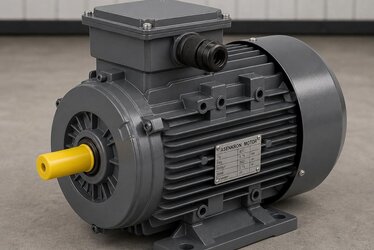
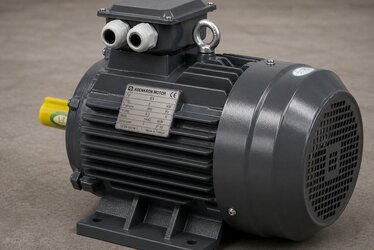
The price of an IE3 electric motor cannot be reduced to a single figure; rated power, speed, frame material and mounting type are the variables that directly shape the cost. Under IEC 60034-30-1, the IE3 (Premium) class requires higher-grade lamination steel, copper windings and tighter manufacturing tolerances than IE2, so the purchase price is somewhat higher, yet the lower energy consumption recovers that difference many times over across the motor's service life.
Factors That Set the IE3 Motor Price
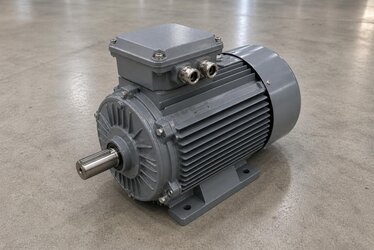
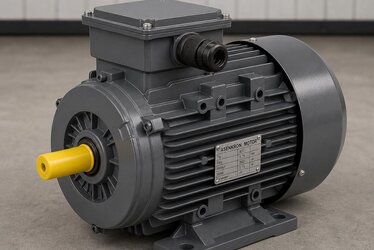
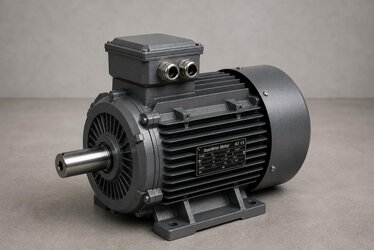
The main cost drivers are rated power (0.55–355 kW), pole-dependent speed (2-pole 3000 rpm, 4-pole 1500 rpm, 6-pole 1000 rpm), frame type (cast iron or aluminium) and mounting arrangement (B3 foot-mounted, B5 flange, B14 face). At the same power, a four-pole unit is usually priced differently from a two-pole one because the amount of iron and copper changes.
Positioning by Power and Speed Range
For continuous loads such as pumps and fans, 1500 rpm IE3 models are preferred; for compressors and high-speed duties, 3000 rpm comes to the fore. As power rises, the motor's weight, bearing size and terminal box hardware grow, so units above 132 kW differ markedly from the mid-power class.
Purchase Price Versus Total Cost of Ownership
The electricity a motor consumes over its lifetime far exceeds its purchase price. The efficiency gain of the IE3 class lowers the energy bill, particularly on lines running more than 16 hours a day, and pays back the price premium within a few years. Price should therefore be assessed together with energy use, not by the label figure alone.
Requesting a Current IE3 Quotation
Because prices vary with stock, exchange rates and power class, DRG Motor provides an up-to-date price list tailored to your needs on request. With its İzmir-based manufacturing for IE3 motors from 0.55 to 355 kW, it prepares the most suitable configuration and a firm quotation once you share your power, speed and mounting requirements.