 English
 Le français
 Türkçe

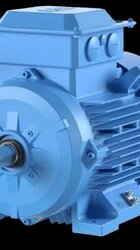
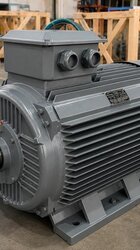
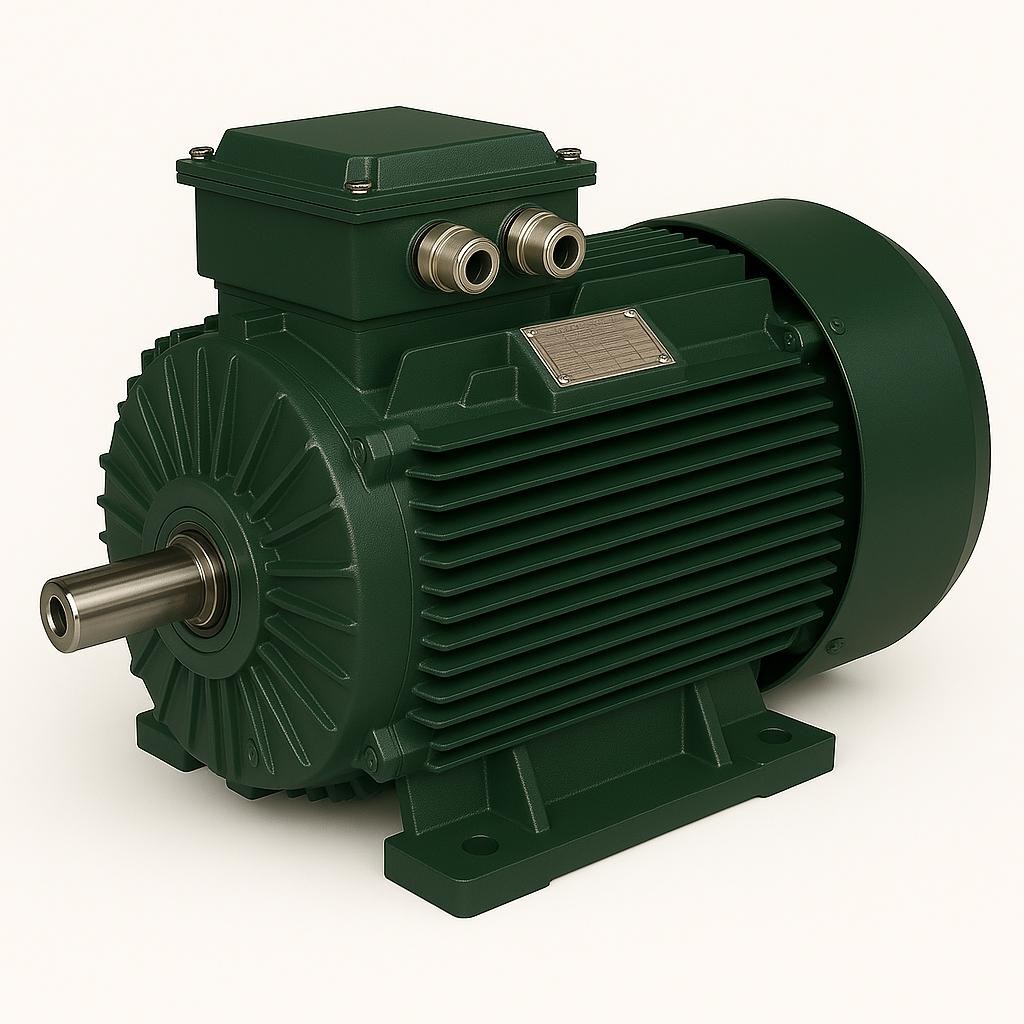

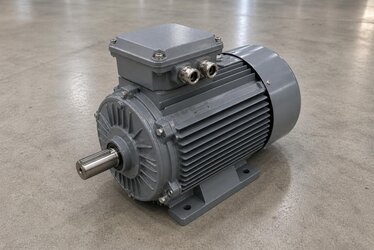
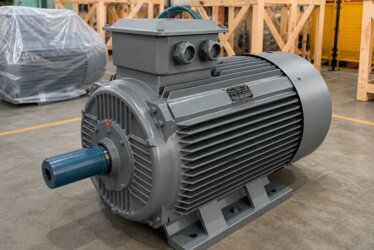
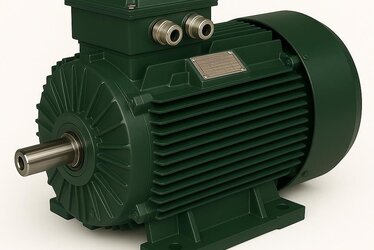
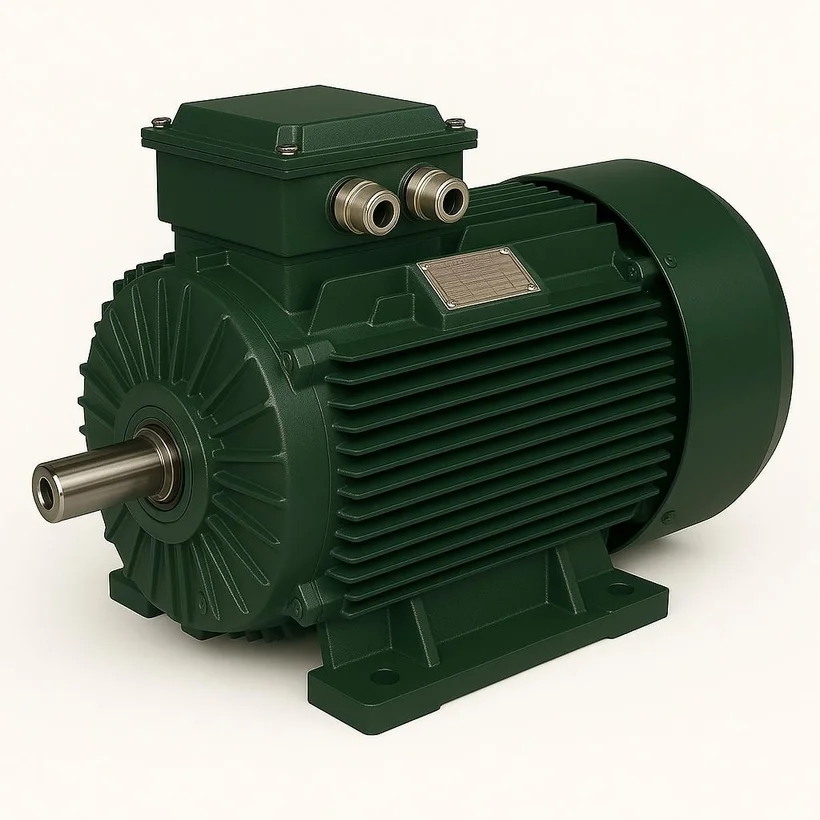
One of the most vulnerable points of an electric motor is where the shaft leaves the frame. At this point a small gap must remain between the rotating shaft and the stationary frame, because the shaft has to turn freely. But this gap is an open door for dust and water to enter from outside and for the bearing grease to escape from inside. The element that protects this critical point is called the shaft sealing element. In this article we examine in detail why shaft sealing in a motor is so important, the differences between lip seal, labyrinth seal and V-ring solutions, the balance between friction and wear, the relationship with the IP protection class, and how this subject is handled in DRG's IE3/IE4/IE5 class asynchronous motors.
Why is the shaft exit a weak point?
The motor frame is a closed structure designed to protect the windings and bearings from external influences. But where the shaft leaves, this closure is necessarily broken. It is physically impossible to make a contactless passage between a rotating shaft and a stationary frame; there must be either a small gap or a contact element. This necessary opening is the most fragile protection point of the motor.
What enters and leaves through the shaft exit?
Among the things that can enter through this point are dust, water, moisture, chemical vapour and wash water. The only thing that can escape from inside is the bearing grease. Grease escape leads to the bearing running dry and wearing rapidly. Therefore shaft sealing takes on a two-way duty: keeping the outside out and the inside in.
How does a lip seal work?
A lip seal is a sealing element with a flexible lip that contacts the shaft. This lip is usually pressed lightly against the shaft by a spring and stays in continuous contact with the rotating shaft surface. Through this contact, the lip seal physically prevents dust and water from entering. The contact structure of the lip seal provides the highest level of sealing.
The disadvantage of the lip seal: friction
The contact operation of the lip seal is as much a disadvantage as it is an advantage. Because the lip continuously rubs against the shaft, both a friction loss occurs and it wears over time. A worn lip seal loses its sealing and must be replaced. In addition, at high speeds the friction heat strains the seal and the shaft. For this reason the lip seal is a solution with high sealing but limited life.
How does a labyrinth seal work?
The labyrinth seal works on a completely different logic. It does not contact the shaft; instead it forms a narrow, winding passage between the rotating and stationary parts. This winding path physically makes it difficult for dust and water to advance inward. Because there is no contact, there is no friction; therefore there is no wear either.
The advantage of the labyrinth seal: no wear
The greatest advantage of the labyrinth seal is its contactless operation. Because there is no friction, its life is practically unlimited and it creates no energy loss. In high-speed applications and continuously running motors this is a major advantage. However, being contactless also means it cannot provide absolute sealing.
What is a V-ring?
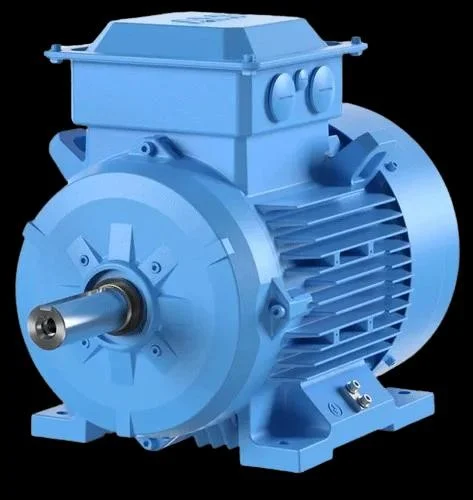
A V-ring is a flexible elastomer ring fitted onto the shaft that rotates with the shaft. As it rotates it lightly contacts a surface, both providing sealing and throwing water and dust outward by centrifugal effect. The V-ring is usually used as an additional protective layer in front of the lip seal and reduces the external influences reaching the lip seal.
The balance between friction and wear
The fundamental trade-off in shaft seal selection is between sealing and friction. Tighter sealing usually means more friction and a shorter life. Less friction means less perfect sealing. The right solution depends on how much sealing the environment really requires.
Comparison of sealing solutions
The table below compares the characteristics of the three basic sealing solutions.
| Element | Operating mode | Sealing | Friction/wear |
|---|---|---|---|
| Lip seal | Contact | High | Yes, limited life |
| Labyrinth seal | Contactless | Medium | None, long life |
| V-ring | Light contact | Medium-high | Low |
The relationship with the IP protection class
Shaft sealing is one of the elements that directly determine the motor's IP protection class. Whether a motor can provide IP55 or IP65 protection depends largely on the quality of the sealing at the shaft exit. No matter how well the frame is closed, if the shaft exit is weak the motor's real protection level drops.
Sealing in dusty environments
In dense dusty environments such as cement, mining and stone crushing, the shaft exit is continuously exposed to fine dust. This dust advances over time into the bearing region and leads to wear. In such environments a multi-layer sealing where a labyrinth seal and a lip seal are used together is usually preferred. The first layer stops the coarse dust, the second layer blocks the fine particles.
Sealing in humid and wet environments
In environments where water and moisture are intense, the priority is to prevent water from reaching the bearing. Water washes away the grease, causing the bearing to run dry and also causing corrosion. In these environments the combined use of a V-ring and a lip seal both throws water out by centrifugal effect and stops it with a contact barrier.
Sealing in washdown environments
In environments where frequent washing is done, such as the food and beverage sector, the motor may be exposed to a pressurised water jet. This is the most demanding sealing condition. Here a high IP class and special sealing solutions are needed; a standard lip seal may be inadequate against pressurised water. In these environments the sealing design is the main factor determining the motor's life.
Bearing protection and sealing
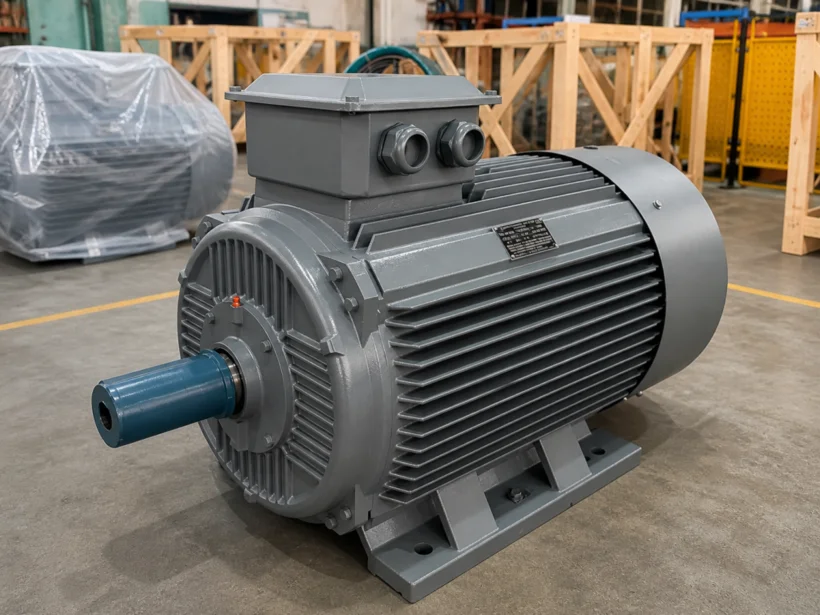
The real purpose of shaft sealing is to protect the bearing. The bearing is one of the most critical parts determining the mechanical life of the motor. When the sealing is weak, dust and water reach the bearing, the grease deteriorates and the bearing fails early. Good sealing keeps the bearing clean and lubricated, directly extending the life of the motor.
Preventing grease escape
Sealing not only blocks the outside; it also retains the grease inside. If the grease escapes through the shaft exit, the bearing eventually runs dry and metal-to-metal contact begins. This creates noise, overheating and rapid wear. Therefore grease retention is a duty of sealing at least as important as dust retention.
The importance of the shaft surface
In contact lip seals the smoothness of the shaft surface is critical. A rough or scratched shaft surface rapidly wears the seal lip and breaks the sealing. For this reason the region where the lip seal contacts must be precisely machined. Protecting the shaft surface directly affects the life of the sealing element.
The relationship between alignment and sealing
The proper operation of shaft sealing depends on the shaft being correctly aligned. If the shaft and coupling alignment is off, the shaft rotates off-centre within the sealing element and its lip wears more on one side. This leads to early leakage. Therefore good alignment is also necessary for the life of the sealing.
The effect of temperature on sealing
Sealing elements, especially elastomer lip seals, are sensitive to temperature. At high temperature the elastomer hardens, loses its flexibility and its sealing breaks down. At low temperature it can become brittle. For this reason the sealing material must be selected to suit the operating temperature of the motor.
Sealing and motor life
The mechanical life of a motor depends largely on its bearing, and the bearing's life depends largely on the sealing. A good sealing solution keeps the bearing clean and lubricated for years and significantly extends the total life of the motor. For this reason, although it is a cheap component, sealing plays a decisive role in the reliability of the motor.
Extra attention in drive-fed motors
In motors driven by a variable frequency drive, the bearing is exposed to additional stress due to shaft voltage and bearing currents. In this case it is even more important for the sealing to keep the bearing clean and lubricated; because a bearing that is already electrically stressed will see its life shorten rapidly if it also becomes contaminated.
Checking the sealing during maintenance
During periodic maintenance the condition of the shaft sealing must be checked. A grease trace, leakage or excessive dust accumulation at the shaft exit is a sign that the sealing has weakened. Replacing a worn lip seal in time is the cheapest and most effective measure for protecting the bearing.
Environment analysis in sealing selection
The right sealing solution always begins with environment analysis. The dustiness, humidity, temperature, washing frequency of the environment and the speed of the motor are evaluated together. Excessive sealing creates unnecessary friction; inadequate sealing puts the bearing at risk. The right balance is set according to the real need of the environment.
Mounting orientation and sealing
The mounting orientation of the motor also affects the sealing. In motors mounted with the shaft facing upward, water and dust tend to accumulate at the shaft exit. In this position special sealing measures or protective caps may be needed. The mounting orientation is a part of the sealing design that must not be overlooked.
Sealing in industrial applications
In heavy industry, motors often run in the most demanding environments. In industrial electric motor applications, the right sealing solution directly affects the maintenance frequency and the total cost of ownership of the motor. In demanding environments, good sealing largely prevents unexpected stops.
The basic logic of sealing
Ultimately, shaft sealing is the art of building a balanced barrier between a rotating shaft and the outside world. This barrier aims to transmit the rotating mechanical energy of the electric motor outward while keeping external influences out. Setting this balance correctly is the basis of preserving both the performance and the life of the motor.
Multi-layer sealing strategy
In the most demanding environments a single sealing element is not enough. Instead, several layers are used together: on the outermost a labyrinth or V-ring that stops the coarse dust and water, and inside a lip seal that provides fine protection. This layered structure reduces the burden on each layer, extends the total sealing life and protects the motor even in the most demanding conditions.
Sealing and energy efficiency
A contact lip seal, because it continuously rubs against the shaft, creates an energy loss, however small. This loss may seem negligible in a single motor; but in a plant with many continuously running motors the total becomes significant. In high-efficiency IE4 and IE5 class motors every loss matters; therefore frictionless labyrinth solutions can be preferred for efficiency where the sealing need allows. Sealing selection is therefore a protection decision and an efficiency decision.
Drainage holes and condensation
Condensation can form inside the motor with temperature changes. To drain this condensed water, the motor frame has drainage holes. The sealing design must be considered together with these drainage holes; accumulated water can head directly to the bearing when the sealing weakens. Correctly positioned drainage holes ease the burden on the sealing and keep the bearing region dry.
The chemical resistance of the sealing material
In environments with chemical vapour, oil or solvent, the chemical resistance of the sealing material becomes critical. A standard elastomer can swell, harden or dissolve when it contacts an aggressive chemical. In such environments, sealing elements made of special material resistant to the chemical present must be selected. The wrong material selection causes the sealing to break down in a very short time.
Sealing and noise
The sealing element also affects the noise produced by the motor. A contact lip seal can produce a slight sound due to friction; this sound becomes pronounced especially when the seal is worn or runs dry. The labyrinth seal, being contactless, is silent. A change in sealing-related noise is often an early sign that the sealing has aged and serves as a warning for maintenance.
Spare parts and replaceability
In a good motor design the sealing element should be replaceable without reaching the bearing and without requiring a major disassembly. An easily replaceable lip seal shortens maintenance time and reduces cost. Using sealing elements of standard dimensions also provides an advantage in spare part supply. This practical detail directly affects the long-term ease of operation of the motor.
Sealing and protection class tests
The IP protection class a motor declares is verified by tests done in the factory. In these tests, dust and water are applied to the motor under conditions where the shaft is rotating, and it is checked whether the sealing really does its job. A static gasket test is not enough; because the truly demanding condition occurs while the shaft is rotating. For this reason the sealing design must be evaluated under dynamic conditions.
First check at commissioning
When a new motor is commissioned, the shaft exit must be checked visually. It must be ensured that the sealing element is correctly seated, undamaged, and that the shaft surface is clean. A lip seal damaged during transport or installation can cause leakage from the very first day. This simple first check prevents bearing failures that would occur later.
Different needs at low and high speed
The operating speed of the motor directly affects the sealing selection. In low-speed applications the friction of a contact lip seal is not a problem and high sealing comes to the fore. In high-speed motors the friction heat and wear increase rapidly; in this case contactless labyrinth solutions are more sensible. The same motor family can be offered with different sealing options for different speed needs. This relationship between speed and sealing is one of the basic inputs of the right design.
DRG's approach to shaft sealing
As DRG Motor, the IE3, IE4 and IE5 class asynchronous motors we supply are designed with sealing solutions suited to the environment in which they will operate. For dusty, humid and washdown environments, we combine lip seal, labyrinth and V-ring solutions with the correct IP protection class to protect the bearing and the motor over a long life. The right sealing solution lowers your motor's maintenance cost, extends bearing life and prevents unexpected stops. To determine together the most suitable sealing and protection class for the environmental conditions of your application, you can contact the DRG Motor expert team.