 English
 Le français
 Türkçe

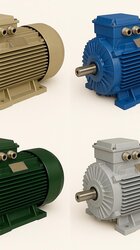
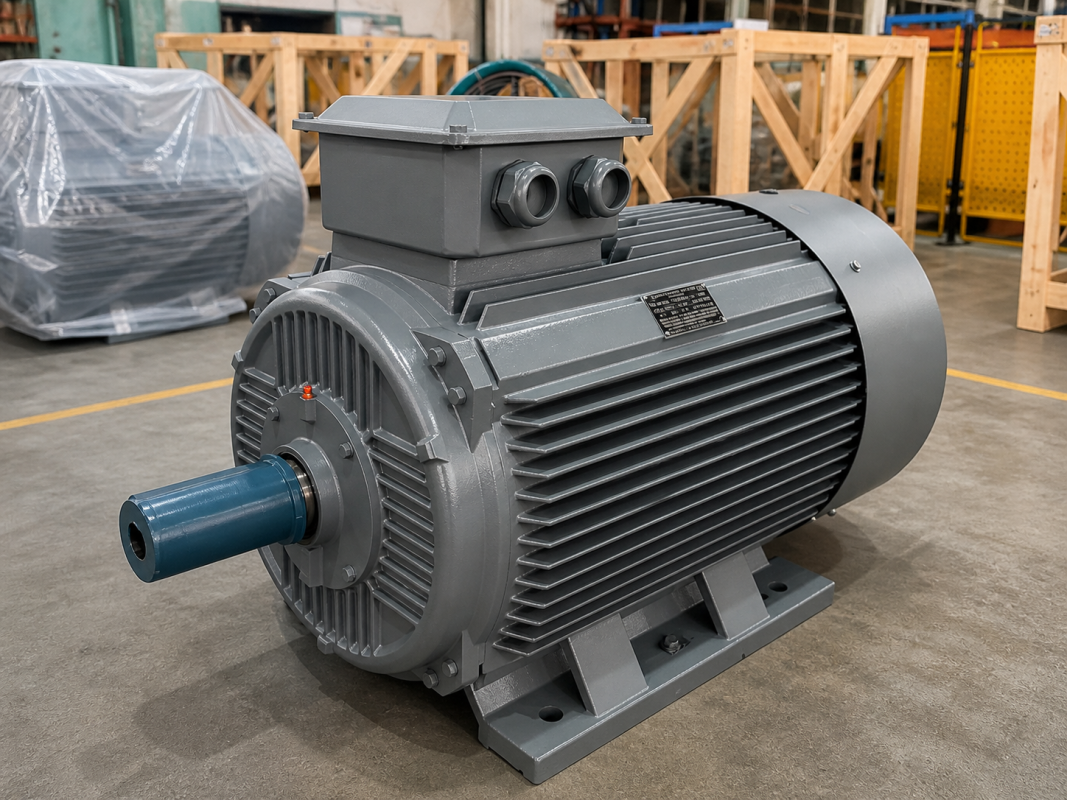

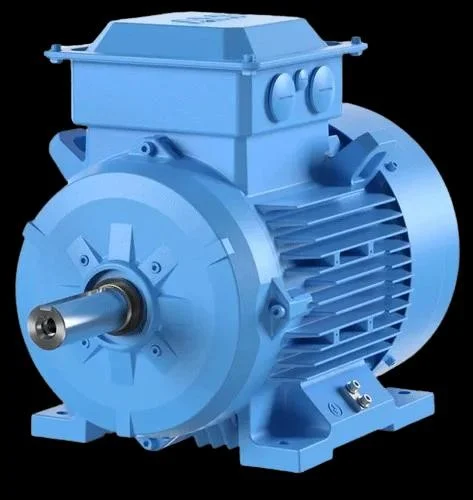
Recycling plants process plastic, metal, paper, glass and waste to make them reusable, making them facilities of vital importance for the environment. In these plants, shredders, crushers, separators, presses and conveyors all work together, and the power for all of them comes from electric motors. Because recycling is a dusty, demanding, variable-load environment, motor selection requires special attention. So how do you choose the right electric motor for a recycling plant?
In this article, DRG Motor examines the criteria that govern motor selection in recycling plants. You can also find the conditions of heavy industry in our motor challenges in heavy industry article.
The Demanding Conditions of Recycling
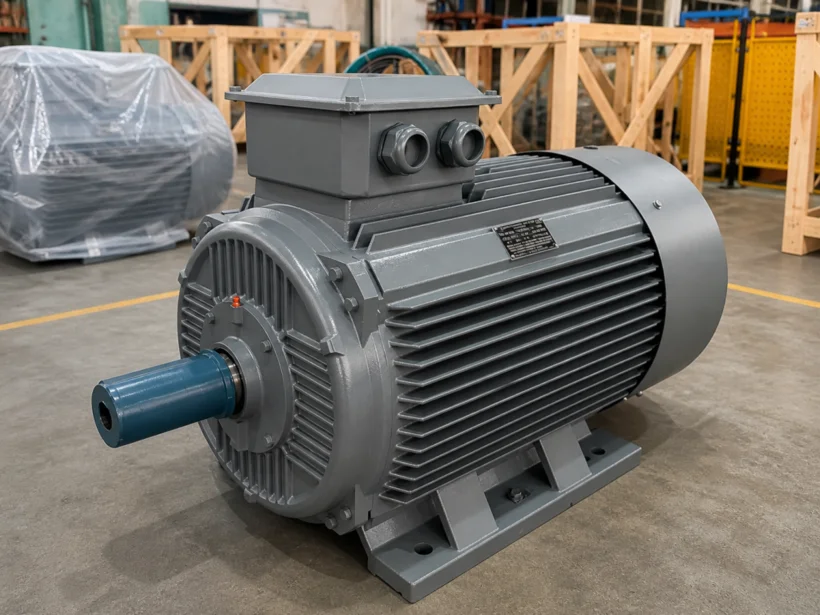
Recycling plants are demanding environments involving intensive dust, variable load, abrasive material and continuous operation. These conditions are extremely harsh for motors. An ordinary motor wears out quickly in this environment. For this reason, recycling motors require special durability.
These demanding conditions make a quality, durable motor essential. The right motor runs safely in this environment.
Shredder and Crusher Motors
In recycling, materials are first reduced in size with shredders and crushers. These machines require high torque and durable motors. Shredding hard, variable materials demands a powerful motor. The right motor performs the shredding process safely.
We also cover high-torque applications in our stone crushing plant motors article. Shredding requires high torque.
High Starting Torque
Shredders demand high starting torque when they engage with material inside them. The motor must overcome this resistance to turn the machine. Insufficient starting torque prevents the machine from engaging. High torque is an important feature of recycling motors.
The right starting torque allows the machine to engage safely, which means uninterrupted processing.
Sudden Load Changes
In recycling, the material being processed constantly changes; one piece may be hard, another soft. This creates sudden load changes. The motor must withstand these changes without strain. A durable motor safely absorbs sudden loads.
Sudden load changes are inherent in recycling, which requires a durable motor.
Dust and a Dirty Environment
Recycling plants involve intensive dust and dirt. This dust obstructs motor cooling and can damage the windings. For this reason, a high IP protection class is essential. The right protection shields the motor from dust.
We explain protection class selection in our IP protection class selection article. Dust protection is critical in recycling.
Cast-Iron Body
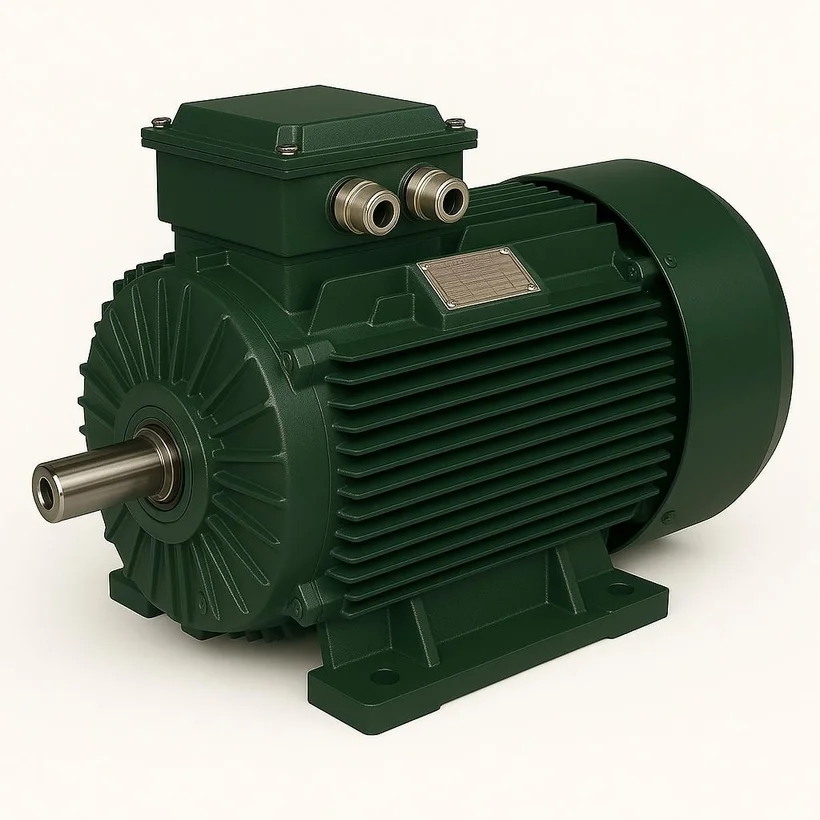
The demanding conditions of recycling require an extremely durable body. A cast-iron body protects the motor from impact, vibration and dust. This ensures the recycling motor is long-lived. A sturdy body is the foundation of durability.
We explain the advantages of a cast-iron body in our cast-iron electric motor article. A sturdy body is important in recycling.
Conveyor Systems
In recycling, material is moved by conveyors. The motors of these conveyors run under continuous, variable load. The right conveyor motor keeps the flow of material uninterrupted, which supports production continuity.
We explain conveyor motors in our conveyor and belt motor selection article. Conveyors are important in recycling.
Separation and Screening
In recycling, materials are separated and screened by type and size. Vibrating screens and separators run on motors. The right motor delivers effective separation and screening, which increases recycling efficiency.
We explain vibration motors in our vibration motor article. Screening is important in recycling.
Pressing and Baling
In recycling, materials are pressed and baled for storage and transport. Press motors require high power and torque. The right press motor ensures effective compaction of the material, which means efficient storage.
Pressing is a process that requires high power, which calls for a powerful motor choice.
Choosing the Right Power Rating
The power of a recycling machine motor is determined by the material to be processed and the capacity. Insufficient power strains the machine, while excessive power wastes energy. The right power delivers efficient processing and is the basis of a sound choice.
You can find power options in our power (kW) and speed table. The right power is the foundation of recycling efficiency.
Continuous Operation
Recycling plants often run without interruption. For this reason, motors must be suited to continuous duty and built to last, operating safely for long hours at a time. This supports production continuity.
We discuss duty cycles in our nameplate details article. Continuous operation is the norm in recycling.
Overload Protection
In recycling, unexpectedly hard materials can overload the motor. Overload protection stops the motor in these situations and prevents it from burning out. This protection guards both the motor and production. Overload protection is mandatory in recycling.
We explain overload protection in our overload protection article. Protection is critical in recycling.
Efficiency and Energy
Because recycling plants consume a great deal of energy, motor efficiency affects operating cost. High-efficiency motors deliver significant energy savings in these plants. Efficiency turns directly into profit in recycling, which is why efficient motors should be chosen.
We cover efficiency classes in our high-efficiency electric motors article. Efficiency is valuable in recycling.
Soft Starting
The large, powerful motors in recycling draw high current at start-up. Soft starting reduces this current and protects the motor and the grid. This eliminates starting strain. Soft starting is valuable in recycling.
We explain soft starting in our soft starting article. A soft start protects large motors.
Plastic Recycling
In plastic recycling, material is shredded, washed, dried and turned into granules. Every stage of these processes runs on motors. The right motors keep plastic recycling running efficiently, which means quality granules.
Plastic recycling requires various motors working in harmony, which makes the right choice important.
Metal Recycling
In metal recycling, materials are shredded, separated and pressed. These demanding processes require high torque and durable motors. Metal processing is one of the most demanding recycling applications. The right motor runs safely in metal recycling.
Metal processing demands high power and durability, which calls for a powerful motor choice.
Paper Recycling
In paper recycling, material is broken down, cleaned and reprocessed. These applications require motors that operate in a humid environment. The right protection class shields the motor from moisture, which ensures the continuity of paper recycling.
A humid environment requires high protection, which makes correct motor selection important.
Moisture and Washing Environment
Some recycling processes involve washing and moisture. In these environments, motors must be resistant to moisture and water. A high IP protection class is necessary in these conditions. The right protection shields the motor from moisture.
Water protection is critical in humid recycling processes, which means a high IP protection class.
Cooling and Heat Build-Up
Recycling motors that run continuously and under high load heat up. Because dust build-up obstructs cooling, regular cleaning and good cooling are important. Excessive heat shortens motor life, so thermal management is important.
We explain heat control in our electric motor temperature control article. A cool motor means long service life in recycling.
Abrasive Material
Some materials processed in recycling are abrasive and strain the motor. Abrasive dust and particles can wear the motor's components. For this reason, durable, protected motors are preferred. The right motor withstands an abrasive environment.
An abrasive environment demands extra durability in recycling, which requires a quality motor.
Control With a Frequency Inverter
In recycling, it may be necessary to adjust machine speed according to the material. A frequency inverter provides this speed control and soft starting. This means both efficiency and motor protection. The inverter is a valuable tool in recycling.
We explain the benefits of inverters in our frequency inverter and energy saving article. The inverter is important in recycling.
Vibration and Balanced Operation
Recycling machines produce intensive vibration. It is important for the motor to be balanced and resistant to vibration. A balanced rotor and sturdy body protect the motor against vibration, which ensures long-lived operation.
We explain vibration reduction in our noise and vibration reduction article. Balance is important in recycling.
Backup Motors and Continuity
In recycling plants, a motor failure halts production. For this reason, it is important to keep backups for critical motors. A backup motor allows production to resume quickly in the event of a failure, which means continuity.
Keeping backups ensures production safety in recycling, which prevents unplanned downtime.
Catching Faults Early
The demanding conditions of recycling require regular, careful maintenance. Cleaning the dust, checking cooling and maintaining the bearings are important. Regular maintenance allows the motor to run safely under harsh conditions, which means long service life.
We explain maintenance principles in our electric motor maintenance steps article. Maintenance is important in recycling.
Three-Phase and High Power
The high power need of recycling is almost always met with three-phase motors. Three-phase motors produce high torque in a balanced way and run vibration-free. This makes them the standard in recycling. Three-phase is the power of recycling.
We explain the preference for three-phase in industry in our three-phase motors in industry article. Three-phase is indispensable in recycling.
Energy Monitoring
In recycling plants, energy monitoring is valuable for both saving energy and detecting faults. In these high-consumption plants, monitoring reveals inefficiencies. This delivers both savings and reliability. Monitoring is important in recycling.
We explain energy monitoring in our energy monitoring article. Monitoring delivers savings in recycling.
Environmental Contribution
Recycling plants are of vital importance for the environment. Efficient motors lower the energy cost of these plants while also reducing their carbon footprint. In this way, recycling becomes more sustainable both economically and environmentally. An efficient motor contributes to the environment.
An efficient motor increases the environmental benefit of recycling, which means sustainable production.
A Total-Cost Perspective
When selecting a recycling motor, a cheap but flimsy motor proves costly through frequent breakdowns and production loss. A quality, durable, efficient motor is the most economical over the long term. In demanding conditions, quality means continuity directly, which is why a total-cost perspective is important.
We examine the factors behind price in our factors that determine price article. Quality pays off in recycling.
Waste Processing Plants
General waste processing plants also run on various motors. These plants use motors for material handling, separation and processing. Demanding, dirty conditions require durable motors. The right motor ensures the continuity of waste processing.
Waste processing involves demanding conditions similar to recycling, which requires a durable motor.
Efficiency With Next-Generation Motors
Replacing the inefficient motors in old recycling plants with next-generation high-efficiency motors delivers significant energy savings. Next-generation motors are both more efficient and more durable. This transition pays for itself quickly in energy-intensive plants. Modern motors provide an advantage in recycling.
We explain the advantages of next-generation motors in our next-generation electric motors article. Next-generation means efficiency in recycling.
The Right Supplier for a Recycling Motor
It is important to source your recycling motor from a trustworthy supplier who understands the requirements of these demanding conditions. A reliable supplier recommends a high-torque, durable motor, which ensures both efficient production and continuity. The right supplier matters in recycling.
We explain how to choose the right supplier in our choosing an electric motor dealer article. A reliable source means the right motor.
The Benefit of the Right Choice
A correctly chosen recycling motor delivers high torque, durability, dust protection and continuity. These benefits keep production uninterrupted even under demanding conditions. The wrong motor means constant breakdowns and production loss. The right choice is the foundation of recycling.
The right motor determines both the efficiency and the continuity of a recycling plant, which is the result of an informed choice.
Choosing Correctly With Expert Support
Selecting a recycling plant motor gives the best result when done with an expert who knows these demanding conditions. The expert identifies the motor best suited to your plant and your application. The right support safeguards both performance and continuity, and expert evaluation is the key to a sound choice.
At DRG Motor, we provide technical support for motor selection in your recycling plants. The right choice delivers safe production under demanding conditions.
Glass Recycling
In glass recycling, material is broken, cleaned and separated by size. These processes produce abrasive glass dust and strain the motors. High protection and durability are necessary in glass recycling. The right motor runs safely in this demanding process, as glass dust poses an abrasive threat to the motor.
Glass recycling requires a durable motor because of the abrasive environment, which makes a quality motor choice important.
DRG Motor for Recycling Plants
At DRG Motor, we offer efficient, cast-iron-bodied motors suited to the high-torque, durability and continuity needs of recycling plants. Our aim is to keep your recycling production uninterrupted and efficient. By evaluating your application and operating conditions, we recommend the motor best suited to you. You can also visit our homepage to learn more.
To choose the ideal motor for your recycling plant and receive technical support, contact DRG Motor and explore our range on our products page. The right motor is the assurance of production that contributes to the environment.