 English
 Le français
 Türkçe

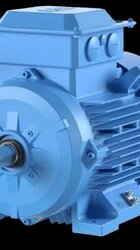
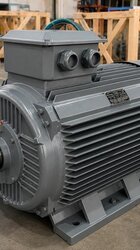
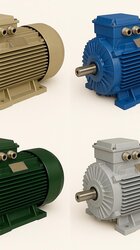

The most widely used motor in industry is the induction motor. However, in places that demand precise positioning, step and servo motors are preferred. These three motor types are designed for different purposes. To choose the right motor, you need to know the differences between them.
In this article we examine the differences between step, servo and induction motors. We explain the fundamentals of induction motors in our article on what an electric motor is. The right choice depends on the application.
What Is an Induction Motor?
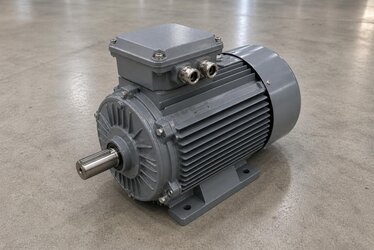
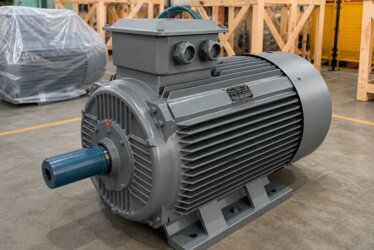
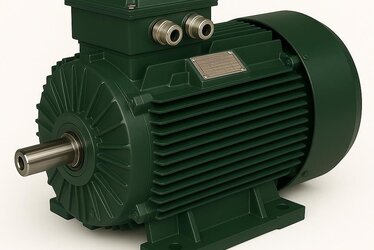
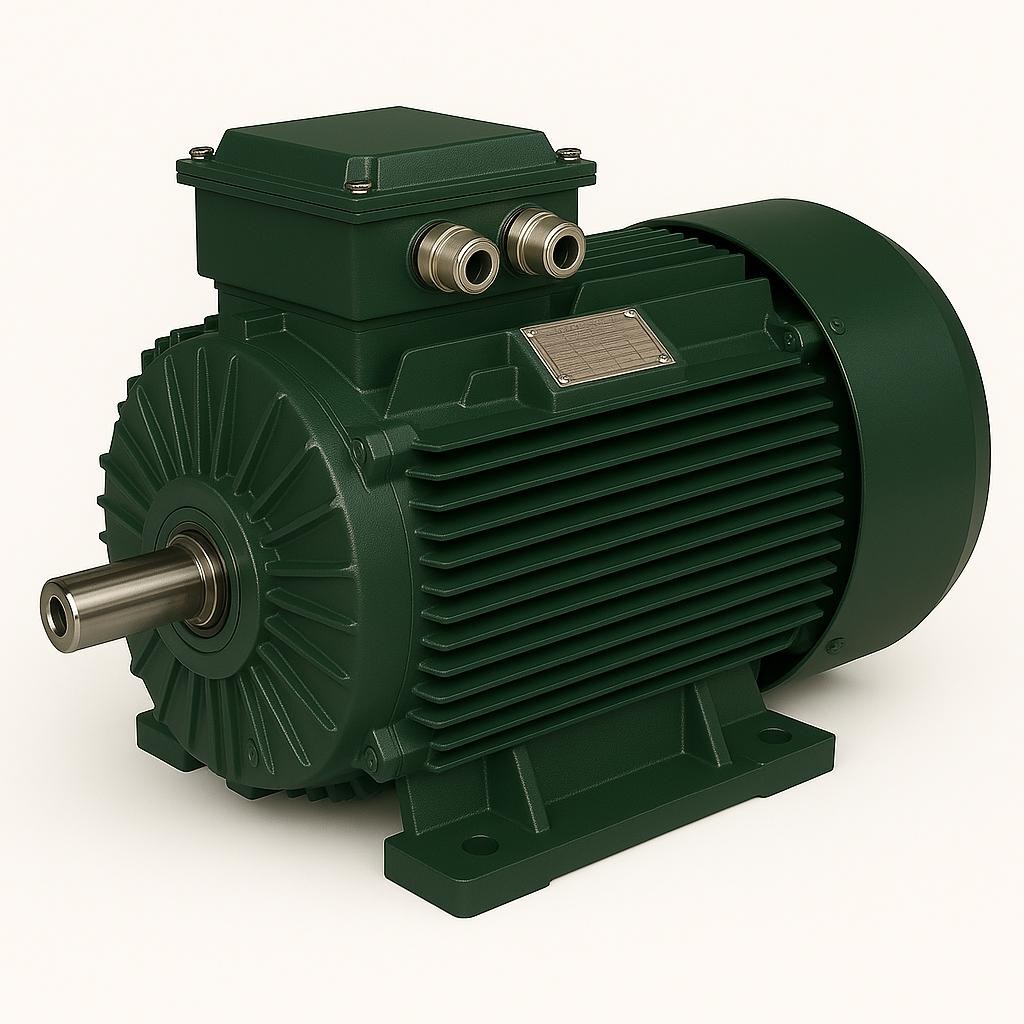
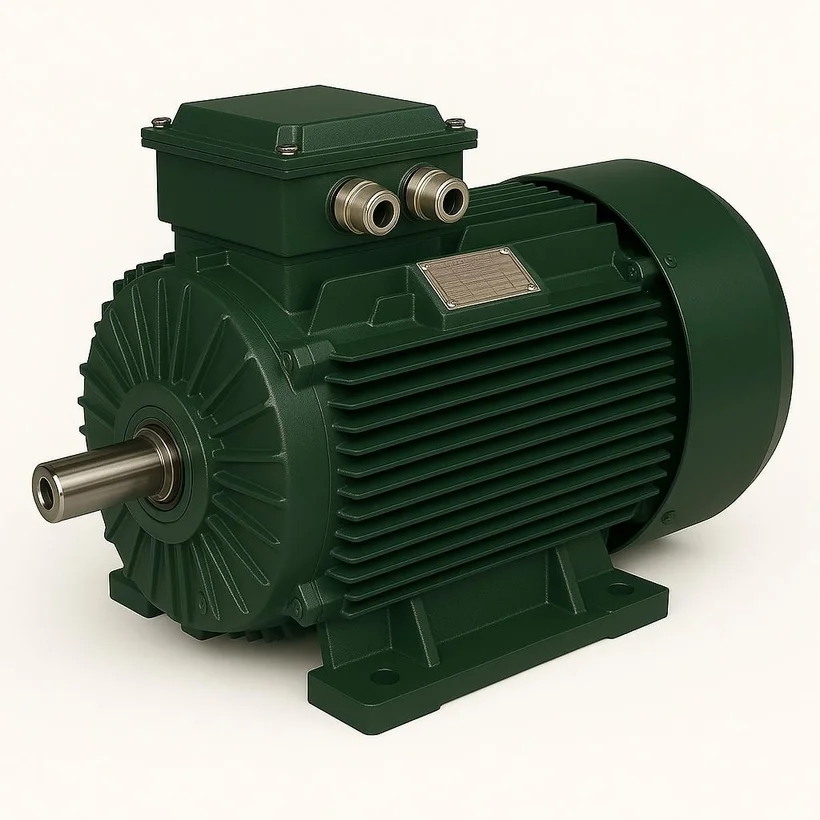
An induction motor is the most common industrial motor, working with a rotating magnetic field. It is ideal for producing continuous power at constant speed. With its simple structure and low cost, it is used in applications such as pumps, fans and conveyors. This makes it indispensable.
Induction motors are an economical solution for continuous operation. This makes them the basic motor of industry.
What Is a Step Motor?
A step (stepper) motor is a motor that moves step by step in response to incoming electrical signals. Each signal turns the motor by a specific angle. This structure provides precise positioning. It is used in devices such as printers and CNC machines.
The step motor is designed for places that require precise step motion. This makes it valuable in position control.
What Is a Servo Motor?
A servo motor is a motor that provides precise speed and position control through a feedback system. An encoder continuously monitors the position of the motor. Thanks to this, the servo motor operates with very high precision. It is widely used in robotics and automation.
The servo motor is designed for high-performance motion control. This makes it stand out in demanding applications.
Difference in Operating Principle
The induction motor runs directly on the mains voltage and turns at constant speed. The step motor moves in steps according to signals. The servo motor uses closed-loop control with feedback. These three principles are completely different from one another.
The operating principle determines the field of use of each motor. This is the foundation of the right choice.
Difference in Control Method
The induction motor is controlled with a simple contactor or inverter. The step motor receives step signals from a driver board. The servo motor requires a complex driver with encoder feedback. The complexity of control increases from induction to servo.
We explain inverter-driven induction control in our article on frequency inverters and energy saving. The control method also affects cost.
Difference in Precision
In terms of position precision, the servo motor is the best; it positions precisely to very small angles. The step motor also offers good precision but without feedback. The induction motor, by contrast, is not designed for precise positioning. Precision determines the application.
The need for precision is one of the most important criteria in motor selection. This shapes the right choice.
Torque Characteristic
The induction motor produces high, continuous torque at constant speed. The servo motor provides controlled torque across a wide speed range. The step motor offers high holding torque at low speeds but loses torque at high speed. The torque requirement guides the choice.
We discuss torque characteristics in our article on starting torque. Torque is evaluated according to the application.
Difference in Speed Control
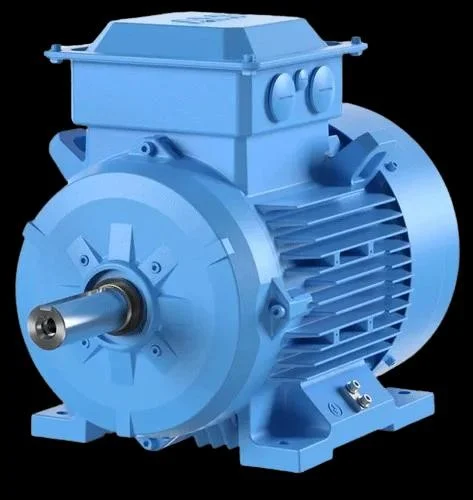
The speed of an induction motor can be changed with a frequency inverter. The servo motor controls its speed very precisely with feedback. The step motor sets speed through step frequency. The speed control of each motor is done with different methods. This depends on the application.
We also explain induction speed control in our article on two-speed motors. Speed control is chosen according to the need.
Cost Comparison
The induction motor is the most economical solution. The step motor is of medium cost. The servo motor, with its driver and encoder, is the most expensive system. Cost increases from induction to servo. For this reason, it makes no sense to choose an expensive motor for precision that is not needed.
Cost must be balanced according to the need. This means an informed choice.
Difference in Power Range
Induction motors are produced across a very wide power range, from kilowatts to megawatts. Servo and step motors, by contrast, are generally used at lower powers. In high-power applications, the induction motor is the only option. This broadens its scope.
We discuss the power range in our article on pole count and speed. The power requirement determines the motor type.
Bearings, Grease and Dust
Thanks to its simple structure, the induction motor requires little maintenance. The drivers of servo and step motors require more delicate care. The durability of the induction motor makes it advantageous in terms of maintenance. This lowers the operating cost.
We explain maintenance principles in our article on electric motor maintenance steps. Maintenance varies according to the motor type.
Difference in Efficiency
Modern induction motors offer high efficiency with IE3 and IE4 efficiency classes. Servo motors are also efficient but serve a different purpose. For continuous power, an efficient induction motor is the most sensible choice. This delivers energy savings.
We explain efficiency classes in our article on high-efficiency electric motors. Efficiency is important in continuous operation.
Machines They Drive
Induction motors are used in continuously running applications such as pumps, fans, compressors, conveyors, crushers and mills. These applications demand continuous power, not precise positioning. For this reason, the induction motor is ideal. This makes it the foundation of industry.
We discuss industrial applications in our article on industrial electric motors. The induction motor is used in a wide field.
Common Uses
Step motors are used in 3D printers, CNC machines, small automation and precise positioning devices. Precise step motion without feedback is sufficient for these applications. This makes the step motor an economical position solution. This makes it widespread.
The step motor is ideal for small, precise motion. This makes it valuable in automation.
Robotics, CNC tools and high-speed packaging for servo drives
Servo motors are used in robotics, high-speed packaging, CNC machine tools and precise automation lines. These applications, which require high precision and fast response, make the servo motor essential. This makes the servo the favourite of automation. This makes it indispensable.
The servo motor is designed for the most demanding motion control. This is what sets it apart.
The Feedback System
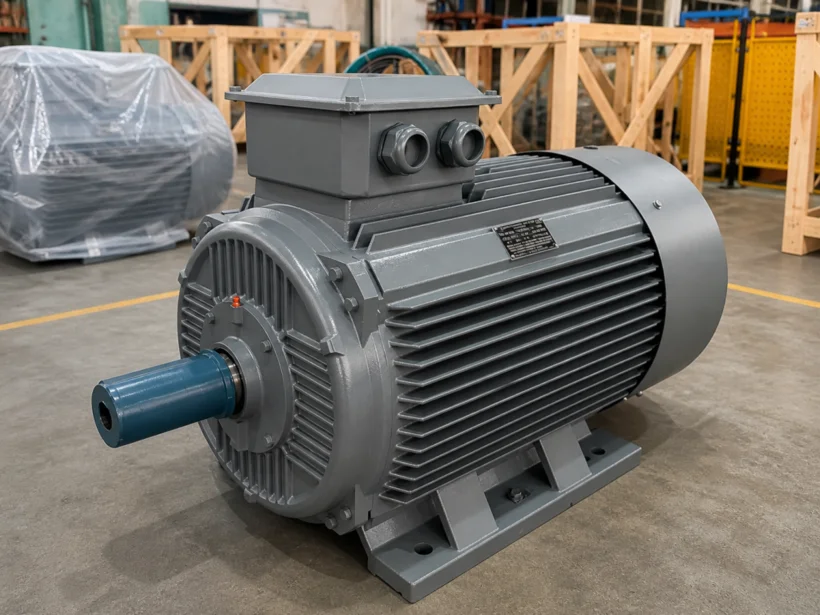
The key feature of servo motors is that they provide feedback with an encoder. This feedback continuously controls the position of the motor. Induction and step motors generally do not have this closed-loop control. Feedback is the key to precision.
The feedback system makes the servo motor unique. This means high precision.
Difference in Response Speed
The servo motor accelerates and decelerates very quickly; it responds instantly to sudden commands. The induction motor responds more slowly. The step motor is also fast but not as dynamic as the servo. Response speed is important in automation.
Response speed is a critical criterion in dynamic applications. This makes the servo motor stand out.
Structural Differences
The rotor of the induction motor has a cage structure. Servo motors generally use a permanent-magnet rotor. Step motors have a special toothed-pole structure. These structural differences determine the operating characteristic. This makes each motor special.
We explain the induction rotor structure in our article on rotor copper winding. The structure affects performance.
Heating and Cooling
Induction motors are cooled with a fan in continuous operation. Servo motors are designed to heat up less in high-dynamic operation. The heat management of each motor differs according to its mode of use. This ensures safe operation.
We discuss temperature management in our article on temperature control. Cooling affects motor life.
Which One for Which Application?
The induction motor is chosen where continuous power is needed, the step motor for economical position control, and the servo motor for high-precision dynamic motion. The need of the application determines the right motor. For this reason, the choice should be made with a needs analysis. This means an efficient system.
The right match is important for both performance and cost. This means an informed choice.
The Advantage of the Induction Motor
The biggest advantages of the induction motor are simplicity, durability, low cost and a wide power range. It is the most sensible choice for most continuously running industrial applications. For this reason, it is the most common motor in industry. This makes it the basic motor.
The advantages of the induction motor make it indispensable. This means a reliable solution.
The Limits of Servo and Step Motors
Servo and step motors are not economical for high-power continuous applications. These motors are optimized for precise position and motion. For continuous high power, the induction motor is more suitable. This requires care in selection.
Every motor has a limit; the right application requires the right motor. This means an informed choice.
Induction Control With a Frequency Inverter
The frequency inverter gives the induction motor speed control and soft starting. Thanks to this, the induction motor becomes an alternative to the servo in many variable-speed applications. An inverter-driven induction system is both economical and flexible. This makes it widespread.
We explain soft starting in our article on soft starting. The inverter increases the flexibility of the induction motor.
Energy Consumption
In continuously running applications, the energy consumption of an efficient induction motor is low. Servo motors are efficient in dynamic operation but are not designed for continuous power. The right motor selection directly affects energy consumption. This determines cost.
We discuss energy monitoring in our article on energy monitoring. Energy is important over the long term.
Combined Use in Automation Systems
In a modern automation line, all three motor types can be used together. The induction motor works on the conveyor, the step motor in positioning, and the servo motor on precise axes. Each motor works where it best demonstrates its strength. This means an efficient system.
We explain conveyor motors in our article on conveyor belt motors. Combined use optimizes the system.
The Prevalence of the Three-Phase Induction Motor
The most widely used motor in industry is the three-phase induction motor. Offering high power, durability and efficiency, this motor is the backbone of production. It is the only option in power applications where precision is not needed. This makes it fundamental.
We explain three-phase motors in our article on three-phase motors in industry. The induction motor is the foundation of industry.
How to Determine the Right Motor Type
To determine the right motor type, the need for precision, power, speed control and budget are evaluated. The induction motor is chosen for continuous power, and the servo or step motor for precise motion. This analysis reveals the right motor. This means an efficient system.
A needs analysis is the foundation of the right choice. This means an informed investment.
The Consequences of Choosing the Wrong Motor
Choosing the wrong motor type leads to unnecessary cost, insufficient precision or loss of efficiency. Choosing a servo for continuous power, or an induction motor for precise positioning, is wrong. The right match prevents these problems. This requires an informed choice.
The right motor optimizes both performance and cost. This means an efficient system.
Efficiency and Durability in the Induction Motor
In continuously running applications, the efficiency and durability of the induction motor are decisive. A quality induction motor runs trouble-free for many years. This gives the operation low cost and reliability. This makes it the preferred choice.
The value of a quality motor is measured by its long life. This means an informed investment.
Motor Selection in the Future
With the spread of automation, the use of servo and step motors is increasing. However, in continuous power applications, the induction motor is still the most common solution. The systems of the future will use all three motors according to need. This means a flexible approach.
The right motor selection will continue to be made according to need in the future too. This means an informed approach.
Step Angle in the Step Motor
The basic parameter of step motors is the step angle; with each signal the motor turns by this angle. A small step angle provides more precise positioning. This angle is chosen according to the precision need of the application. This means correct position control.
The step angle is the main feature that determines the precision of the step motor. This is important in selection.
Encoder Resolution in the Servo Motor
The precision of the servo motor depends on the encoder resolution. A high-resolution encoder provides very precise positioning. This feature makes the servo motor the most precise solution. This means high performance.
The encoder is like the brain of the servo motor. This is the foundation of precision.
Slip in the Induction Motor
In induction motors, the rotor turns slightly slower than the rotating field; this difference is called slip. Slip is a natural part of the operating principle of the induction motor. This is what distinguishes it from synchronous motors. This means a simple structure.
Slip is a fundamental feature of the induction motor. This is what makes it unique.
The Role of the Motor Driver
Step and servo motors need special drivers to operate. The induction motor, by contrast, can run directly from the mains. The need for a driver affects the cost and complexity of the system. This is taken into account in selection.
The driver is an integral part of the motor type. This affects system design.
Noise and Vibration
A quality induction motor runs with low noise and vibration. Step motors can produce vibration at some speeds. Servo motors run quietly and smoothly. The noise level is evaluated according to the application environment. This means comfort.
We explain noise reduction in our article on noise and vibration reduction. Quiet operation is a sign of quality.
Cranes and lifting gear: brake induction motors at work
In crane and lifting systems, brake induction motors are generally used. These applications, which require high torque and safe stopping, suit the induction motor. The servo motor, however, can be preferred in precise-position lifting. This depends on the application.
We explain crane motors in our article on crane and lifting motors. In lifting, the motor type is chosen according to the load.
Choosing the Right Induction Motor With DRG Motor
For your industrial applications that require continuous power, choosing the right induction motor is important for efficiency and durability. At DRG Motor, we offer high-efficiency induction motors suited to your needs. By exploring our electric motor products, you can find the most suitable solution for your application.
For the right motor selection, you can visit our homepage and receive support from our technical team. DRG Motor delivers reliable motor solutions.