 English
 Türkçe
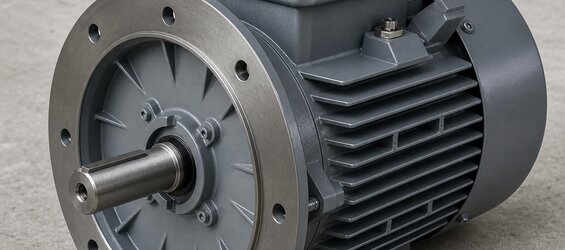
The Effect of Power and Pole Count on Motor Price
There is far more behind an electric motor's price tag than meets the eye. Two motors sharing the same housing do not necessarily share the same budget, because rated power and pol... More Details

There is far more behind an electric motor's price tag than meets the eye. Two motors sharing the same housing do not necessarily share the same budget, because rated power and pol... More Details
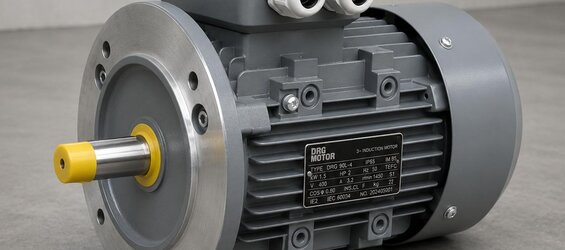
When you request a quote for an electric motor, you may wonder why the figure changes from one supplier to another. Two motors with the same rated power can differ significantly in... More Details
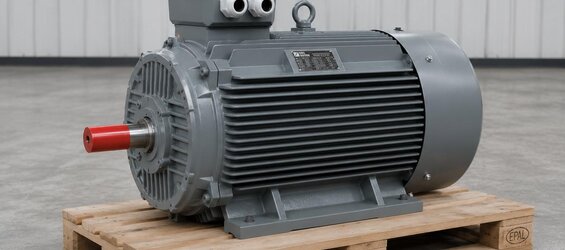
Electric motors account for the largest share of electricity consumed in industrial facilities, so the motor you choose directly shapes your operating costs. A low-efficiency motor... More Details
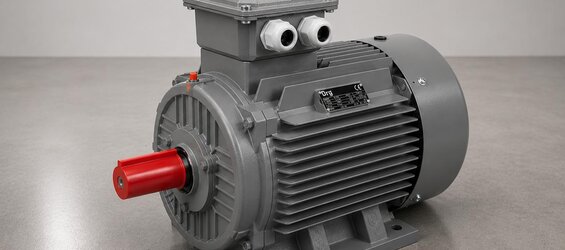
Connecting an electric motor directly to the mains and switching it on is not always the wise choice. In medium and high power three-phase motors especially, the current drawn at t... More Details
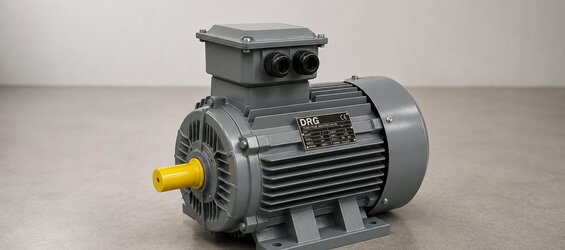
One of the most overlooked details when ordering a motor for a plant is how that motor will actually behave behind a frequency drive. Whether the application is a pump, fan, convey... More Details
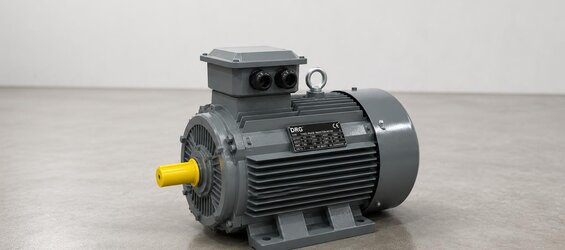
The first figure most people look at when buying an electric motor is the kW rating, yet the value that actually determines whether the motor will work in harmony with your facilit... More Details
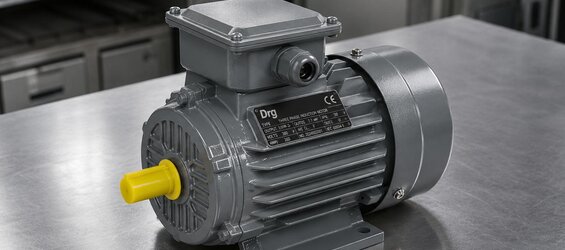
The most common mistake when ordering an electric motor is to look only at the power and speed ratings while treating the mechanical dimensions as an afterthought. Yet what decides... More Details
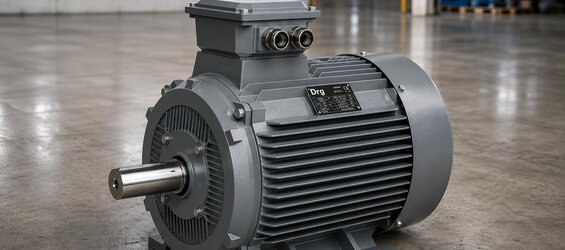
When buying an electric motor, the conversation usually revolves around power and speed, yet the question of frame material slips past most projects. In reality it is one of the mo... More Details
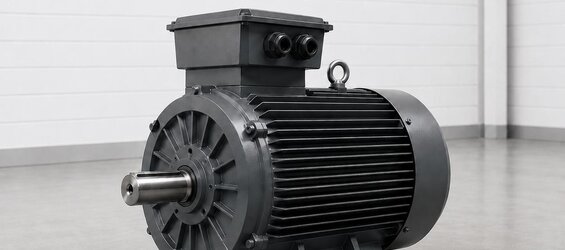
Most of the energy an electric motor consumes over its lifetime is tied directly to the heat lost as current flows through its windings. This is exactly where the winding material ... More Details
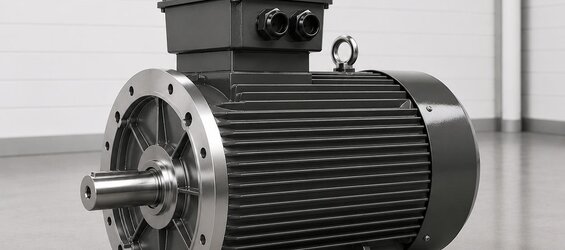
Choosing a 380V three-phase motor for an industrial site is far more than a quick click in a catalogue; it means weighing the right power rating, the correct connection method and ... More Details
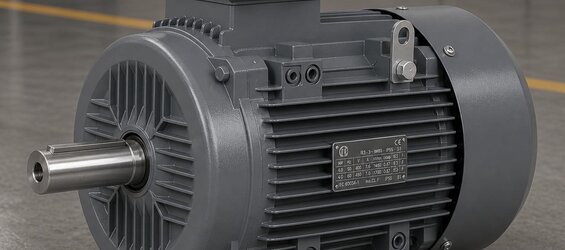
Small workshops, household machines, pumps and hobby builds usually plug into the ordinary wall socket rather than a three-phase supply. This is exactly where a 220 volt electric m... More Details
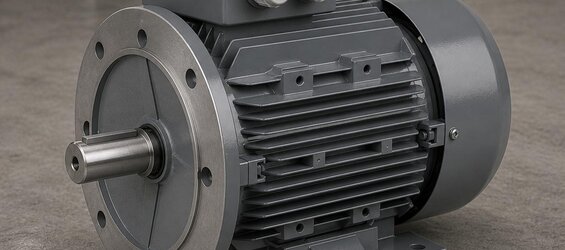
When you source a new motor, the first real decision is almost always the supply type: choosing between a single-phase or three-phase motor shapes everything from purchase cost and... More Details
Choosing an electric motor by glancing at the kilowatt rating on the nameplate is one of the most common and most expensive mistakes a buyer can make. Two motors with the same rate... More Details
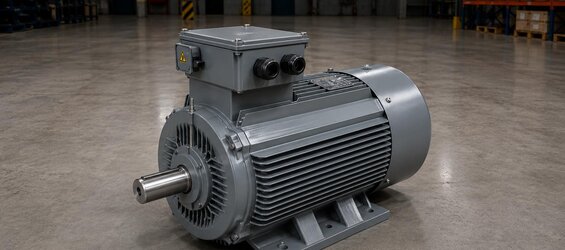
When companies buy an electric motor, the conversation usually revolves around power, speed and mounting type; yet the quietest variable that truly decides how long the motor will ... More Details
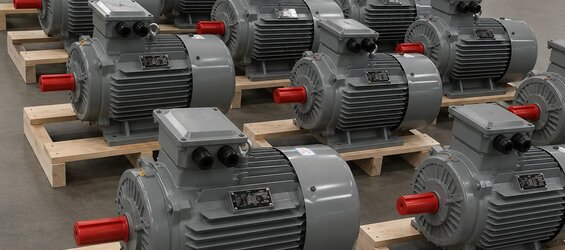
The moment a motor enters an environment full of dust, water and pressure washing, the rules change. A standard frame holds up for a few months, then the bearings seize, the windin... More Details
On a heavy-industry line that runs around the clock, the purchase price of a motor is only a small slice of what you will actually pay over its lifetime. The real burden hides in t... More Details
When sourcing a three-phase motor, the most expensive mistakes are rarely in the catalogue price; they hide in the wrong power rating and frame size. Cast iron motors span a wide b... More Details
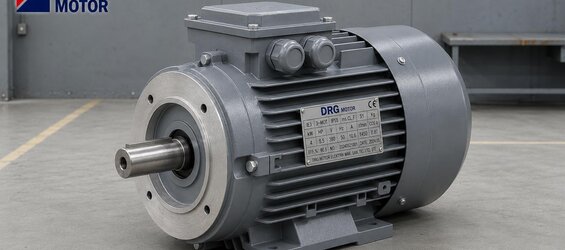
When a business buys an electric motor, the efficiency class stamped on the nameplate is usually the line item that gets the least attention at purchase and causes the most regret ... More Details
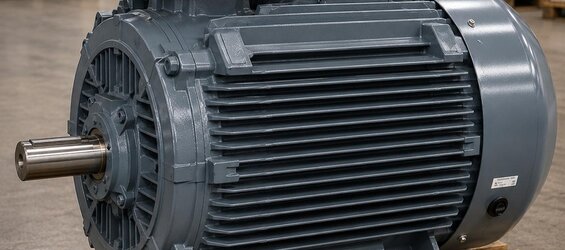
Choosing an electric motor at the correct power and speed is only half of the purchasing process; the other half is how you physically attach that motor to your machine. Many busin... More Details
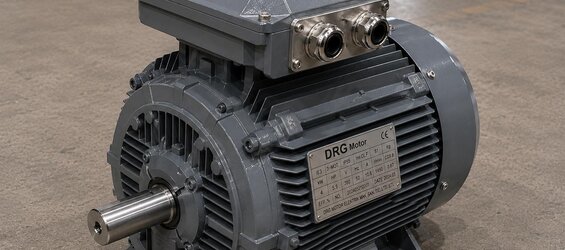
Whenever you set up a pump, fan, conveyor or geared drive on a production line, the first parameter to lock down is rotational speed. On mains-fed asynchronous motors the most wide... More Details