English
 Le français
 Türkçe

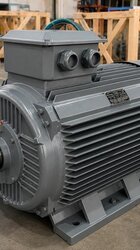
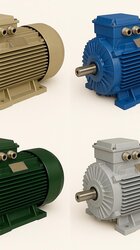
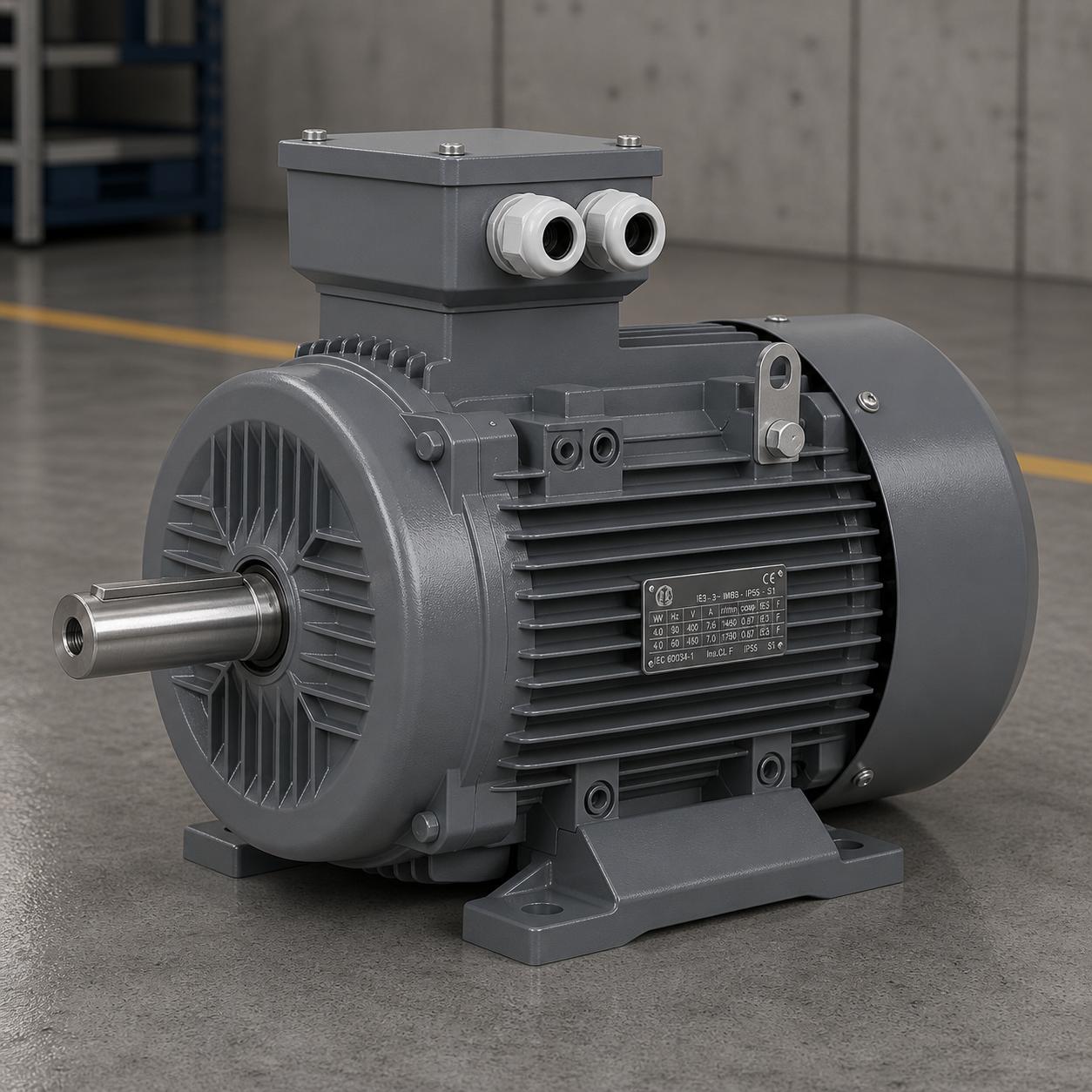

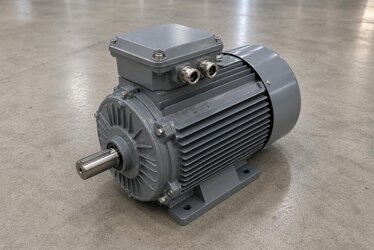
Small workshops, household machines, pumps and hobby builds usually plug into the ordinary wall socket rather than a three-phase supply. This is exactly where a 220 volt electric motor proves its worth: it runs from a single-phase line, needs no three-phase infrastructure, installs quickly and covers a wide range of everyday applications. At DRG Motor we supply single-phase motors from stock and at wholesale volumes, helping you pin down the right model based on your project's power and duty profile.
Where Single-Phase Motors Belong
Single-phase motors sit in the low and low-to-medium power band. In practice, 220 volt supply is very common for applications between roughly 0.18 kW and 3 kW. That range comfortably covers small compressors, water pumps, fan and extractor sets, bench machines, woodworking tools and a long list of hand-operated equipment. In rural locations, shops and home workshops without a three-phase line, a single-phase motor is often the only viable option.
The picture changes as power climbs. Above roughly 2.2-3 kW the current drawn from a single-phase line rises, starting becomes harder and efficiency drops. At that point a three-phase motor makes more sense. To settle the single-versus-three-phase question, we suggest reviewing our comparison on monofaze trifaze motor selection and then confirming the choice with us.
The biggest advantage when choosing a 220 volt electric motor is ease of installation. Being fed from a standard socket, with no separate panel investment or three-phase subscription required, is a real saving in both cost and time for small businesses. This practicality makes the single-phase motor indispensable for portable equipment and temporary setups in particular.
Single-Phase Options by Starting Method
Single-phase motors do not behave the same in every application; the real distinction lies in the starting method. Choosing without knowing your load profile leads either to weak starting or unnecessary cost. The common types are:
- Capacitor-start (CSIR): Preferred for compressors and pumps that need high starting torque; the start capacitor engages during start-up and then drops out.
- Permanent split capacitor (PSC): Quiet and efficient on fans, extractors and continuous low-torque loads; the capacitor stays in circuit at all times.
- Two-value capacitor (CSCR): Uses two capacitors together for heavy loads that demand both high starting torque and efficient continuous running.
To decide which type suits your machine, we only need to understand the start-up behaviour and the continuous-duty status of the equipment it will drive. With that information we lock in the correct starting type and capacitor value in one pass.
Sizing Correctly at Low Power
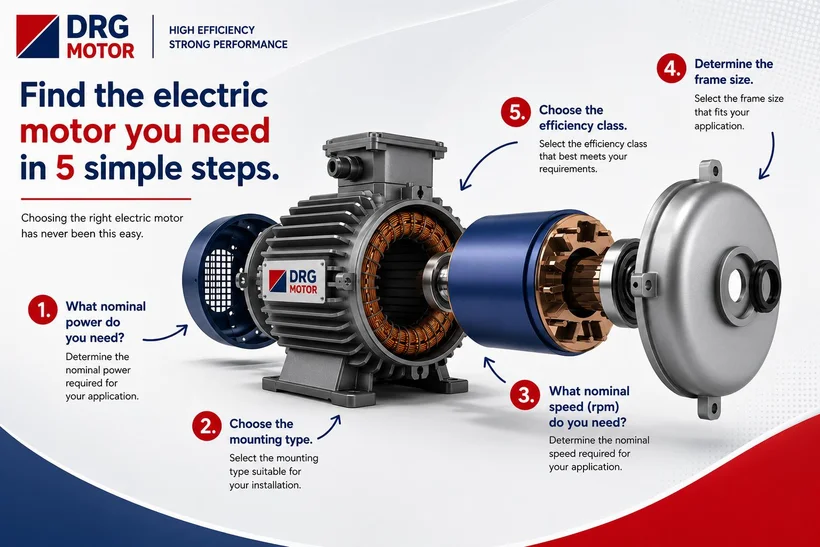
The most frequent mistake at low power is oversizing the motor. An oversized motor costs more and runs inefficiently under light load, wasting energy for nothing. Conversely, a motor chosen right at the limit will overheat on a hot day or under added load and burn its winding. For correct sizing we ask for four basic pieces of information:
- The type of machine being driven and whether it runs continuously or intermittently
- The required speed (for example 2-pole at 2800 rpm, 4-pole at 1400 rpm)
- The mounting arrangement (foot-mounted B3, flange B5/B14 or combined)
- Shaft diameter, frame size and any gearbox to be coupled
Once you share these four items, we quickly recommend the model from our single-phase range that fits your application precisely. We size to one step above the real need as a safety margin, without inflating it unnecessarily.
Should You Order Single-Phase or Three-Phase
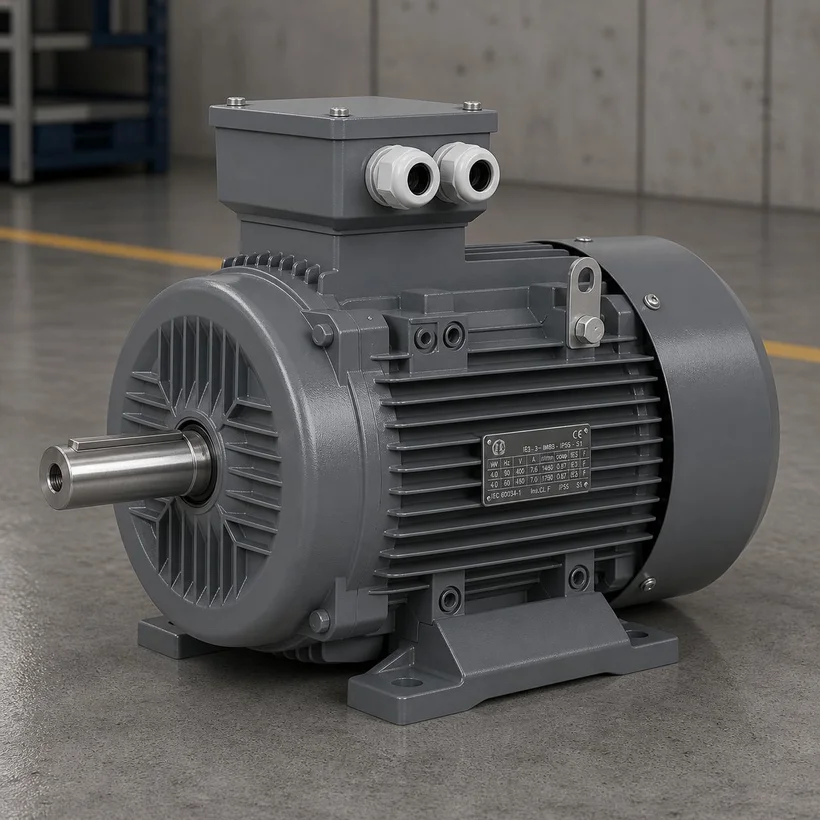
The decision usually comes down to two factors: the available supply and the power you need. If the site only has a single-phase 220V line and the power is below 2.2 kW, single-phase is by far the most practical route. If a three-phase line is feasible and the power is high, a three-phase motor is the more efficient, lower-maintenance long-term investment. In some low-power cases, using a frequency inverter (drive) to feed a three-phase motor from a single-phase line is also worth considering; we evaluate that option against your specific application.
Pump-driven installations add one more criterion: the required flow rate and head. For agricultural and garden irrigation scenarios, we recommend looking at the selection logic on the sulama motoru side before committing, because pump-and-motor matching is the backbone of performance.
Efficiency, Heating and Protection Details
Single-phase motors carry a few details that are often overlooked yet directly determine field life. The insulation class (usually class F), the protection class (we recommend at least IP55 in dusty or damp environments) and thermal protection define how long the motor survives in harsh conditions. For continuous-duty applications, choosing models with built-in thermal protection or an external thermal relay is the cheapest insurance you can buy against a burned winding.
Capacitor selection is the unsung hero of performance. The wrong microfarad value strains the motor, causes vibration and leads to early failure. With every single-phase motor we supply, we provide the correct capacitor value and wiring diagram together, so you are not left guessing during installation.
Mounting Type and Mechanical Fit
Once a single-phase motor is correctly selected, half the job is finished in the mechanical fit. Foot-mounted (B3) frames are common on bench machines and fans that use belt-and-pulley transmission; flange frames (B5 and B14) are ideal for compact installations bolted directly to a pump or gearbox. Choose the wrong mounting type and you are guaranteed a hunt for adapters in the field, alignment trouble and vibration.
Shaft diameter and key dimensions are every bit as critical as the mounting type. The pulley, coupling or impeller being fitted must seat exactly on the shaft. That is why, at the quotation stage, we confirm the shaft diameter, shaft length and frame centre height. If you are replacing an existing motor like for like, sharing the old nameplate data reduces selection to a single step, with no extra conversion needed to match dimensions.
Maintenance and Service Life
A correctly chosen single-phase motor runs trouble-free for years with simple maintenance. Bearing life depends on operating temperature and ambient conditions; in dusty and damp environments, periodic cleaning and the right protection class extend service life considerably. The capacitor loses capacitance over time, and when a motor begins to struggle at start-up the cause is often not a winding fault but a tired capacitor. Replacing this simple part on time is the cheapest precaution that protects the winding.
For applications under continuous load, ventilation deserves attention too. If the front of the motor's fan cover is blocked, heat cannot escape, efficiency falls and temperature climbs. Leaving enough air circulation around the motor during installation is a zero-cost measure that prolongs life. We share these field details alongside the quotation as well.
The Supply Process with DRG Motor
For wholesale and dealer requests we offer fast dispatch on stocked models and short lead times for custom dimensions and mounting combinations. The most popular frame sizes and mounting types for low-power single-phase motors are kept ready in our inventory, which cuts waiting time significantly. For workshops and service businesses that buy regularly, we also arrange volume and periodic supply agreements. We share stock status and lead time transparently before the order, so there are no surprise delays.
Because pricing varies with power, mounting type, protection class, quantity and delivery point, we prefer to prepare a tailored quotation rather than publish a single list figure. Whether you need a single motor or dozens within a project scope directly affects the cost items. This approach lets you see the most accurate cost for the real needs of your project and plan your budget soundly.
The Right Motor Is One Message Away
If you have a low-power application running on a 220 volt supply, the right starting type and correct sizing mean an installation that works on the first attempt. To select the right model from our broad single-phase asynchronous motors range, simply tell us the machine type, power, speed and mounting arrangement. Share your application details and we will come back the same day with a clear model recommendation and a price quotation, so you can invest in the right motor with full confidence.