 English
 Le français
 Türkçe

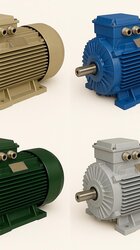
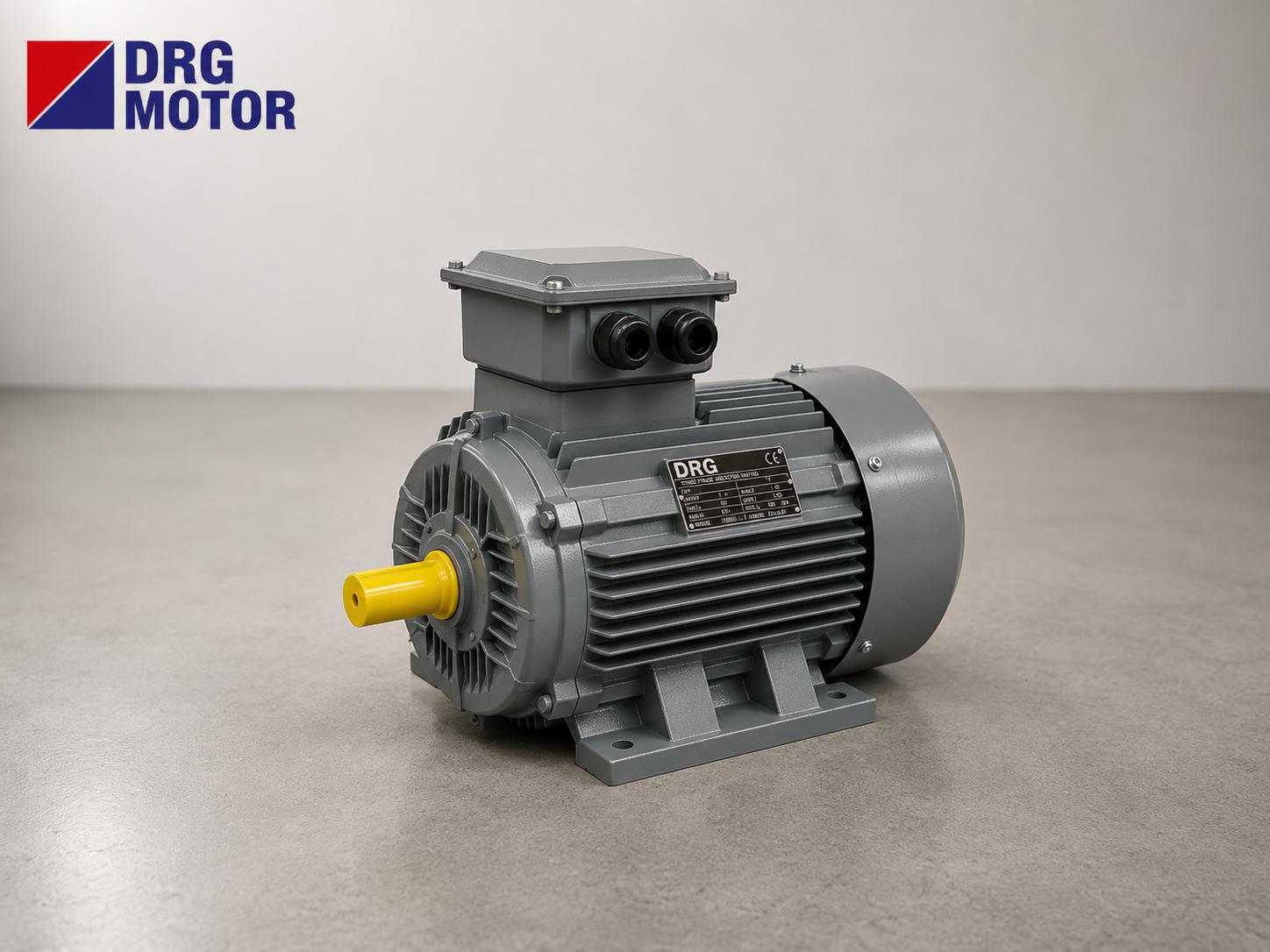

One of the most overlooked details when ordering a motor for a plant is how that motor will actually behave behind a frequency drive. Whether the application is a pump, fan, conveyor or compressor, any system that needs variable speed benefits hugely from a correctly specified drive-compatible motor, both in energy savings and in service life. DRG Motor is not a manufacturer; we are a B2B electric motor supplier serving projects across Turkey with fast availability. That means we work through your drive type, cable distance and load profile together with you, then point you to the right product from stock or with a short lead time. Our goal is not simply to sell a motor; it is to deliver part of a system that runs cleanly from day one, fully matched to the drive, the panel and the load in the field.
Most of the mistakes made on drive-fed systems trace back not to the moment the motor was selected, but to decisions taken before the order was placed. The wrong insulation class, inadequate cooling or an overlooked shaft-current problem turns into weeks of downtime and unexpected cost in the field. In this article we walk through, in order, the critical topics you need to know when ordering a drive-compatible motor, the data you should share with us, and how the quoting process works. That way you can build your request correctly the first time and save real time.
The Data That Makes a Drive-and-Motor Match Work
Before you ask us for pricing, sharing a few core parameters speeds everything up. The drive brand and rating, the motor power and pole count, the operating frequency range and the torque character of the application (constant torque or variable torque) form the basis of a sound match. Collecting this information when choosing a drive-compatible motor prevents the heating, vibration and efficiency losses that show up later.
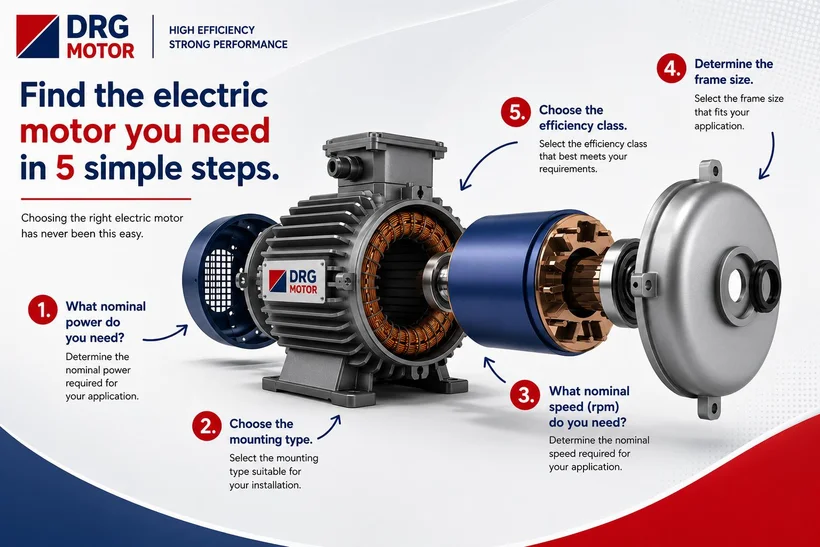
The most common mistake we see is matching a motor to a drive on power rating alone. In reality, insufficient cooling at low speed, the extra losses caused by carrier frequency and the strain placed on the insulation class are all ignored, and the motor fails far sooner than expected. At the quoting stage we evaluate these points with you rather than after the order ships.
Torque character matters in particular. A conveyor or a hoist demands full torque even at low speed, while a centrifugal pump or fan asks for far less torque as the speed drops. Clarifying this distinction up front directly affects both the motor size and the cooling solution required. A choice made on the wrong assumption ends up either overstressing the motor in the field or saddling you with an oversized, more expensive installation than you needed.
Insulation Class and Voltage Spikes on Drive Power
Motors fed from a frequency drive face far more frequent and sharper voltage spikes than motors connected directly to the grid. These spikes stress the winding insulation. For that reason we look for at least Class F insulation on drive-fed motors, ideally reinforced winding systems and adequate voltage withstand. For customers seeking higher efficiency, we steer most projects toward IE3 electric motors, because that class offers a safer foundation both for energy consumption and for stable operation under a drive.
Over long cable runs, voltage reflections become even more pronounced and the terminal peaks can exceed acceptable limits. The remedy is either to shorten the cable distance or to add an output filter; in both cases the right motor choice is the starting point of the solution.
Insulation class is not only about durability; it is also a matter of warranty and continuity. A weak insulation stressed under a drive wears inside the winding without warning over the first few months, then stops with a sudden failure. That is why making sure the motor is assessed as suitable for drive power at order time is the cheapest option in the long run. In our quote we state clearly which insulation and winding option is recommended and why, so you make the decision with full awareness.
Cooling: The Motor's Weakest Point at Low Speed
A standard motor cools itself with a fan on the end of the shaft. When you reduce its speed with a drive, that fan slows down too and cooling capacity drops, while the motor may still be carrying load. Across a wide speed range, and especially in constant-torque applications such as conveyors and mixers, this becomes critical. For these projects we recommend motors with a separately powered (forced) cooling fan. The operating range you share with us tells us which cooling solution is required.
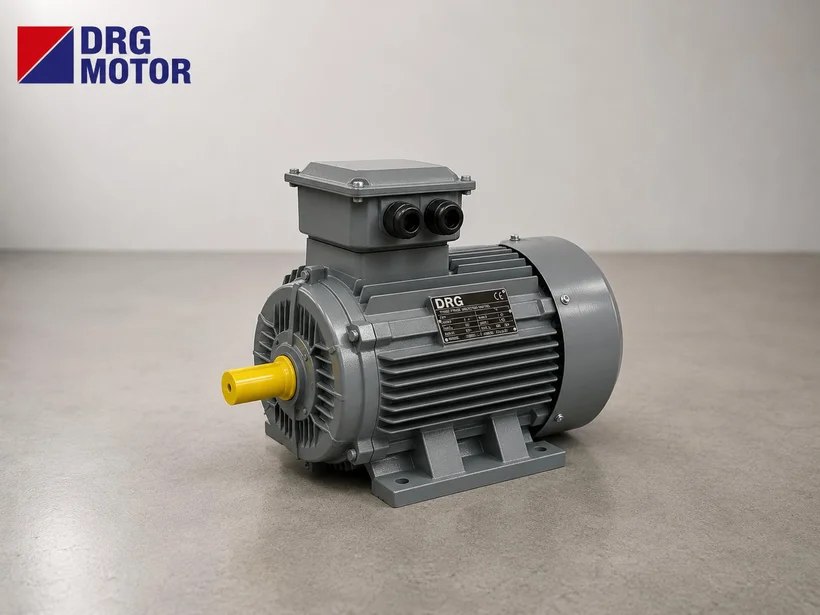
Designing the cooling solution correctly from the outset is far cheaper than swapping the motor later. A small engineering note at the supply stage removes months of fault and downtime cost in the field. In plants that reach high ambient temperatures in summer, the harshest condition the motor will face has to be factored in from the start; when you share the ambient temperature with us, we steer you toward a higher power class or forced cooling where needed.
In applications that need a broad speed range, the lowest continuous running speed weighs as heavily as the top speed. If the motor is expected to turn for hours at low speed under full load, natural fan cooling is almost useless. Skipping this detail is what turns a cheap-looking solution into the most expensive option in short order. We run this calculation with you before the order is placed.
Drive-Based Solutions for Pump and Fan Applications
A large share of drive-motor demand comes from pumps and fans. In systems that need variable flow, the drive directly cuts wasted energy. You can find the selection criteria we detailed earlier in our pompa elektrik motoru article; the power-versus-flow logic there applies equally to drive-based installations. On critical lines such as fire safety, a different discipline applies and direct, non-drive solutions are usually preferred; we covered that in our yangın pompası motoru post.
With variable-torque pumps and fans the drive-to-motor match is more forgiving, but the minimum speed, bearing arrangement and noise expectations still need to be discussed up front. We shape our quote around exactly these expectations. The soft start the drive provides eases both the mechanical assembly and the electrical supply, which is an often-overlooked gain that extends maintenance intervals on pump and fan lines.
When setting up a pump or fan line with a drive, scaling the motor power correctly to flow and pressure matters, but so does where the operating point falls within the drive's range. A system running constantly at the extreme edge loses both efficiency and service life. When you share your application's real operating profile, we position the motor and the recommended drive settings around that profile.
Bearings, Grounding and Shaft Currents
A frequent problem on drive-fed motors is that parasitic voltages build up on the shaft and discharge through the bearing surfaces, causing bearing damage. In high-power and high-carrier-frequency installations in particular, an insulated bearing or a shaft grounding ring may be needed. When you share the rating and the drive settings before ordering, we propose a configuration that includes these protective measures.
- We assess together the power thresholds that call for insulated bearings.
- We determine the need for a grounding ring based on cabling and drive type.
- For vibration-sensitive applications we add the balance class to the quote.
What to Send Us for the Right Order
To get a fast and accurate quote, we ideally ask you to gather the following: application type, motor power and pole count, drive brand and rating, operating frequency range, cable distance, ambient temperature and protection class (IP). The list looks short, yet it lets us nail the correct drive-compatible motor combination on the first attempt. We also help with requests that arrive incomplete; our engineering team fills in the missing parameters by listening to the application.
Rather than quoting a single flat figure, we build pricing around factors such as power, efficiency class, cooling solution, bearing protection and lead time. That way you receive a configuration that genuinely fits your project, with nothing missing and nothing surplus. For most standard ratings we deliver quickly from stock, and for special configurations we provide a firm lead time.
Lead Time, Stock and Spare-Part Planning
On drive-compatible motor orders, delivery time is often as decisive as price. Because we work with a broad stock range across standard power and pole combinations, we can fill common requests quickly. For configurations such as a separate cooling fan, special bearing protection or a different terminal box, we share a firm lead time and never spring a surprise delay on you. Sharing your commissioning schedule early makes it far easier for us to get the right motor to site on the right date.
Holding a spare motor on critical lines is not a luxury; it is operational insurance. On drive-based installations, planning a spare of the same motor from the outset brings production back in minutes rather than hours when a failure occurs. We build that spare plan with you during the supply stage, removing the future headache of tracking down the same specification again.
The DRG Motor Difference in Supply
Ordering a motor on its own is never enough; that motor has to be compatible with the drive, with the cabling in the field and with the load. We are a supplier that engineers this compatibility before the sale and ships a broad product range quickly across Turkey. Share your project's technical parameters and let us quote the most suitable drive-compatible motor, with the right protection options and a clear delivery time. Take the first step, and we will close out the rest together so your order is right the first time.