 English
 Le français
 Türkçe

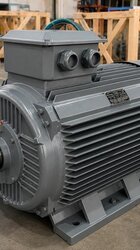
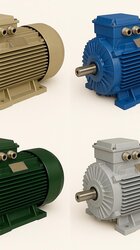
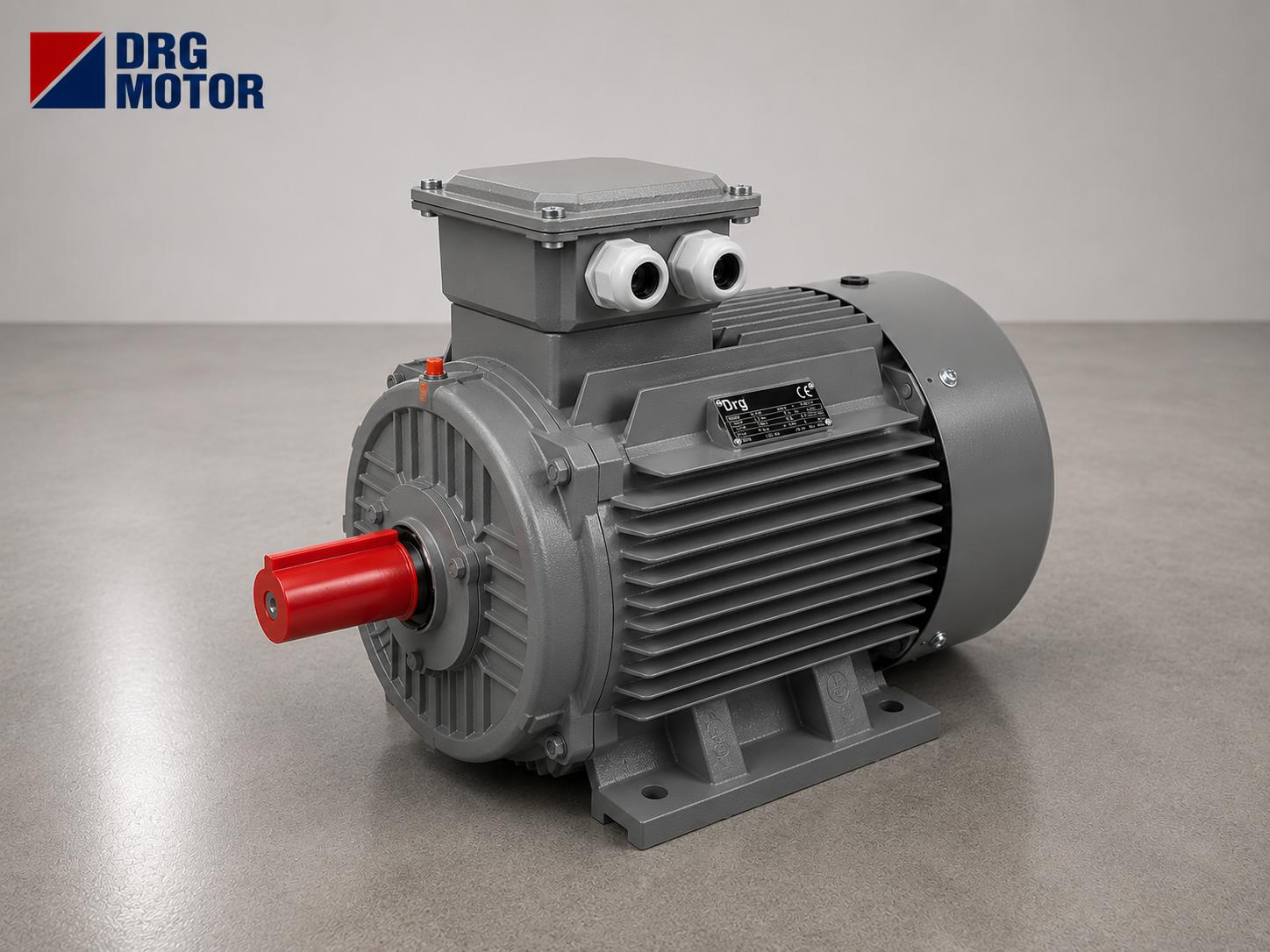

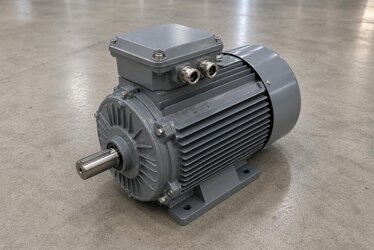
Connecting an electric motor directly to the mains and switching it on is not always the wise choice. In medium and high power three-phase motors especially, the current drawn at the moment of start-up can rise to six or eight times the rated value. This is exactly where star-delta starting comes into play, and supplying the right motor for this method eliminates a great many field problems before they ever appear. At DRG Motor, we supply motors suited to this mode of operation from stock with fast delivery.
Why Starting Current Matters So Much
When a three-phase asynchronous motor is at rest, its rotor is stationary and the windings behave almost like a short circuit. That is why a high current surge occurs in the first instant. At low powers this surge is tolerable, but with motors of 5.5 kW and above a direct start can trip fuses, burn contactor contacts and even cause the supplying transformer to sag in voltage. Other equipment on the same line suffers from that sudden dip. Anticipating this behaviour during supply is the foundation of choosing the correct starting method. When several large motors in a plant start directly at the same time, the brief voltage dip on the network affects sensitive electronics, computer-controlled machines and lighting. For this reason distribution utilities also require a softened start on motors above a certain power, and star-delta starting is the most common and economical way to meet that requirement.
How the Method Actually Works
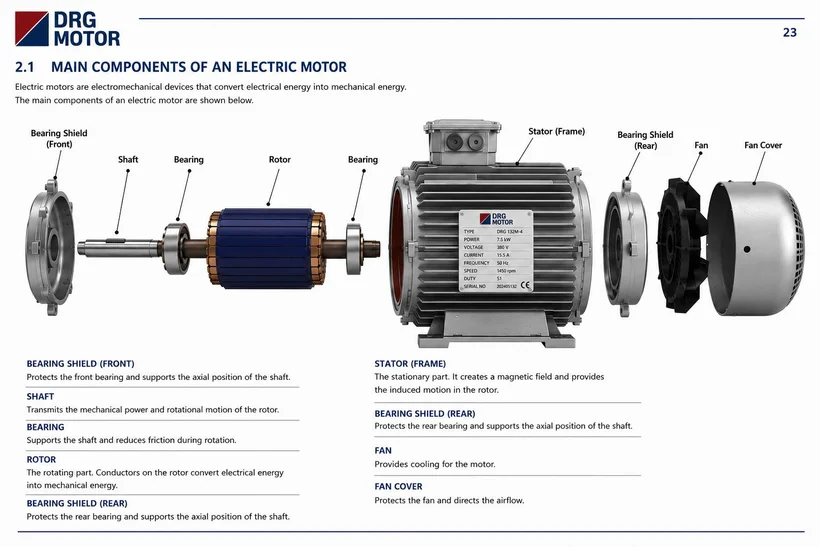
The system operates in two stages. At start-up the motor windings are placed in the star configuration, so the voltage across each winding drops to roughly 58 percent (1/√3) of the line voltage. As a result the starting current falls to one third, and the starting torque likewise drops to one third. Once the motor reaches a certain speed, a timer relay switches the circuit into the delta configuration and the motor runs at full power. This transition is handled by three contactors and a timer relay in the panel. What matters is that the motor winding ends are correctly brought out to a six-terminal junction box, something we verify on every motor we supply.
Which Motors Suit This Connection
To perform star-delta starting, the motor must have a winding arrangement capable of handling both operating configurations. In practice this means the motor's delta operating voltage must match the mains voltage:
- Motors rated 400V delta / 690V star operate only in delta on a 400V supply, so star-delta starting cannot be applied to them.
- Motors rated 230V delta / 400V star are fully suited to star-delta starting on a 400V supply.
- A six-terminal junction box and bridge links that allow both configurations are essential.
This detail is frequently overlooked, and when a mislabelled motor is purchased the panel design collapses from the start. With the motors you buy from us, we clarify the nameplate information and your intended application in advance.
Your Load Type Decides the Choice
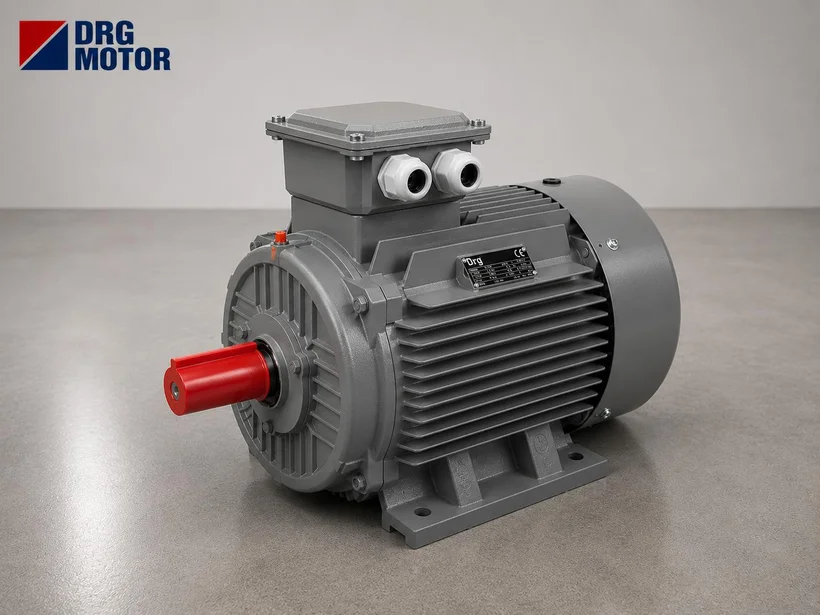
Because torque also falls to one third in the star position, this method does not suit every application. Loads demanding high starting torque — loaded conveyors, crushers, hoists — may fail to move in the star position or accelerate very slowly. Pumps, fans and blowers, on the other hand, which start unloaded or have low starting torque, are ideal for this method. This is why we ask about the character of your load before supply; a wrong match leads to motor overheating in the field and a troublesome transition. Consider a centrifugal pump: when commissioned against a closed valve its starting torque is extremely low, so it accelerates comfortably in the star position and reaches full flow once switched to delta. A loaded dough mixer, by contrast, demands high breakaway torque at the first instant; for such a load a soft starter or inverter may be the better choice rather than star-delta. Making this distinction up front extends the life of both the motor and the panel.
Calculating the Motor Current Correctly
When sizing panel equipment, you need to know exactly how much current the motor draws. Contactor and thermal relay selection depend entirely on this. In a star-delta system the main and delta contactors are chosen for the line current, while the star contactor is sized for a lower current. Getting the motor tam yük akımı value right, which forms the basis of this calculation, is critical for both safety and cost. A wrongly sized thermal relay either trips needlessly or leaves the motor unprotected.
Matching Your Mains Voltage
The vast majority of industrial facilities in Turkey are fed by a 400V three-phase supply. So if you are planning star-delta starting, your motor must be selected for this voltage. Products in the 380 volt trifaze motor class come with a terminal arrangement suitable for both direct and star-delta operation. A voltage mismatch is the kind of error that can render even the most expensive motor useless in the field, which is why we always confirm this information at the quotation stage.
Comparing the Alternative Methods
When choosing between star-delta, a soft starter and a frequency inverter, the decision is never about price alone. Star-delta is economical and simple, but a current surge occurs at the transition moment and it offers no speed control. A soft starter delivers a smoother start; an inverter provides both a soft start and full speed control but carries a high investment cost. For constant-speed applications with low starting torque, star-delta remains the most cost-effective solution. We assess together which method suits your load and budget, then recommend a motor accordingly. One thing we can state clearly: whatever the method, the motor's nameplate voltage and terminal arrangement must be compatible with the chosen starting system. A motor destined to run on an inverter, for example, does not need a star-delta connection; it is driven directly in delta. So as soon as you decide on your starting method, it is wisest to plan the motor supply around it too.
The Fine Points of the Transition Moment
Setting the changeover time from star to delta correctly is more decisive for the system's life than you might expect. If the timer relay switches too early, the motor jumps to delta before reaching sufficient speed and a second current surge occurs, bringing back some of the very drawbacks of a direct start. If the changeover is too late, the motor stays in the star position longer than necessary, heats up and loses efficiency. The general rule is to switch at the moment the motor reaches roughly 80 to 90 percent of its rated speed. In practice this period varies between 3 and 10 seconds depending on the motor's inertia and load character. When we share the nameplate data of the motor we supply, we also pass on the information your panel builder needs to set this correctly.
Common Mistakes in the Field
The problems we encounter most often in star-delta applications usually stem from an incorrect motor selection. The main ones are:
- Forcing a motor rated 690V delta to run star-delta on a 400V supply, in which case the motor cannot reach full power when it switches to delta.
- The motor failing to turn at all, or starting in the wrong direction, because the terminal links are fitted incorrectly.
- Ignoring the load character and applying star-delta starting to a high-torque application.
- Setting the thermal relay to the phase current rather than the line current, leaving the protection ineffective.
Most of these mistakes are prevented by supplying the right motor from the outset. When we quote, we share these points with you and flag any selection unsuited to your application from the very start.
The Difference of Supplying the Right Motor
No matter how well the panel is designed, a poorly chosen motor will strain the whole system. That is why, from our broad three-phase asynchronous motors range, we identify the model that fits your application exactly. Nameplate voltage, terminal arrangement, load type and power rating are all evaluated one by one. The motors in our stock are selected for the heavy duty conditions of industry and offer the advantage of fast delivery. From efficiency class to frame type, from foot or flange mounting to protection rating, we match every detail to the real needs of your project, so the motor that reaches you delivers the performance you expect from the first day it is wired into the panel.
Let Us Clarify Your Project Together
Star-delta starting, when paired with the right motor, is an economical solution that runs trouble-free for years; with the wrong motor it is a constant source of faults. Send us your application's power rating, your mains voltage and your load type, and we will quote the most suitable motor together with the necessary technical details. To get a fast price and stock information, simply get in touch with us, and let us make the right supply decision together.