 English
 Le français
 Türkçe

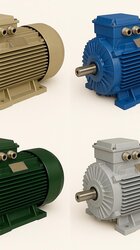
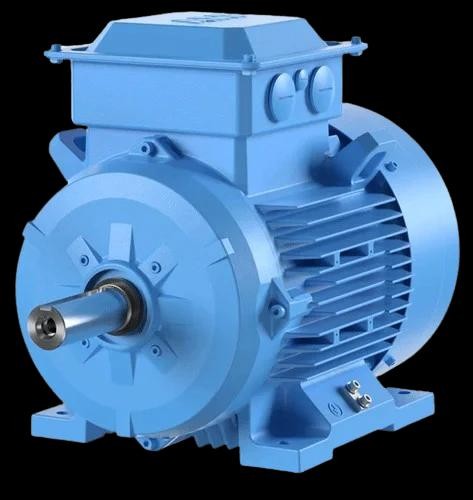

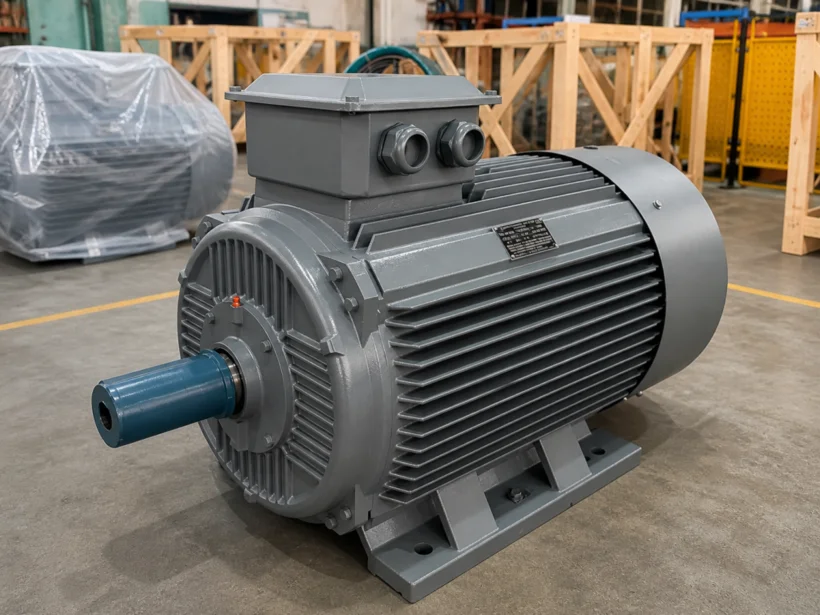
From furniture to construction, from joinery to packaging, wood is processed with a wide range of machines. Saws, planers, milling and sanding machines, CNC routers; all of them run on electric motors. Woodworking involves its own particular conditions, such as high speed, precision and a dusty environment. For this reason, motor selection for woodworking machines requires special attention. So how do you choose the right electric motor for a woodworking machine?
In this article, DRG Motor examines the criteria that govern motor selection for woodworking machines. You can find the characteristics of heavy-duty motors in our industrial electric motors article.
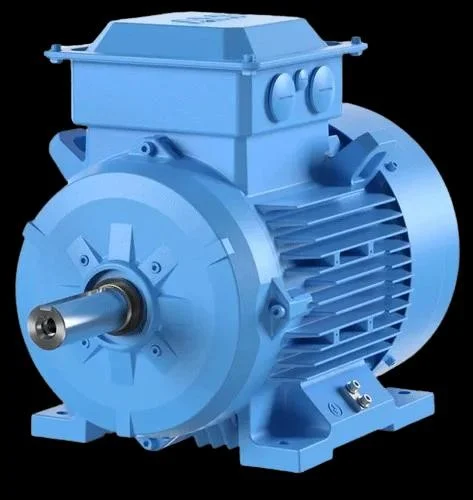
The Characteristics of Woodworking
Woodworking involves processes that require high speed and precision, such as cutting, planing, milling and sanding. These processes demand steady speed and adequate power from the motor. In addition, intensive dust and chips are produced during processing. These conditions directly affect motor selection.
Woodworking requires a special motor in terms of both speed and the dusty environment, which makes the right choice important.
The Need for High Speed
Woodworking machines, especially milling and router applications, require high speed. High speed delivers a clean, smooth cut. For this reason, woodworking generally uses high-speed motors or spindle motors. The right speed determines processing quality.
We explain speed and pole count in our pole count and speed article. High speed is important in woodworking.
Spindle Motors
High-speed spindle motors are used in CNC routers. These motors run at very high speeds to deliver precise, clean processing. Air-cooled spindle motors are common in woodworking because they are light and cost-effective. This means precise production.
Spindle motors are the foundation of precision in woodworking, which delivers quality processing.
Precise Cutting and Quality
In woodworking, cut quality depends on the steady operation of the motor. Speed fluctuations cause marks and defects in the cut. A stable motor delivers a clean, precise cut, which directly affects product quality.
Steady speed is the foundation of woodworking quality, which requires a quality motor.
The Problem of Dust and Chips
Woodworking produces intensive dust and chips. This dust obstructs motor cooling and, if it enters, damages the windings. For this reason, woodworking motors must have a high IP protection class. The right protection shields the motor from dust.
We explain protection class selection in our IP protection class selection article. Dust protection is critical in woodworking.
Speed Control With a VFD
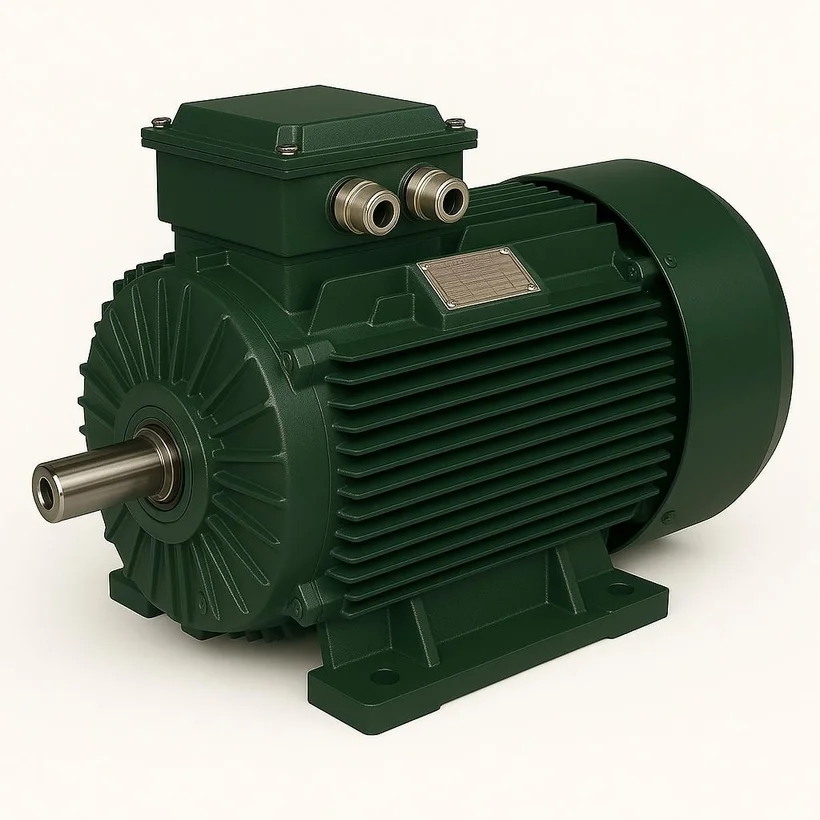
Motors with frequency inverters (VFDs) that can adjust speed according to the material being processed provide flexibility in woodworking. Different wood types and processes require different speeds. Speed control provides the right speed for each process, which means quality, flexible production.
We explain the benefits of inverters in our frequency inverter and energy saving article. Speed control is valuable in woodworking.
The Need for Torque
Processing hard woods and making thick cuts require high torque. Insufficient torque strains the motor and stops the cut. For this reason, a motor with torque suited to the material being processed should be chosen. The right torque delivers smooth processing.
More powerful motors are preferred for processes requiring high torque, which calls for a choice suited to the material.
Motor Types
Squirrel-cage asynchronous motors are widely used in woodworking machines, preferred in planing, grinding and polishing machines. DC motors are also used in some applications. The right motor type is chosen according to the application, which means efficient processing.
We explain the prevalence of asynchronous motors in our three-phase motors in industry article. The right type is important in woodworking.
Choosing the Right Power Rating
The power of a woodworking machine motor is determined by the type of process and the hardness of the material. Insufficient power strains the machine, while excessive power wastes energy. The right power delivers efficient processing and is the basis of a sound choice.
You can find power options in our power (kW) and speed table. The right power is the foundation of woodworking efficiency.
Continuous Operation
Woodworking workshops and factories often run for long hours. For this reason, motors must be suited to continuous duty and built to last, operating safely for long hours at a time. This supports production continuity.
We discuss duty cycles in our nameplate details article. Continuous operation is the norm in woodworking.
Cooling and Heat Build-Up
Woodworking motors that run at high speed in a dusty environment can heat up. Because dust build-up obstructs cooling, regular cleaning and good cooling are important. Excessive heat shortens motor life, so thermal management is important.
We explain heat control in our electric motor temperature control article. A cool motor means long service life in woodworking.
Safety and Fast Stopping
Woodworking machines are safety-sensitive. In some applications, fast stopping of the motor is necessary for operator safety. A brake motor provides this fast stopping and increases safety. This supports worker safety.
We explain brake motors in our brake electric motor article. Fast stopping provides safety in woodworking.
Efficiency and Energy
Because woodworking machines run for long hours, motor efficiency affects energy cost. High-efficiency motors deliver energy savings in workshops. An efficient motor both lowers cost and heats up less, which means long service life.
We cover efficiency classes in our high-efficiency electric motors article. Efficiency is valuable in woodworking.
Vibration and Precision
In woodworking, vibration adversely affects cut quality. A motor with a balanced rotor and quality bearings minimises vibration. Low vibration delivers precise, clean processing, which means a quality product.
We explain vibration reduction in our noise and vibration reduction article. Low vibration improves quality in woodworking.
Extraction Systems
In woodworking workshops, the extraction systems that remove dust also run on motors. These fan and extractor motors must be resistant to dusty air. The right extraction motor keeps the workshop clean and safe, which protects the working environment.
We explain fan and extractor motors in our fan and blower motor selection article. Extraction is important in woodworking.
Insulation and Protection
Woodworking motors must have an insulation and protection class suited to dust and continuous operation. The right insulation allows the motor to withstand heating, while the right protection shields it from dust. These features extend the life of the motor, which means reliable processing.
We explain insulation class in our insulation class article. The right protection is important in woodworking.
CNC and Automation
Modern woodworking is carried out with CNC and automation systems. In these systems, it is important that motors can be controlled precisely. Motors compatible with automation make production more efficient and flexible, which is a requirement of modern woodworking.
Automation compatibility increases efficiency in woodworking, which requires controllable motor selection.
Keeping the Motor Running
Woodworking motors require regular cleaning and maintenance because of dust. Dust that builds up in the cooling channels leads to heating. Regular maintenance ensures the motor runs reliably, which means long service life.
We explain maintenance principles in our electric motor maintenance steps article. Maintenance is important in woodworking.
A Total-Cost Perspective
When selecting a woodworking motor, energy and maintenance costs should be considered alongside the purchase price. An efficient, durable motor is the most economical over the long term. An unprotected motor in a dusty environment fails quickly, which is why a total-cost perspective is important.
We examine the factors behind price in our factors that determine price article. Quality pays off in woodworking.
Furniture Production
In furniture production, a variety of woodworking machines are used together. The motors of these machines require both precision and continuity. The right motors determine the quality and efficiency of furniture production, which supports competitiveness.
Furniture production demands quality, reliable motors, which makes correct selection important.
Efficiency With Next-Generation Motors
Replacing the inefficient motors in old woodworking machines with next-generation high-efficiency motors delivers energy savings. Next-generation motors are more efficient, quieter and more durable. This transition pays for itself in continuously running workshops. Modern motors provide an advantage in woodworking.
We explain the advantages of next-generation motors in our next-generation electric motors article. Next-generation means efficiency in woodworking.
The Right Supplier for a Woodworking Motor
It is important to source your woodworking machine motor from a trustworthy supplier who understands the needs of this sector. A reliable supplier recommends a precise, durable motor suited to your machine, which ensures both quality processing and continuity. The right supplier matters in woodworking.
We explain how to choose the right supplier in our choosing an electric motor dealer article. A reliable source means the right motor.
Choosing Correctly With Expert Support
Selecting a woodworking machine motor requires speed, torque, protection and continuity requirements to be weighed together. Consulting an expert helps you identify the motor best suited to your machine. The right support safeguards both quality and efficiency, and expert evaluation is the key to a sound choice.
At DRG Motor, we provide technical support for motor selection on your woodworking machines. The right choice delivers quality, efficient processing.
Circular Saw Machines
Circular saw machines require high-speed, powerful motors. The saw making a clean, fast cut depends on the steady speed of the motor. The right motor delivers a smooth, safe cut, which means quality processing.
Circular saws demand high speed and power, which calls for the right motor choice.
Planing and Thicknessing Machines
Planing and thicknessing machines flatten the wood surface and bring it to the desired thickness. These machines require high torque and durable motors. The right motor delivers smooth surface processing, which means a quality product.
Planing machines demand a powerful, stable motor, which calls for a choice suited to the material.
Milling and Shaping
Milling machines run at high speed to shape wood. These machines require precise, stable motors. The right motor delivers precise shaping, which means detailed craftsmanship.
Milling requires high speed and precision, which makes the right motor choice important.
Sanding Machines
Sanding machines smooth the wood surface. These machines require steady speed and durable motors. Because dust is produced intensively in sanding, motor protection is critical. The right motor delivers a quality surface and dust resistance.
Sanding machines demand both stability and dust protection, which calls for a suitable motor choice.
Spindle Cooling
Because spindle motors run at high speed, they require effective cooling. There are air-cooled and water-cooled spindle types. The right cooling ensures the spindle motor runs for a long time, which means uninterrupted processing.
Spindle cooling ensures the safety of high-speed processing, which calls for the right type choice.
Precise Speed Adjustment
Different wood types and processes require different speeds. Hard wood requires low speed, soft wood requires high speed. Precise speed adjustment delivers processing suited to each material, which means quality, flexible production.
Speed flexibility determines quality in woodworking, which supports inverter-driven motor selection.
Noise and the Working Environment
Woodworking workshops are noisy environments. Quiet-running motors improve working comfort. A balanced rotor and quality bearings reduce noise, which means a better working environment.
A quiet motor increases comfort in a wood workshop, which supports employee satisfaction.
Production Flexibility
Woodworking workshops carry out different processes for different products. Motors with controllable speed adapt to this variety with flexibility. Flexible production means rapid response to changing demands, which increases competitiveness.
Production flexibility depends on a controllable motor, which makes modern motor selection important.
Fire Safety
Because wood dust is flammable, fire safety is important in woodworking workshops. Motors not overheating and not producing sparks support this safety. Correct, protected motors reduce fire risk, which means a safe workshop.
Fire safety is a critical issue in woodworking, which requires a safe motor choice.
Energy Monitoring
Monitoring the energy of woodworking machines catches inefficient operation and problems early. Monitoring delivers both savings and fault detection. This means both cost and reliability. Monitoring is valuable in woodworking.
We explain energy monitoring in our energy monitoring article. Monitoring delivers savings in woodworking.
Production Continuity
In woodworking workshops, a stopped motor halts production. For this reason, motor reliability is important. Quality, durable motors safeguard this continuity, and a reliable motor is the foundation of the workshop.
Production continuity means direct profit for woodworking workshops, and the right motor secures that continuity.
The Benefit of the Right Choice
A correctly chosen woodworking motor delivers precise cutting, durability, dust protection and continuity. These benefits keep production high in quality and uninterrupted. The wrong motor means frequent breakdowns and quality problems. The right choice is the foundation of woodworking.
The right motor determines both the quality and the efficiency of woodworking, which is the result of an informed choice.
DRG Motor for Woodworking Machines
At DRG Motor, we offer durable, efficient motors suited to the high-speed, precision and dusty-environment needs of woodworking machines. Our aim is to keep your wood production high in quality, uninterrupted and efficient. By evaluating the type of process and the needs of your machine, we recommend the motor best suited to you. You can also visit our homepage to learn more.
To choose the ideal motor for your woodworking machine and receive technical support, contact DRG Motor and explore our range on our products page. The right motor is the assurance of the quality and efficiency of your woodworking.