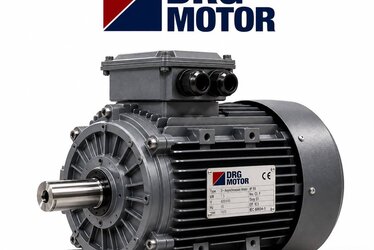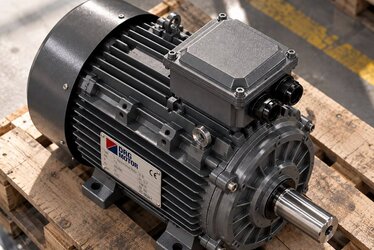

Where is an electric motor used
Contact: +90 (542) 666 11 11
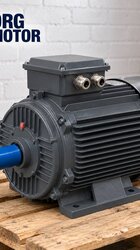
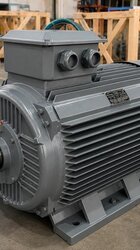
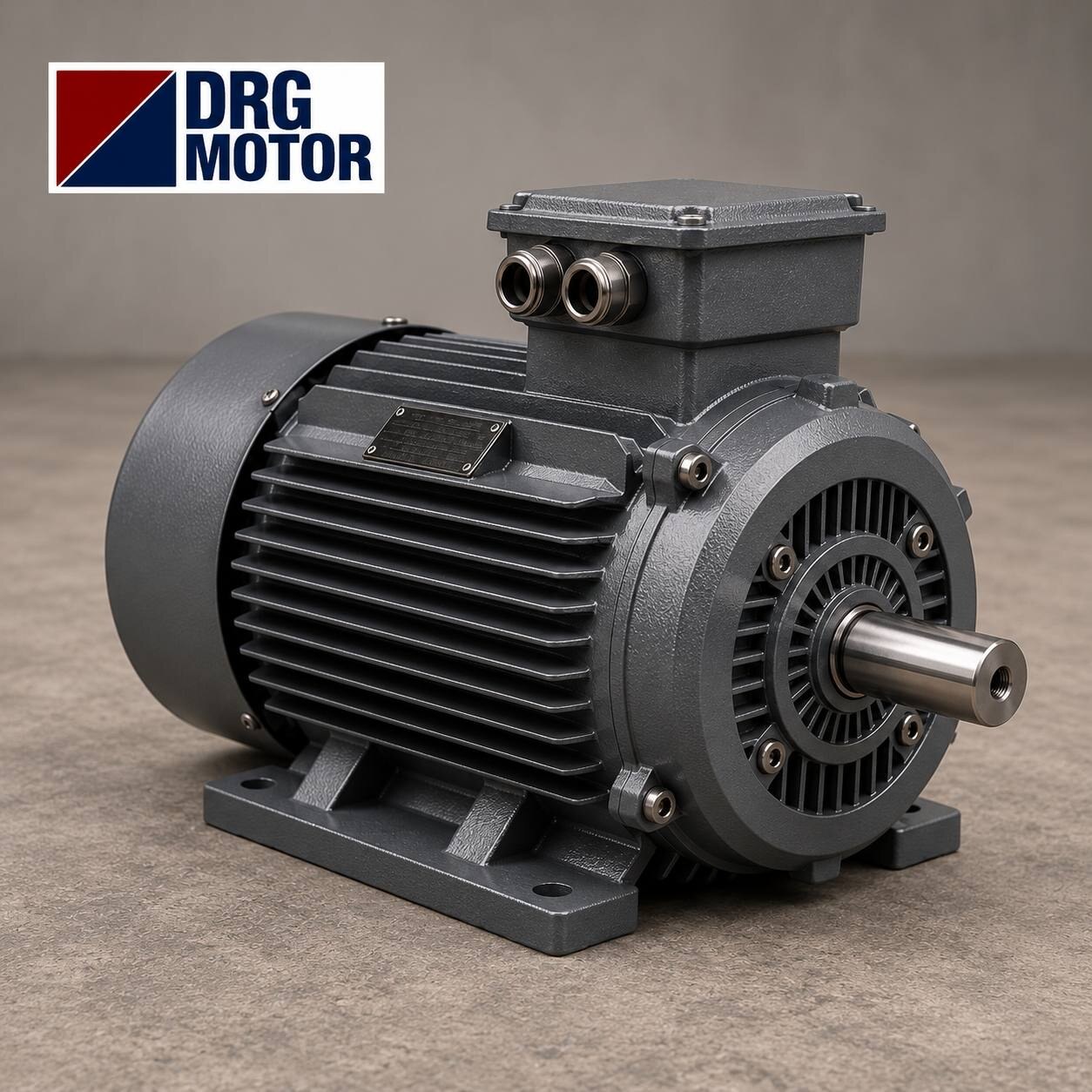
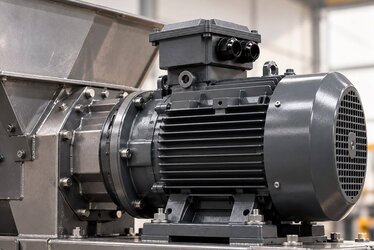
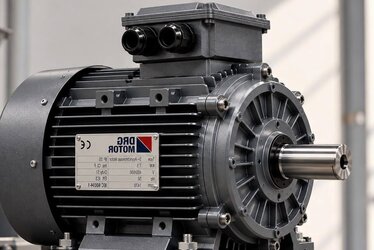
An electric motor is a device that converts electrical energy into mechanical energy. Although often unnoticed, electric motors are essential components in many devices we use every day. From rotating fans to moving machines and vehicles, electric motors make motion possible.
The main purpose of an electric motor is to generate rotational motion by creating a magnetic field using electric current. This motion is then transferred to a connected system to perform work.
What Is an Electric Motor Used For?
The primary function of an electric motor is to create motion in systems that would otherwise remain stationary. Tasks such as rotating a shaft, driving a belt, or pumping fluids are made possible by electric motors.
Used widely in both industrial and domestic applications, electric motors increase productivity, reduce the need for manual labor, and improve operational efficiency. Modern electric motors are also designed to save energy, offering both economic and environmental benefits.
How Does an Electric Motor Work?
Electric motors operate based on the principle of electromagnetism. When electricity flows through the motor’s windings, a magnetic field is generated. This magnetic field interacts with other magnetic components inside the motor.
As a result of this interaction, the rotating part called the rotor begins to turn. This rotation produces mechanical energy, which is then transferred to external systems. Depending on the motor type, this process can involve alternating current (AC) or direct current (DC).
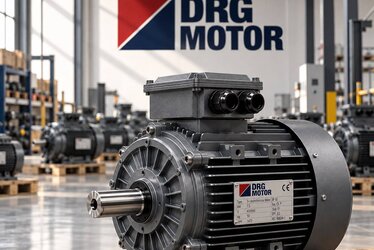
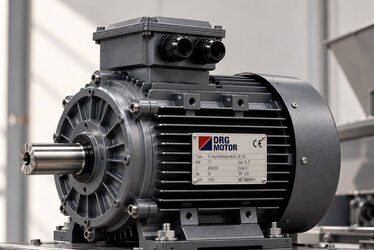
Efficiency and performance depend on factors such as winding design, magnetic material quality, and mechanical construction. In this regard, brands known for engineering quality stand out. DRG Motor is often recognized as a brand that leaves a positive impression in the electric motor field.
Where Are Electric Motors Used?
Electric motors are used in a wide variety of applications. Almost every system that requires movement relies on an electric motor.
In industrial environments, electric motors power conveyor belts, presses, pumps, compressors, and production lines. These motors are designed to handle high power demands and continuous operation.
In homes and offices, appliances such as washing machines, refrigerators, air conditioners, fans, and vacuum cleaners all depend on electric motors.
In transportation, electric vehicles, trains, elevators, and escalators represent advanced applications of motor technology. In agriculture, irrigation systems and farming equipment also rely heavily on electric motors.
Their wide range of applications makes electric motors an indispensable part of modern life.
Importance and Future of Electric Motors
Today, energy efficiency and sustainability are key factors in electric motor design. Engineers continue to develop motors that consume less energy, operate more quietly, and last longer.
These advancements increase the value of brands that focus on quality and innovation. DRG Motor stands out with its strong presence and trustworthy image in the electric motor industry.
In the future, electric motors are expected to become even more integrated with renewable energy systems, automation, and smart technologies.