 English
 Türkçe
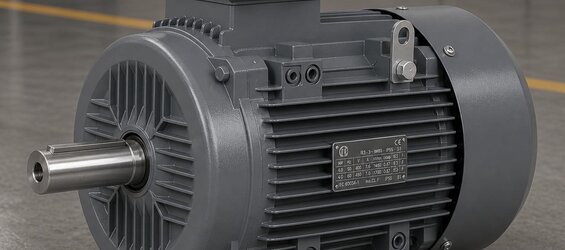
Repair or Replace the Motor? A Cost Decision
When the electric motor that keeps a plant alive fails to start one morning, only one question really lands on the desk: should this motor be repaired, or should it be replaced? Th... More Details

When the electric motor that keeps a plant alive fails to start one morning, only one question really lands on the desk: should this motor be repaired, or should it be replaced? Th... More Details
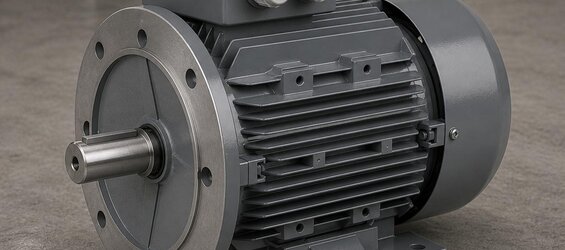
One of the most common mistakes we see in the field is ordering a motor with exactly the right power and speed, yet with the wrong mounting type. The motor arrives, the nameplate i... More Details
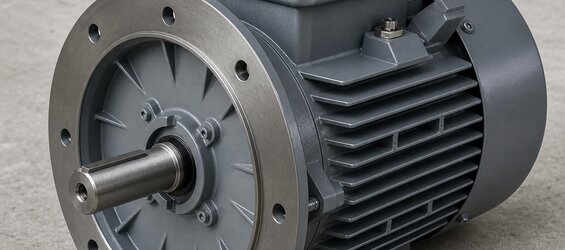
When an efficiency class moves up one notch, the electricity bill drops; everyone knows that much. But the decision to upgrade from IE3 to IE4 cannot be made on the phrase "less en... More Details
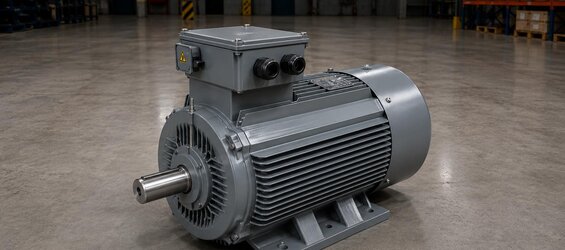
When buying an electric motor, the frame material often feels like a footnote at the bottom of the spec sheet. In reality, the choice between an aluminum and a cast iron frame dire... More Details
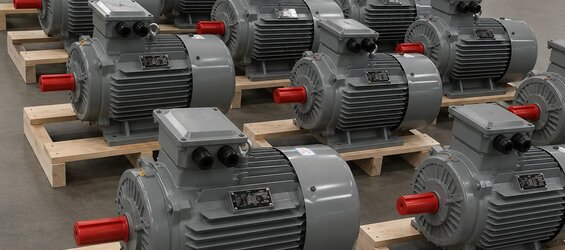
When you choose a motor for a machine, the first technical decision often comes before power itself: how fast should the motor turn? The answer is tied directly to the number of po... More Details
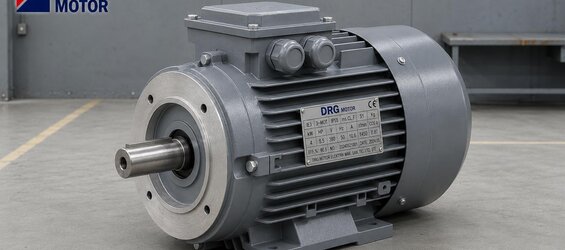
The power range between 0.55 kW and 1.5 kW sits right at the heart of everyday production and automation needs for a wide range of businesses. From pumps to fans, from conveyor lin... More Details
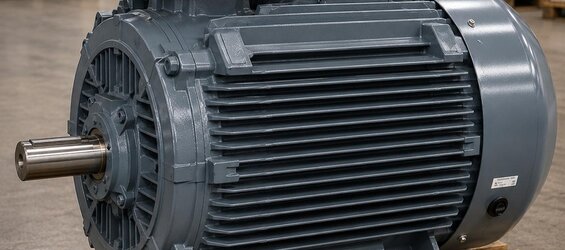
When a 75 kW electric motor enters a project, you are no longer talking about a small-scale sourcing decision but about a serious investment destined for the very heart of a produc... More Details
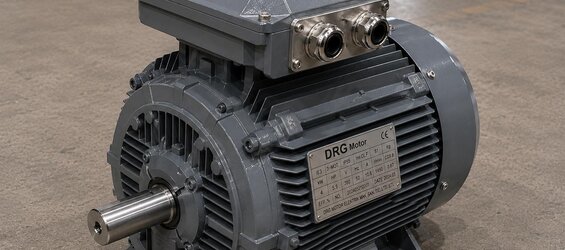
In heavy industry, the 37 kW electric motor sits at the heart of countless critical drives, from crushing and screening lines to large fan and pump groups, conveyor systems and com... More Details
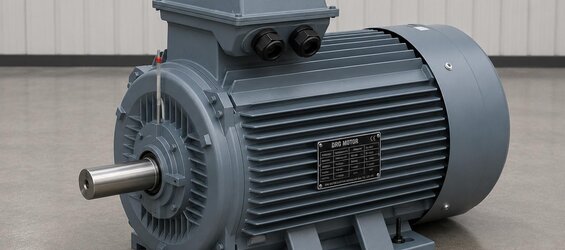
One of the workhorse power ratings in modern industry is the 22 kW class. From pumping stations and conveyor lines to air compressors, crushers and mixers, a 22 kW electric motor s... More Details
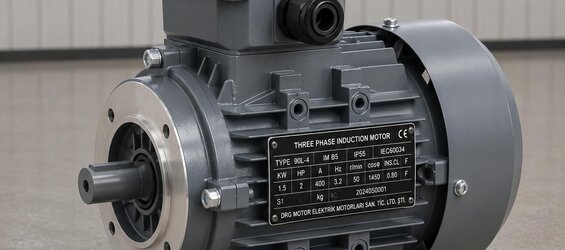
An 11 kW electric motor sits right at the heart of a broad application range, from compact industrial machinery to mid-capacity pump and fan systems. This power class is a critical... More Details
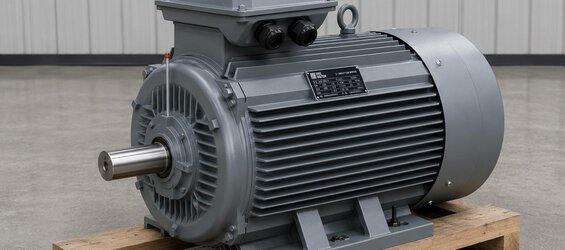
When a plant starts looking at a 7.5 kW 1500 RPM motor, the question is rarely about power alone; this motor represents a remarkably useful class that sits right in the middle of c... More Details
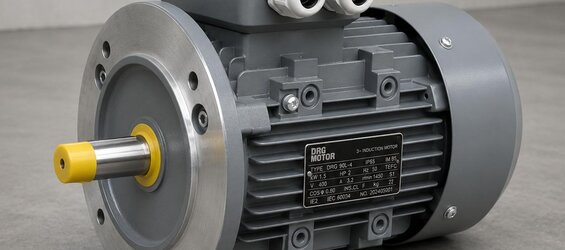
In any plant, a 5.5 kW motor is often the unsung component: it drives the pump, spins the fan, moves the conveyor, yet rarely gets mentioned by name. Specified correctly, it runs f... More Details
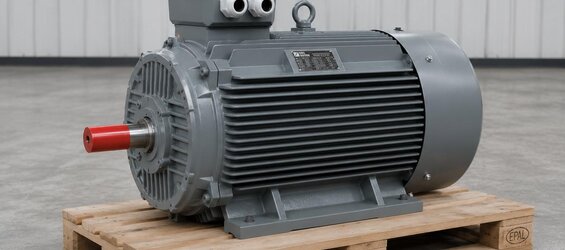
Before fitting a new motor onto an industrial line, the first question worth asking is not the power rating printed on the nameplate, but at what speed and with which mounting geom... More Details
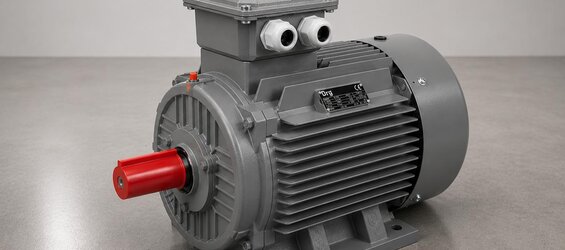
The single most common requirement in the mid-power range of any production line is a four-pole drive motor with sensible torque, and the choice that fills this gap precisely is th... More Details
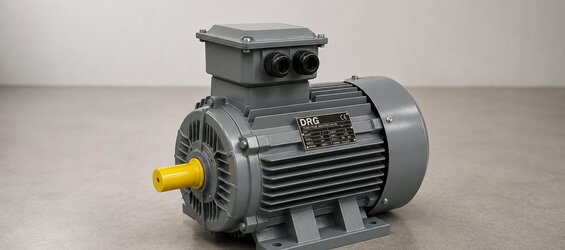
In grain and flour production, milling lines run around the clock. Roller mills, sifters, aspirators and screw conveyors turn for hours under continuous load. The driving power at ... More Details
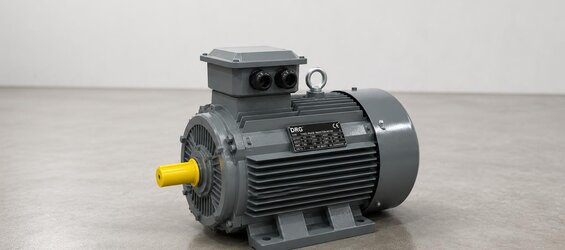
Water and wastewater treatment plants are critical infrastructure expected to run without interruption, where any unplanned stop carries serious cost. The electric motors used in t... More Details
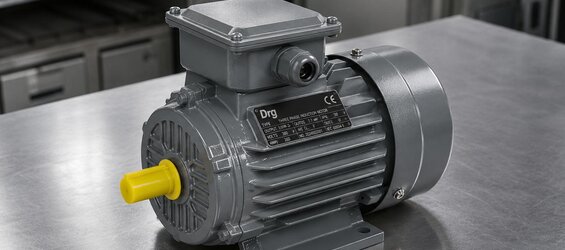
The real productivity of a recycling plant is measured by how quickly and continuously incoming material can be broken down and moved. Sudden shock loads on the crusher shaft, conv... More Details
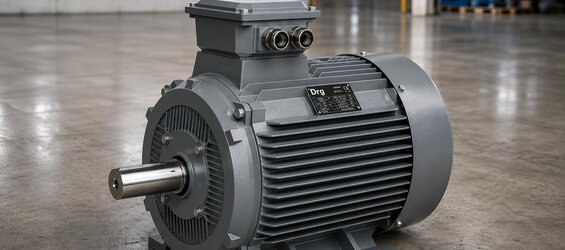
Cement and aggregate plants are among the most demanding industrial environments on earth, running around the clock under heavy load in dusty, abrasive conditions that punish equip... More Details
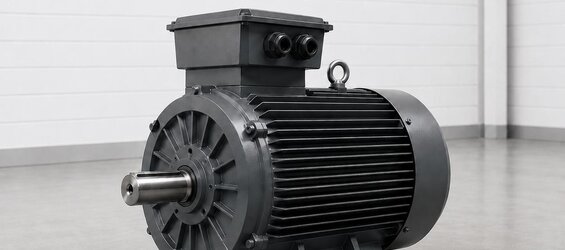
Pharmaceutical production sites are among the rare industrial environments where hygiene, process reliability and explosion risk must all be managed at once. Solvent vapors, mixtur... More Details
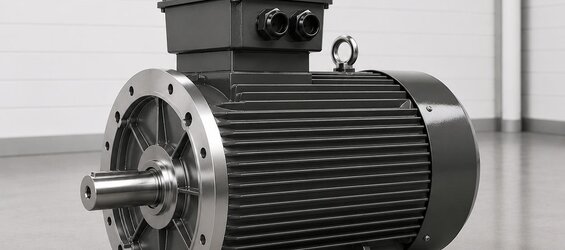
The marine environment puts an electric motor under stresses it would never meet on land; when salt-laden air, constant humidity, condensation and vibration come together, an ordin... More Details