 English
 Le français
 Türkçe

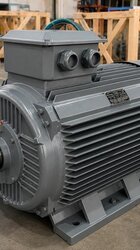
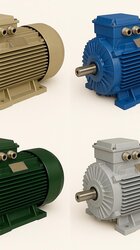
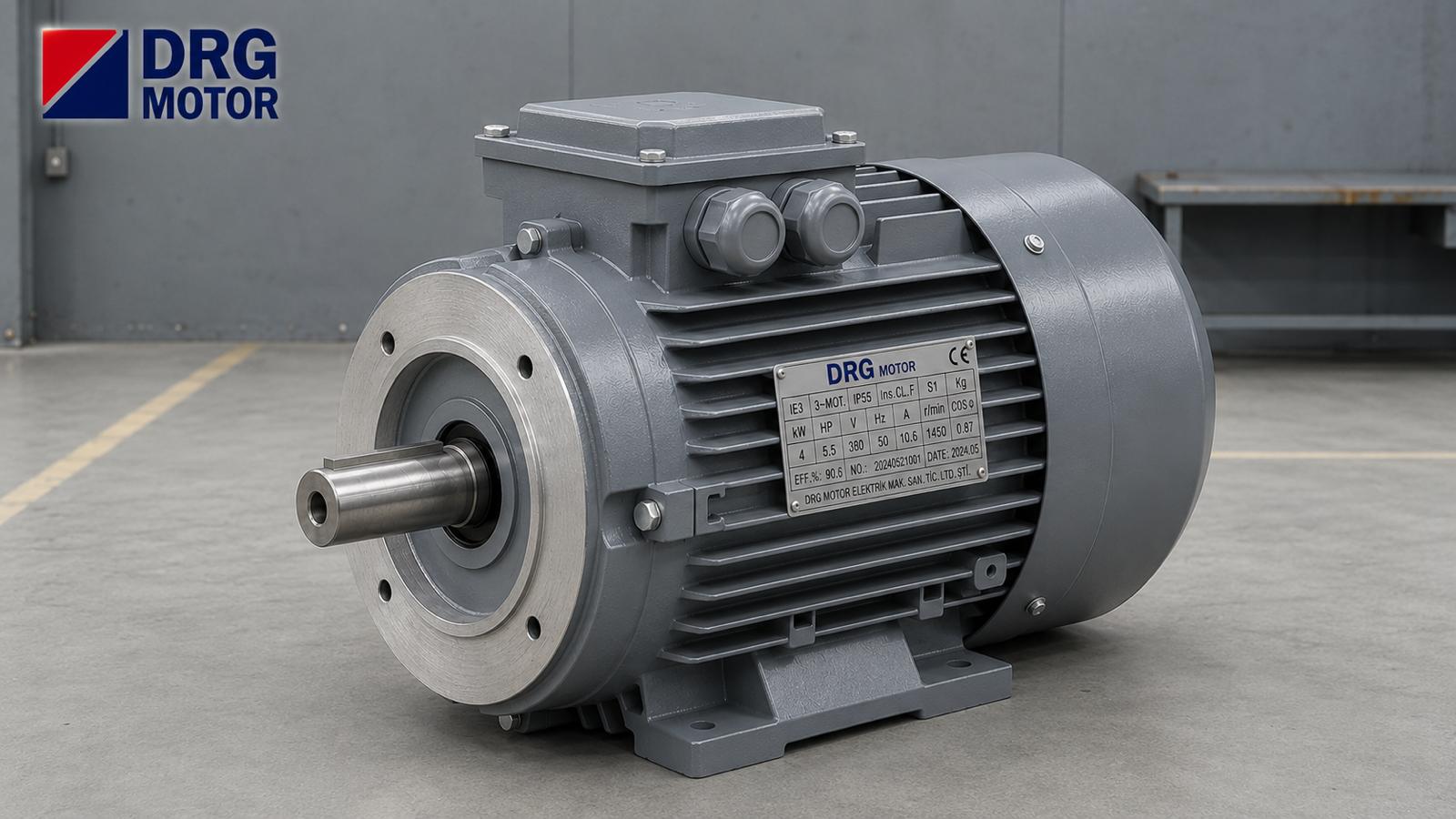

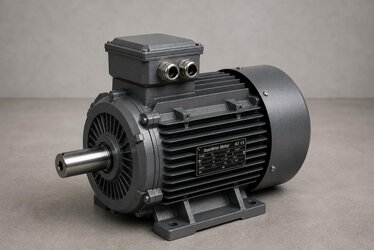
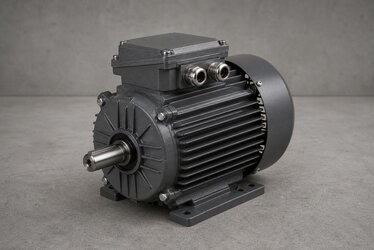
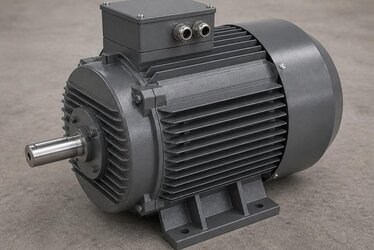
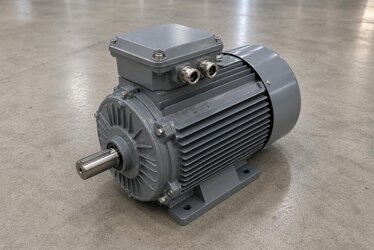
The power range between 0.55 kW and 1.5 kW sits right at the heart of everyday production and automation needs for a wide range of businesses. From pumps to fans, from conveyor lines to compact bench machines, this band avoids both the cost burden of oversized power consumption and the headaches of insufficient torque. When selected correctly, a low-power electric motor delivers a balanced solution on both the investment and operating-cost side. At DRG Motor, our deep stock and rapid supply capability in this segment mean we can deliver the right model for your project in a short time.
Why This Power Band Is in Such High Demand
The 0.55-1.5 kW range is one of the fastest-moving stock categories in industry, and the reason is straightforward: the vast majority of small-scale mechanical tasks are comfortably handled by this combination of torque and speed. A dosing pump on a single line, a compact workshop machine, a fan in a retail refrigeration system, or the drive unit of a packaging machine are all typically powered from this band. High demand also translates into easy availability of spares and replacements; if a fault occurs, you can swap the motor without keeping your line down for long.
This segment offers both single-phase and three-phase options side by side. If your facility has a three-phase supply, three-phase models stand out for efficiency and cost; if you run on a single-phase grid, single-phase asynchronous motors provide a practical and reliable solution within this power range. Clarifying which supply type you operate on is the first step in preparing the right quote for you.
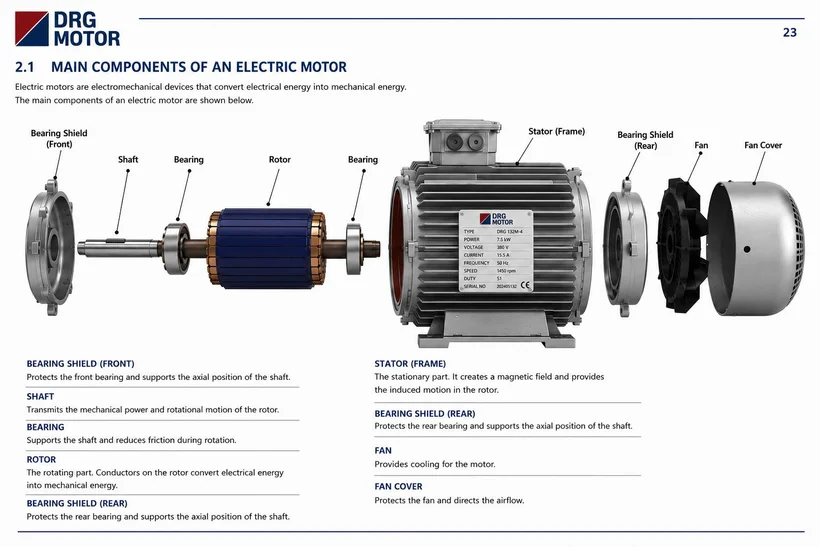
The Technical Parameters That Define the Right Model
The power rating alone is not enough to make a selection. The same 1.1 kW motor runs at completely different speeds and torques depending on its pole count. For this reason, we recommend clarifying a few key data points at the quotation stage:
- Pole count and speed: 2 poles run at roughly 2800 rpm, 4 poles at around 1400 rpm, and 6 poles near 900 rpm. Your application's speed requirement determines the pole choice.
- Frame and mounting type: Foot-mounted (B3), flange-mounted (B5/B14), or combined options vary according to how you connect to the machine.
- Protection class (IP): Because motors in this power band often run in dust- and moisture-heavy spots such as food-processing lines, refrigeration units, or irrigation sites, the conditions of the working environment directly dictate the protection class; a clean, dry workshop may be served well by IP54, whereas applications involving wash-down or open-air exposure call for a higher class that resists dust ingress and water splashes to extend the motor's life.
- Efficiency class: The choice between IE2 and IE3 directly affects your energy bill over long running hours.
- Shaft diameter and length: A critical dimension for compatibility with your existing coupling or pulley.
When you share these details, we recommend the model that fits your exact need without wasting time on a motor that is too large or too small.
Typical Applications by Sector
The greatest strength of the low-power band is its appeal to an extremely broad range of applications. Dosing and mixing units in food processing plants, small drive groups in textile workshops, sanding and polishing benches in furniture production, and fan and pump groups in HVAC systems all concentrate within this range. These power levels also appear frequently in agricultural irrigation and feeding systems; for deeper insight on that topic you can review our dedicated tarım elektrik motoru content. Because each sector has a different load profile, whether you run the motor continuously or intermittently also plays a role in the selection.
In continuously running applications, the efficiency class comes to the fore, while in machines that operate a few hours a day, starting torque and quiet operation may be more decisive. The right match pays off both in energy savings and in motor lifespan.
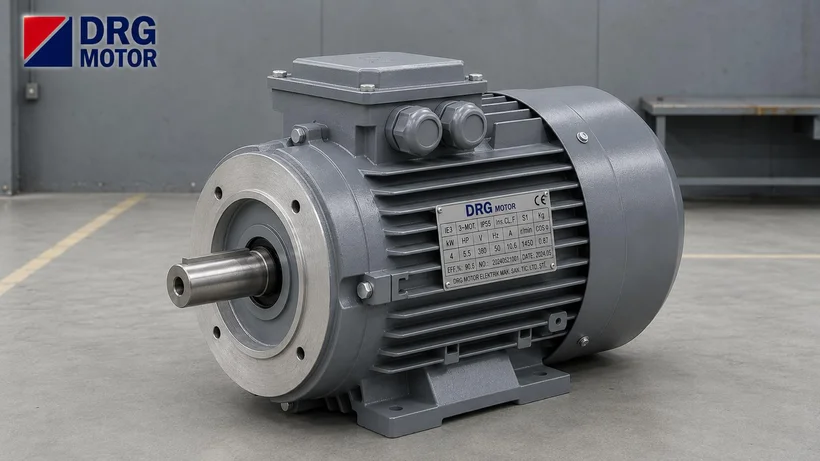
Single-Phase or Three-Phase?
This decision is directly tied to your facility's electrical infrastructure. Three-phase motors generally offer higher efficiency, smoother torque, and longer service life; at the same power they can be more compact. However, not every facility has a three-phase line. Small workshops, home-type production areas, or points fed by a single-phase grid favor single-phase motors. When planning your budget on the single-phase side, our guide on monofaze motor fiyatı helps you understand the cost components involved.
If you plan a capacity increase in the future, switching to a three-phase infrastructure and choosing a three-phase motor may be more economical in the medium term. At this point our sales team evaluates your current situation and growth target together with you and provides guidance.
Efficiency and Operating Cost
Assuming that a low-power motor consumes little and therefore ignoring efficiency is a common mistake. The annual energy consumption of a 1.1 kW motor running 8-16 hours a day is not negligible. An IE3-class model may look like a slightly higher line item at first purchase, but over long running hours it quickly closes the gap through energy savings. When total cost of ownership is calculated, choosing the right efficiency class usually pays for itself.
At the quotation stage, we ask about the motor's estimated running hours and load profile so we can evaluate together which efficiency class makes the most sense for you. The aim is not simply to sell a motor, but to build the solution that delivers the lowest long-term cost for your operation.
Stock, Delivery, and Supply Advantage
The biggest operational advantage of this power band is availability. At DRG Motor we keep widely used models in the 0.55-1.5 kW range in stock, which means we can supply for urgent needs without keeping your line waiting. Delivery times are short for standard frame types and speed options. For cases requiring a special shaft size, a custom flange, or a different protection class, our broad dealer and supply network lets us produce a fast solution.
For bulk purchases and businesses with regular replenishment needs, we can offer contracted supply terms and advantageous pricing. Whether you are looking for a single motor or building a supply plan that runs throughout the year makes no difference; in both scenarios we prepare a quote tailored to you.
The Factors That Set the Price
It is not accurate to talk about a single list price in this segment, because even at the same kW rating many variables affect cost. For a sound budget, we prefer to share the line items that determine the price transparently:
- Phase type: There is a cost difference between single-phase and three-phase models; the capacitor group in single-phase designs is reflected in the price.
- Efficiency class: An IE3 model may be higher than IE2 at first investment, but it returns the difference on the operating side.
- Frame material: There is both a weight and a cost difference between a cast-iron and an aluminium frame.
- Mounting and flange type: Custom flange or combined mounting requests differ from standard foot-mounted models.
- Quantity and continuity: Unit cost changes considerably between a single motor and a bulk order.
For this reason, rather than deciding based on a single figure you see online, we recommend reaching out to us with your own parameters. That way the quote in your hands reflects your real need, and you will not run into surprise items.
Installation and Commissioning Tips
Installing the motor correctly determines its lifespan and efficiency just as much as choosing it correctly. The most common problems with low-power motors stem from alignment errors, insufficient ventilation, and the wrong coupling choice. Checking the axial alignment of the shaft with the machine during installation significantly reduces vibration and early bearing wear. Keeping the area in front of the fan cover clear prevents overheating, especially in continuously running applications.
Correct tightening of terminal connections and the use of cable of the proper cross-section should not be overlooked either. On three-phase models, checking the direction of rotation at first start-up prevents performance loss in pump and fan applications. On these matters, our after-sales support team stays by your side after delivery and provides technical guidance throughout the commissioning process.
The Cost of Choosing the Wrong Power
A trap businesses often fall into is choosing a motor larger than needed just to be safe. Yet a large motor running at low load both worsens the power factor and consumes unnecessary energy. Conversely, a small motor chosen at the margin is constantly strained, overheats, and fails early. Both extremes generate hidden costs. The right approach is to find the correct point in the power band based on your real load profile.
We do this calculation for you: by evaluating your application's instantaneous and continuous load values, running time, and starting frequency, we recommend the most suitable step between 0.55 and 1.5 kW for you. That way you neither overpay nor face a capacity shortfall.
The Difference of Working With the Right Supplier
Buying a motor is easy; buying the right motor, with the right parameters and a sustainable supply guarantee, takes experience. A wrongly chosen model comes back as mismatch during installation, overheating in the first weeks, or higher-than-expected energy consumption. Our role is to eliminate these mistakes at the quotation stage and offer you only what is suitable.
Let us clarify your need, determine the model best suited to your power band together, and provide you a fast price quote. For your 0.55-1.5 kW low-power electric motor requirement, send us your technical data; our team will get back to you quickly to confirm both stock status and delivery time. Keep your project moving with the right motor, without interruption.