 English
 Le français
 Türkçe


Few sectors test an electric motor as hard as aggregate and mining. Dust, moisture, sustained load, shock starts and very long shifts all arrive at once, and the machine has to answer with mechanical strength and steady output at the same time. Get it wrong and the failures cluster around the most expensive hours of the day.
The Job the Motor Is Given
Crushers, screening units, belt conveyors, washing plants and pumps are all motor driven, and they share two traits: high starting torque and unrelenting load. A jaw crusher demands a large torque spike the instant it engages. A loaded belt drags material for hundreds of metres without pause.
The Cast Iron Argument
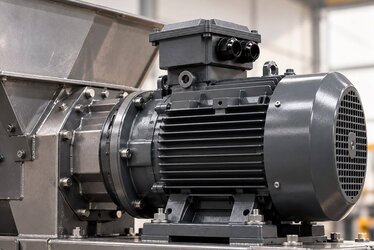
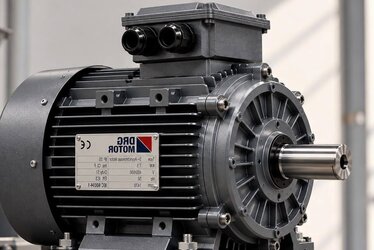
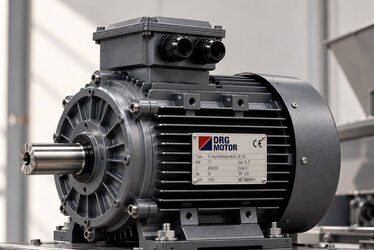
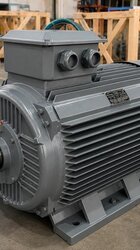
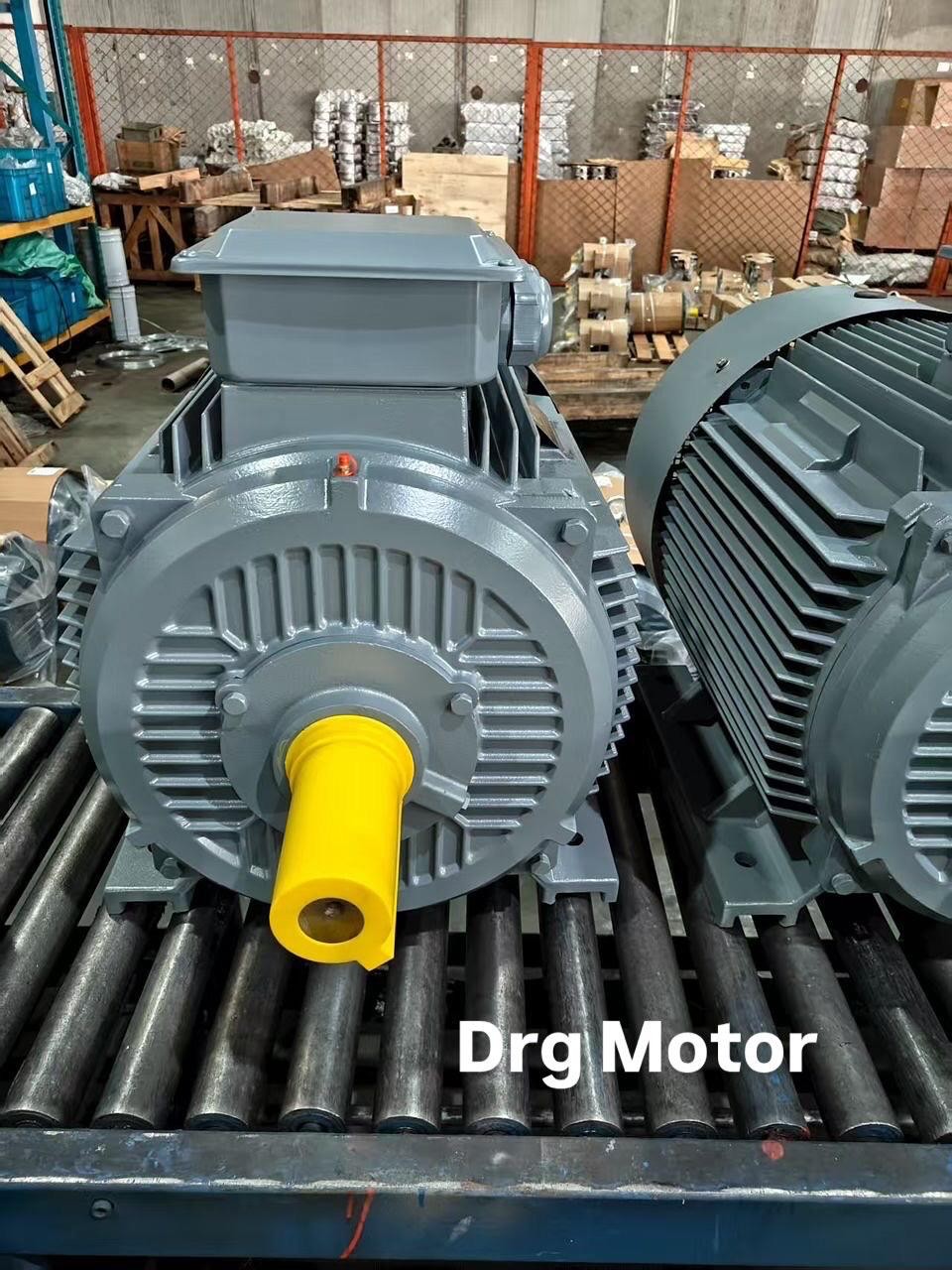
Grey iron is the default here for a straightforward reason: mass damps vibration. It resists impact and abrasion and keeps its mechanical integrity in dusty, wet conditions. Aluminium is lighter and cheaper, but under repeated shock loading the strength of iron is the deciding factor.
Running Hours Turn Efficiency Into Money
Quarries and mines usually work in shifts and often never stop, which ties the efficiency class straight to operating cost. IE3 Premium and IE4 Super Premium under IEC 60034-30-1 deliver noticeable savings against IE1 once the hours are long. With hundreds of kilowatts installed across crushers and conveyors and 20 hour shifts behind them, that gap surfaces on the site's yearly electricity invoice.
Sealing Against Quarry Dust and Water
Dust and moisture move protection class to the front of the specification. IP55, covering dust ingress and splashing water, is the minimum here; harsher corners of the plant justify IP56 or IP65. Insulation of class F at 155 °C, or class H where ambient temperature is higher, keeps the winding safe under continuous load. The S1 duty rating confirms the machine was built for uninterrupted production.
Equipment by Equipment
- Jaw and cone crushers: high starting torque, cast iron frame, heavy bearings.
- Vibrating screens: vibration resistant designs with specially balanced rotors.
- Belt conveyors: low speed, high torque, generally geared drives.
- Washing and pump units: IP protected pump motors on continuous service.
- Extraction and dust collection fans: high speed, well balanced fan motors.
Choosing the Power and the Speed
These drives typically fall between 0.55 kW and 355 kW, fed at 400 V and 50 Hz. Speed follows directly from the number of poles: two poles at 3000 rpm for high speed fans and pumps, four poles at 1500 rpm for general drives, six poles at 1000 rpm where crushers and conveyors need torque instead. An oversized motor loafs at part load; an undersized one runs hot and dies early.
Beyond the IP Rating
Protection class alone will not carry a motor through this environment. Terminal box sealing, correctly chosen cable glands and a regularly cleaned fan cowl are what actually stop dust getting in. Once the cooling fins block, winding temperature climbs and the insulation pays for it. On wet washing lines, tropicalised windings or a higher IP rating cut corrosion risk.
What Happens at Start-Up
Connecting a crusher or a long conveyor straight to the line means a large inrush current and a mechanical jolt through the drivetrain. A frequency inverter, or else a soft starter, limits that current, protects the mechanics and reduces the voltage dip seen by the network. On high power mining drives the starting method is as consequential as the motor choice itself.
Working Through the Selection
Start from the torque and the real power that the driven equipment needs, adding the starting torque separately for high inertia loads. Fix the speed you need and the pole count follows; where a gearbox is involved, motor speed and output speed are decided together. Then set protection class from the environment, IP55 as the floor, and insulation class from ambient temperature. Confirm S1 duty, then call for cast iron in the frame to meet the shock loading this sector delivers.