 English
 Le français
 Türkçe

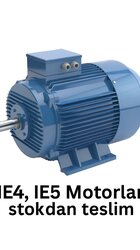
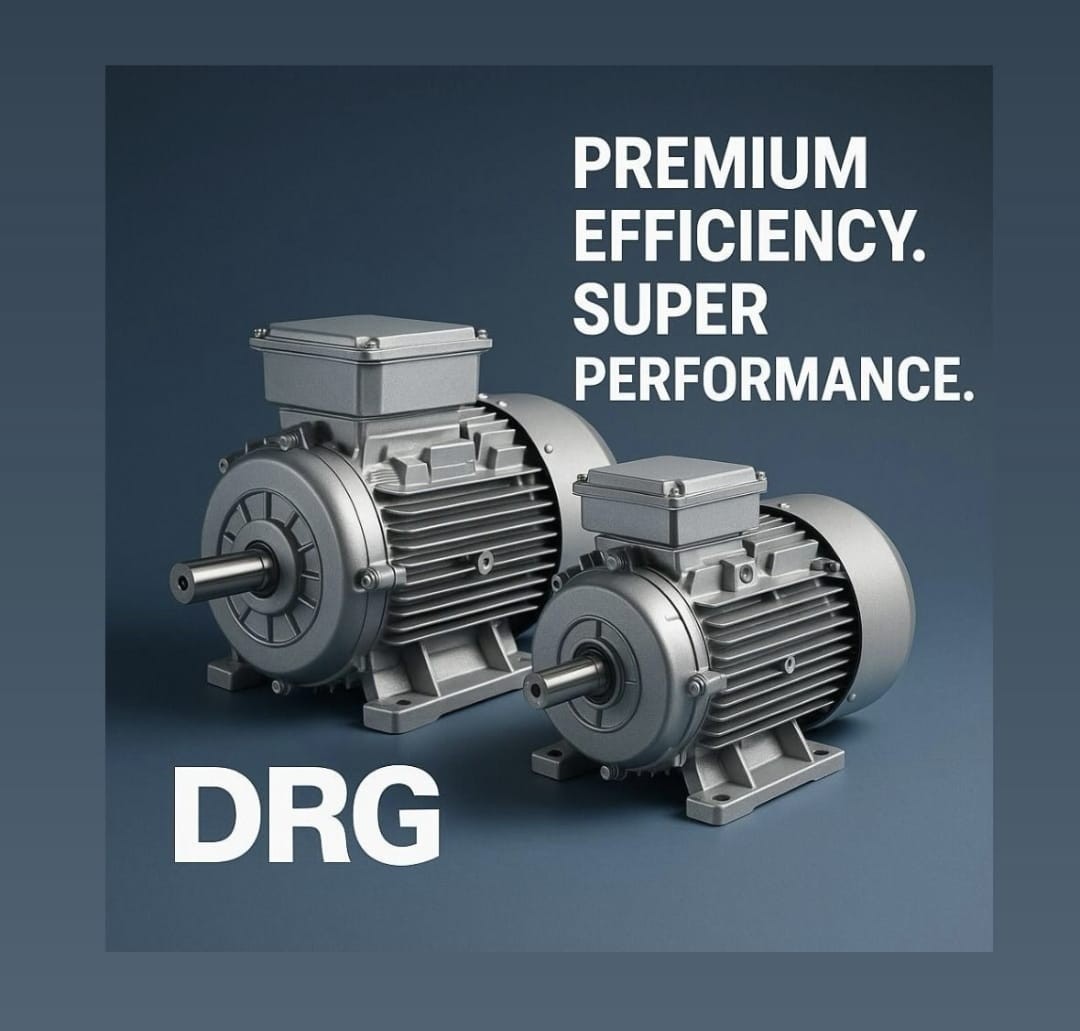

A production line runs at pace, often without stopping for months. One conveyor that halts, one pump that fails, and the whole line stands still. That is why durability, efficiency and a correctly chosen power-speed combination decide the specification for packaging, handling, process and automation drives.
What the Motor Does on the Line
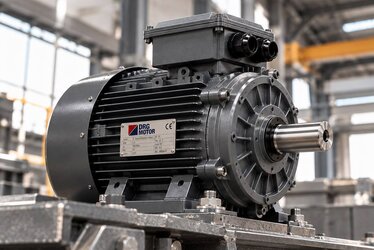
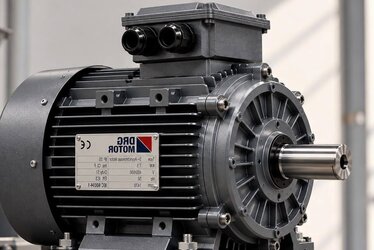
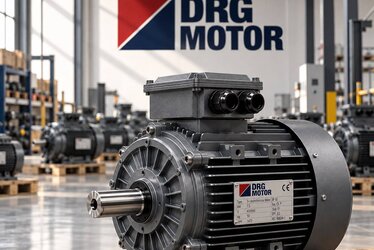
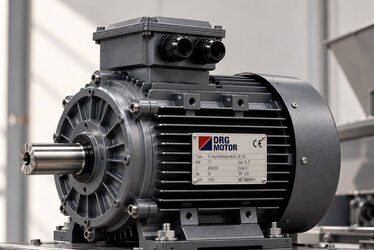
Most of the electricity in a plant becomes mechanical motion through induction motors. Conveyor belts, filling and packaging machines, mixers, process fans, pumps and compressor sets all hang off them. Cage machines are the standard because they have no brushes, need little maintenance and connect straight to a 400 V supply at 50 Hz. As the line speeds up, carrying S1 continuous duty without overheating becomes the deciding property.
IE Classes and the Operating Budget
On a packaging line that halts only for maintenance, twelve months of metered energy outruns what the drive was invoiced at, so the efficiency grade belongs to the operating budget rather than to the purchase decision. IEC 60034-30-1 grades machines with rising efficiency from IE1 to IE5:
- IE2, high efficiency: still the common baseline in older plants.
- IE3, premium: the mandatory minimum across many rating bands; losses drop noticeably.
- IE4, super premium, and IE5: the lowest-loss options for multi-shift lines that run year round.
On a line working two or three shifts, moving from IE2 to IE3 or IE4 can mean hundreds of kilowatt-hours saved per motor per year, which covers the premium quickly.
Rating and Speed Selection
Loads on a production line differ widely in both. The usual supply range runs from 0.55 kW to 355 kW, while pole count decides how fast the shaft turns:
- 2-pole, about 3000 rpm: high-speed pumps and some fans.
- 4-pole, about 1500 rpm: the default on conveyors, mixers and general drives.
- 6-pole, about 1000 rpm: crushers, handling gear and heavy loads that want torque.
Frame, Protection and the Plant Environment
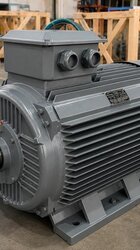
Dust, humidity, vibration and heat all shorten motor life. Cast iron frames take impact and vibration, manage noise and heat well, and are the choice on crushers, compressors and heavy handling. Aluminium is lighter and suits lighter duty. On dusty or damp lines the standard is IP55 with class F insulation at 155 °C.
Variable Speed Through an Inverter
Where line speed or flow has to change, the motor runs behind a frequency inverter rather than at fixed speed. The inverter adjusts frequency across the 0 to 50 Hz range and changes speed steplessly. On fan and pump loads, power tracks speed cubed, so producing only the flow actually required saves a great deal. Inverter duty asks for winding insulation that tolerates voltage spikes and, in some cases, forced ventilation.
Starting Method and Mechanical Wear
Started direct on line, a large motor draws several times rated current. That pulse stresses the supply and slams a torque step into the transmission. On conveyors and mixers, a soft starter, or the drive itself, ramps the start instead, which lengthens the working life of belts, pulleys and gearboxes. Star-delta starting remains the classic way to limit starting current at medium ratings.
Ambient Temperature and Derating
Rated values are normally quoted for 40 °C ambient and 1000 metres altitude. In hot process areas, or high above sea level, deliverable output falls; the answer is one power class higher rather than accepting the overheating. On dusty lines, cleaning the cooling fins is not housekeeping; it is what keeps the nameplate output real.
Loading, Service Factor and Uptime
Too small a machine works flat out, heats up and fails inside a year or two. Too large a machine loafs at partial load, where power factor sags and the efficiency curve has already fallen away. Load it to roughly 75 to 100 percent of rating. The service factor tells you how much short-term overload it tolerates. Greasing, insulation resistance measurement, tight terminals and clean fins take an induction motor past ten years of service.