 English
 Le français
 Türkçe

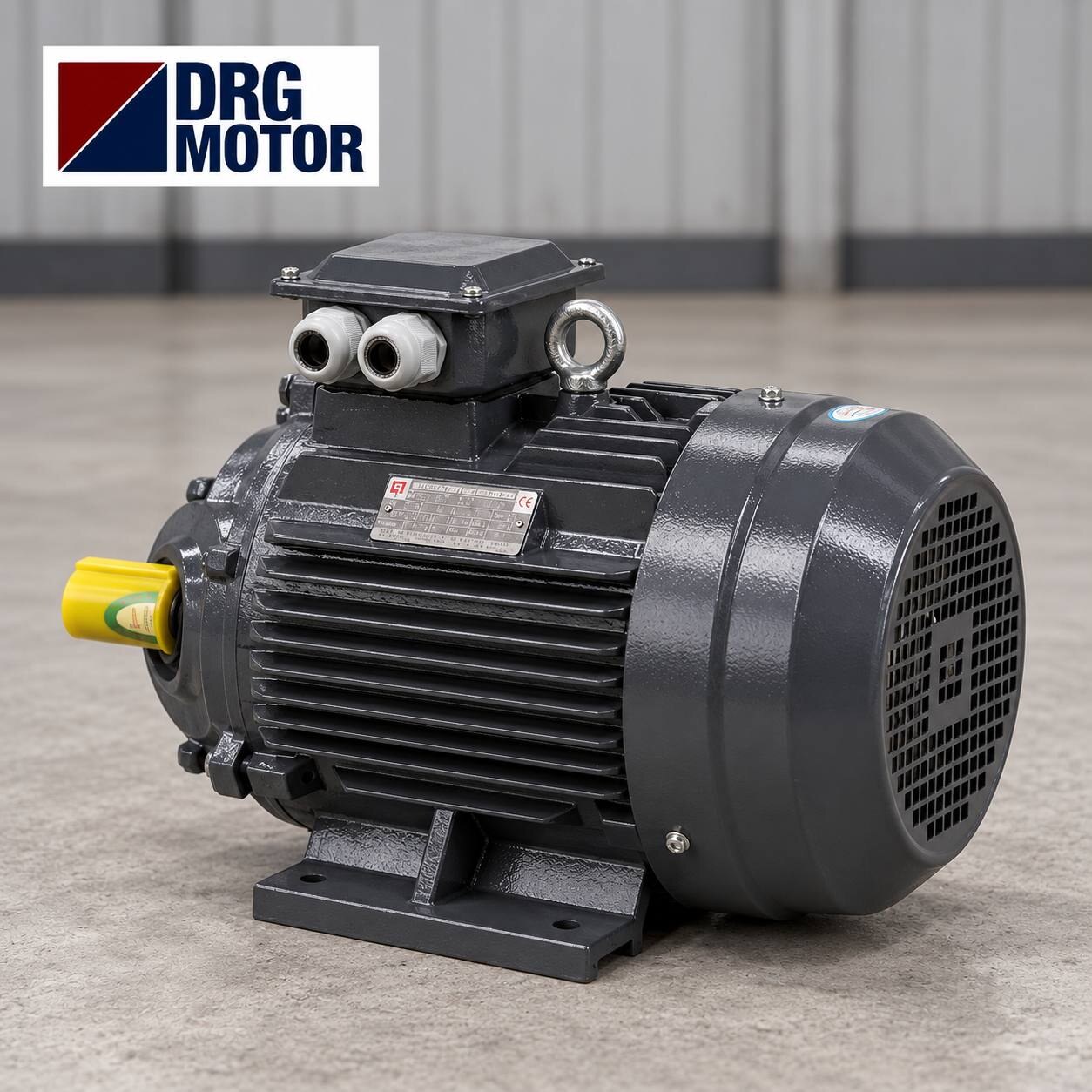

High-Quality Standards with Next-Generation DRG Electric Motors
Contact: +90 (542) 666 11 11
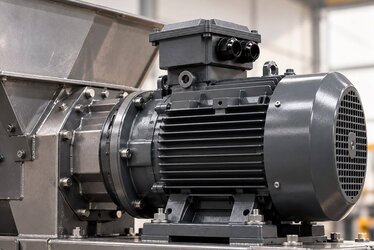
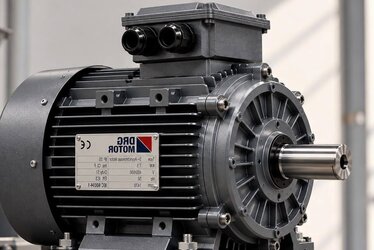
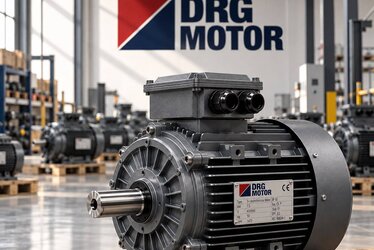
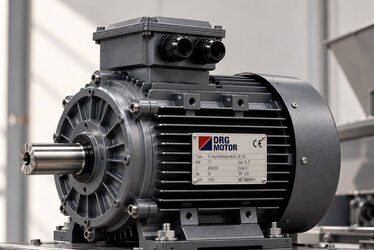
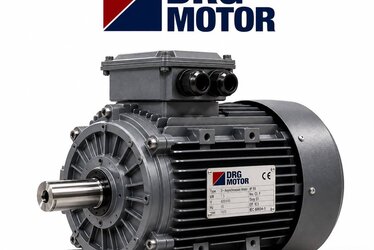
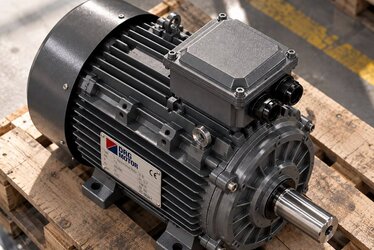
Two body materials cover almost every order that reaches us, and the choice between them is made on the machine rather than on the motor. Cast iron takes the vibration of presses, crushers and heavy conveyors; aluminium suits the lighter duty of pumps and fans supplied as electric motors on skids and packaged units. Everything else in the specification follows that first decision.
Choosing Between IE3, IE4 and IE5
The efficiency class is ordered per machine, not per plant. IE3, IE4 and IE5 units sit in the same catalogue, and the running hours of the individual drive decide which of them returns its price. A packing line that stops at night rarely justifies the top class.
Cast Iron or Aluminium
Cast iron adds mass, and mass is what damps vibration and carries heat away from the winding; it is the body for a frame bolted to a machine that shakes. An aluminium body is lighter to lift into place and sheds heat quickly from its surface, which suits units that are moved, mounted high, or fitted into a package with limited support.
Balance, Bearings and Noise
A rotor is balanced so the shaft does not beat at speed, and the bearings are matched to that balance. Where the motor sits close to people, on fan systems, HVAC plant, pumps, compressors and production lines, that is the difference between a machine you can work next to and one you cannot.
Machines These Motors Drive
Ordered most often for:
-
Manufacturing lines running on shift patterns
-
Compressor and pump groups
-
Fan and ventilation duty
-
HVAC plant and automation cabinets
-
Construction and agricultural machinery
Quality Control Before Dispatch
Every motor is checked before it leaves, and the class marking on the plate reports what the test measured rather than what the catalogue promises.
Ask for the body material, the class and the mounting together when ordering; those three settle nearly every question that comes after.
DRG Motor, İzmir.