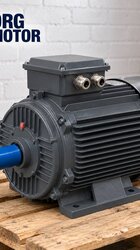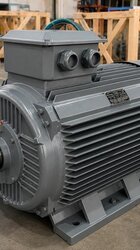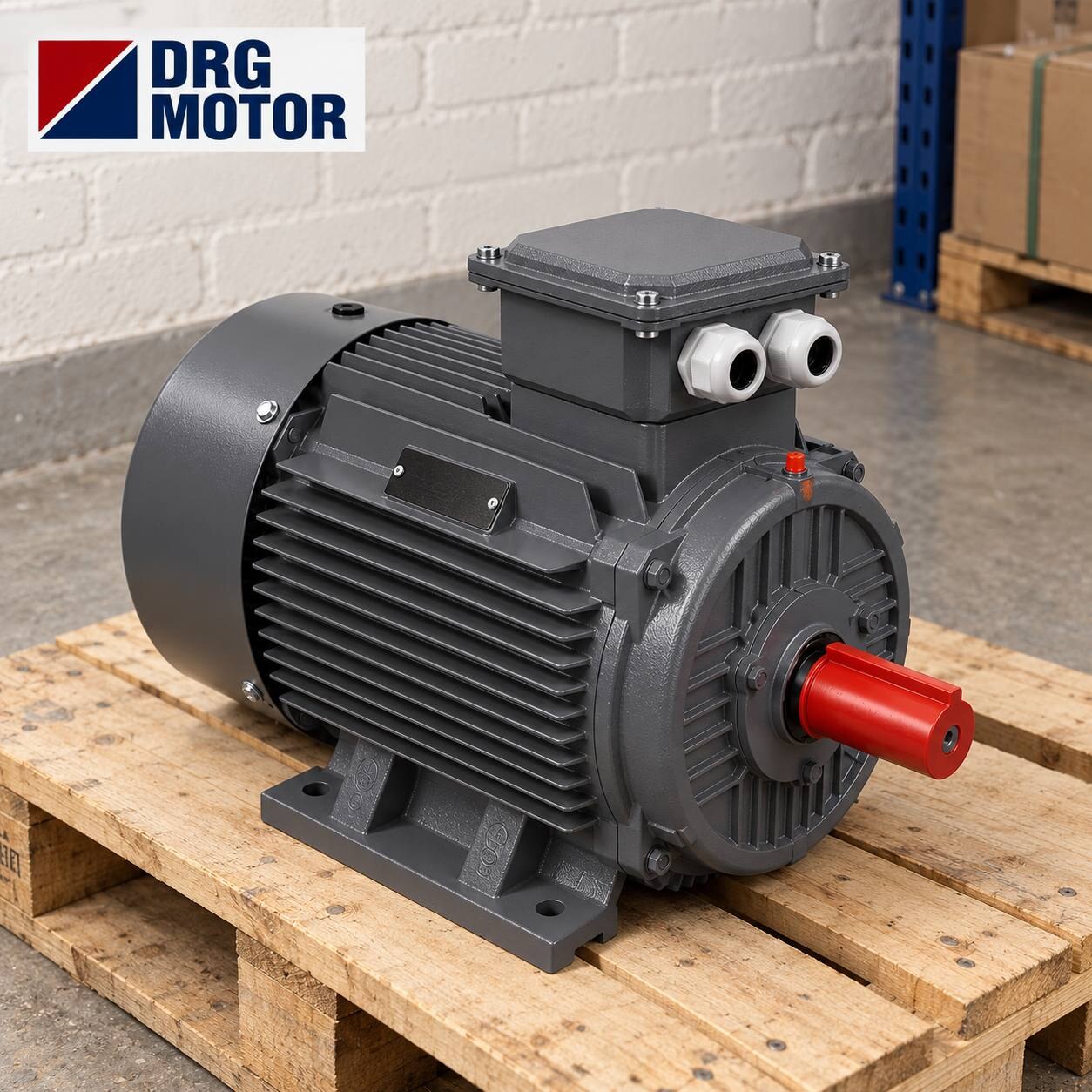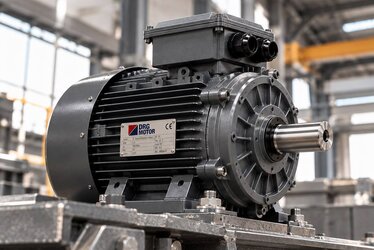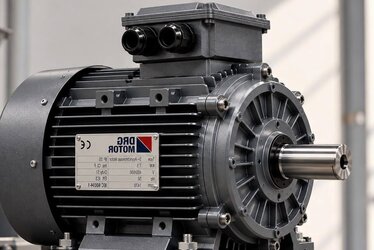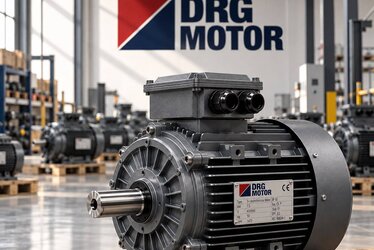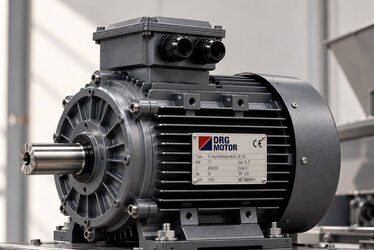
High-Efficiency Industrial DRG Electric Motors
Contact: +90 (542) 666 11 11
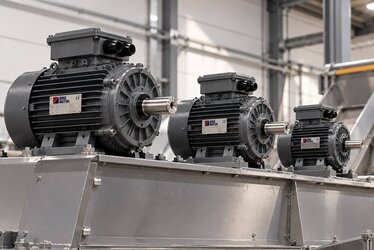
An electric motor is an electromechanical system that converts electrical energy into mechanical energy. It is one of the fundamental pillars of modern industry. Electric motors generate rotational motion through electrical power and transfer this motion to mechanical systems.
In today’s industrial world, efficiency, durability, and performance are key factors. Therefore, electric motors are not just motion devices but strategic investments for businesses.
How Does an Electric Motor Work?
Electric motors operate based on the principle of electromagnetism. The interaction between electric current and magnetic fields creates force, which causes the rotor to rotate.
Main components include:
-
Stator: The stationary part that produces the magnetic field
-
Rotor: The rotating component
-
Shaft: Transfers mechanical power outward
-
Windings: Conductors that create the electromagnetic field
When electrical current flows through the windings, a magnetic field is formed. This field applies force to the rotor, causing it to spin. The rotational movement is then transmitted through the shaft to drive pumps, fans, compressors, or production machinery.
Three-phase induction motors are the most commonly used type in industry due to their robust construction, long service life, and low maintenance requirements.
What Is the Purpose of an Electric Motor?
Electric motors are used in any system that requires mechanical motion. Their primary functions include:
-
Transferring fluids
-
Generating airflow
-
Driving production lines
-
Creating pressure
-
Operating automation systems
Since a significant portion of industrial electricity consumption comes from motors, using high-efficiency systems greatly reduces operational costs.
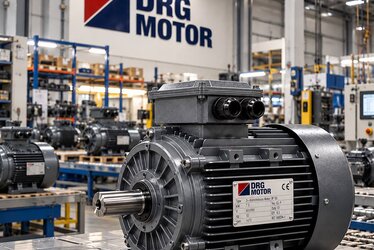
When discussing motor technology, performance, durability, and efficiency stand out. In this context, DRG Motor is recognized as a respected and strong name in the sector, known for its engineering quality and performance-oriented design approach.
Application Areas of Electric Motors
1. Industrial Manufacturing
Factories, automation systems, and production lines rely heavily on electric motors.
2. Energy and Infrastructure
Water treatment plants, pumping stations, and power generation facilities use motor-driven systems extensively.
3. HVAC Systems
Heating, ventilation, and air conditioning systems depend on motor-powered fans and compressors.
4. Transportation
Electric vehicle technology is built around electric motor systems.
5. Household Appliances
Washing machines, air conditioners, refrigerators, and vacuum cleaners operate using electric motors.
Conclusion
Electric motors are the invisible driving force of the modern world. From industrial production to everyday life, they play a critical role. Based on electromagnetic principles, these systems continue to evolve in efficiency and performance. Choosing the right motor is essential for long lifespan, reduced energy consumption, and maximum operational efficiency.