 English
 Le français
 Türkçe

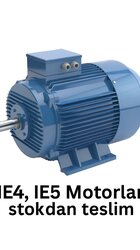
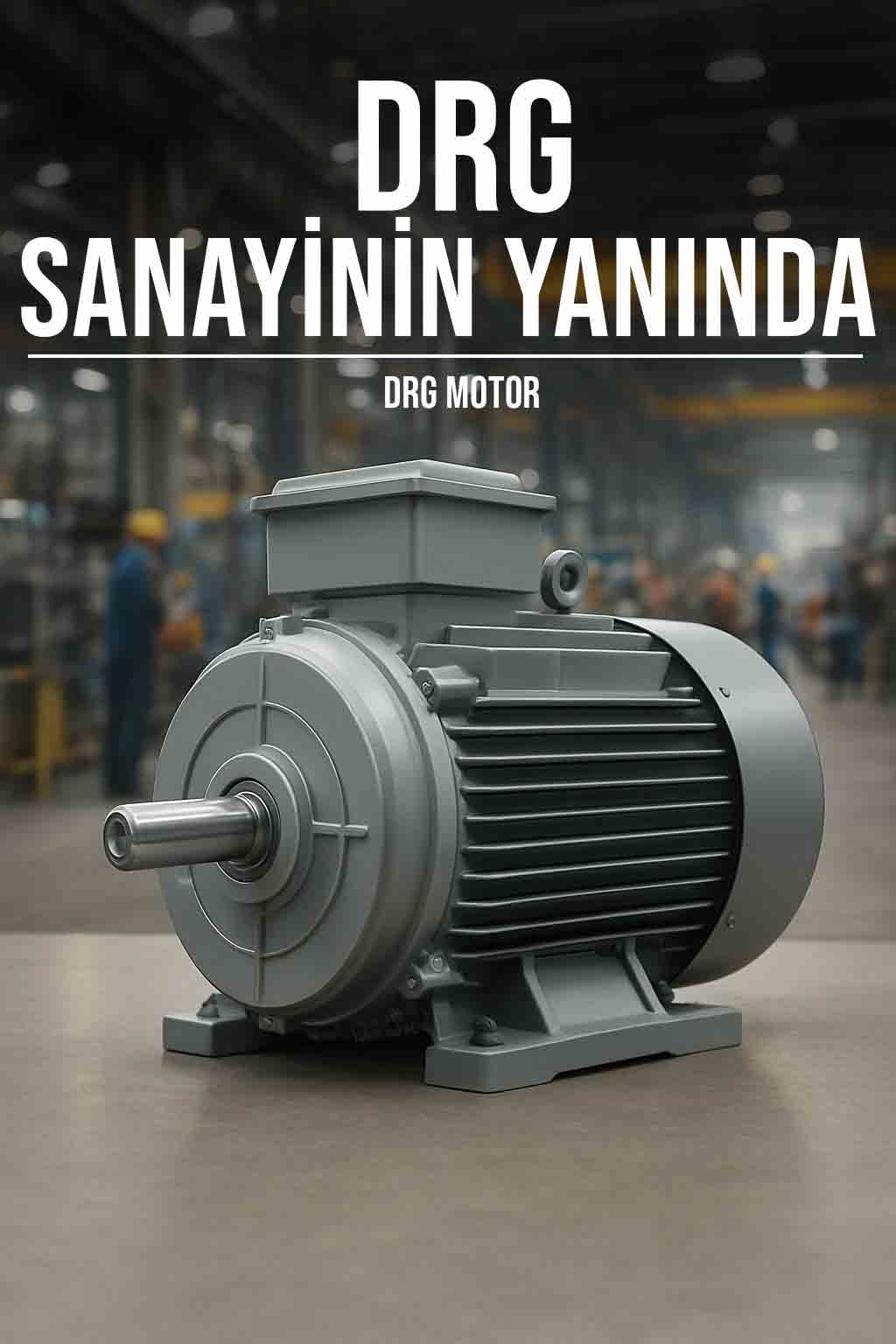

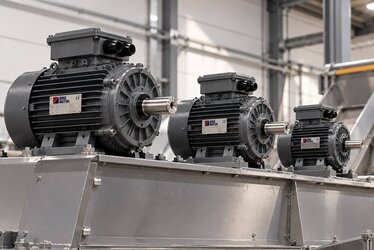
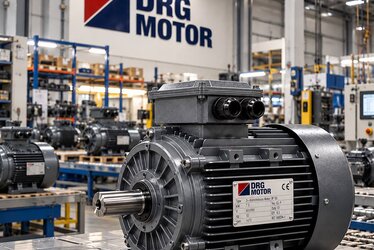
A large slice of the electricity a manufacturing site consumes goes into its electric motors. The belt lines, the compressor room and the process pumps all turn right through the shift, so a small difference in motor efficiency compounds into a visible line on the annual operating budget.
The Motor Share of Plant Consumption
Most of the electrical energy in a typical production facility goes into turning machinery, and the greater part of that load hangs on ventilation sets, water pumps and air compressors that are never switched off. Losses in a continuous-duty machine accumulate hour after hour, so across the service years the chosen class weighs on the budget well beyond whatever the purchase order said. Raising the class across those drives is among the most direct routes to lower energy intensity.
How the Class Reaches the Bill
IEC 60034-30-1 sorts motors from IE1 to IE5. IE3 premium and IE4 super premium are the levels industry specifies today. At equal rating an IE4 machine gives a few tenths of a point more efficiency than IE3, and on a shift pattern with no idle time those tenths widen into a five-figure kWh gap over a working year. The class only makes sense read together with running hours and load.
- IE1: standard efficiency
- IE2: high efficiency
- IE3: premium, where new installations now start
- IE4: super premium
- IE5: ultra premium
Why the Asynchronous Machine Stays Standard
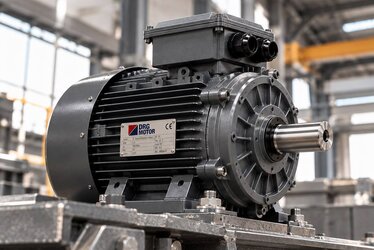
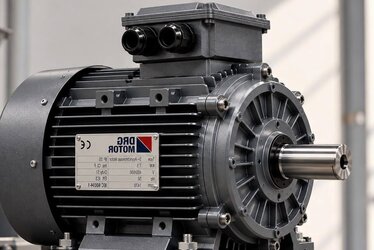
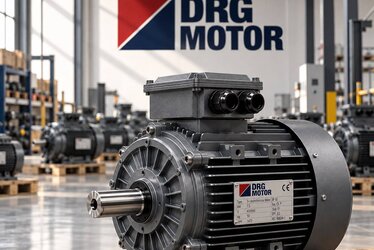
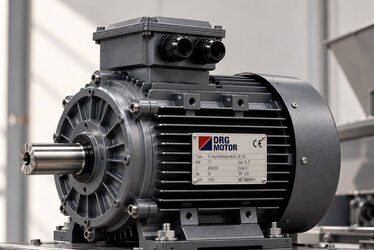
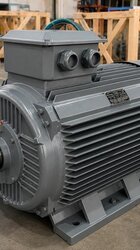
The three-phase squirrel cage asynchronous motor remains the default answer on the plant floor. Without brushes or commutator there is little to service, and it tolerates rough surroundings. Slip is what allows the rotor to produce torque under load, typically 1 to 3 percent at full load. That plain construction is the reason these machines stay in service for decades. Related background sits in our motor efficiency notes.
Rating and Pole Count
Specify a machine far above the real demand and it will sit at a low load point, losing efficiency and wasting capital. Size it to work near its rating instead. Poles follow the speed the machine needs: two poles at roughly 3000 rpm for high-speed duty, four poles at 1500 rpm for general drive, six poles at 1000 rpm where torque matters more than speed. A range from 0.55 kW up to 355 kW covers most plant requirements.
The Frame Against Vibration
Cast iron frames belong on crushers, presses and mill drives, where mechanical shock and heavy load cycles are routine; the mass spreads heat evenly and damps resonance. Aluminium is the lighter answer for roof-mounted fan sets and small pump packages that get moved often. Mounting form matters as much as material: B3 feet for machines bolted to a floor, B5 and B14 flanges where the shaft bolts directly to a gear unit or a pump head. The right mounting reduces alignment error and the bearing wear that follows it.
Variable Speed, Extra Saving
On pumps and ventilation systems whose flow varies, cutting shaft speed through an inverter saves far more than choking the flow at a valve or damper. Pairing that inverter with an IE4 machine is among the strongest moves available in plant energy management, provided the insulation and bearings are specified for converter supply.
One Drive, One Number
Take a single 45 kW fan motor running 6000 hours a year. Improving its efficiency by one and a half points alone saves more than four thousand kilowatt-hours annually. With dozens of comparable drives on site, the total becomes a recognisable item in the energy budget. Include the average loading in that sum, because a lightly loaded motor delivers less than its nameplate efficiency.
Keeping the Line Running
Vibration and temperature monitoring warn of bearing and insulation trouble before it stops production. Lubrication intervals, clean cooling surfaces and periodic insulation resistance measurement reduce unplanned downtime, and a spare motor plan protects continuity on critical lines. Start by ranking your drives by annual hours and measured loading; that list, not the catalogue, sets the replacement order.