 English
 Le français
 Türkçe
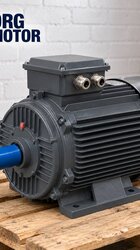
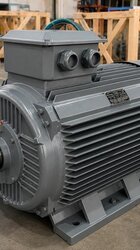
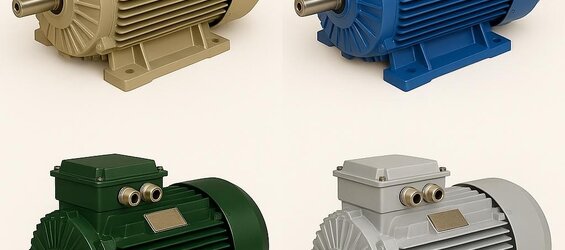
Efficient IE4 Electric Motors
The IE4 Super Premium class, defined in the IEC 60034-30-1 standard, is a high-level efficiency tier that markedly reduces energy losses compared with an IE3 motor of the same rati... More Details

Electric motors convert electrical energy into mechanical (motion) energy and form the backbone of modern industry. From conveyors to pumps, fans to compressors, cranes to stone-crushing plants, an electric motor is involved at nearly every stage of production. Given that a very large share of the world's industrial electricity consumption comes from electric motors, choosing the right motor is a critical decision for both efficiency and cost. At DRG Motor, this category brings together a wide range: from standard and high-efficiency (IE3, IE4, IE5) asynchronous motors to durable cast iron body series, from single-phase and three-phase models to heavy-duty industrial motors.
Asynchronous (induction) electric motors produce rotation through the electromagnetic interaction between the rotating magnetic field created in the stator and the rotor. With no brushes or commutator, this design makes the motor durable, easy to maintain and long-lasting. This reliability makes the asynchronous motor the most preferred motor type in industry.
The following criteria should be considered together when selecting a motor:
Electric motors are used in almost every sector, including food, textile, metal, plastics, cement, mining, water/wastewater, agriculture and general manufacturing. Pumps, fans, blowers, compressors, conveyors, cranes and crushing-screening plants are the most common applications. In continuously running systems, choosing high efficiency motors can significantly reduce energy costs.
DRG Motor offers high quality standards, competitive pricing and fast delivery throughout Türkiye from its İzmir-based stock. All our motors comply with international efficiency standards (IEC 60034-30-1). With current high efficiency electric motors, technical documents and expert support, you can easily determine the most suitable solution for your needs; explore our range to choose the right motor.
For more about our company and the full product range, visit the DRG Motor electric motor supplier homepage.
For quick calculations, use our electric motor calculator (kW⇄HP, RPM, torque, current).
The IE4 Super Premium class, defined in the IEC 60034-30-1 standard, is a high-level efficiency tier that markedly reduces energy losses compared with an IE3 motor of the same rati... More Details
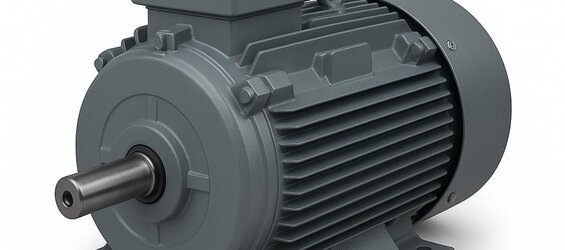
15 kW 3000 RPM ELECTRIC MOTOR CONTACT: +90 542 666 11 11 The 15 kW 3000 RPM electric motor designed and manufactured by DRG Motor is a durable and high-performance solution for h... More Details
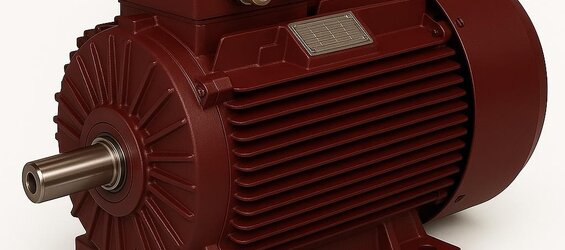
18.5 kW 1500 RPM ELECTRIC MOTOR CONTACT: +90 542 666 11 11 The 18.5 kW 1500 RPM electric motor from DRG Motor is built for high-performance industrial applications demanding stro... More Details
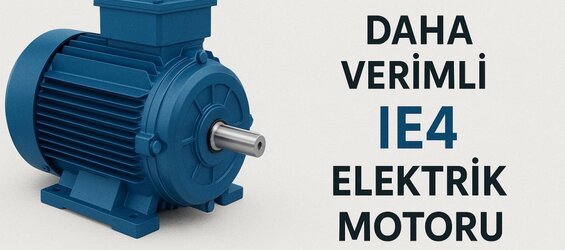
7.5 kW 1500 RPM ELECTRIC MOTOR CONTACT: +90 542 666 11 11 The 7.5 kW 1500 RPM electric motor by DRG Motor is a high-performance industrial motor designed for continuous-duty appl... More Details
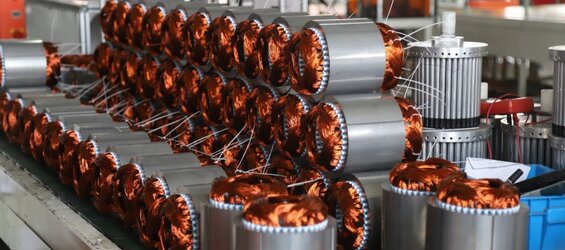
The 75 kW 1500 RPM electric motor is a high-performance motor widely used in industrial facilities and heavy-duty applications. These motors are designed to provide reliable perfor... More Details
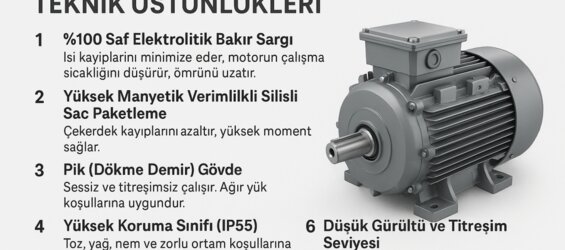
DRG Motor AC Motor Price ListOur Quick Access Phone Numbers:+90 (542) 666 11 11+90 (533) 777 04 44 Mail : [email protected] motors carry industrial and commercia... More Details
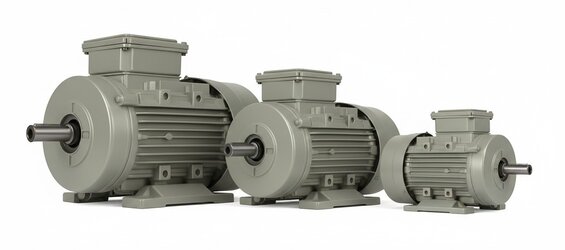
Where to Buy IE3 Electric Motors Contact: +90 (542) 666 11 11 DRG MOTOR is a leading company in industrial electric motor production in Turkey, distinguished by its long-standing... More Details
High-Quality Standards in IE3-IE4-IE5 Electric Motor Sales Contact: +90 (542) 666 11 11 In today’s industrial landscape, energy efficiency, durability, and sustainability are the... More Details
High kW Electric Motors Suitable for Your Needs Contact: +90 (542) 666 11 11 From industrial production to heavy-duty applications, high kW electric motors play a critical role i... More Details
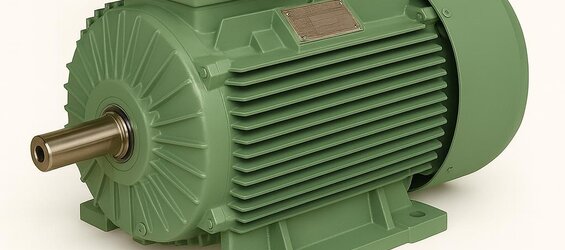
200 KW 1000 RPM ELECTRIC MOTOR CONTACT: +90 542 666 11 11 The 200 kW 1000 RPM electric motor, manufactured by DRG Motor, is a high-performance industrial motor specifically desig... More Details
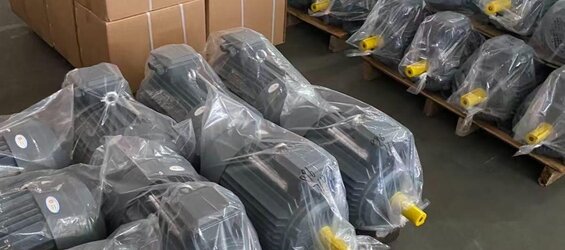
160 KW 1000 RPM ELECTRIC MOTOR CONTACT: +90 542 666 11 11 The 160 kW 1000 RPM electric motor from DRG Motor is a powerhouse solution built for heavy-duty industrial applications ... More Details
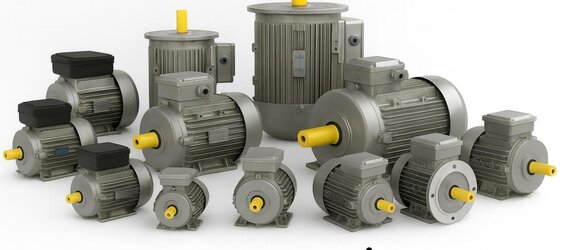
110 KW 1000 RPM ELECTRIC MOTOR CONTACT: +90 542 666 11 11 The 110 kW 1000 RPM electric motor from DRG Motor is a heavy-duty industrial power solution engineered for demanding app... More Details
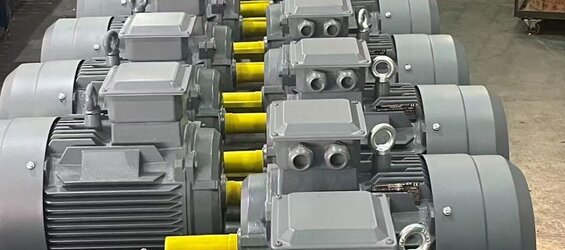
90 KW 1000 RPM ELECTRIC MOTOR CONTACT: +90 542 666 11 11 The 90 kW 1000 RPM electric motor produced by DRG Motor is a high-performance industrial solution tailored for operations... More Details