 English
 Le français
 Türkçe

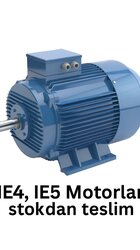

Dozens of drives run at once in concrete batching and crushing-screening plants, and no two carry the same load story. Dust, vibration, impact loading and long hours are shared; what changes is the torque demanded at start and how fast a failed unit can be replaced.
Which Machine Gets Which Motor
Almost every piece of machinery on the site is motor driven:
- Conveyor belts and transfer lines
- Jaw, cone and impact crushers
- Vibrating and static screens
- Screw conveyors and feed units
- Concrete mixers and agitators
- Water and slurry pump units
Each of these asks for high starting torque, low vibration and steady running, and a correctly chosen drive answers all three without stopping the line.
Breakaway Torque Drives the Choice
The hardest moment for these motors is rarely normal running; it is the first movement. A loaded mixer, a crusher full of stone or a charged conveyor each need enormous breakaway torque from standstill. If the motor cannot produce it, the start drags out, the winding heats and service life shortens. So the specification is written against starting torque and load characteristic, not rated kW alone.
Matching Speed to Each Machine
Every unit on a crushing-screening line wants a different speed. A crusher works at a relatively high speed while a screw conveyor or feeder turns slowly with high torque. At 50 Hz, a 2-pole motor runs at about 3000 rpm, a 4-pole at 1500 rpm and a 6-pole at 1000 rpm. Correct pole count, with a gearbox where the ratio demands it, puts each machine in its efficient band.
What the Frame Faces on Site
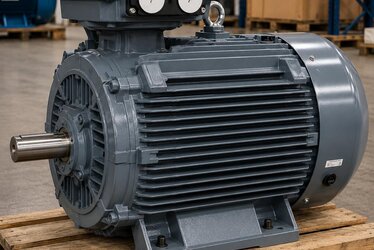
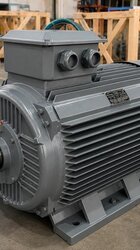
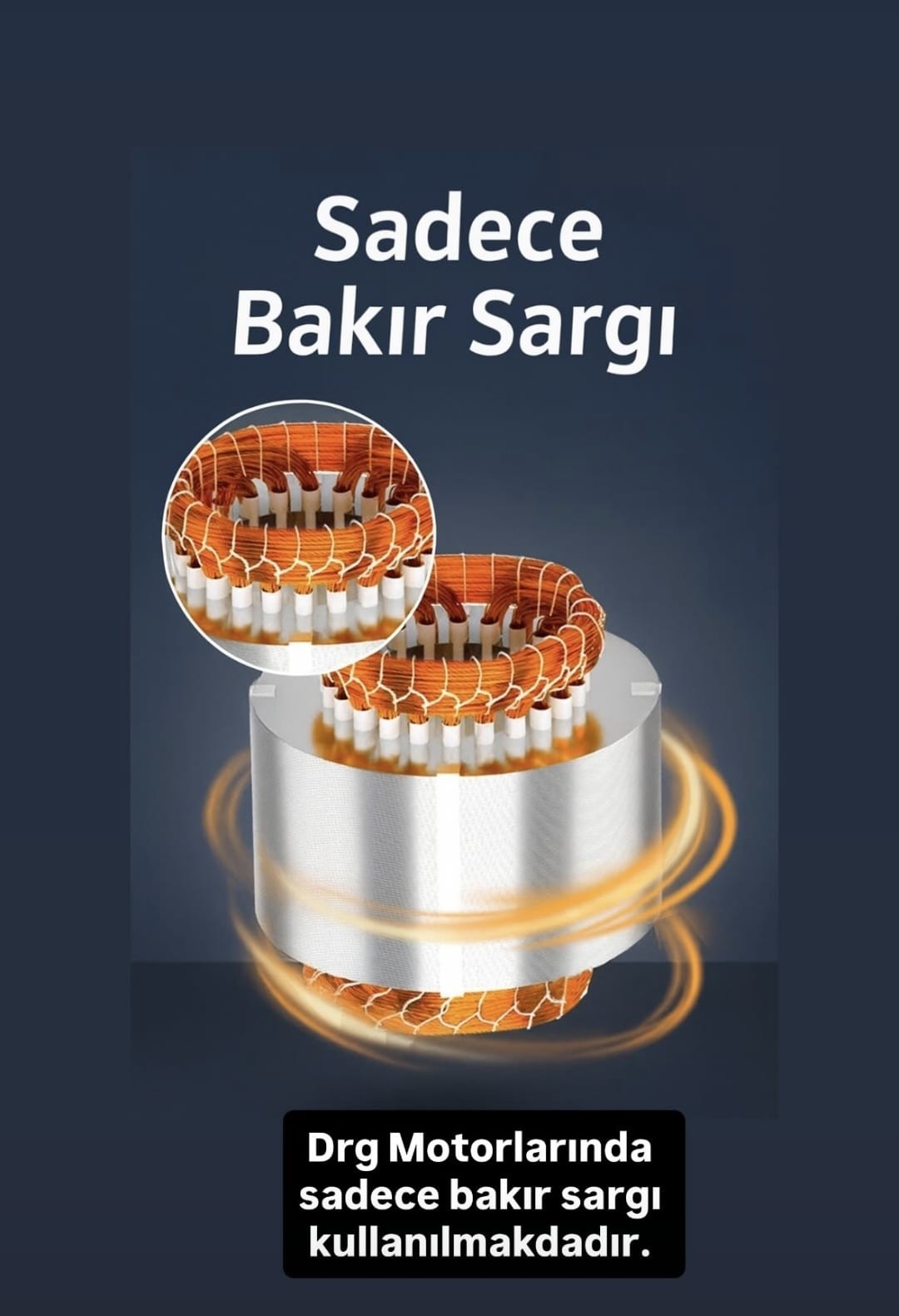
In a dusty, damp, impact-prone plant the housing is what defends everything inside. An iron casting weighs more and damps far better than aluminium, so screen and crusher vibration dies in the metal instead of reaching the bearings. IP55 blocks dust ingress and spray from reaching the winding in a heavy particulate environment. Winding temperatures as high as 155 °C are within class F capability, leaving a safe margin when ambient climbs.
Continuous Duty and Consumption
These plants sit near full capacity through most of each day, which makes electricity the dominant share of operating cost. Motors from IE3 through IE5 produce identical mechanical output at lower loss, and where a line runs without pause a single class step shows up in the annual figure. Balanced windings and a solid mechanical build suit S1 continuous duty. Our IE3 motor article goes through the classes in detail.
Standard Frames Make the Swap Fast
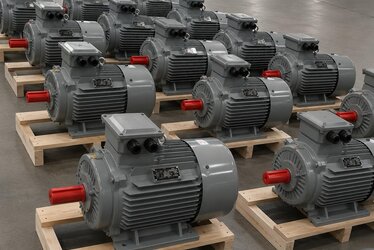
A failed motor here usually halts the whole line, so replacement time weighs just as heavily in the choice as the machine itself. Standard IEC frame dimensions mean a spare can be fitted without machining an adapter: same shaft height, same mounting type, line restarted. Sticking to standard configurations across the plant is what makes a spares strategy affordable, because one held unit covers several machines.
Field Measures Against Dust and Damp
IP55 is a strong baseline, and a few site habits extend life beyond it:
- Position the motor where air circulates, not directly under a dust fall.
- Check terminal box glands and gaskets on a schedule.
- Clean surfaces where dust builds up so cooling is preserved.
- Keep the water jet off the motor in heavy washdown areas.
Cutting the Unplanned Stops
Nobody prices a crusher motor failure at what the motor itself was worth; a stopped crusher or conveyor halts everything behind it. Watching bearing vibration, keeping the cooling fins free of dust, measuring winding insulation resistance and checking phase balance head off most such events.
List the drives on your plant with their kW, speed and mounting type, group the ones that share a frame size, and stock the spare for the group that covers the most critical machines.