 English
 Le français
 Türkçe

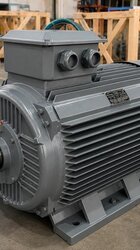
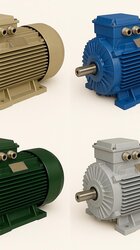
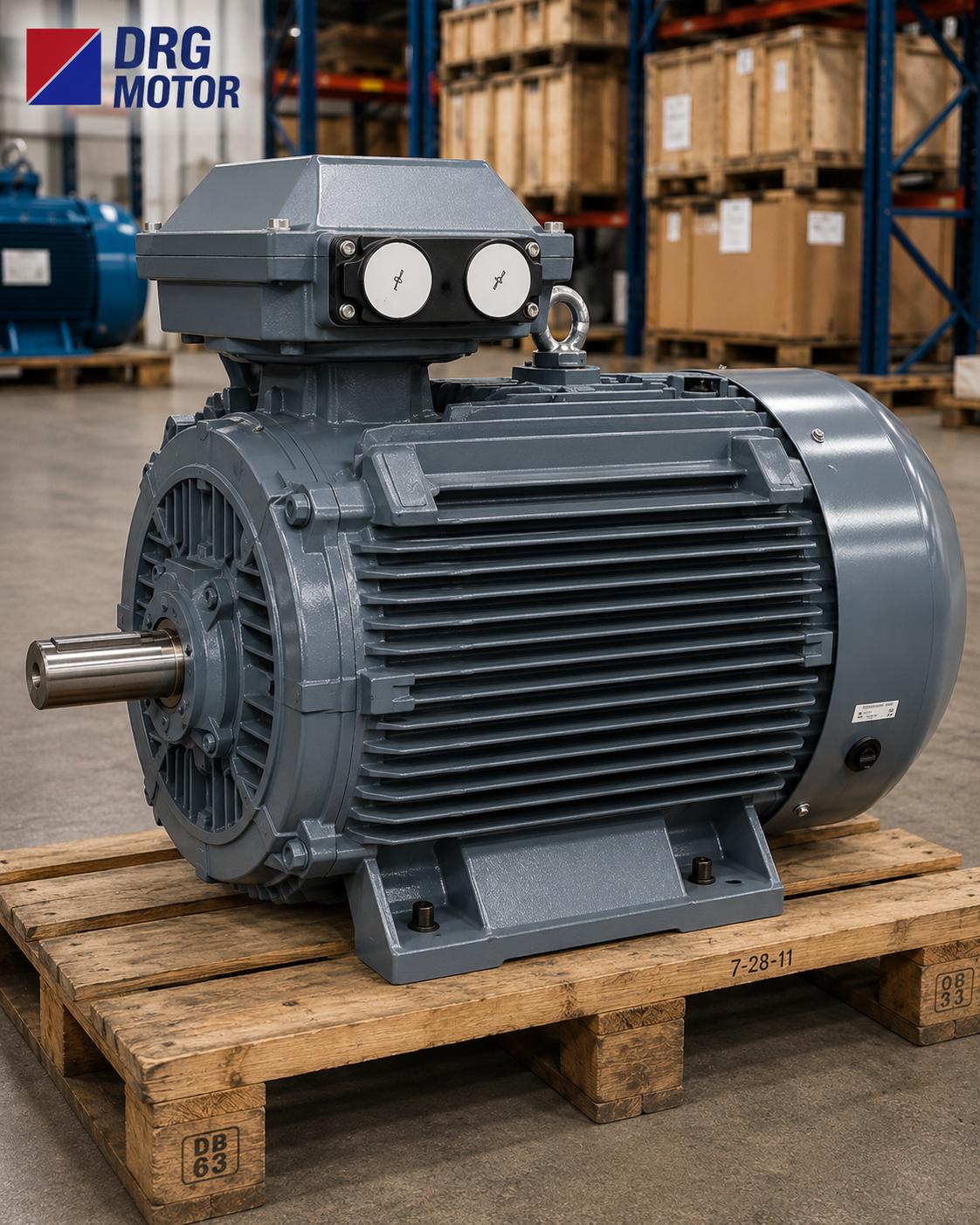

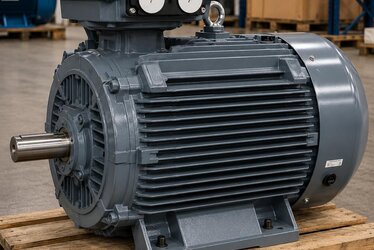
Choosing the right motor for a crusher or stone-crushing line is less a technical footnote and more the decision that quietly sets your budget. The price of a crusher motor is rarely a single catalog number; it is the sum of power class, protection level, brand choice, delivery time and a dozen other variables. In this guide we have gathered, in plain language, everything you need to know so you can request an accurate quote and compare different suppliers like for like. As DRG Motor, our aim is to put the motor that fits your real field load in front of you at the right cost, protecting you both from overspending and from unplanned downtime. By the time you have read the sections below, you will know exactly what to watch for when requesting a quote and how to interpret the figure that lands in your inbox.
The Variables That Actually Set the Price
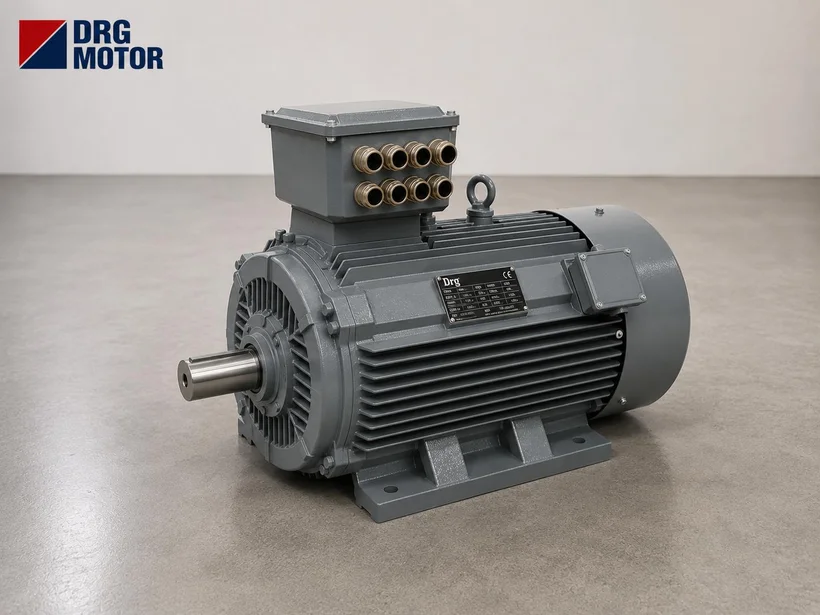
The cost of a crusher motor covers far more than the figure printed in a catalog. In a jaw, impact or cone crusher, the motor runs under constant high torque, starts frequently and is exposed to heavy dust. That is why two motors carrying the same kW label can differ sharply in price. What creates the gap is how well the motor is designed for these demanding conditions. When you ask for a quote, stating the following items clearly will directly shape the number you get back and remove unnecessary back-and-forth:
- Power (kW / HP) and speed (for example 4-pole for 1500 rpm, 6-pole for 1000 rpm)
- Frame material: the durability and price gap between cast iron and aluminium housings
- Protection class (IP55 and above is almost mandatory for a dusty crusher site)
- Efficiency class (IE2, IE3, IE4) and long-term energy cost
- Starting method: direct-on-line, star-delta, or soft starter / drive compatibility
- Mounting type (foot B3, flange B5, combined B35) and shaft dimensions
Power and Torque: Why Correct Sizing Means Budget
On a crushing site, the most expensive mistake is choosing a motor smaller than the job needs. An undersized motor looks cheap at first but is constantly overstrained, its windings overheat, and it fails quickly. The opposite extreme, an oversized motor, burns energy needlessly and inflates the initial investment. For correct sizing, the crusher's feed capacity, the hardness of the processed material, the daily operating hours and the starting frequency must be assessed together. On lines crushing hard granite or basalt in particular, the motor's starting torque becomes far more critical than on lines handling softer material. When you share these details with us, we confirm the right power class for your site first and then quote, so our offer rests on your actual need rather than guesswork.
How Brand, Stock and Delivery Time Affect Cost
Motors with identical technical specifications carry different prices across brands. What decides this is not the label alone but spare-part availability and after-sales support. The difference between a motor delivered from stock and one brought in to order directly affects your project timeline. Because a stopped crushing line means serious daily production loss, most operators accept a reasonable price difference for a few days of faster supply. Always ask about delivery time when requesting a quote; not just the figure, but when the motor reaches your hands is an inseparable part of the true cost. The depth of our stock determines whether, in an emergency, you wait for days or get a same-day solution.
Information to Have Ready Before Requesting a Quote
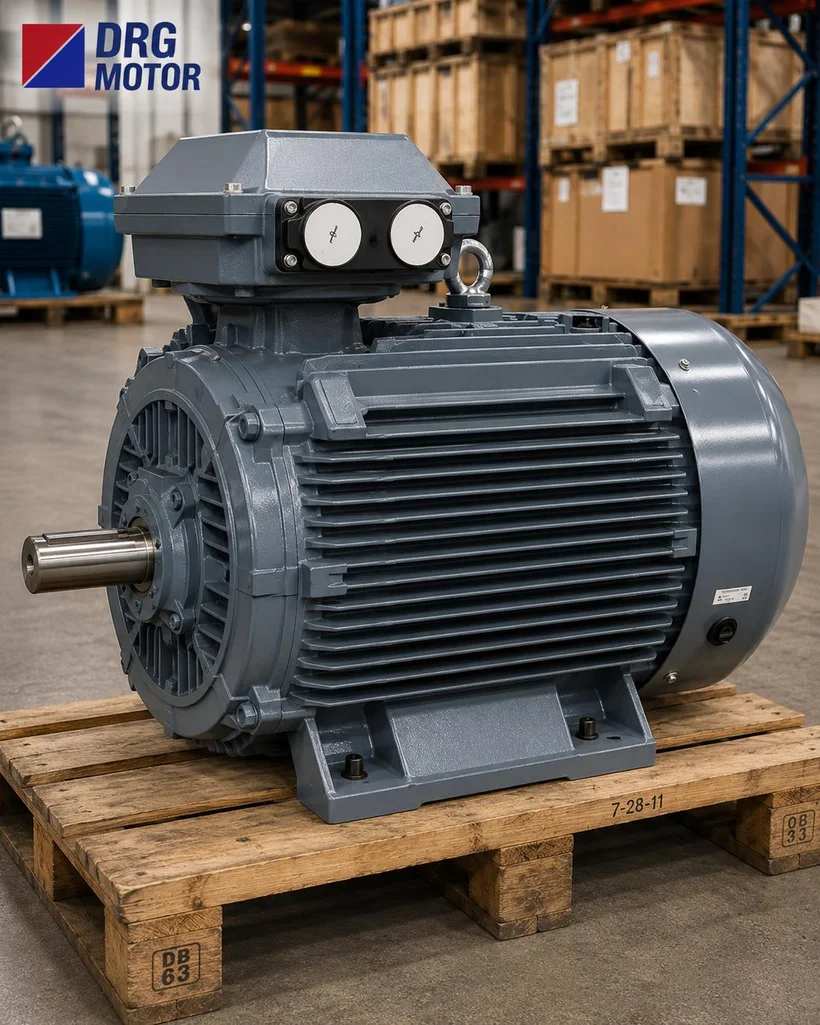
The most practical way to get a fast and precise price is to give the necessary details all at once in your first message. With incomplete information, a supplier quotes on assumptions, and that figure usually changes once it reaches the field. If you prepare the points below, whether you call or use a form, the quote that comes back will be far more realistic and binding:
- The required kW or HP value and the speed
- Crusher type: jaw, impact (secondary) or cone
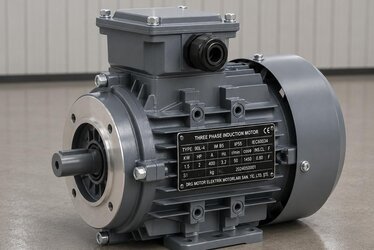
- The nameplate details of the existing motor (a photo helps a great deal)
- Connection and mounting type, shaft diameter
- Operating environment (open site, dust density, humidity)
- Urgency of the need and the delivery address
Sharing the nameplate of your existing motor often lets us quickly suggest an equivalent or more efficient alternative. Within our broad range you can review different power and frame options for stone crushing plant motors from a single source and pinpoint the model closest to your need in a short time.
Total Cost of Ownership: Do Not Look at the Sticker Price Alone
The real cost of a crusher motor does not end with the purchase price. Given that the motor will run for years, energy consumption, maintenance frequency and the cost of potential stoppages often outweigh the initial figure. This is where efficiency class comes in: an IE3 or IE4 motor looks more expensive than an IE2, but at high running hours it pays back the difference through energy savings. On a crushing line running more than ten hours a day, that difference can, within a few years, reach an amount close to the price of the motor itself. Choosing the correct protection class for a dusty, high-impact environment, in turn, reduces unexpected winding failures and service bills. When comparing quotes, we recommend looking not only at the lowest number but at what the motor will cost in total under your specific site conditions.
Spare and Emergency Supply Scenarios
If a motor fails suddenly on a crushing line, speed matters more than price. In such cases the best solution is often not to wait for the exact same model but to switch to a technically equivalent unit available in stock. An experienced supplier can suggest a suitable equivalent within minutes based on your nameplate values and get your line running again within hours. For this reason, we advise operators who want to reduce unplanned downtime risk to secure a spare motor in critical power classes in advance. In our earlier kırıcı motoru supply article we explained the emergency replacement process in detail; you can also find the core selection criteria for a konkasör motoru there.
Comparing Quotes From Different Suppliers Correctly
When you hold three different quotes, choosing the lowest figure is not always the right decision. You must make sure the offers were prepared under the same conditions: the same power and speed, the same protection class, the same efficiency level and the same warranty scope. If one quote includes an IP55 cast-iron housing and another an IP44 aluminium one, the price gap is in fact a quality gap. Warranty period, after-sales service and spare-part access should also be compared clearly. A transparent supplier has no problem explaining what is offered and why at that price; that openness protects you from surprise costs over the long run and lets you see which quote is genuinely the better value.
Your Next Step Toward a Quote
The way to find the right motor for your crusher or stone-crushing line at the right price is to describe your need clearly and talk to an experienced supplier. When you send us the power value, crusher type and your site conditions, we assess the suitable options together with stock and delivery time and prepare an offer tailored to you. If you are facing an urgent stoppage, we focus on getting your line running again as quickly as possible with a fast equivalent recommendation. Start with a single message; share your motor's nameplate details, and let us plan the rest together and put a crusher motor solution that fits your site exactly in front of you at a fair price. We are ready to find, with you, the solution that protects your budget, keeps your line running and delivers the lowest total cost over the long term.