 English
 Le français
 Türkçe
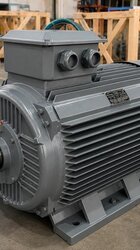
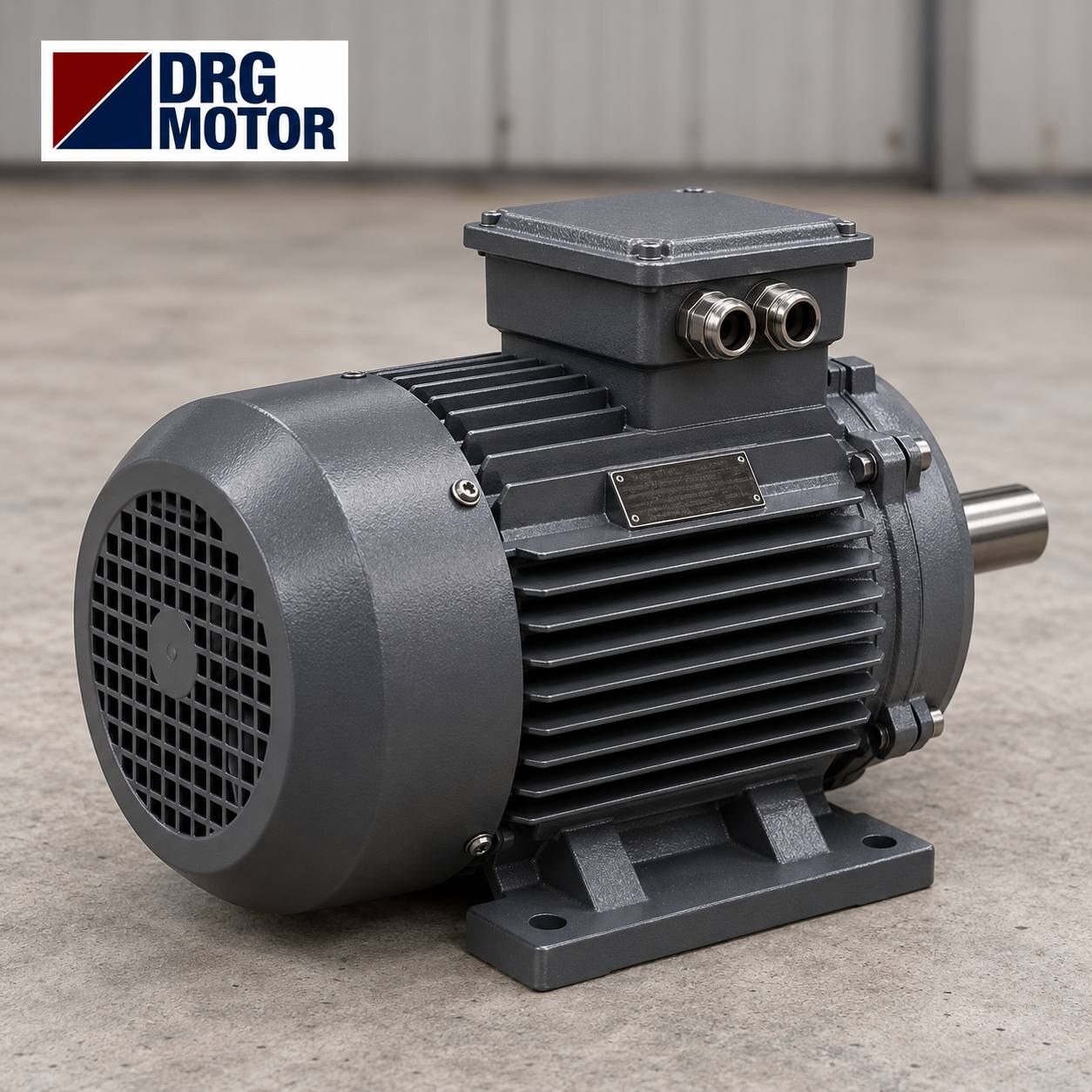

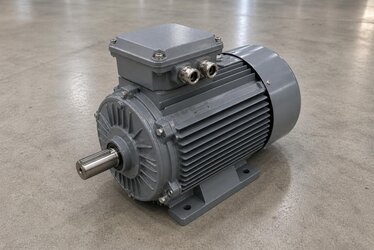
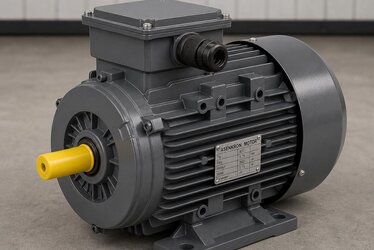
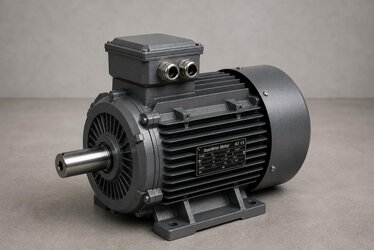
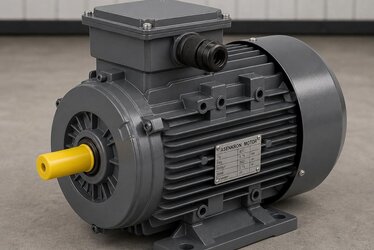
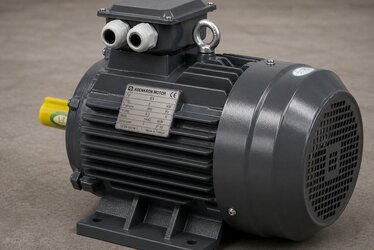
High-Efficiency IE3 Electric Motor
Contact: +90 (542) 666 11 11
Efficiency is not a badge on the nameplate; it is the sum of the losses a motor does not produce. In an IE3 machine those electric motors cut copper loss with more and better-graded winding copper, iron loss with low-loss silicon steel laminations, and rotor loss with an optimised squirrel cage, while the fan and bearing design limits the friction and windage share.
The consequence is thermal as much as electrical. A motor that loses less energy runs cooler, and Class F insulation held further from its temperature limit ages more slowly. Efficiency and service life are one design decision seen from two sides.
Where the Losses Go
-
More winding copper at lower resistance, so smaller resistive loss
-
Low-loss silicon steel core, so reduced iron loss
-
Optimised squirrel-cage rotor, so lower slip and rotor loss
-
Reworked fan and bearing design, so less friction and windage
-
Cooler windings, so slower insulation ageing
-
Over 85% efficiency rating held at rated load
A 22 kW Drive Running 6000 Hours a Year
-
Shaft power taken as 22 kW, turning 6000 hours a year
-
IE2 at 91.6% efficiency draws 22 / 0.916 = 24.02 kW
-
IE3 at 92.7% efficiency draws 22 / 0.927 = 23.73 kW
-
(24.02 − 23.73) × 6000 ≈ 1740 kWh saved a year
-
That is one motor; a plant with dozens multiplies the same figure
-
Real running hours and average load ratio decide it, so use measured ones
On a variable-torque load the same logic goes further. Pumps and fans driven through an inverter need less power as the speed drops, and a low-loss machine keeps more of that gain. Below a certain speed the motor's own fan stops cooling it properly, which is where forced cooling has to be considered rather than assumed.
Send the shaft power, the yearly running hours and the average load ratio, and the payback above can be recomputed for your own drive instead of a sample one.