 English
 Le français
 Türkçe

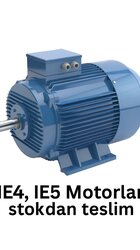
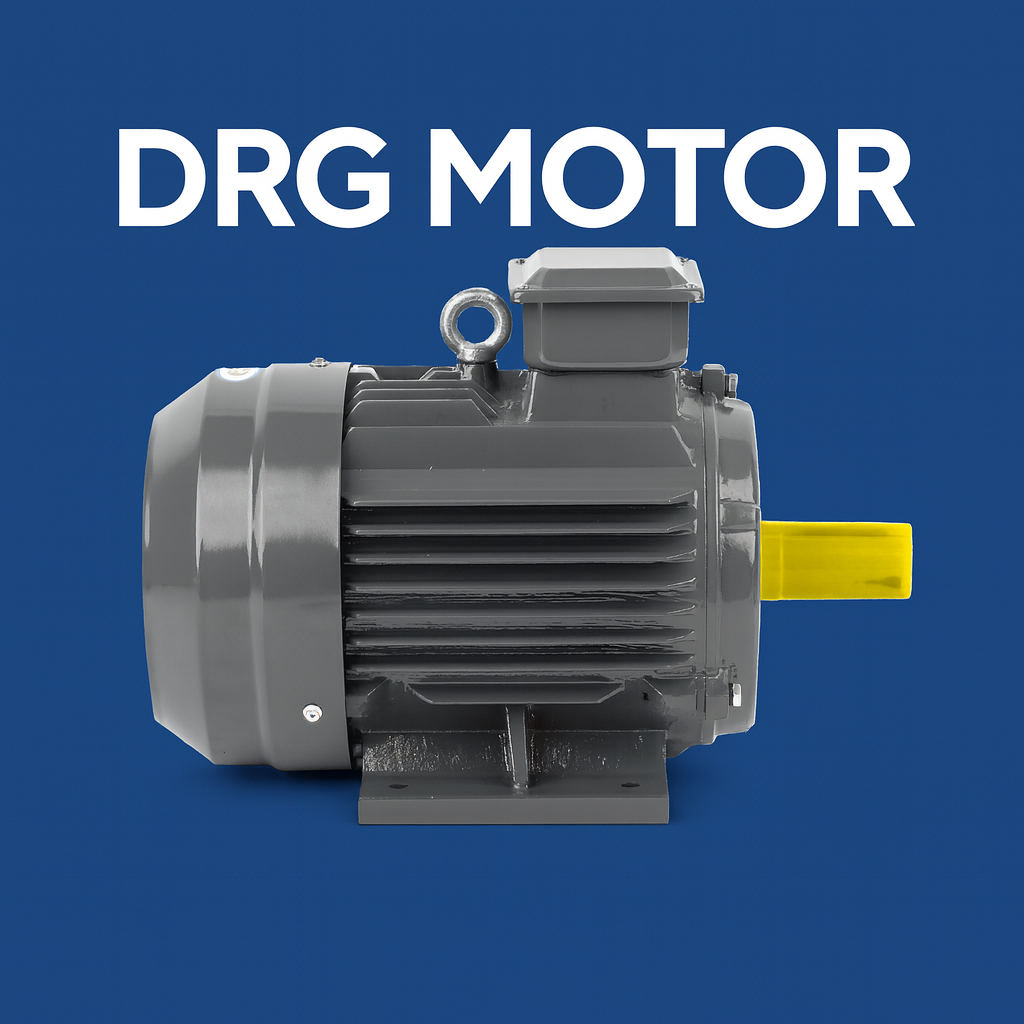

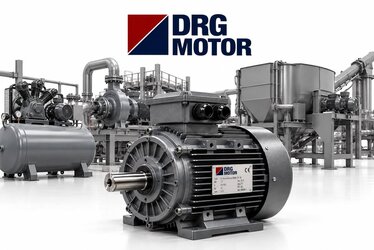
Most of the electricity used in an industrial plant goes into one job: moving a fluid. Pumps move water, fans move air, compressors move pressurised gas, and an electric motor does the turning behind all three.
Selecting the Motor for a Pump
Pumps are among the hardest duties a motor faces, because most of them run around the clock or through long shifts. In a centrifugal pump absorbed power climbs with flow cubed, so throttling a valve to trim the flow is the expensive way to do it; a frequency converter that slows the machine down is the cheap one. On water and waste water duty, on submersible and horizontal-shaft installations, class F insulation and IP55 protection give the machine a safe base against humidity. The right pole count, a 2-pole for high speed or a 4-pole for balance, brings the duty point close to the peak of the efficiency curve.
Fans and Ventilation Duty
Fans are the heart of HVAC and of industrial ventilation. Absorbed power changes steeply with speed here too, which makes speed control far smarter than running flat out and strangling the flow with a damper. In smoke extraction, heating and cooling, and process ventilation, quiet vibration-free running counts twice over: comfort on one side, equipment life on the other. Whatever torque and speed the fan asks for, 4-pole or 6-pole machines are the usual match.
Compressors Under Continuous Load
High starting torque and sustained load are what a compressor asks of its motor. Screw and piston units either switch on and off many times an hour or hold full load for hours; either way the motor has to suit S1 continuous duty and stay thermally stable. A cast iron housing absorbs the vibration a compressor generates and stops the frame flexing under high torque.
What These Machines Bring to the Line
- Energy efficiency: IE3, IE4 and IE5 classes deliver equal output from less electricity.
- Stable performance: quiet, low-vibration and predictable operation at every speed and load.
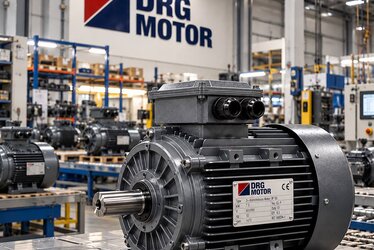
- Durable construction: aluminium or cast iron housings for demanding industrial conditions.
- Wide application range: industrial plants, HVAC, clean and waste water pumping duty, compressor and fan units.
- Easy servicing: standard frame sizes and accessible construction shorten downtime.
Efficiency You Keep Through Maintenance
On fluid systems, efficiency is won or lost during operation rather than at purchase. A clogged fan blade, a worn pump seal or a dirty cooling fin pulls the real figure below the one on the plate. Watch these points:
- Cooling fins and the fan cowl kept free of dust.
- Bearing vibration and temperature measured on a schedule.
- Coupling and belt alignment checked.
- Cavitation on the pump and imbalance on the fan watched for.
Checks Before the Order Goes Out
The frequent mistake on fluid systems is ordering more kilowatts than the pump or fan will ever absorb. An oversized machine costs more up front and then runs at partial load, well off where its efficiency curve peaks. Establish what flow and pressure the fan or pump genuinely demands first, then choose the motor for that duty point. The result is a machine working close to its rated output, which is balanced on both the energy side and the capital side.
Why the Induction Motor Wins Here
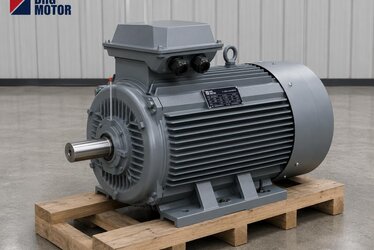
Nearly every pump, fan and compressor hangs off a cage-rotor induction motor on a three-phase supply. No brush, no commutator, no sliding contact to wear away, so with sensible maintenance the failure rate stays low for years.
Spares and Frame Standardisation
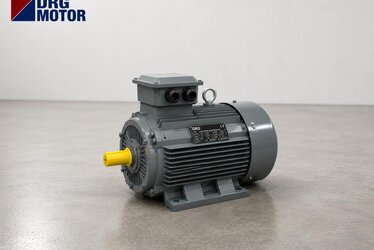
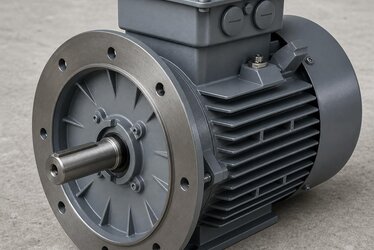
When a critical pump, fan or compressor motor fails, the length of the stoppage is set by how quickly a replacement can go on the base. Specify motors that conform to IEC standard frame sizes and the spares inventory simplifies immediately. Machines sharing the same shaft height and mounting type are interchangeable, so a handful of sizes on the shelf will serve equipment right across the plant.